Confidentiality Agreement Form Template With Signature In Dallas
Description

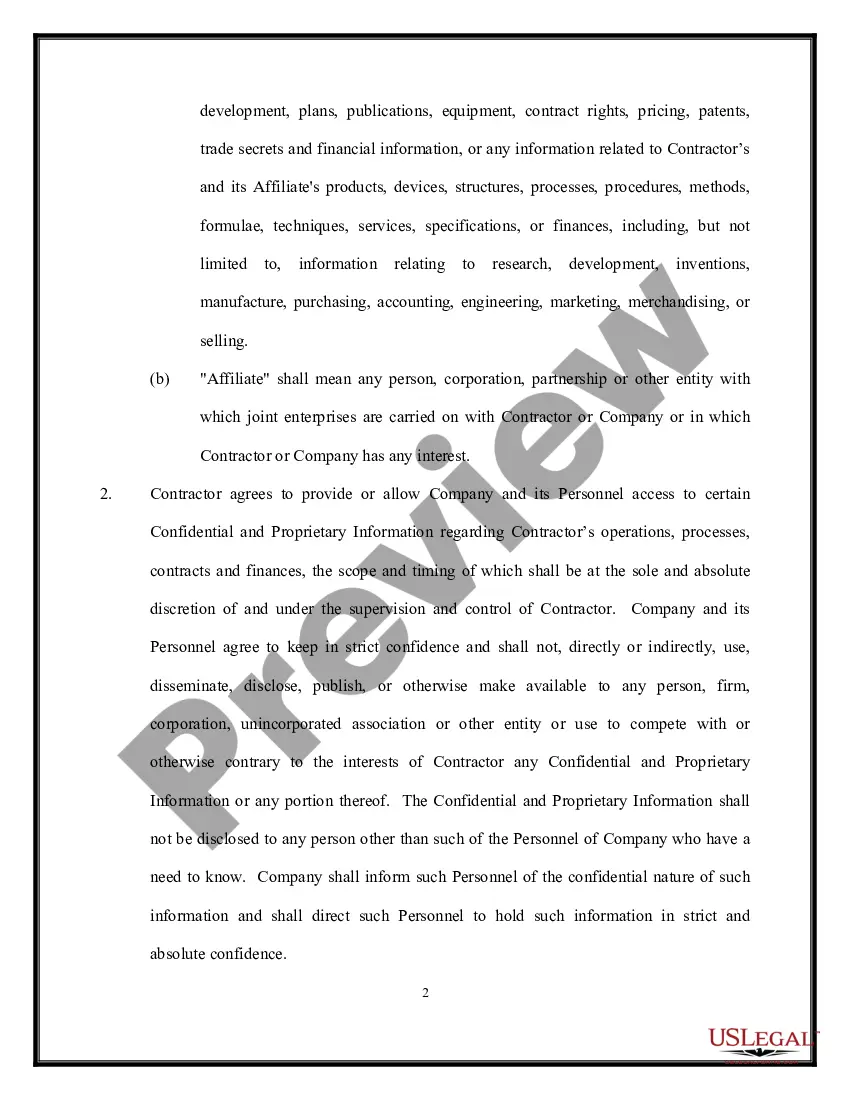
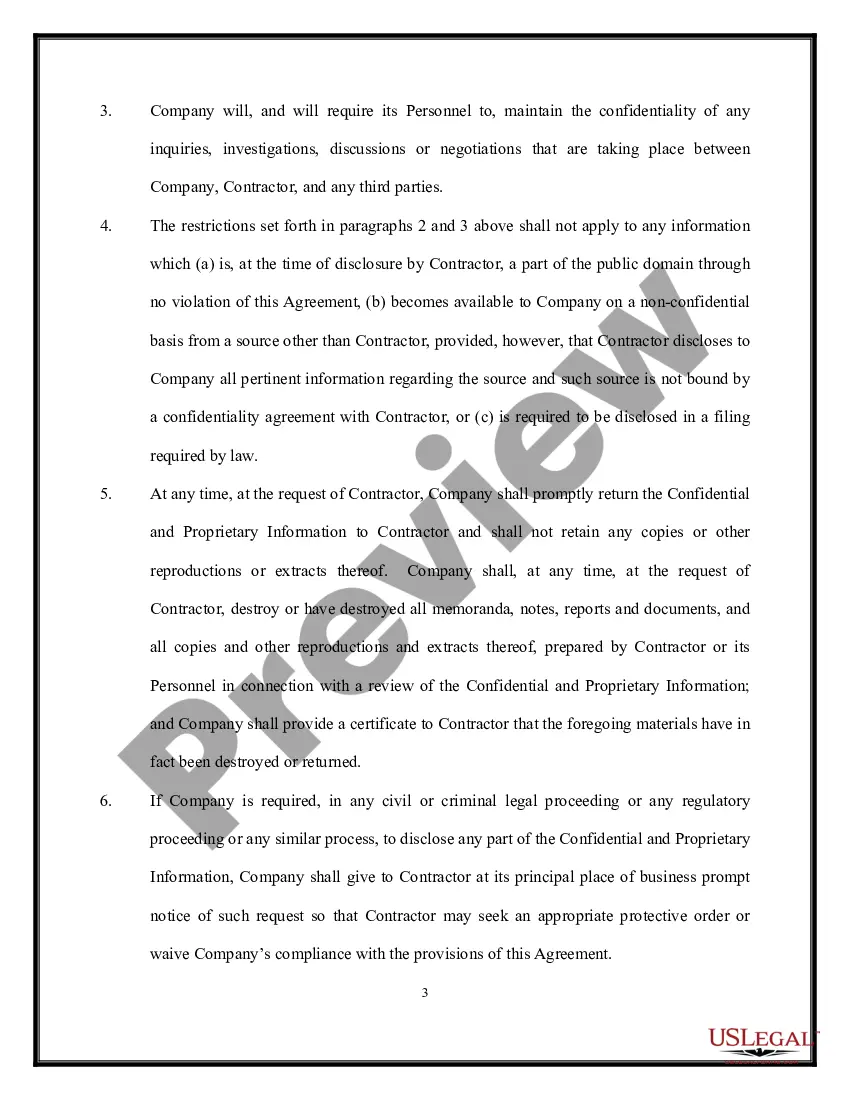
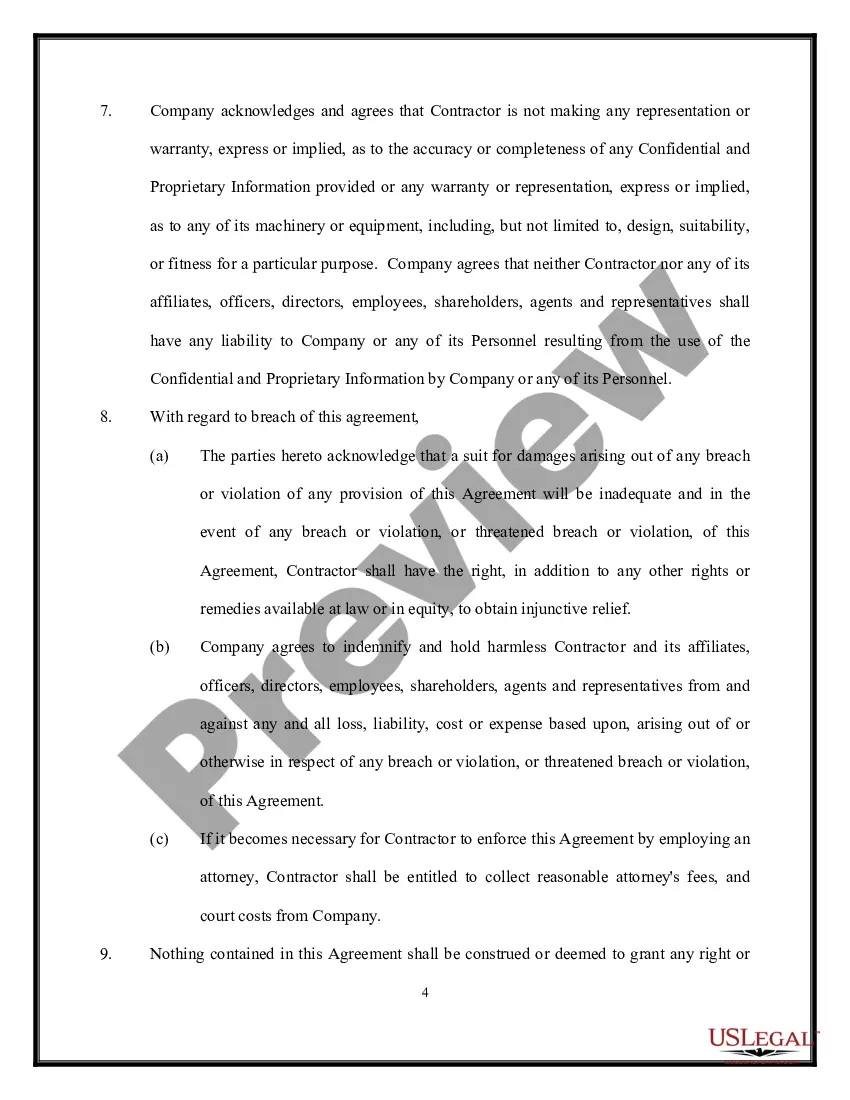
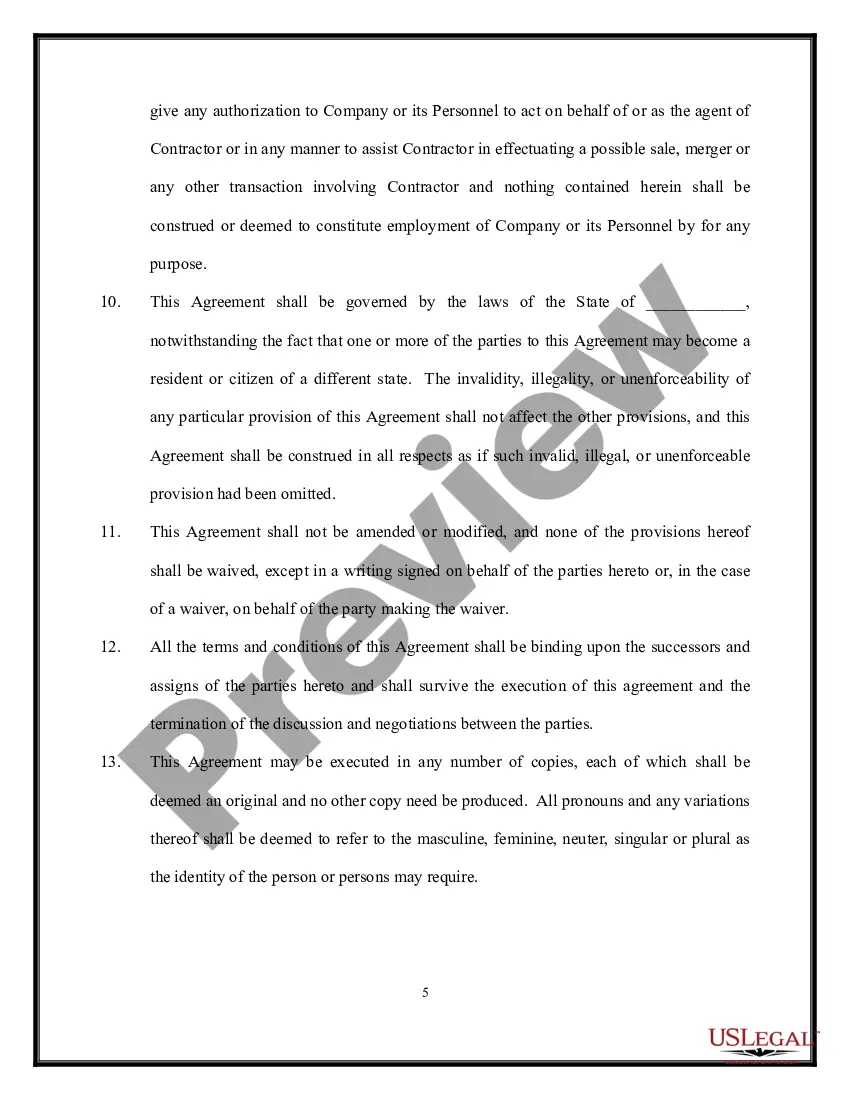
Get your form ready online
Our built-in tools help you complete, sign, share, and store your documents in one place.
Make edits, fill in missing information, and update formatting in US Legal Forms—just like you would in MS Word.
Download a copy, print it, send it by email, or mail it via USPS—whatever works best for your next step.
Sign and collect signatures with our SignNow integration. Send to multiple recipients, set reminders, and more. Go Premium to unlock E-Sign.
If this form requires notarization, complete it online through a secure video call—no need to meet a notary in person or wait for an appointment.
We protect your documents and personal data by following strict security and privacy standards.

Make edits, fill in missing information, and update formatting in US Legal Forms—just like you would in MS Word.

Download a copy, print it, send it by email, or mail it via USPS—whatever works best for your next step.

Sign and collect signatures with our SignNow integration. Send to multiple recipients, set reminders, and more. Go Premium to unlock E-Sign.

If this form requires notarization, complete it online through a secure video call—no need to meet a notary in person or wait for an appointment.

We protect your documents and personal data by following strict security and privacy standards.
Looking for another form?








Form popularity
FAQ
How to Write a Confidentiality Agreement Outline the Scope of the Confidentiality Agreement. Outline Potential Exclusions. Define Confidentiality Terms. Outline Consequences. Consult With a Lawyer.
Confidential Disclosure Agreements (CDAs)/NDAs CDAs are commonly executed when two parties are considering a relationship/collaboration together and need to understand the other's processes, methods, or technology solely for the purpose of evaluating the potential for a future relationship.
A confidentiality agreement should include the names and addresses of the parties to the contract. Consider also including: Reason for the agreement: Explain why you're sharing this information. The information disclosed: Be specific about the subject matter and what exactly is included in the agreement.
Yes, non-disclosure agreements are enforceable in Texas. That being said, NDAs with a reasonable scope are more likely to hold up in court if challenged. Sometimes, if a challenged NDA is too broad, the court may reform it.
An NDA could be unenforceable if it is too broad, is not for a defined time period, covers information that is not confidential, or asks for illegal conduct.
An NDA can last as long as the parties who sign it agree to make it last. Some NDAs may only last a year or less when information must stay confidential during a negotiation. Other NDAs may have no expiration date, lasting for the foreseeable future.
Under Texas law noncompete agreements can be enforceable if: The noncompete provision is part of an otherwise enforceable agreement. The non-compete requirement is supported by valid consideration (consideration meaning something of value provided to the employee).
Absolutely. Texas businesses can and should continue to protect their interests through legally compliant nonsolicitation and nondisclosure agreements. The key is ensuring that these agreements are drafted to meet legal standards for reasonableness and necessity.
Disclosure Agreement (NDA), also sometimes referred to as a confidential disclosure agreement (CDA) or a proprietary information agreement (PIA), is a legal contract between at least two parties which outlines confidential materials or knowledge the parties wish to share with one another for certain purposes, but ...
Under Texas law, a non-disclosure agreement is enforceable even if it is coupled with an unenforceable non compete agreement or invalid non-solicitation provision.
