Non Disclosure Examples In Cuyahoga
Description

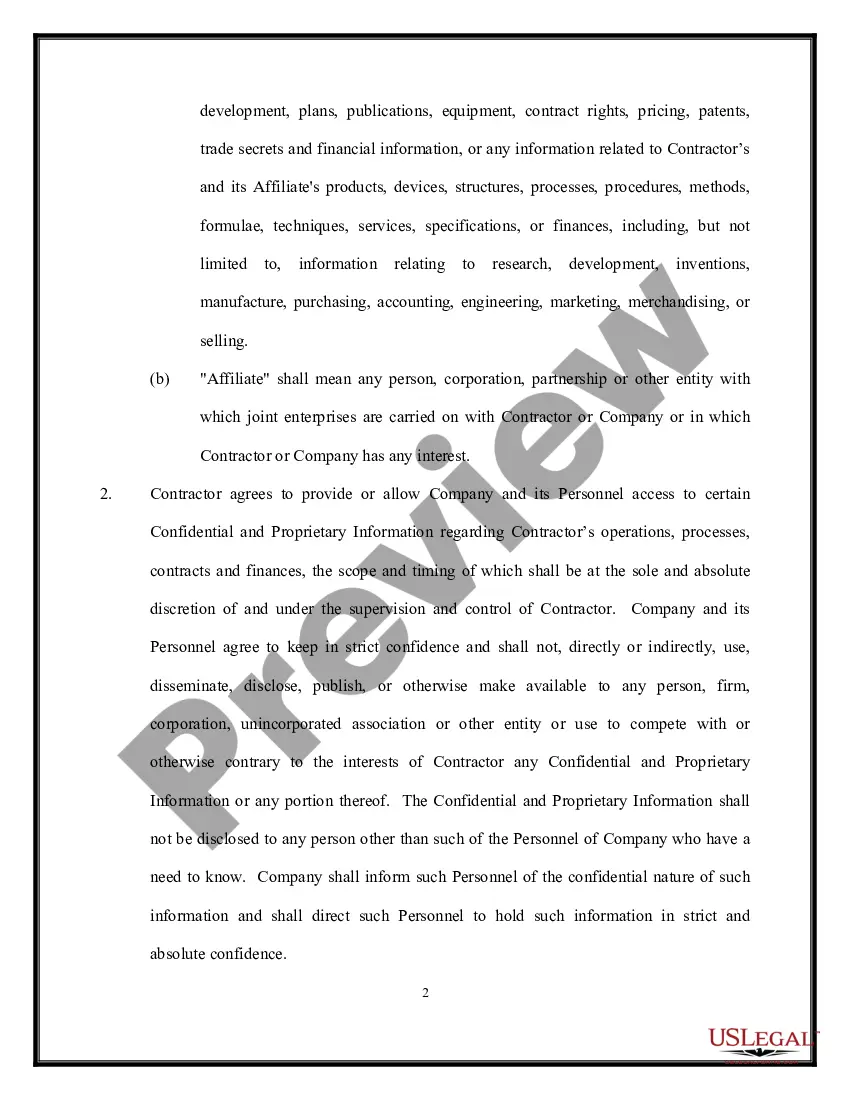
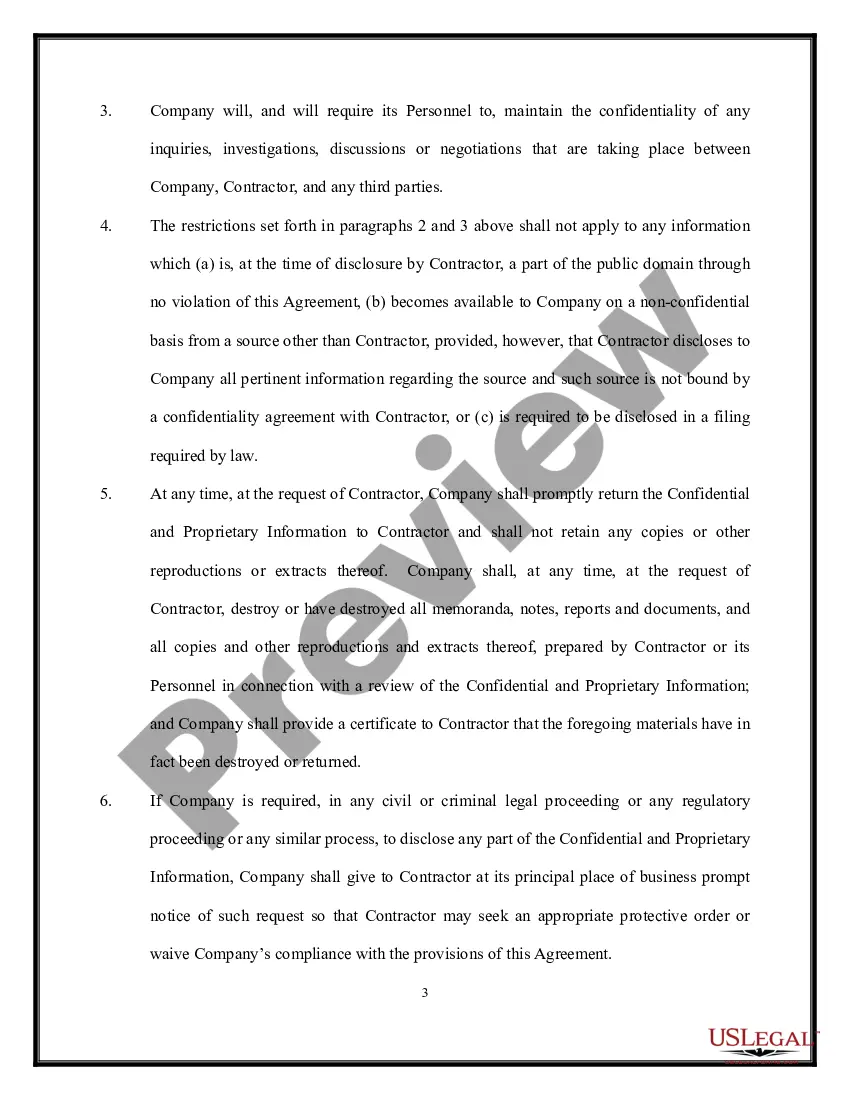
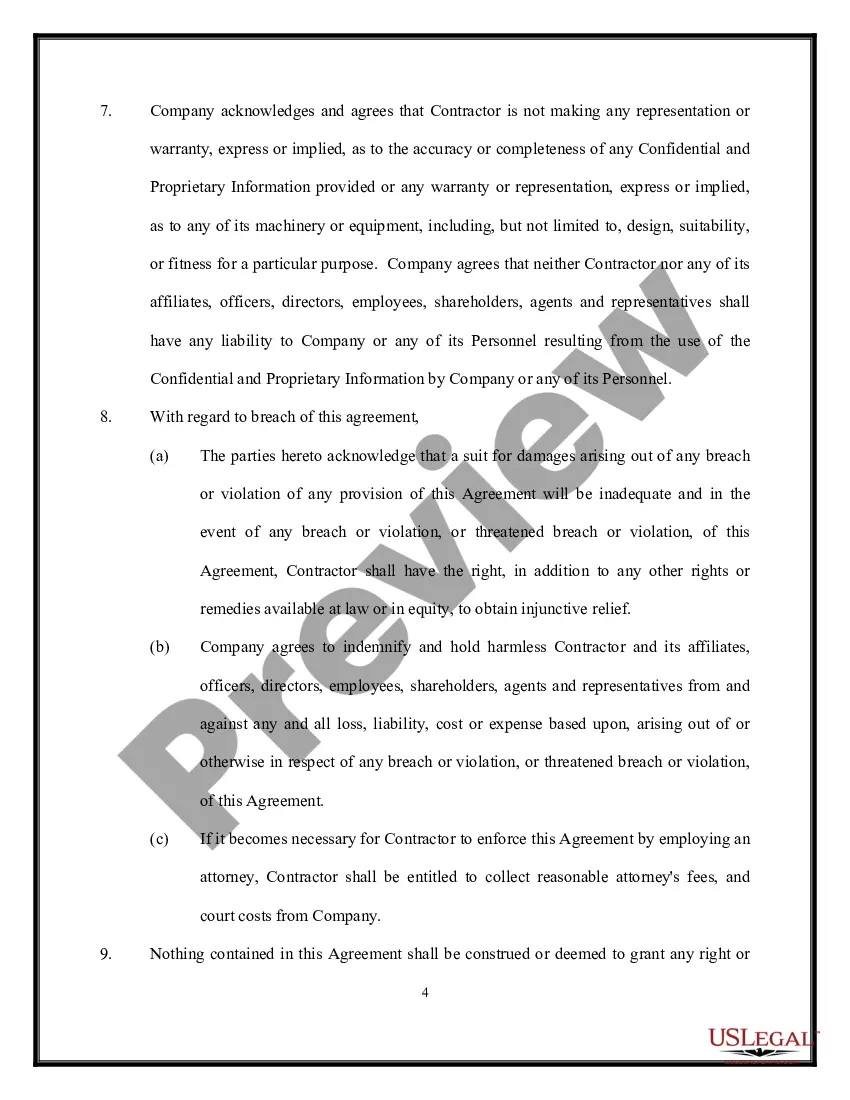
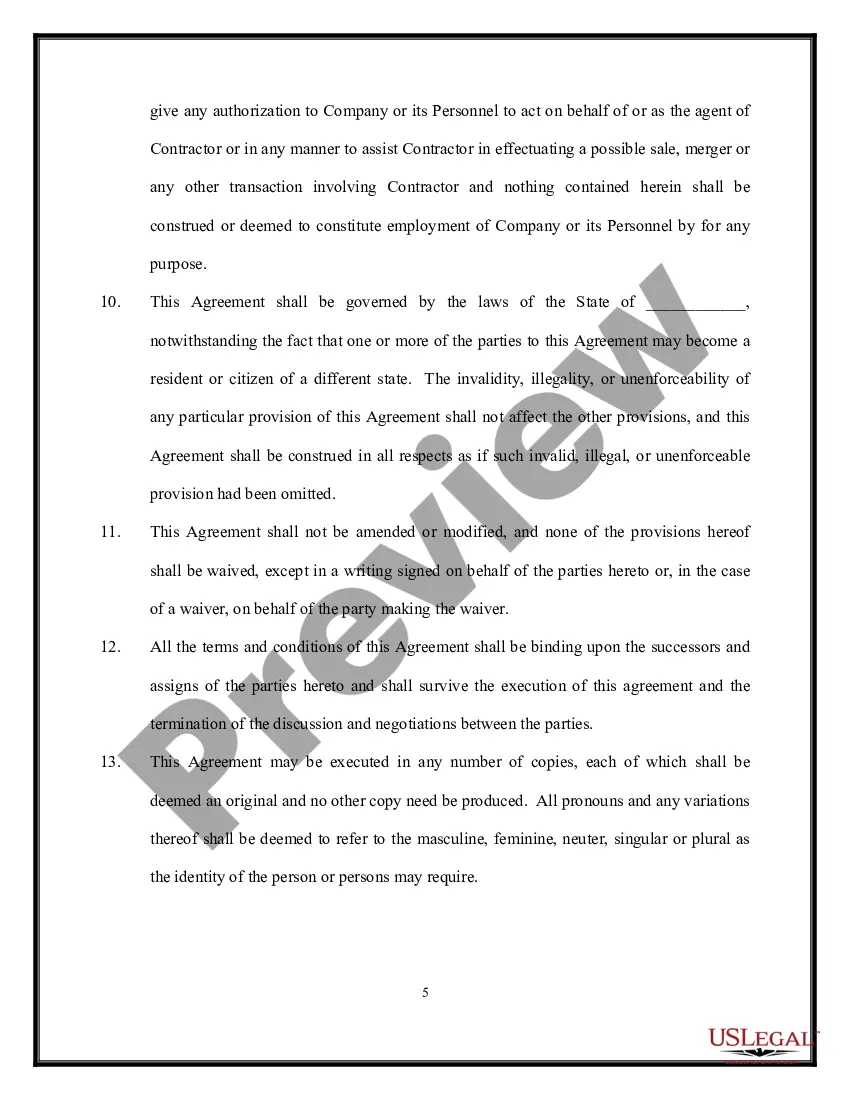
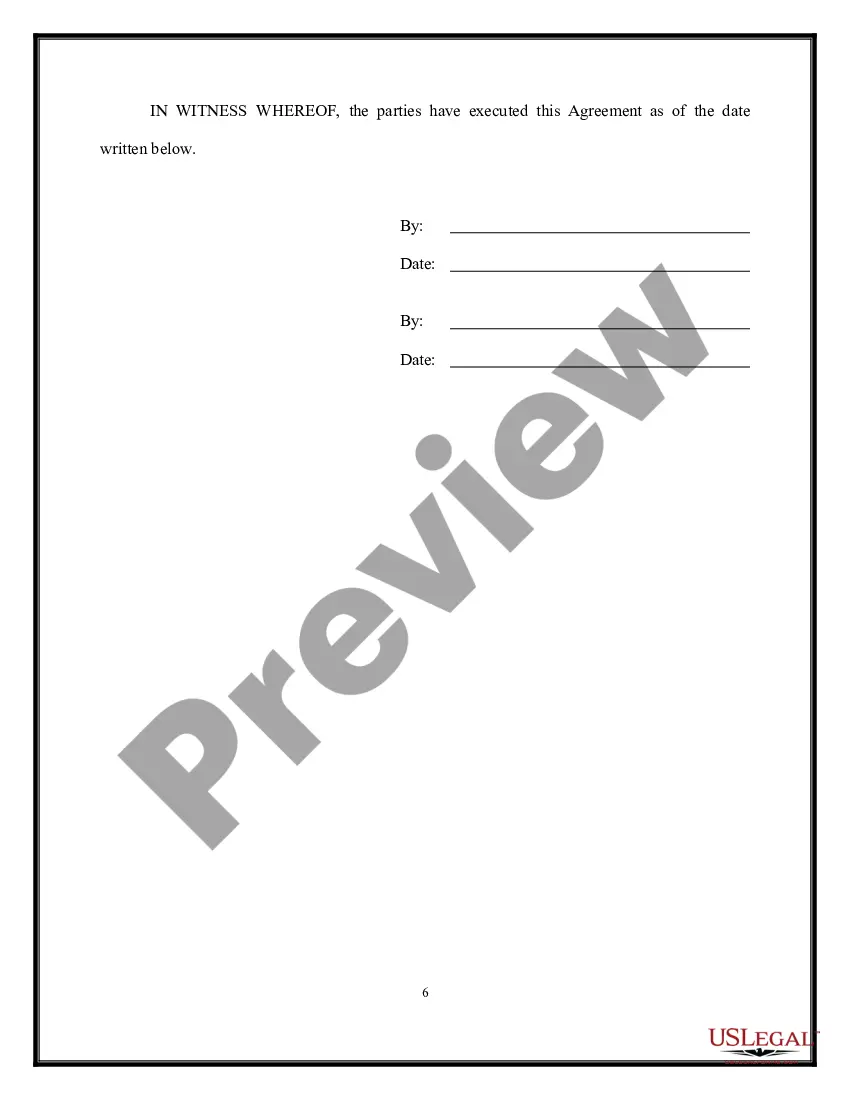
Get your form ready online
Our built-in tools help you complete, sign, share, and store your documents in one place.
Make edits, fill in missing information, and update formatting in US Legal Forms—just like you would in MS Word.
Download a copy, print it, send it by email, or mail it via USPS—whatever works best for your next step.
Sign and collect signatures with our SignNow integration. Send to multiple recipients, set reminders, and more. Go Premium to unlock E-Sign.
If this form requires notarization, complete it online through a secure video call—no need to meet a notary in person or wait for an appointment.
We protect your documents and personal data by following strict security and privacy standards.

Make edits, fill in missing information, and update formatting in US Legal Forms—just like you would in MS Word.

Download a copy, print it, send it by email, or mail it via USPS—whatever works best for your next step.

Sign and collect signatures with our SignNow integration. Send to multiple recipients, set reminders, and more. Go Premium to unlock E-Sign.

If this form requires notarization, complete it online through a secure video call—no need to meet a notary in person or wait for an appointment.

We protect your documents and personal data by following strict security and privacy standards.
Looking for another form?
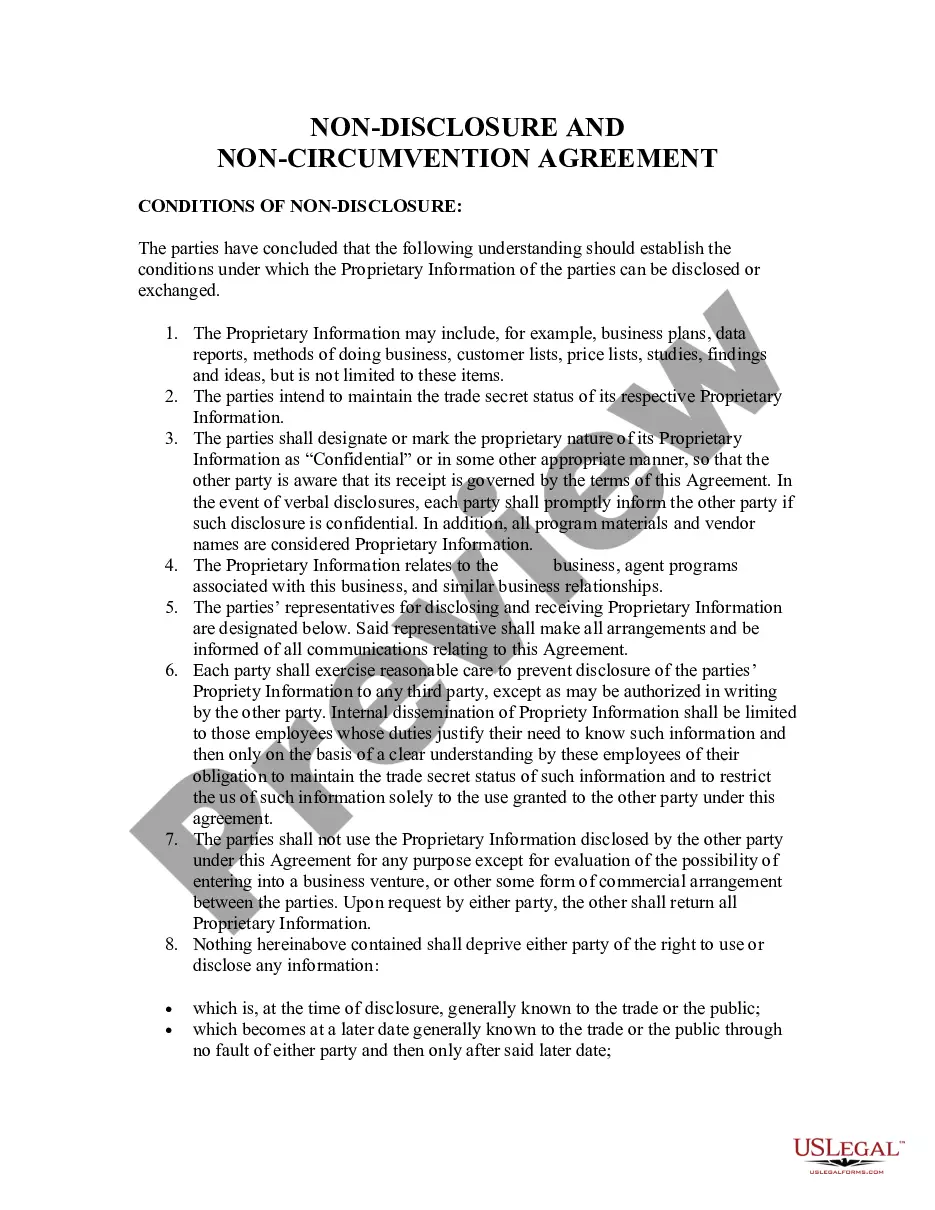

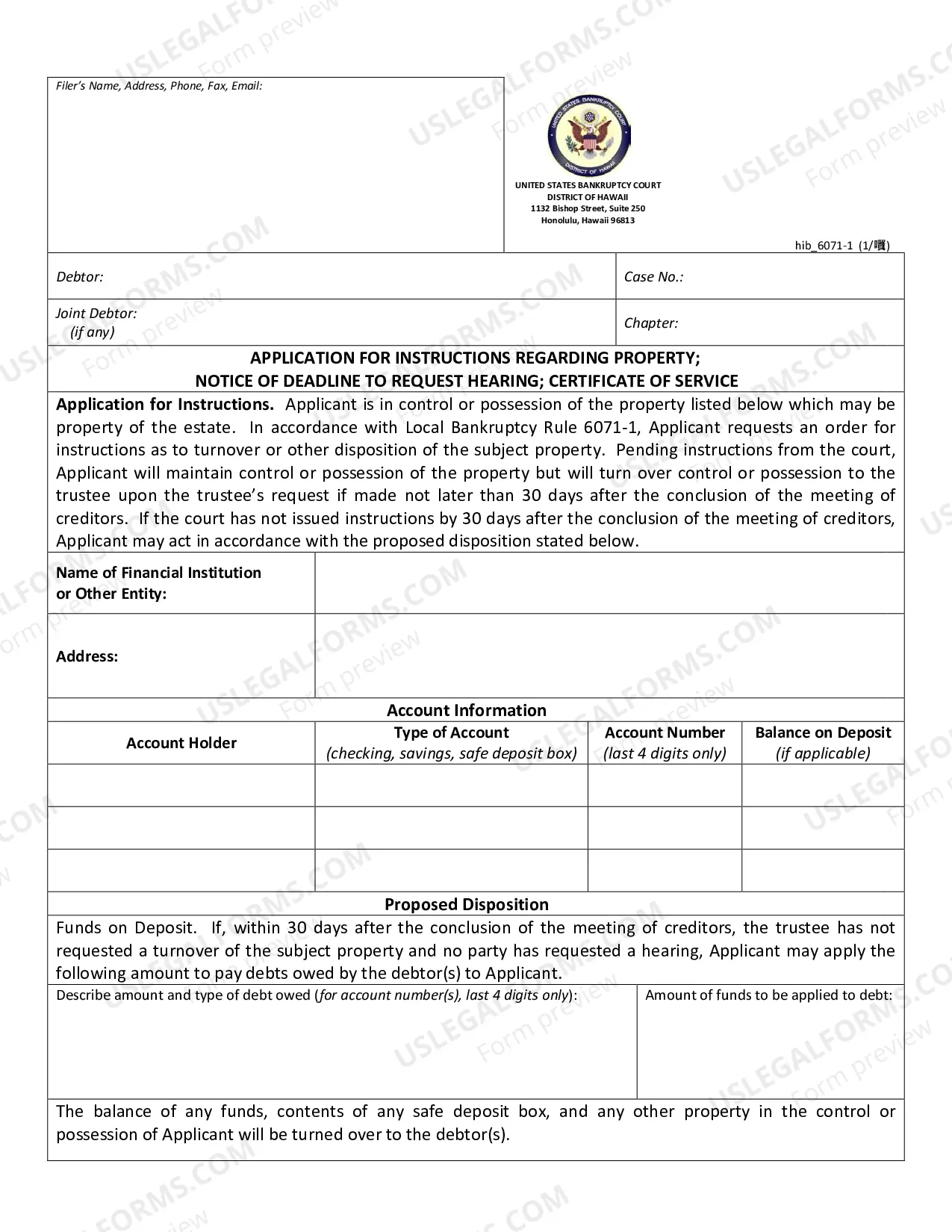

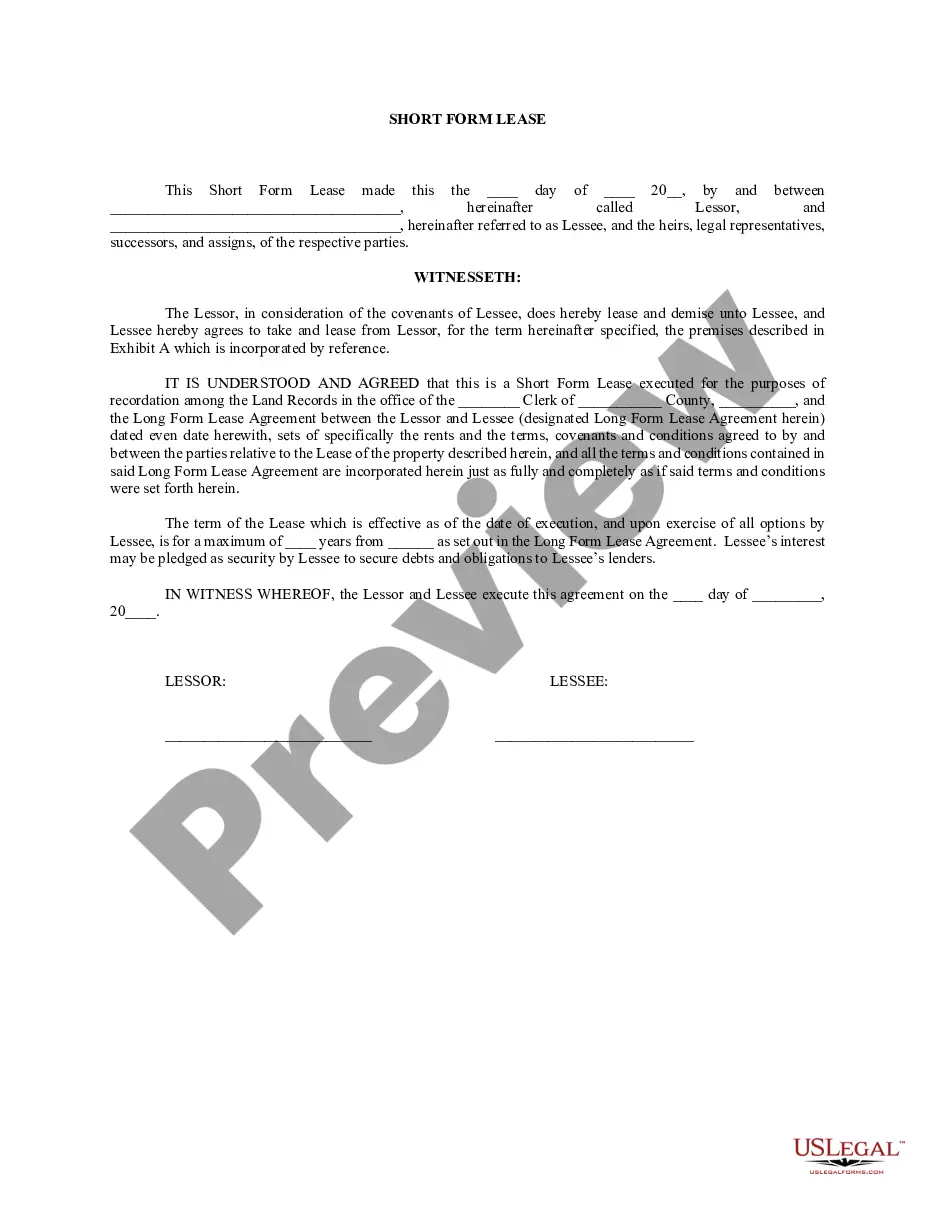




Form popularity
FAQ
The Personnel Review Commission (PRC) was established by the Cuyahoga County Charter in 2010. The agency has a wide range of authority and responsibilities, including hearing appeals, conducting civil service testing, and administering the classification and compensation systems.
11.0 HEARING AND SUBMISSION OF MOTIONS If the motion requires consideration of facts not appearing of record, the movant shall serve and file copies of all affidavits, depositions, photographs or documentary evidence which the movant desires to submit in support of the motion.
R. 11 governs the signing of pleadings, motions and other documents. For a “willful” violation of this rule, an attorney or pro se party, upon motion of a party or upon the court's own motion, may be subjected to appropriate action, including an award to the opposing party of expenses and reasonable attorney fees.
This rule sets a minimum level of disclosure that will be required in all cases, even if one or more parties have not formally requested such disclosure in written discovery.
The key elements of Non-Disclosure Agreements: Identification of the parties. Definition of what is deemed to be confidential. The scope of the confidentiality obligation by the receiving party. The exclusions from confidential treatment. The term of the agreement.
An employment contract is an excellent example of a unilateral NDA. When an employee is hired, they sign a unilateral NDA agreeing not to share information learned on the job.
Before signing an NDA, look out for seven crucial red flags that could limit your freedom or expose you to risks, including broad definitions of confidential information, indefinite duration, lack of mutuality, restrictive non-compete clauses, absence of provisions for legal disclosures, unclear remedies for breach, ...
The purpose of a non-disclosure agreement is twofold: confidentiality and protection. Information protected by a confidentiality agreement can include everything from product specs to client rosters. Business models, test results and even embargoed press releases or product reviews can all be covered by an NDA.
Non-disclosure agreements (NDAs) are agreements in contract law where parties agree that certain information will remain confidential. As such, an NDA binds a person who has signed it and prevents them from discussing any information included in the contract with anyone not authorized by the NDA.
No employee of another, who in the course and within the scope of his employment receives any confidential matter or information, shall knowingly, without the consent of his employer, furnish or disclose such matter or information to any person not privileged to acquire it.
