Non Disclosure Examples In Contra Costa
Description

Get your form ready online
Our built-in tools help you complete, sign, share, and store your documents in one place.
Make edits, fill in missing information, and update formatting in US Legal Forms—just like you would in MS Word.
Download a copy, print it, send it by email, or mail it via USPS—whatever works best for your next step.
Sign and collect signatures with our SignNow integration. Send to multiple recipients, set reminders, and more. Go Premium to unlock E-Sign.
If this form requires notarization, complete it online through a secure video call—no need to meet a notary in person or wait for an appointment.
We protect your documents and personal data by following strict security and privacy standards.

Make edits, fill in missing information, and update formatting in US Legal Forms—just like you would in MS Word.

Download a copy, print it, send it by email, or mail it via USPS—whatever works best for your next step.

Sign and collect signatures with our SignNow integration. Send to multiple recipients, set reminders, and more. Go Premium to unlock E-Sign.

If this form requires notarization, complete it online through a secure video call—no need to meet a notary in person or wait for an appointment.

We protect your documents and personal data by following strict security and privacy standards.
Looking for another form?



Form popularity
FAQ
There are three types of NDAs: unilateral, bilateral, and multilateral. Read on to learn when you should use each type. You'll also learn how to use a contract management tool like Ironclad to draft and manage them.
Three main categories of confidential information exist: business, employee and management information. It is important to keep confidential information confidential as noted in the subcategories below. Customer lists: Should someone get a hold of your customer list, they could steal customers from you.
A 3-Way Non-Disclosure Agreement (NDA), also known as a Tripartite Non-Disclosure Agreement, is a legal contract that involves three parties. This agreement is designed to protect confidential and sensitive information that is shared among these parties.
An NDA that prevents an employee from working in their profession or field of trade may be considered a non-compete agreement. In California, non-compete agreements are more rarely enforceable. NDAs can also not be used to prevent the reporting of illegal activity or to silence whistleblowers.
There are three types of NDAs: unilateral, bilateral, and multilateral. Read on to learn when you should use each type. You'll also learn how to use a contract management tool like Ironclad to draft and manage them.
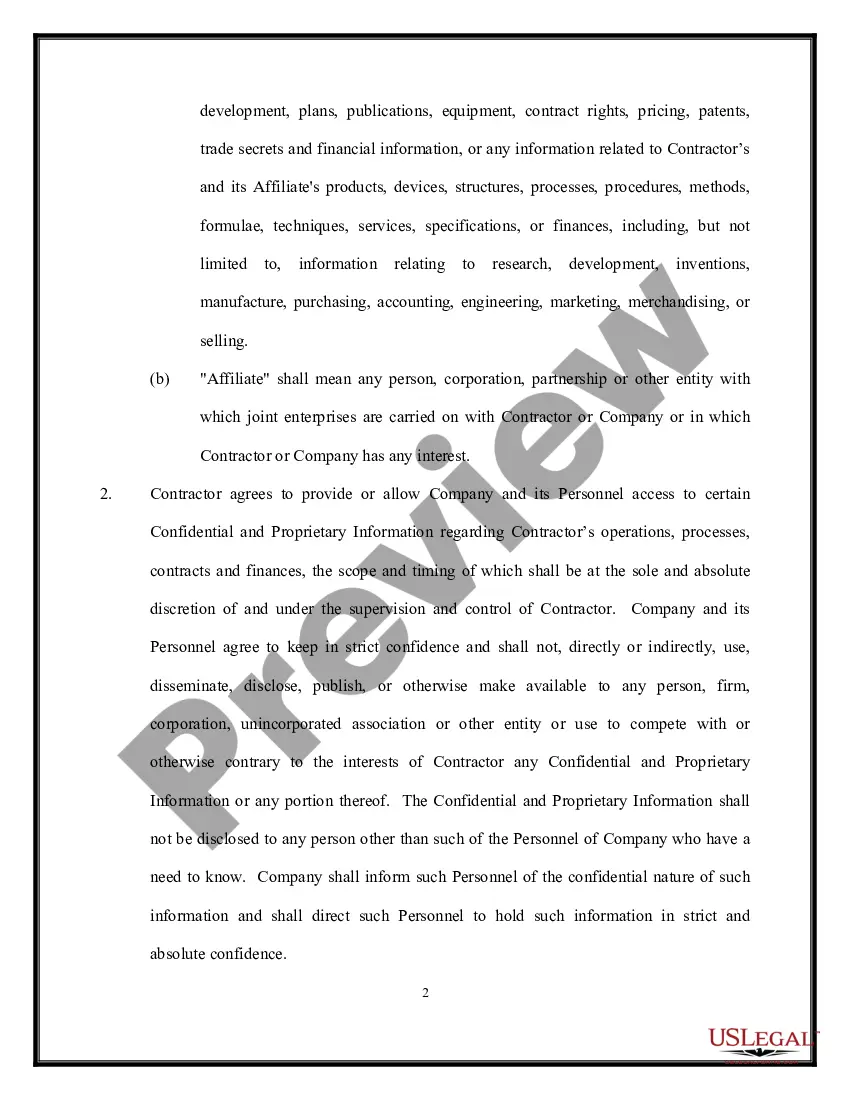
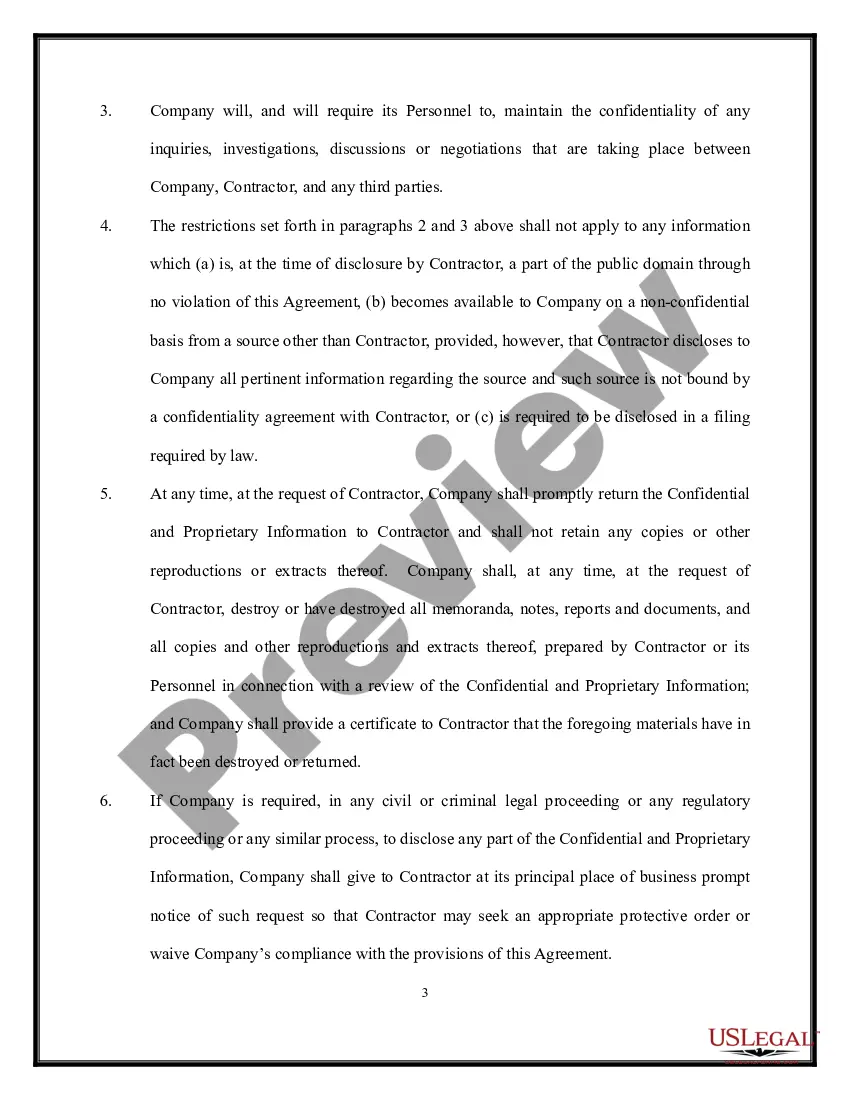
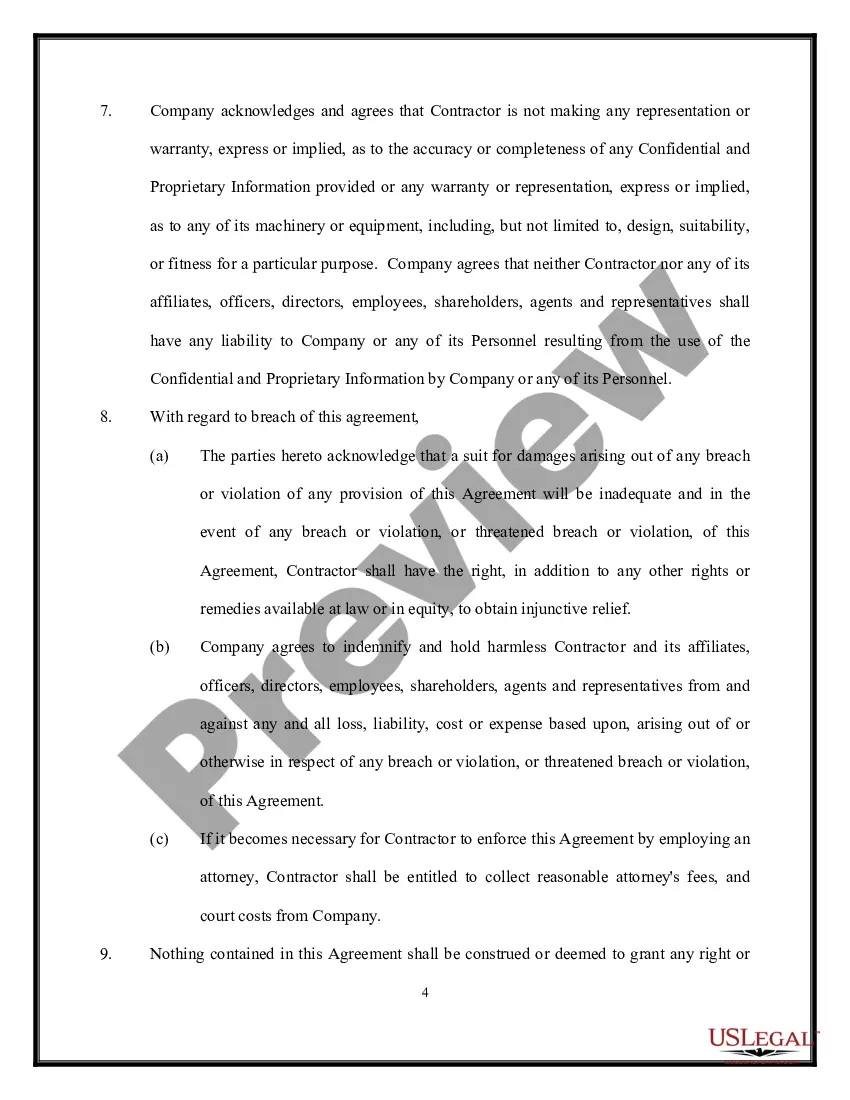
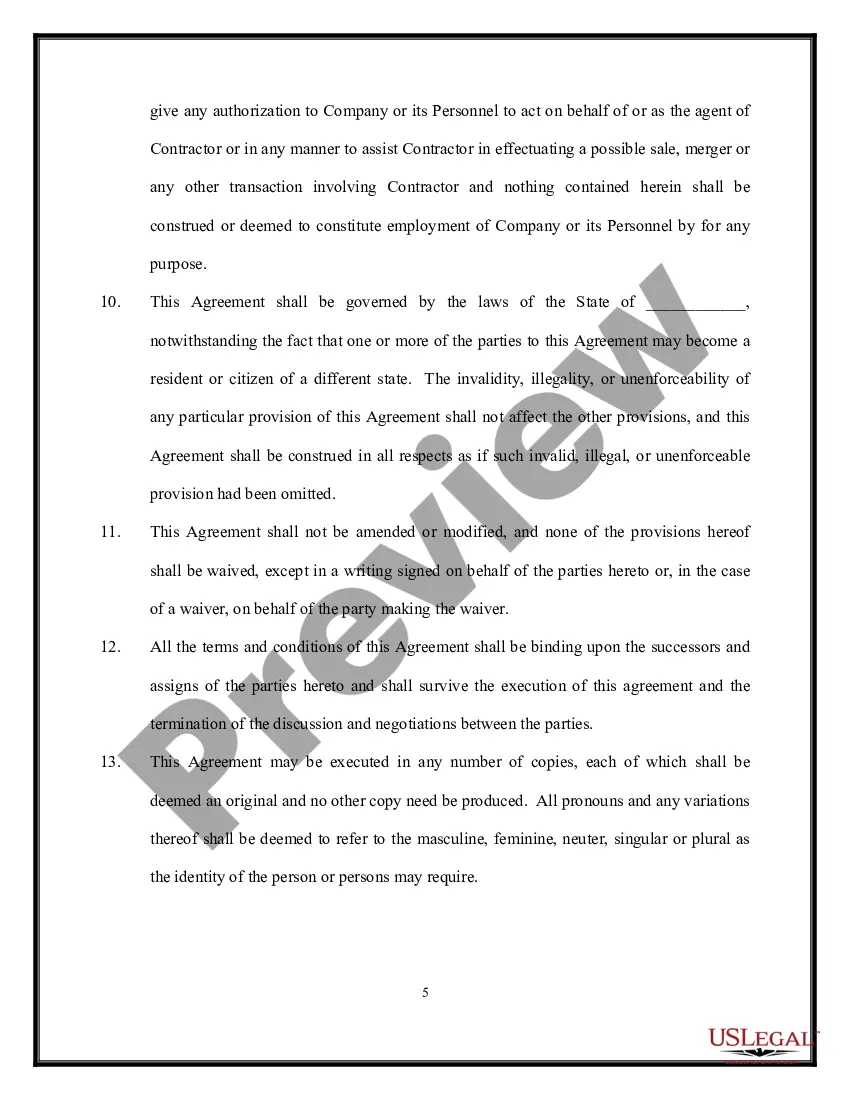
The key elements of Non-Disclosure Agreements: Identification of the parties. Definition of what is deemed to be confidential. The scope of the confidentiality obligation by the receiving party. The exclusions from confidential treatment. The term of the agreement.
An employment contract is an excellent example of a unilateral NDA. When an employee is hired, they sign a unilateral NDA agreeing not to share information learned on the job.
In contrast, a mutual NDA, or two-way NDA, involves a shared exchange of confidential information between two parties. So unlike a one-way NDA, where only one party shares sensitive information, a mutual NDA has a double obligation with both parties committed to protecting each other's confidential information.
Typically, a legal professional writing the NDA will complete these steps: Step 1 - Describe the scope. Which information is considered confidential? ... Step 2 - Detail party obligations. Step 3 - Note potential exclusions. Step 4 - Set the term. Step 5 - Spell out consequences.
