Non-disclosure Agreement Example In Clark
Description

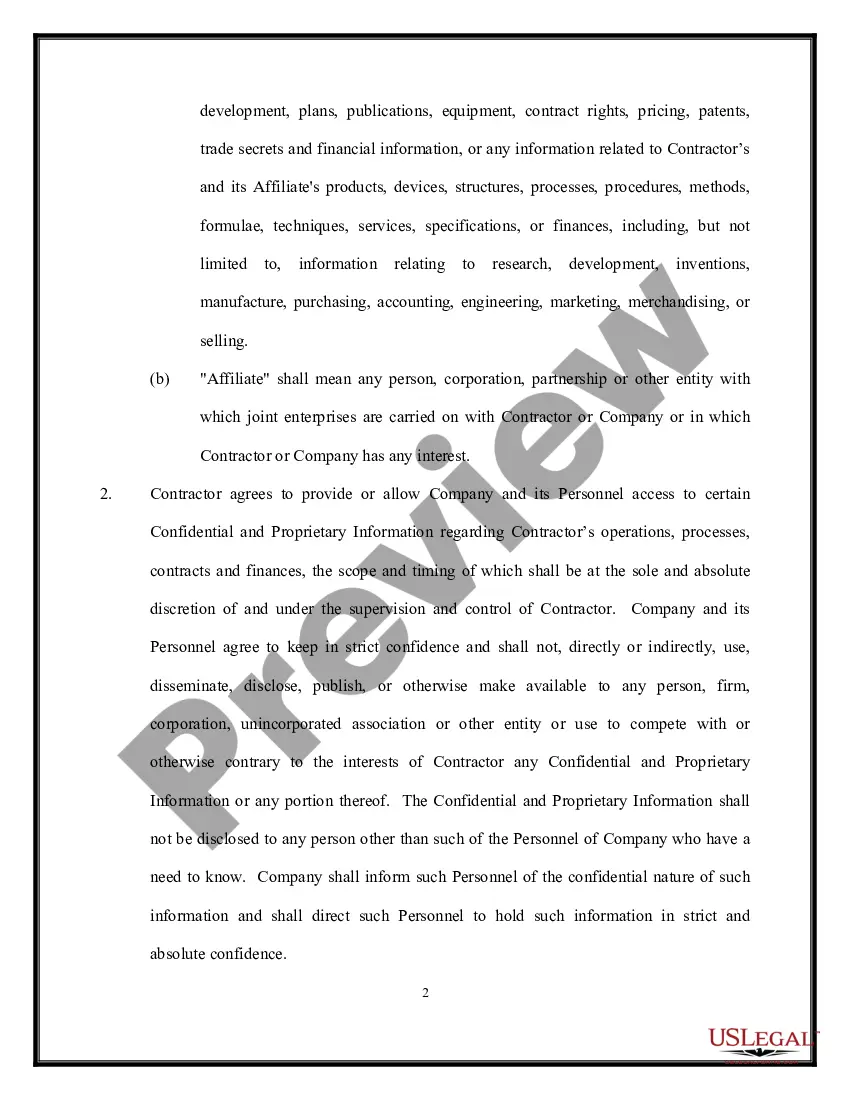
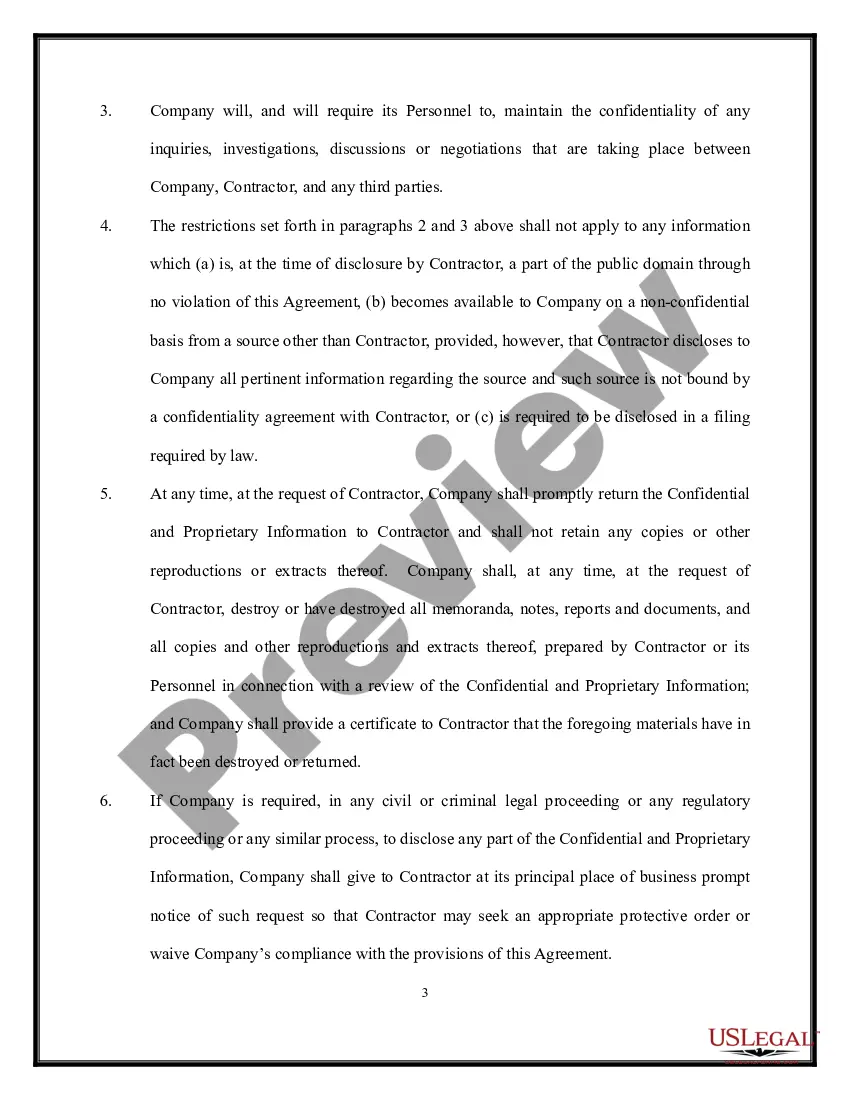
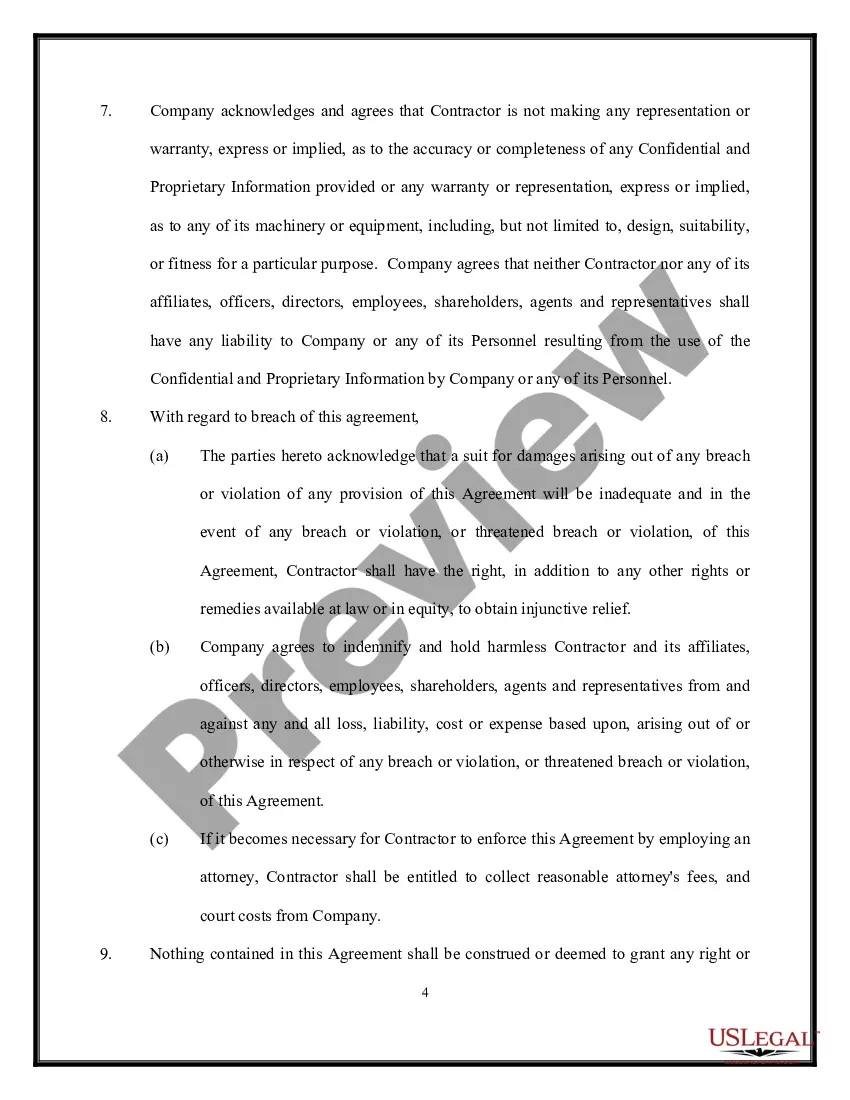
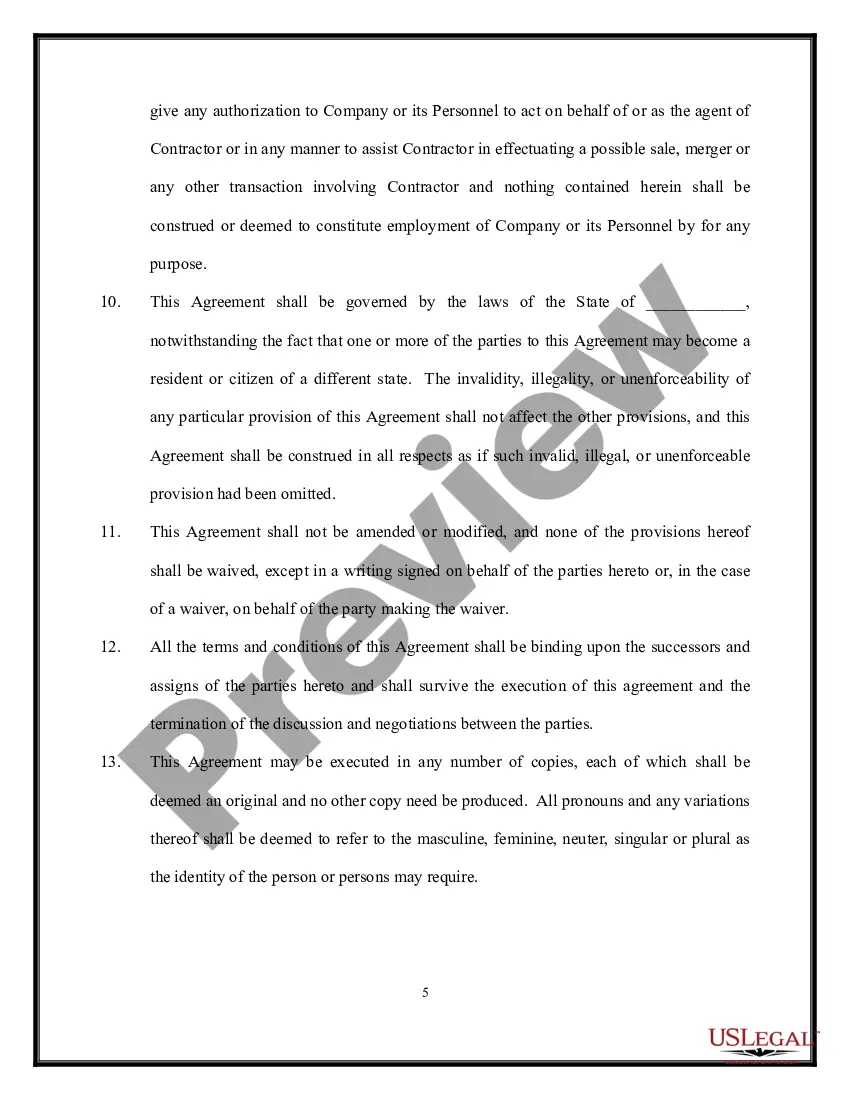
Get your form ready online
Our built-in tools help you complete, sign, share, and store your documents in one place.
Make edits, fill in missing information, and update formatting in US Legal Forms—just like you would in MS Word.
Download a copy, print it, send it by email, or mail it via USPS—whatever works best for your next step.
Sign and collect signatures with our SignNow integration. Send to multiple recipients, set reminders, and more. Go Premium to unlock E-Sign.
If this form requires notarization, complete it online through a secure video call—no need to meet a notary in person or wait for an appointment.
We protect your documents and personal data by following strict security and privacy standards.

Make edits, fill in missing information, and update formatting in US Legal Forms—just like you would in MS Word.

Download a copy, print it, send it by email, or mail it via USPS—whatever works best for your next step.

Sign and collect signatures with our SignNow integration. Send to multiple recipients, set reminders, and more. Go Premium to unlock E-Sign.

If this form requires notarization, complete it online through a secure video call—no need to meet a notary in person or wait for an appointment.

We protect your documents and personal data by following strict security and privacy standards.
Looking for another form?


Form popularity
FAQ
You do not need a lawyer to create and sign a non-disclosure agreement. However, if the information you are trying to protect is important enough to warrant an NDA, you may want to have the document reviewed by someone with legal expertise.
Whenever you believe you are going to enter a situation that will involve you disclosing proprietary information such as trade secrets, business strategy or yet-to-be-implemented ideas, you will want to have the receiving party sign a Non-Disclosure Agreement (NDA). Do this BEFORE any disclosure occurs.
Explain the Context: Start by explaining why you need the NDA. Be clear about the sensitive information involved and why it's important to keep it confidential. Be Honest and Transparent: Share your reasons for needing an NDA. Emphasize that it's not about distrust but about protecting both parties' interests.
To create a Non-Disclosure Agreement, include the following information: The parties' names and contact information. The length of the non-disclosure period. The scope and definition of the confidential information. The obligations of the Non-Disclosure Agreement. The ownership and return information.
I hereby undertake to treat as confidential all and any information that I receive while participating in the work of the Evaluator Panel and evaluating project proposals, to use this information solely for the purpose of evaluation of the proposals, not to disclose it to any third party and not to make it ...
Say this: "In the interest of maintaining good governance with future investors, we're asking that anyone closely involved with this project at this early stage sign an NDA."
NDA Purpose You might say something like, “to manufacture a prototype product for the disclosing party,” or “to evaluate the potential business relationship between the two parties.” The purpose is important because it indicates for what reason the recipient of the confidential info can use the information.
I agree that: a) I shall not share this information, material or documents (information) with persons within or outside of the ________ who are not authorized to have this information. b) I shall not publish such information. c) I shall not communicate such information without authority.
Typically, a legal professional writing the NDA will complete these steps: Step 1 - Describe the scope. Which information is considered confidential? ... Step 2 - Detail party obligations. Step 3 - Note potential exclusions. Step 4 - Set the term. Step 5 - Spell out consequences.
Besides naming all parties to the NDA, five essential elements every NDA should include are: Description Of The Confidential Information. Requirements And Obligations Of The Parties. Exclusions To The Confidentiality Agreement. Term Of The Non-Disclosure Agreement. Consequences Of Breach Of The NDA.
