Lis Pendens In Missouri In Middlesex
Description
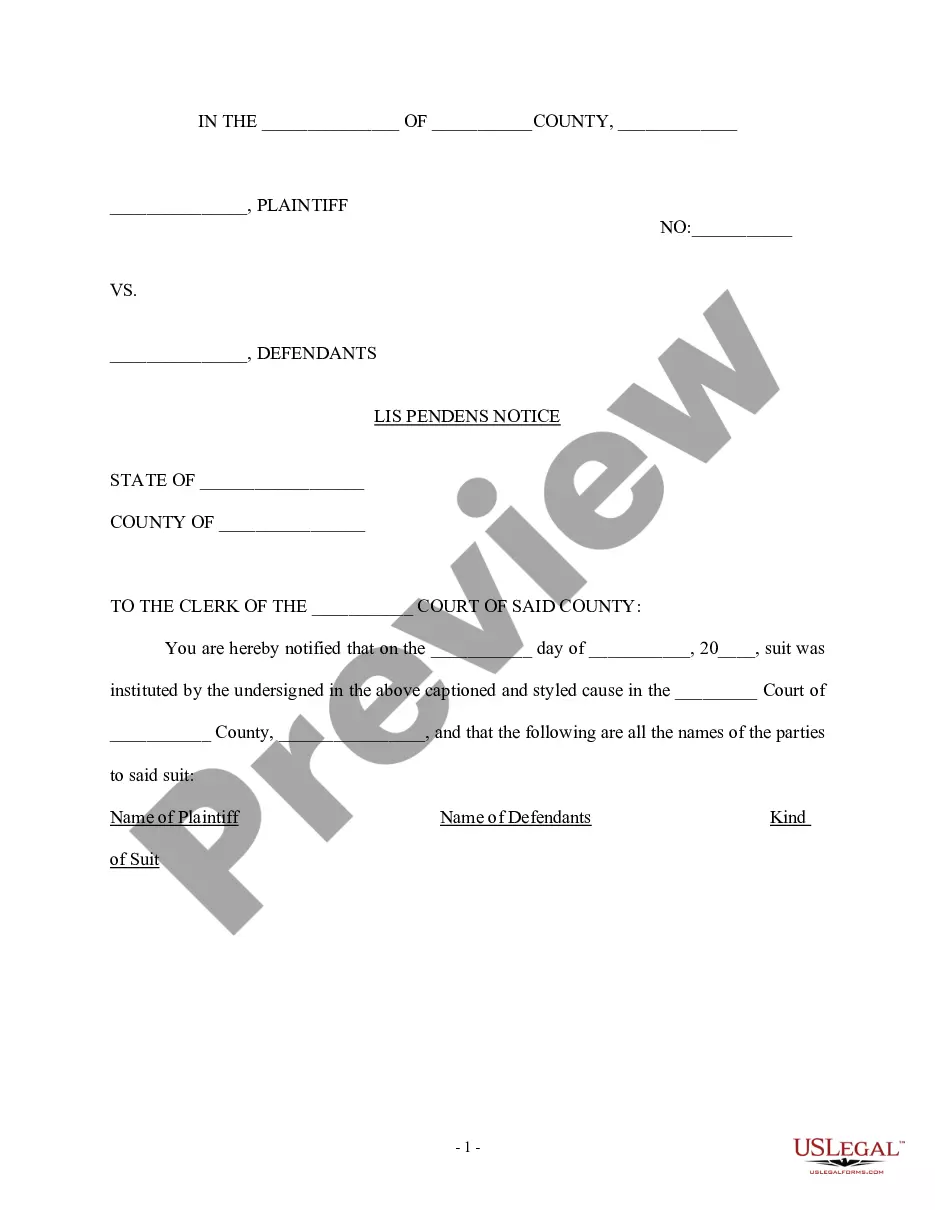

Get your form ready online
Our built-in tools help you complete, sign, share, and store your documents in one place.
Make edits, fill in missing information, and update formatting in US Legal Forms—just like you would in MS Word.
Download a copy, print it, send it by email, or mail it via USPS—whatever works best for your next step.
Sign and collect signatures with our SignNow integration. Send to multiple recipients, set reminders, and more. Go Premium to unlock E-Sign.
If this form requires notarization, complete it online through a secure video call—no need to meet a notary in person or wait for an appointment.
We protect your documents and personal data by following strict security and privacy standards.

Make edits, fill in missing information, and update formatting in US Legal Forms—just like you would in MS Word.

Download a copy, print it, send it by email, or mail it via USPS—whatever works best for your next step.

Sign and collect signatures with our SignNow integration. Send to multiple recipients, set reminders, and more. Go Premium to unlock E-Sign.

If this form requires notarization, complete it online through a secure video call—no need to meet a notary in person or wait for an appointment.

We protect your documents and personal data by following strict security and privacy standards.
Looking for another form?










Form popularity
FAQ
One option for removing a lis pendens in Missouri is resolving the underlying legal matter. Work with an attorney to negotiate with the party that filed the lis pendens notice to have the lawsuit dismissed, reach a settlement agreement or obtain a final judgment from the courts.
The Lis Pendens A lis pendens is a document that is filed in the public records that alerts the world that someone is asserting claim over the property. A lis pendens is not, by itself, a legal bar to purchasing the property—someone can still legally close on property with a lis pendens filed on it.
A lis pendens is an official, public notice that a property has a pending lawsuit or claim attached to it. Lis pendens can only be filed if a claim is related specifically to the property; however, most laws specify that the property owner must assume any litigation associated with it.
“Lis pendens doctrine” permits the dismissal of the later action filed when two or more lawsuits are pending. It is designed to protect a defendant from having to defend several suits on the same cause of action at the same time.
A lis pendens is also known as a “notice of pendency of legal action”, and it is a legal notice that is used in California to indicate that there is a pending lawsuit concerning a specific piece of real estate.
Lis pendens are used most often in cases of divorce and foreclosure. For example, if a divorcing couple cannot agree on how to divide their interest in the marital home, one spouse may file a lis pendens in order to keep the other spouse from trying to sell the house until the divorce is settled.
Lis pendens provides constructive notice, or a warning, to prospective homebuyers that the ownership of a property is in dispute and litigation is pending.
The Massachusetts lis pendens statute serves to protect the rights of the property owner as well. A memorandum of lis pendens associated with a parcel of real estate creates a “cloud on title” to the property, which can have harsh consequences.
Lis pendens is a formal notice that there is a pending action, or lawsuit, that could affect the title of the property. However, it serves an even bigger purpose. When a lis pendens is filed, any future transfers of the property are affected by the pending action if it were to be awarded.
Sign the lis pendens document in the presence of a notary. File the lis pendens with the courthouse in the county where the property is located. Serve a notice of the lis pendens on involved parties, such as the property owner, if required.

