Condominium Real Estate Definition In Minnesota
Description
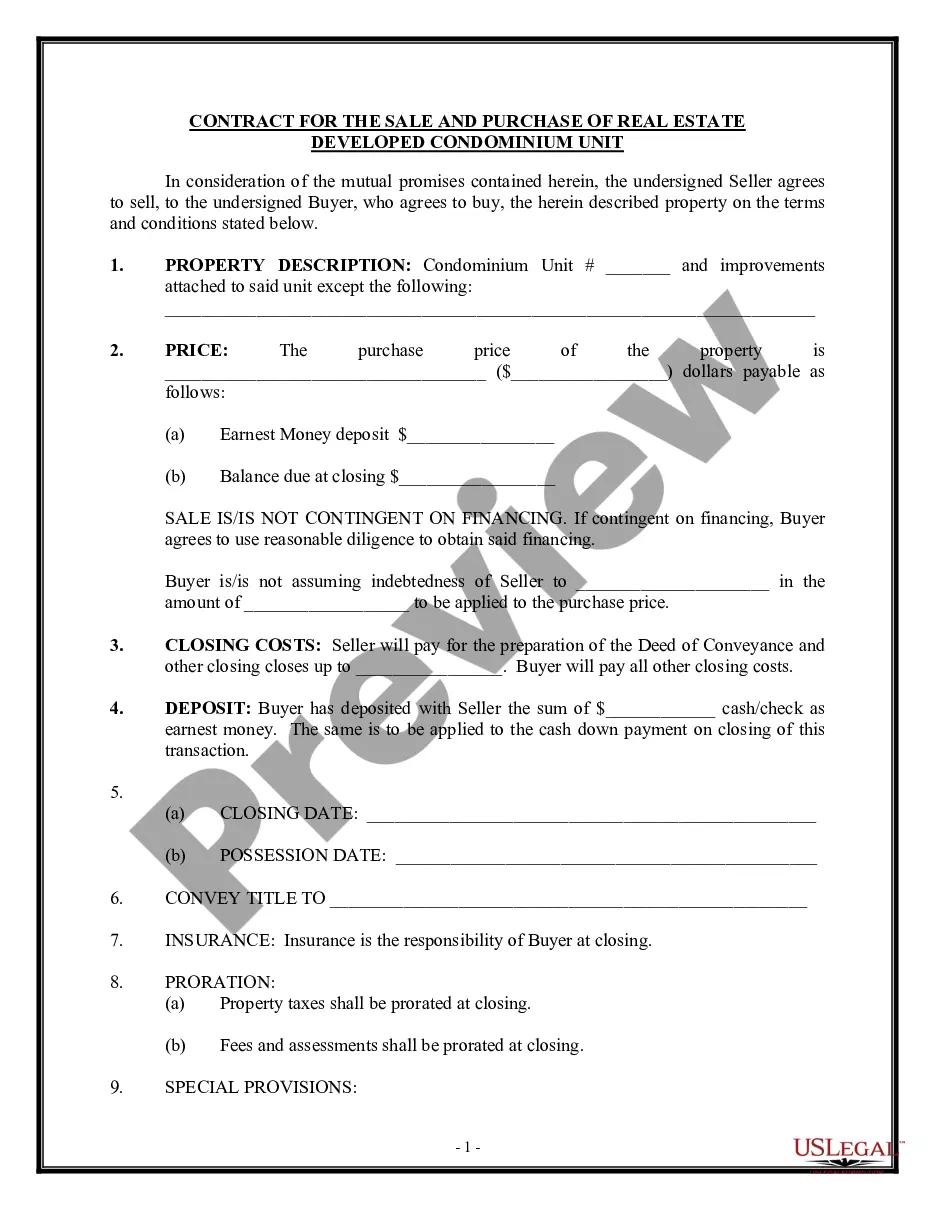
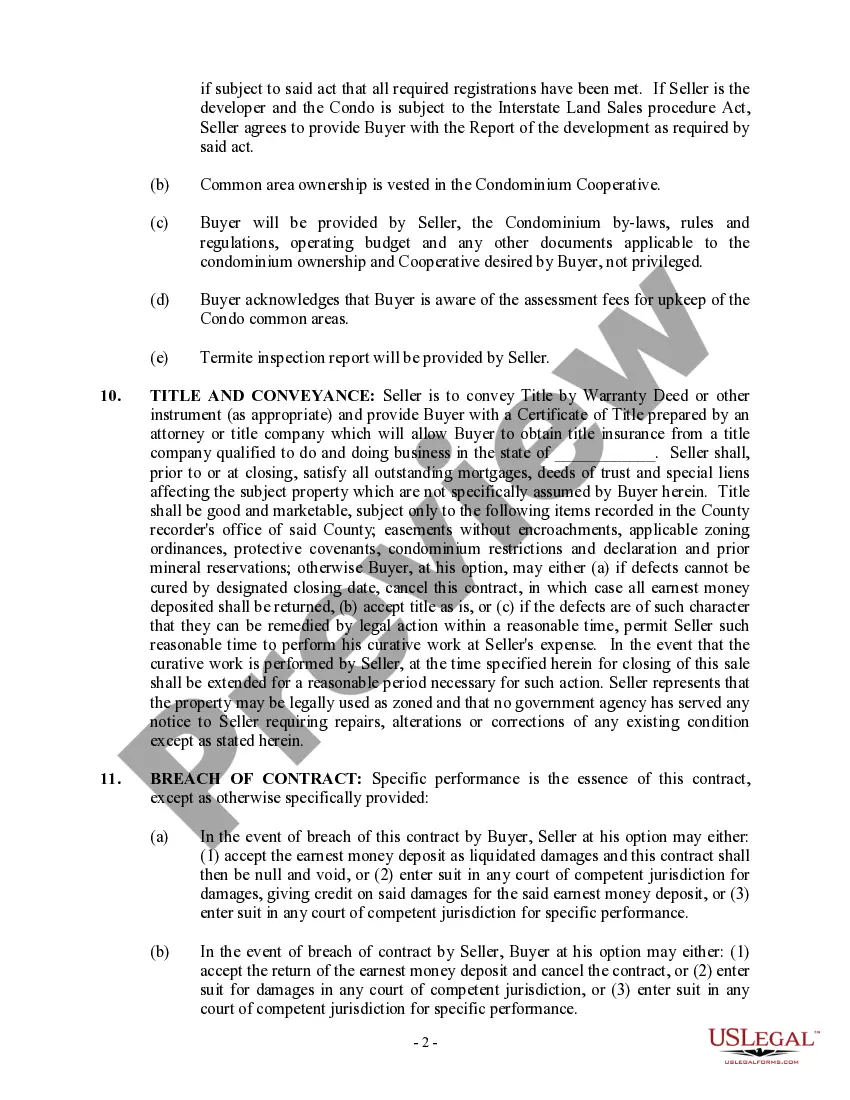
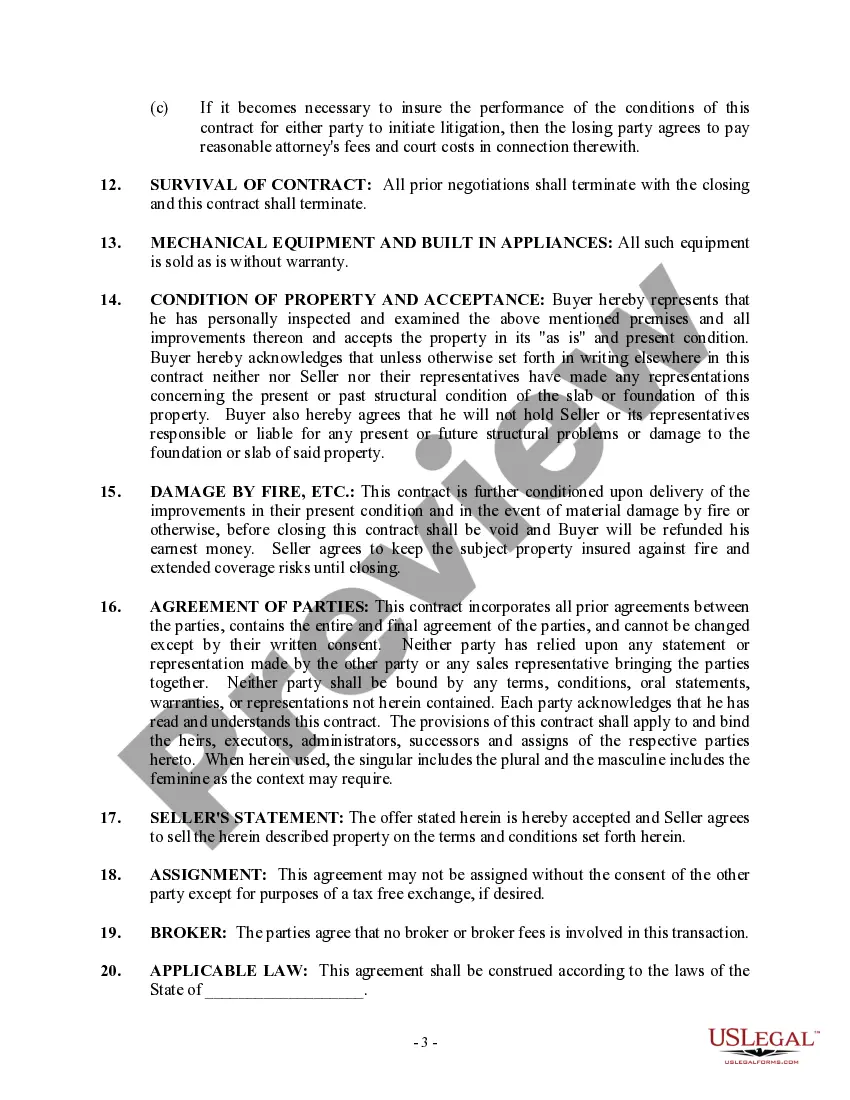
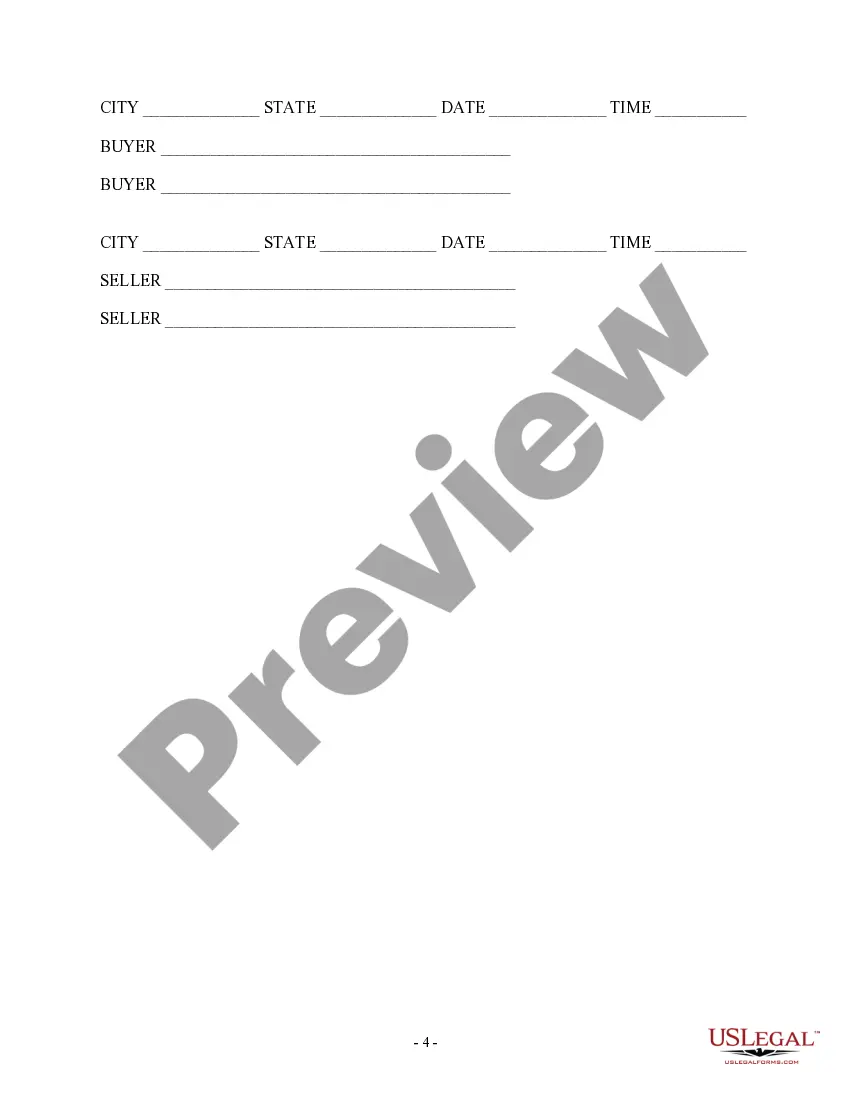
Get your form ready online
Our built-in tools help you complete, sign, share, and store your documents in one place.
Make edits, fill in missing information, and update formatting in US Legal Forms—just like you would in MS Word.
Download a copy, print it, send it by email, or mail it via USPS—whatever works best for your next step.
Sign and collect signatures with our SignNow integration. Send to multiple recipients, set reminders, and more. Go Premium to unlock E-Sign.
If this form requires notarization, complete it online through a secure video call—no need to meet a notary in person or wait for an appointment.
We protect your documents and personal data by following strict security and privacy standards.

Make edits, fill in missing information, and update formatting in US Legal Forms—just like you would in MS Word.

Download a copy, print it, send it by email, or mail it via USPS—whatever works best for your next step.

Sign and collect signatures with our SignNow integration. Send to multiple recipients, set reminders, and more. Go Premium to unlock E-Sign.

If this form requires notarization, complete it online through a secure video call—no need to meet a notary in person or wait for an appointment.

We protect your documents and personal data by following strict security and privacy standards.
Looking for another form?








Form popularity
FAQ
A Common Interest Community is a planned residential development that is comprised of single-family homes, townhouses, and/or iniums. The residences are individually owned, and the homeowner is required to insure and take care of the residential unit.
Real property is a broader term and includes the land itself and any buildings and other improvements attached to the land. It also encompasses the rights of use and enjoyment of certain land, as well as any of its improvements.
The Difference of a inium vs an Apartment Essentially, a condo is a type of housing that is individually owned, while an apartment is leased. This means that with a inium, you will be an owner of the unit, while with an apartment, you are only a tenant.
Lack of privacy: Condos share common areas, so you're going to have to regularly interact with your neighbors — a plus for some people, but a negative for others. Neighbors may also potentially hear each other through shared walls.
Maintenance, repair, and replacement of a limited common element is usually the responsibility of the association except to the extent the declaration shifts that duty to the unit owner.
Condo Associations are generally responsible for the maintenance and upkeep of common elements and limited common elements.
In inium Associations, individual unit owners jointly own an undivided share of the common elements. In simpler terms, if you live in a 100-unit inium building, each unit owner possesses a 1/100th share of all the common elements.
The Minnesota Common Interest Ownership Act, or MCIOA, governs the legal standing and obligations of townhome associations, primarily inium associations, created on or after June 1, 1994. Townhome associations created before this date must opt into the MCIOA.
Limited Common Elements "Hybrids" It is well settled that maintenance and repair of the unit is the responsibility of the unit owner while maintenance and repair of the general common elements falls upon the association. Limited common elements are frequently treated as hybrids.
Standard examples are the Canton and Enderbury Islands (a British–American inium from 1939 to 1979), the New Hebrides (a French–British inium from 1906 to 1980), the Samoan Islands (a German-British-American inium from 1889 to 1899), Sudan (a British–Egyptian inium to 1956), and Togoland (a ...
