Condominium Meaning In Real Estate In Kings
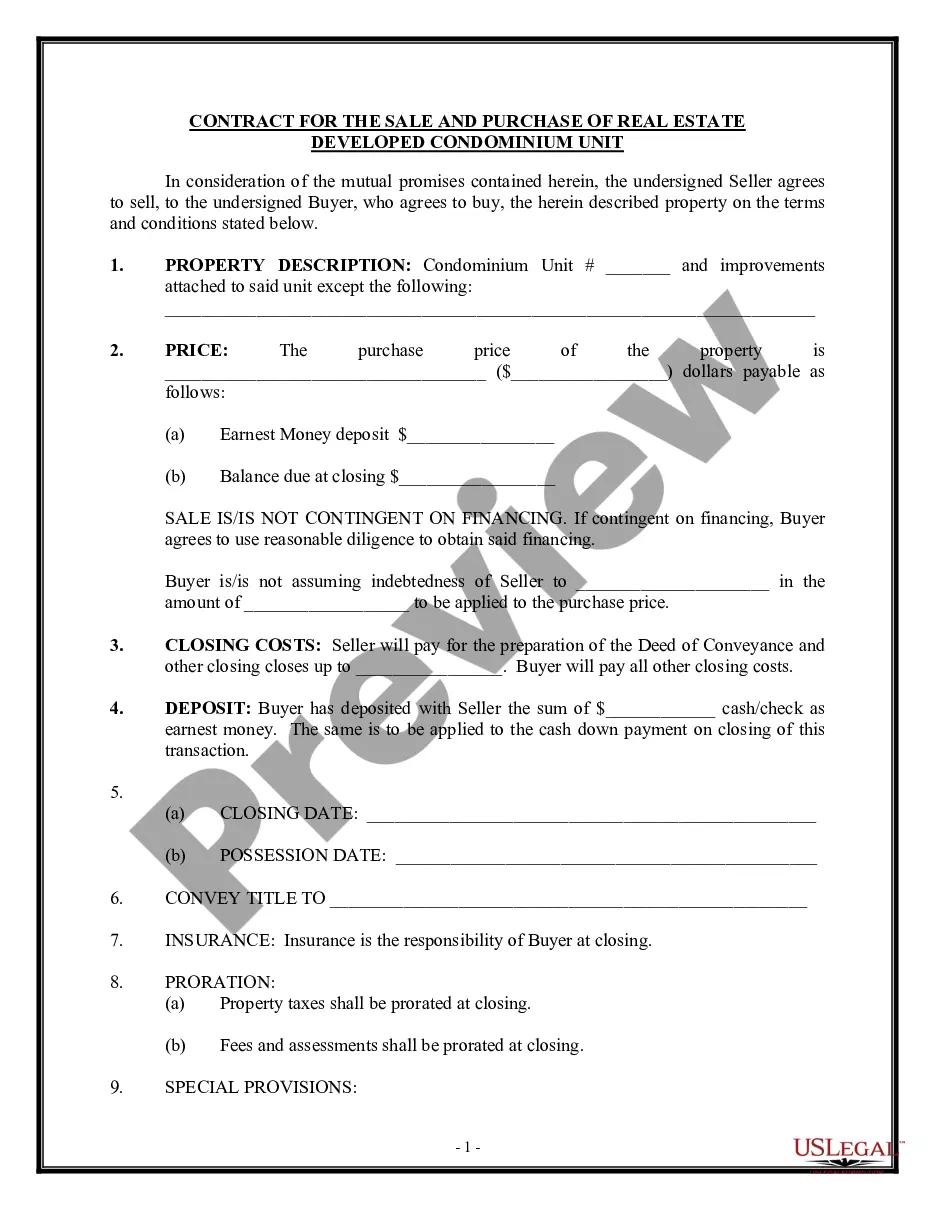
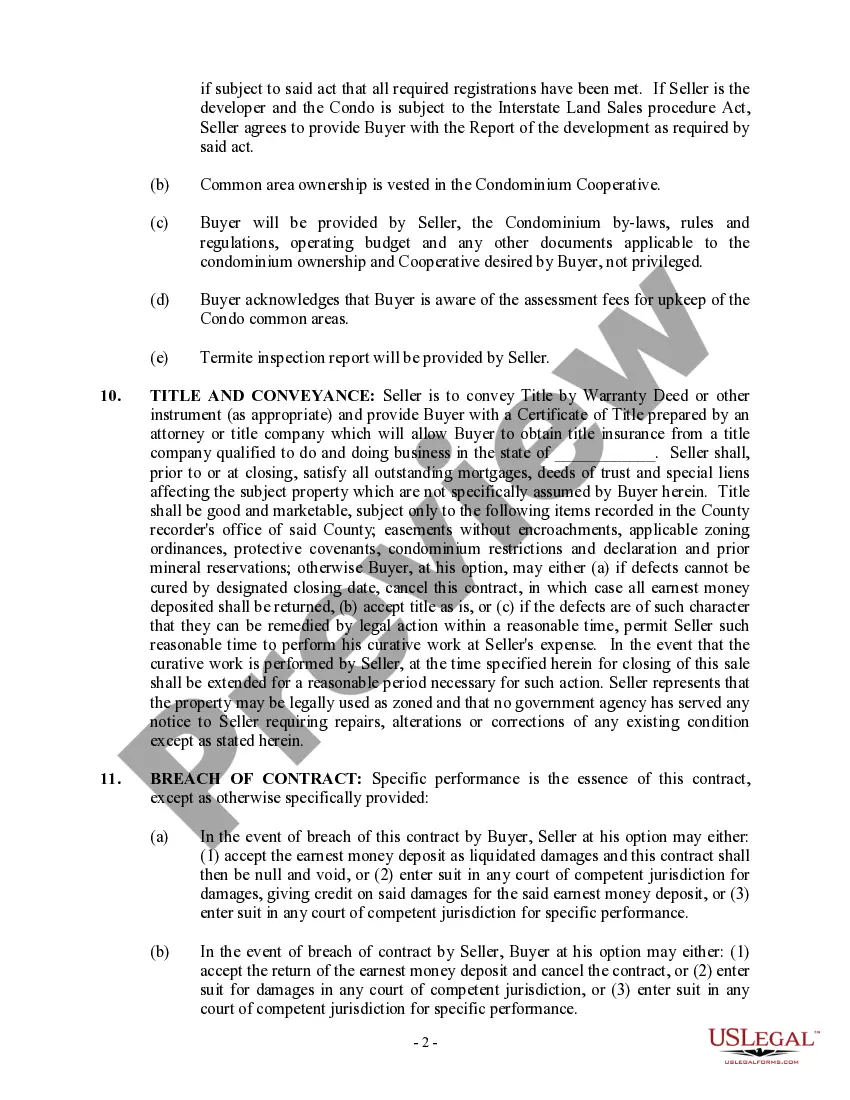
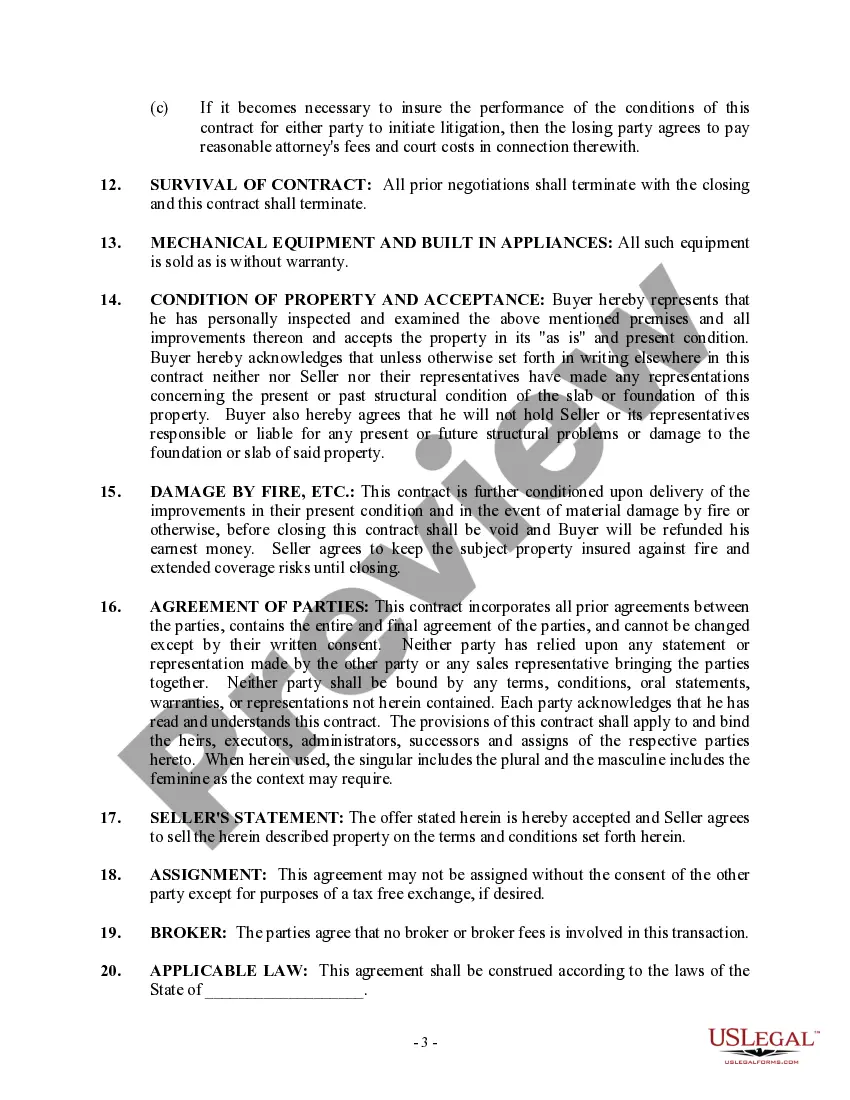
Description
Get your form ready online
Our built-in tools help you complete, sign, share, and store your documents in one place.
Make edits, fill in missing information, and update formatting in US Legal Forms—just like you would in MS Word.
Download a copy, print it, send it by email, or mail it via USPS—whatever works best for your next step.
Sign and collect signatures with our SignNow integration. Send to multiple recipients, set reminders, and more. Go Premium to unlock E-Sign.
If this form requires notarization, complete it online through a secure video call—no need to meet a notary in person or wait for an appointment.
We protect your documents and personal data by following strict security and privacy standards.

Make edits, fill in missing information, and update formatting in US Legal Forms—just like you would in MS Word.

Download a copy, print it, send it by email, or mail it via USPS—whatever works best for your next step.

Sign and collect signatures with our SignNow integration. Send to multiple recipients, set reminders, and more. Go Premium to unlock E-Sign.

If this form requires notarization, complete it online through a secure video call—no need to meet a notary in person or wait for an appointment.

We protect your documents and personal data by following strict security and privacy standards.
Looking for another form?









Form popularity
FAQ
"Owning:" Why Condo Owners Don't Own the Land. One of the main differences between buying a house versus buying a condo is that condo owners are not landowners. A condo owner is purchasing an "interest" in the condo association that runs the day-to-day operations of the building, similar to a homeowners association.
Inium is a Latin word that means "Owning property together." That's what it is like when someone buys a condo unit. They have an "interest" in the land beneath the building, but the building's association owns the actual land.
A inium (or condo for short) is an ownership regime in which a building (or group of buildings) is divided into multiple units that are either each separately owned, or owned in common with exclusive rights of occupation by individual owners.
An example of a condo is a large apartment building where you own your individual apartment but also share in the maintenance of the building's roof, hallways, lobby, elevators, driveway, landscaping, pools, fitness center, and other amenities.
Etymology. inium is an invented Latin word formed by adding the prefix con- 'together' to the word dominium 'dominion, ownership'. Its meaning is, therefore, 'joint dominion' or 'co-ownership'.
If a building "goes inium" it changes from having rented apartments to having owned apartments.
For example, a garden inium complex consists of low-rise buildings built with landscaped grounds surrounding them. A townhouse inium complex consists of multi-floor semi-detached homes.
An apartment building in which each apartment is owned separately by the people living in it, but also containing shared areas.
A inium is a territorial entity in or over which two or more sovereign powers simultaneously exercise sovereignty rights ing to formally agreed procedures.
The ownership structure is as follows: The UK equivalent of a inium is a commonhold property, with common areas and freehold areas (private areas). And flats in this case are owned by unit-holders.
