Condominium Real Estate Definition In Harris
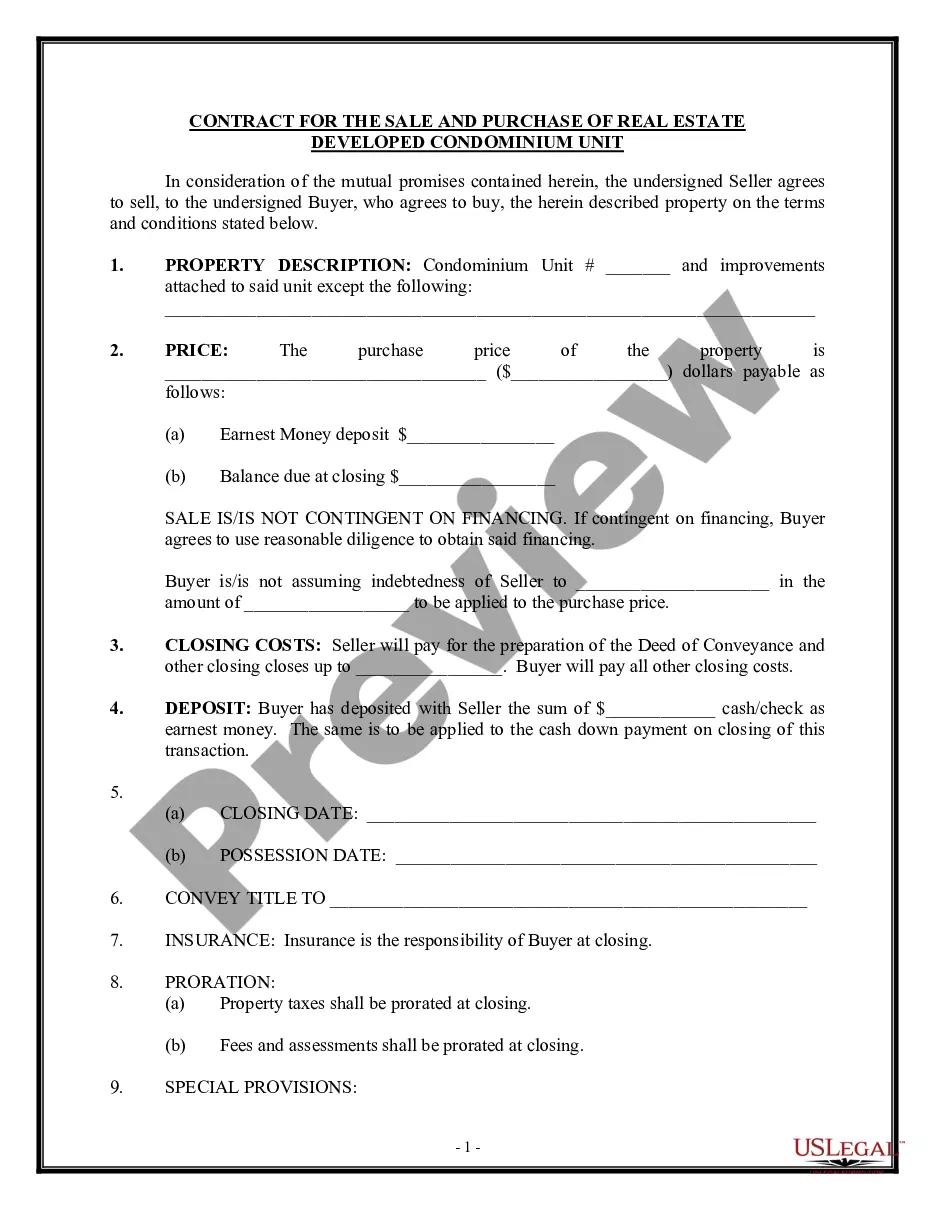
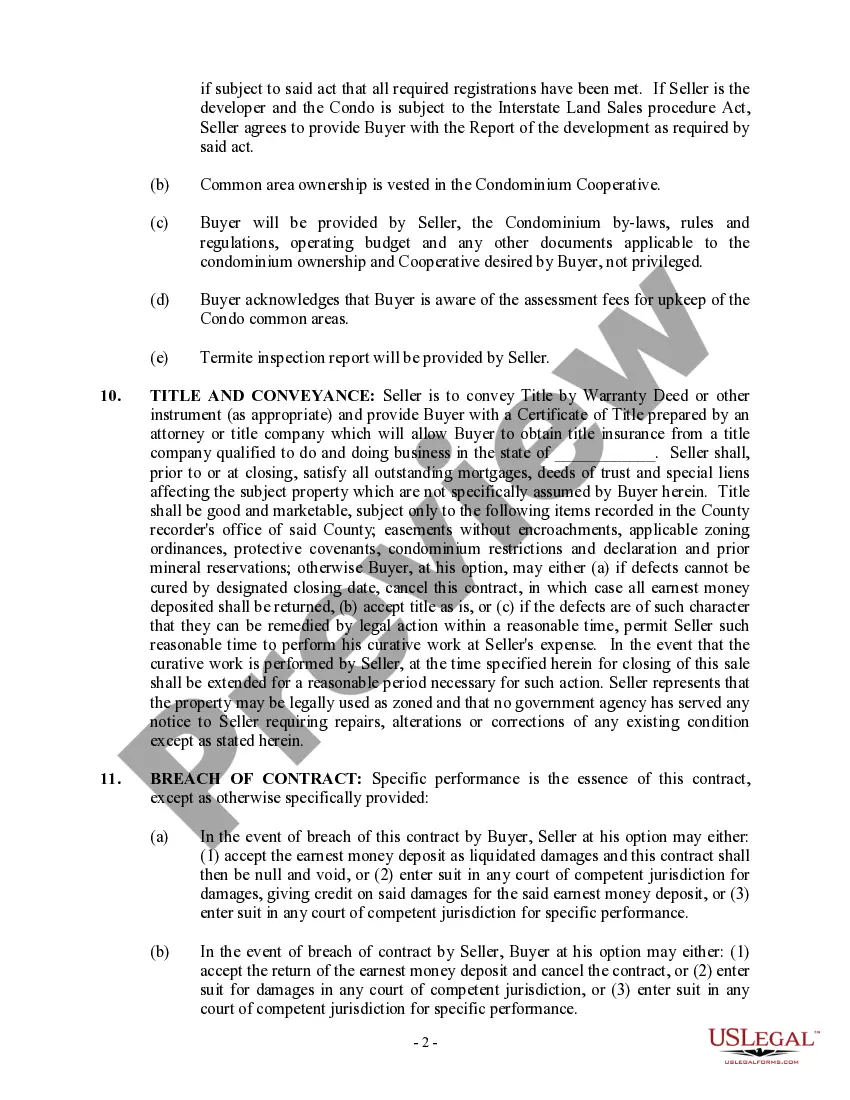
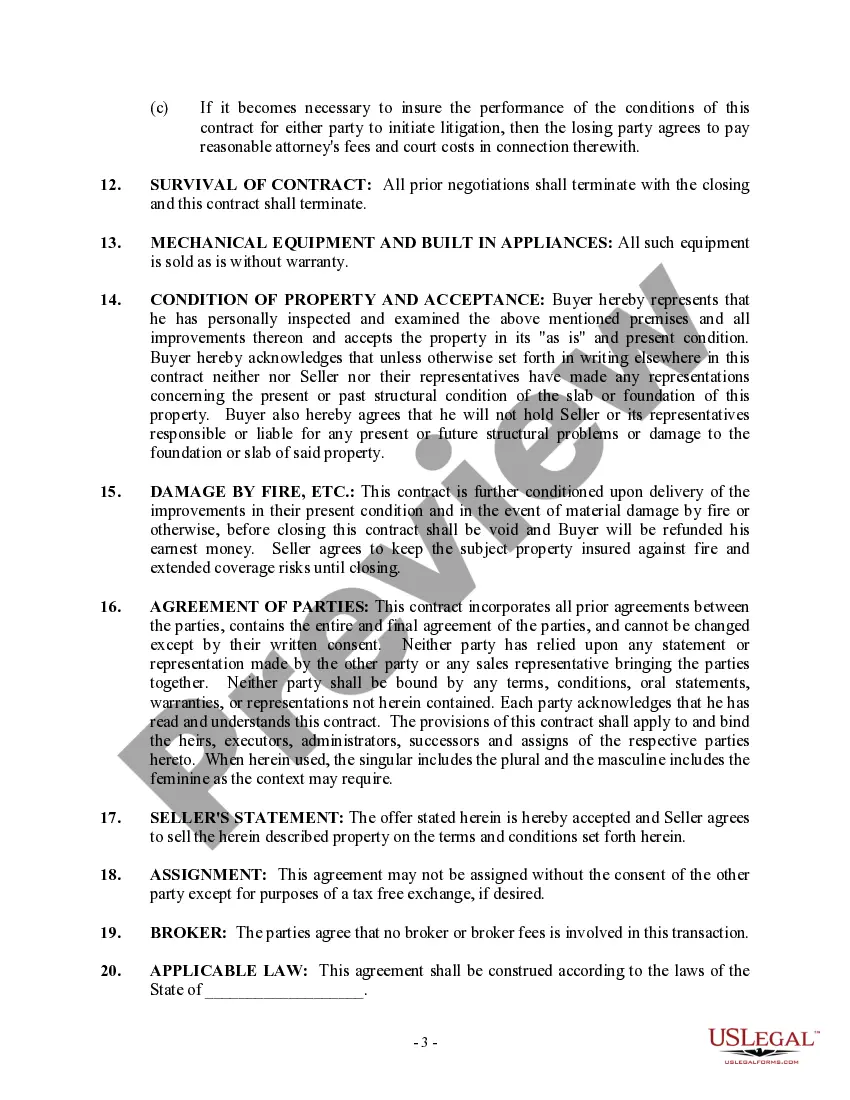
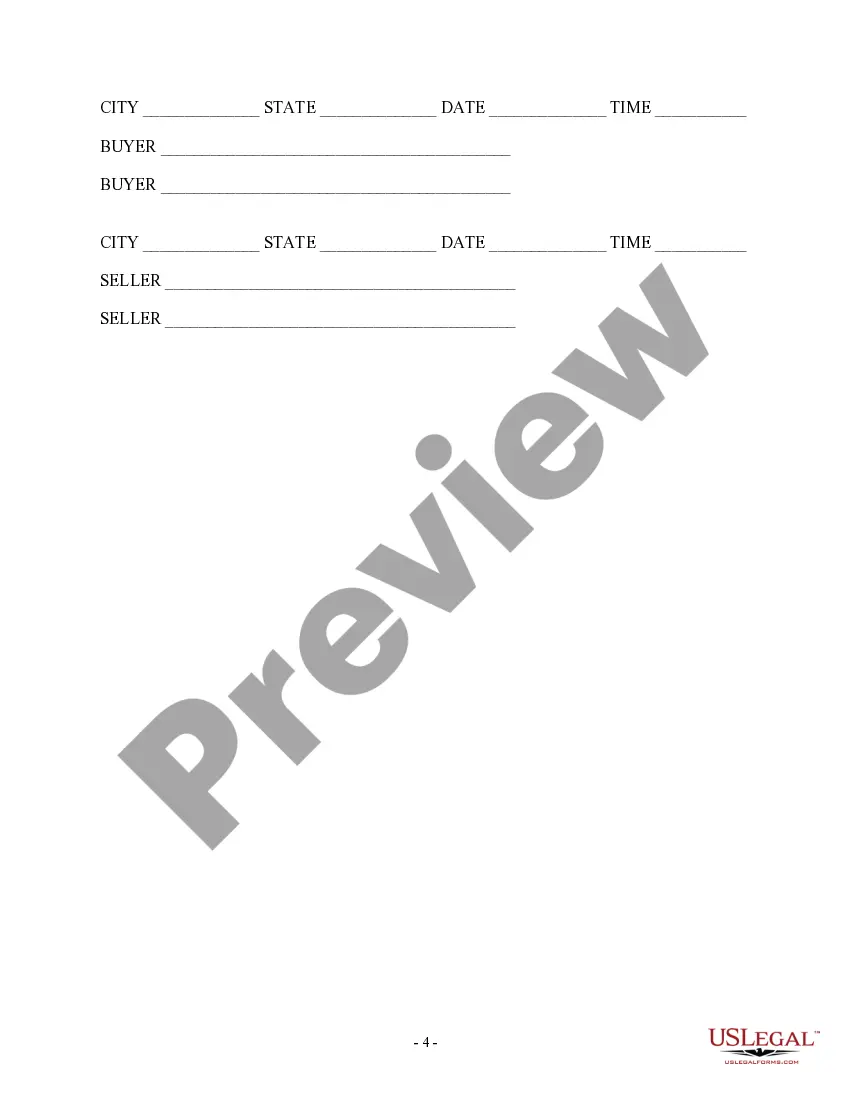
Description
Get your form ready online
Our built-in tools help you complete, sign, share, and store your documents in one place.
Make edits, fill in missing information, and update formatting in US Legal Forms—just like you would in MS Word.
Download a copy, print it, send it by email, or mail it via USPS—whatever works best for your next step.
Sign and collect signatures with our SignNow integration. Send to multiple recipients, set reminders, and more. Go Premium to unlock E-Sign.
If this form requires notarization, complete it online through a secure video call—no need to meet a notary in person or wait for an appointment.
We protect your documents and personal data by following strict security and privacy standards.

Make edits, fill in missing information, and update formatting in US Legal Forms—just like you would in MS Word.

Download a copy, print it, send it by email, or mail it via USPS—whatever works best for your next step.

Sign and collect signatures with our SignNow integration. Send to multiple recipients, set reminders, and more. Go Premium to unlock E-Sign.

If this form requires notarization, complete it online through a secure video call—no need to meet a notary in person or wait for an appointment.

We protect your documents and personal data by following strict security and privacy standards.
Looking for another form?








Form popularity
FAQ
INIUM UNIT Generally, livable area is defined as length multiplied by width of interior walls, excluding exterior balconies and storage areas which are not within the unit. An adjustment up to 30 cm (one foot) may be added to the interior dimension to account for thickness of exterior walls.
A inium (or condo for short) is an ownership regime in which a building (or group of buildings) is divided into multiple units that are either each separately owned, or owned in common with exclusive rights of occupation by individual owners.
Kitchen appliances within the units are not considered part of the common elements of a inium project since they are typically owned and maintained by individual unit owners. Swimming pools and greenbelt areas are examples of common elements as they are shared facilities within the inium project.
The measure used to determine a condo owner's share of inium contributions (fees) and voting rights. Typically, unit factor is proportional to the size of the owner's inium unit.
A inium Information Statement (CIS) is the packet of documents provided to buyers purchasing a condo unit that is newly constructed or recently converted from a different use.
Condo financial statements assist in making sure the inium Corporation is prepared appropriately for the future. It's used by a variety of stakeholders to understand the financial health of the inium corporation.
A inium is type of living residence within a multi-unit complex where each unit is individually owned. iniums are commonly called condos, for short. The origin of the term 'inium' comes from Latin meaning "joint rule."
For example, a garden inium complex consists of low-rise buildings built with landscaped grounds surrounding them. A townhouse inium complex consists of multi-floor semi-detached homes.
A inium (or condo for short) is an ownership regime in which a building (or group of buildings) is divided into multiple units that are either each separately owned, or owned in common with exclusive rights of occupation by individual owners.
House Bill 614 is a significant step towards a more balanced and equitable relationship between HOAs and homeowners in Texas. By clearly outlining fining procedures and ensuring your right to due process, this HOA law empowers you to navigate your HOA community with confidence.
