Roommate Form Agreement With Boyfriend In Wake
Description

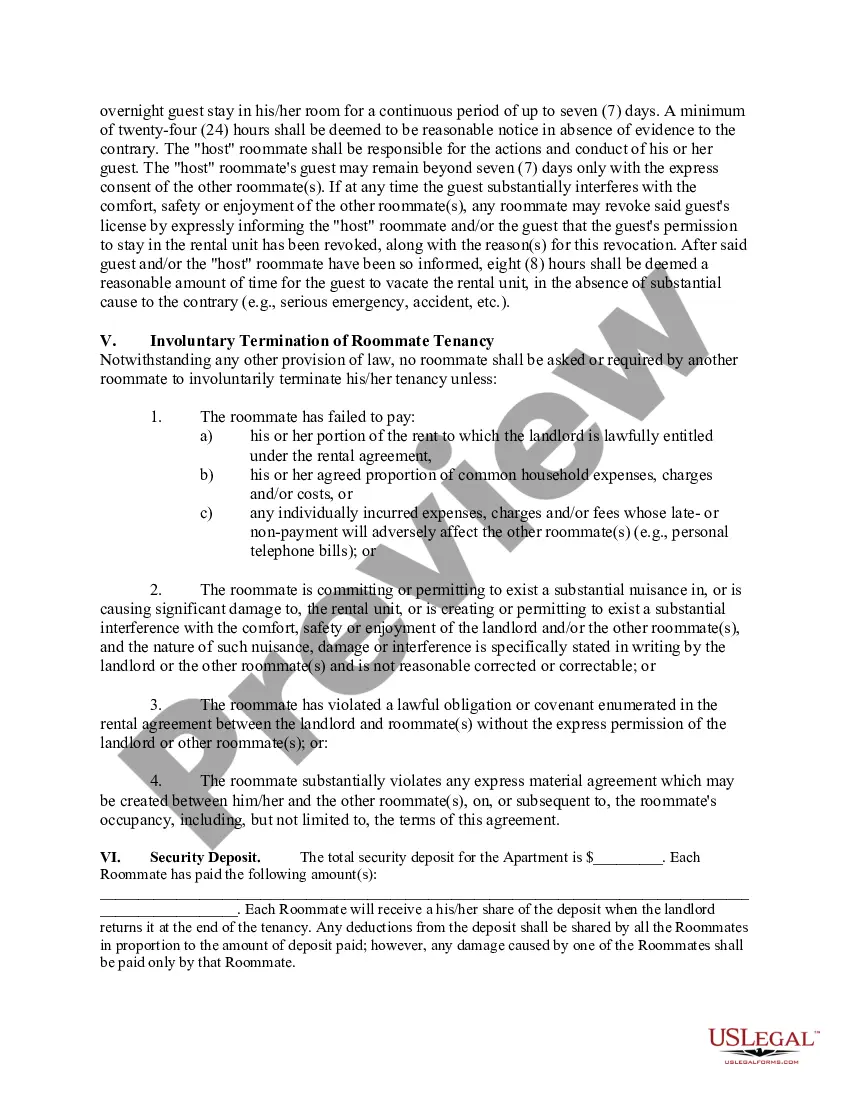
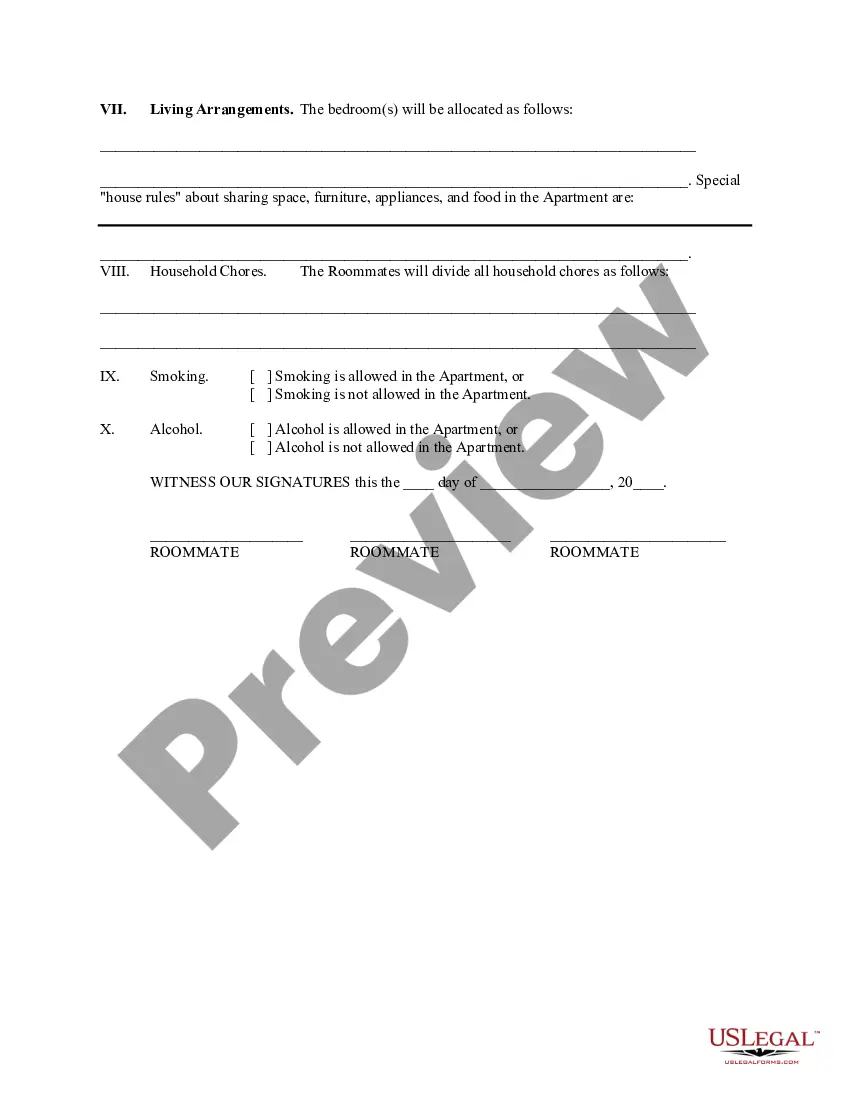
Get your form ready online
Our built-in tools help you complete, sign, share, and store your documents in one place.
Make edits, fill in missing information, and update formatting in US Legal Forms—just like you would in MS Word.
Download a copy, print it, send it by email, or mail it via USPS—whatever works best for your next step.
Sign and collect signatures with our SignNow integration. Send to multiple recipients, set reminders, and more. Go Premium to unlock E-Sign.
If this form requires notarization, complete it online through a secure video call—no need to meet a notary in person or wait for an appointment.
We protect your documents and personal data by following strict security and privacy standards.

Make edits, fill in missing information, and update formatting in US Legal Forms—just like you would in MS Word.

Download a copy, print it, send it by email, or mail it via USPS—whatever works best for your next step.

Sign and collect signatures with our SignNow integration. Send to multiple recipients, set reminders, and more. Go Premium to unlock E-Sign.

If this form requires notarization, complete it online through a secure video call—no need to meet a notary in person or wait for an appointment.

We protect your documents and personal data by following strict security and privacy standards.
Looking for another form?





Form popularity
FAQ
What do I include in a Roommate Agreement? Information about the property, roommates, and original lease. Term or length of the agreement. Rent responsibilities. Security deposit details. Responsibilities for utilities and household costs. House rules, roommate duties, and restrictions. Rules for termination of tenancy.
Steps File for an eviction in extreme circumstances. Figure out who is on the lease. Look into your state's eviction process. Send your roommate an eviction notice. File a petition for eviction at your local court. Go to court if your roommate doesn't move out.
How to write a roommate agreement Names of both tenants. The property address. The dates the lease begins and ends. The amount of rent each person pays. Who pays for utilities. Who pays the security deposit. Which bedroom each person occupies. Who buys food, or if you're each buying your own food.
Name: Print the name of each roommate listed on the lease. Eligibility Status: Circle the status that makes each person eligible for the apartment. Departure Date, if leaving: For the person leaving, list a date that the person will be moving out of the apartment.
You probably don't expect to sue your roommate someday. Yet, it does happen. An agreement creates expectations to keep the living arrangement fair. They also provide protection and peace of mind because they are legally binding.
Overnight guest rule One solution could be to implement an 'overnight guests rule'. This basically means your roommate's partner can stay over as many nights a week as your roommate stays at theirs – meaning the maximum number of nights they can have their partner stay in a week is three.
Do Not Use Each Other's Things Without Asking. Not using each other's things without asking is one of the more obvious roommate rules. While some people are more casual about sharing, others are not. You have to learn what kind of person your roommate is and then act ingly.
There's no hard and fast rule about how often a roommate should have a guest. It's really dependent on what your needs are, and how often you're willing to put up with an extra human in your space. Perhaps weekends are fine, but you prefer not to have a disturbance on work or school nights.
Talk to Your Roommate: Approach your roommate calmly and express your concerns. Let them know that you're uncomfortable with their guests entering your space without permission. Set Clear Boundaries: Discuss and establish clear boundaries regarding guests in shared living spaces, including your room.
Gottsman believes a weekend is usually a sufficient amount of time for a nice visit. Anything more than three days can be a challenge, particularly if guests aren't being helpful by cleaning up after themselves, offering to make dinner, or going on a grocery run.
