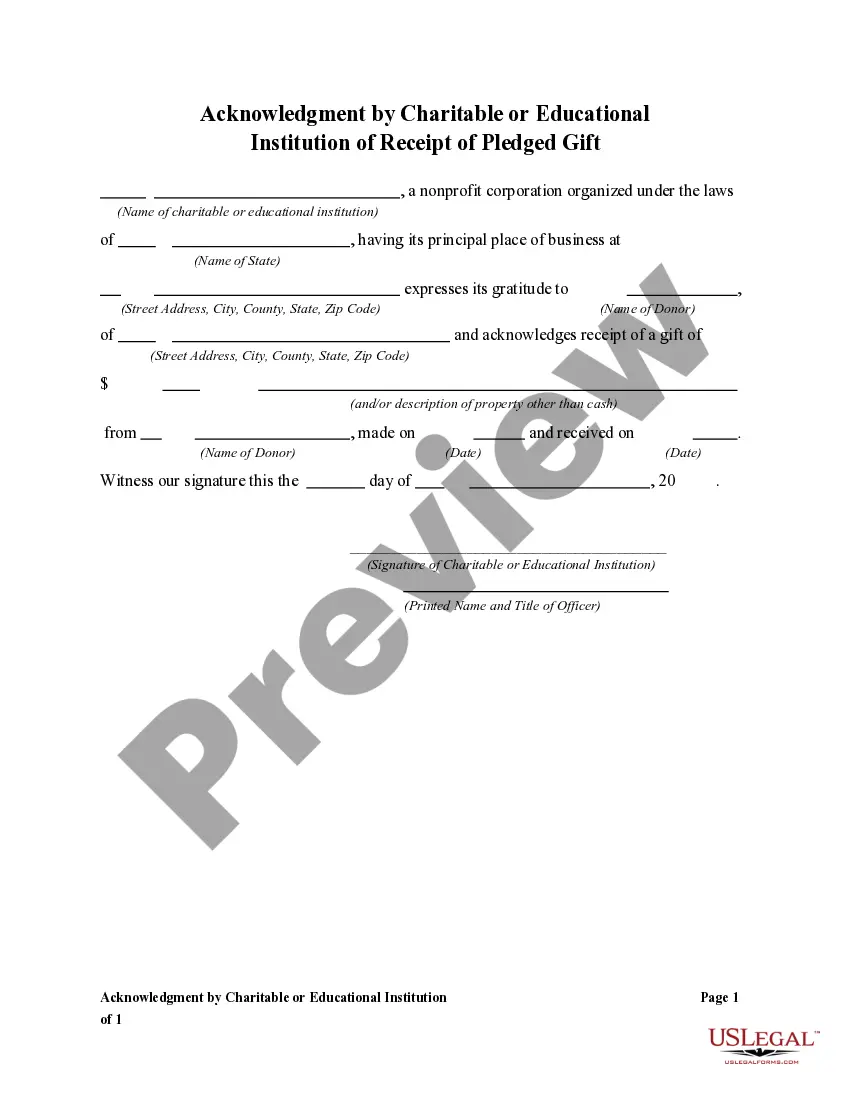
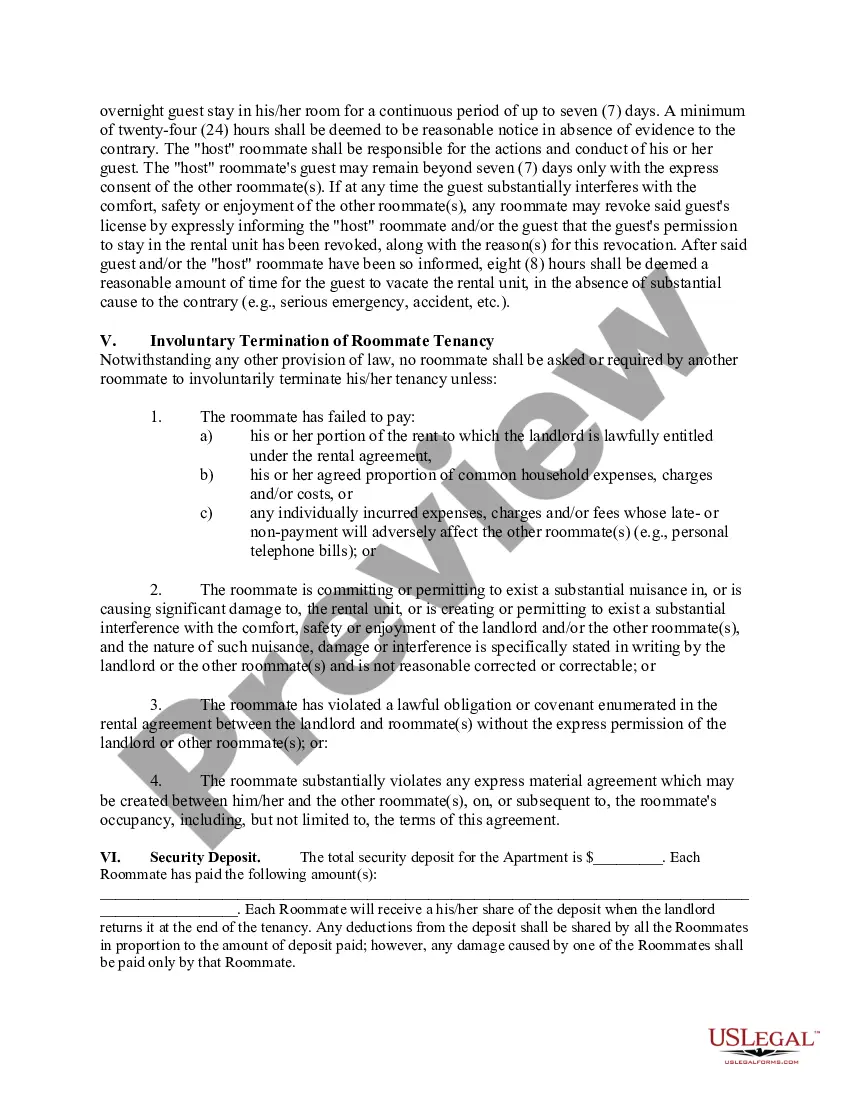
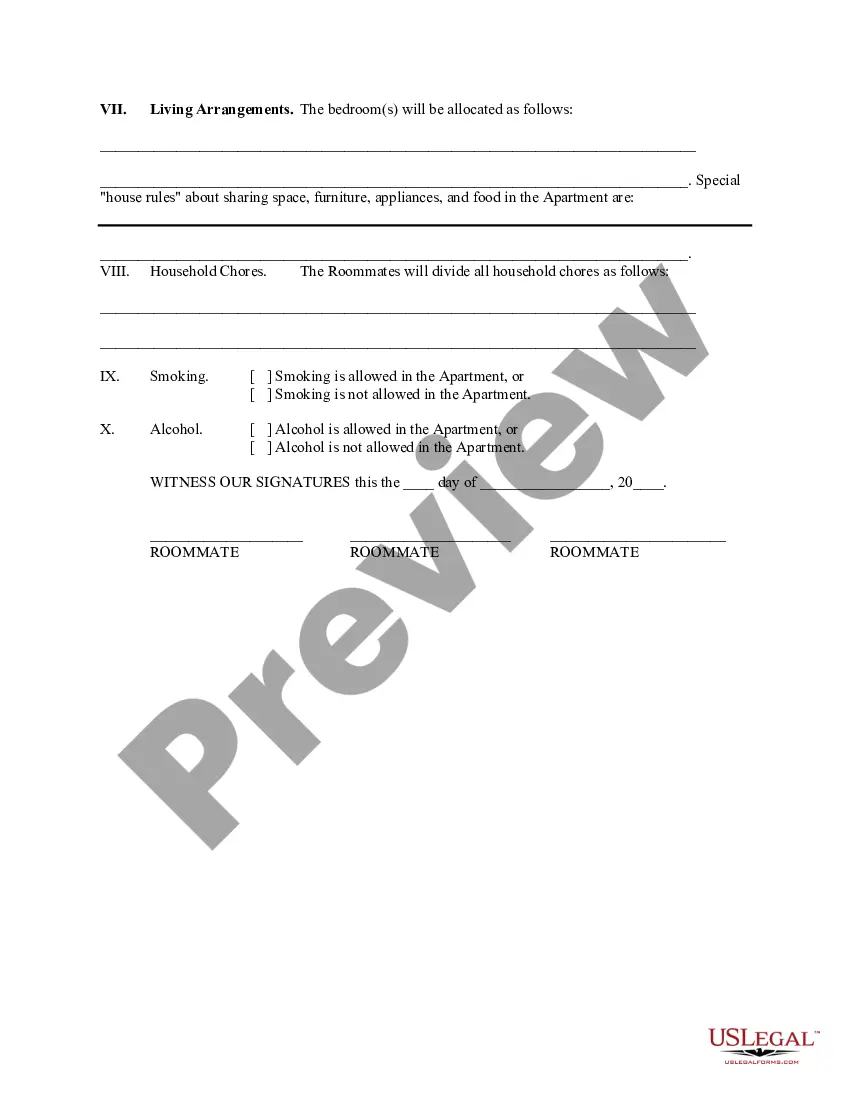
Sample Roommate Agreement With Pets In Suffolk
Description

Get your form ready online
Our built-in tools help you complete, sign, share, and store your documents in one place.
Make edits, fill in missing information, and update formatting in US Legal Forms—just like you would in MS Word.
Download a copy, print it, send it by email, or mail it via USPS—whatever works best for your next step.
Sign and collect signatures with our SignNow integration. Send to multiple recipients, set reminders, and more. Go Premium to unlock E-Sign.
If this form requires notarization, complete it online through a secure video call—no need to meet a notary in person or wait for an appointment.
We protect your documents and personal data by following strict security and privacy standards.

Make edits, fill in missing information, and update formatting in US Legal Forms—just like you would in MS Word.

Download a copy, print it, send it by email, or mail it via USPS—whatever works best for your next step.

Sign and collect signatures with our SignNow integration. Send to multiple recipients, set reminders, and more. Go Premium to unlock E-Sign.

If this form requires notarization, complete it online through a secure video call—no need to meet a notary in person or wait for an appointment.

We protect your documents and personal data by following strict security and privacy standards.
Looking for another form?









Form popularity
FAQ
Anyone named on the tenancy agreement is a tenant under the Residential Tenancy Act; roommates who are not named on the tenancy agreement are generally only occupants. Tenants have rights against and obligations to the landlord that occupants do not have.
An “occupant/roommate” is someone who rents from another tenant with whom they live – not the landlord. Occupants/roommates are not protected by the RTA and cannot access the RTB's services. Legal disputes between roommates can be resolved through the Civil Resolution Tribunal.
A tenant is an individual who has signed a lease agreement and is legally responsible for rent and property maintenance. On the other hand, an occupant lives in the property without being part of the lease agreement and does not have the same financial obligations or legal rights as a tenant.
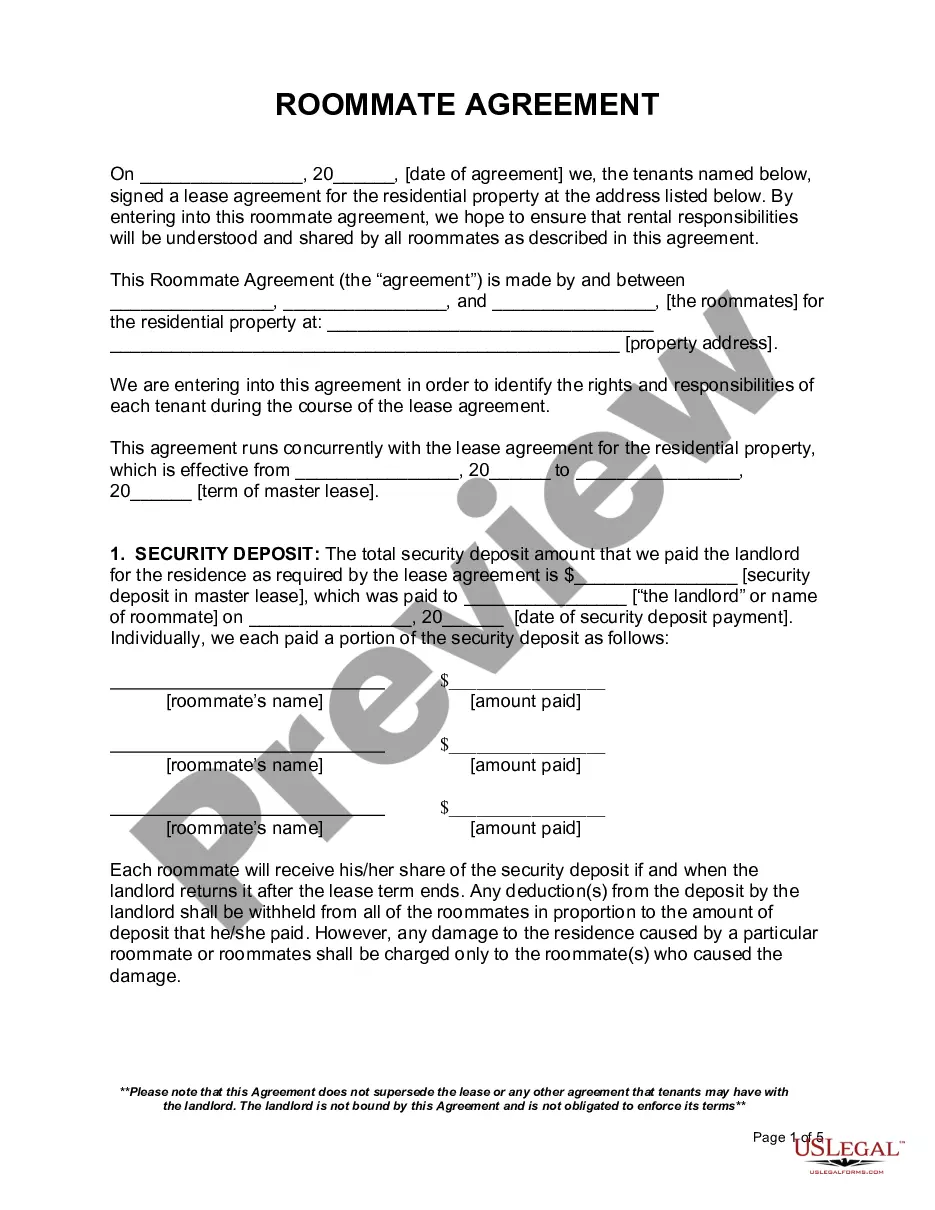
A Washington roommate agreement is a document that outlines the rules and responsibilities of a group of people who have agreed to live in one unit or premises. All roommates must read and agree to the information in the document and each roommate must provide their signature to the agreement.
Even if a landlord doesn't prepare one, the standard terms of a tenancy agreement still apply. Paying a security deposit establishes a tenancy, even if there is no written tenancy agreement and if the tenant never moves in.
How to write a roommate agreement Names of both tenants. The property address. The dates the lease begins and ends. The amount of rent each person pays. Who pays for utilities. Who pays the security deposit. Which bedroom each person occupies. Who buys food, or if you're each buying your own food.
An “occupant/roommate” is a person who rents from a tenant with whom they live, rather than the landlord, and is therefore not covered under the Residential Tenancy Act. This type of living situation is common in shared houses where a “head-tenant” rents out bedrooms to roommates.
Any roommate who is named as a tenant in the tenancy agreement is presumptively a tenant with rights and obligations under the Act; whether any roommate is a tenant or not is ultimately a legal determination that can only be made by a Residential Tenancy Branch arbitrator who will weigh the factors in favour and ...