Roommate Agreement Rules In Ohio
Description

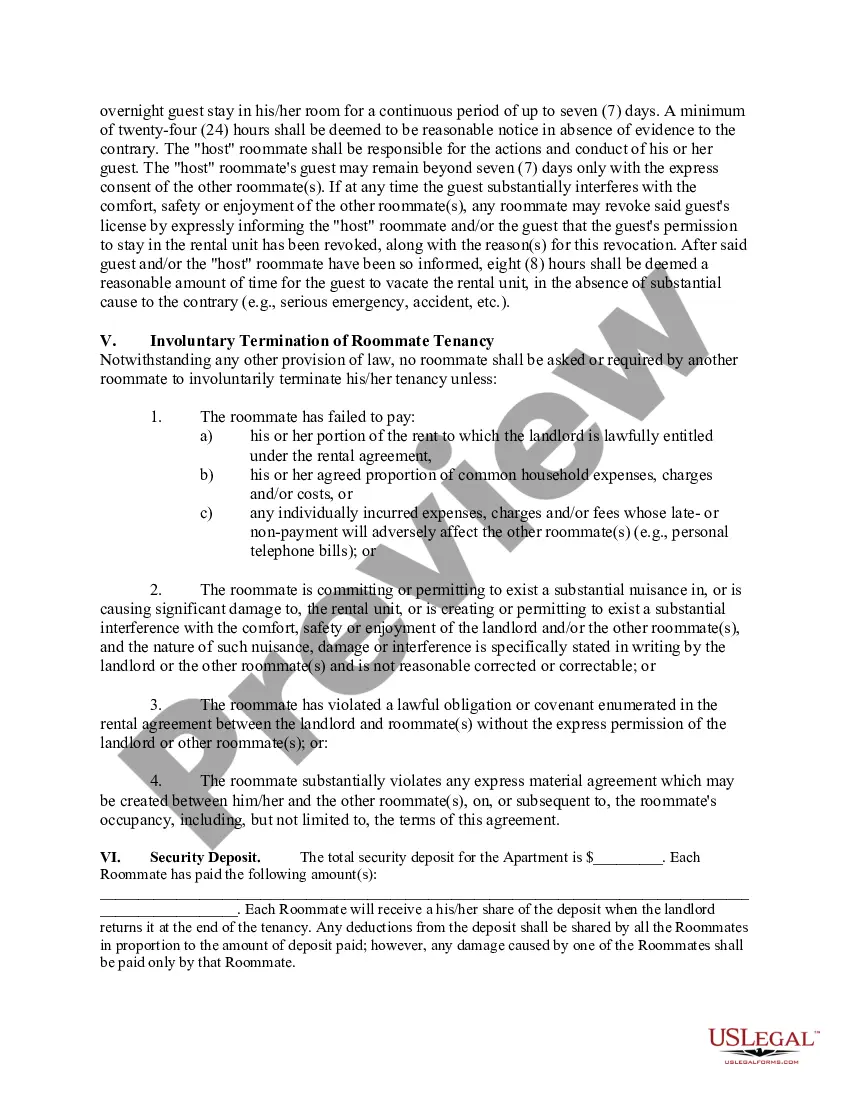
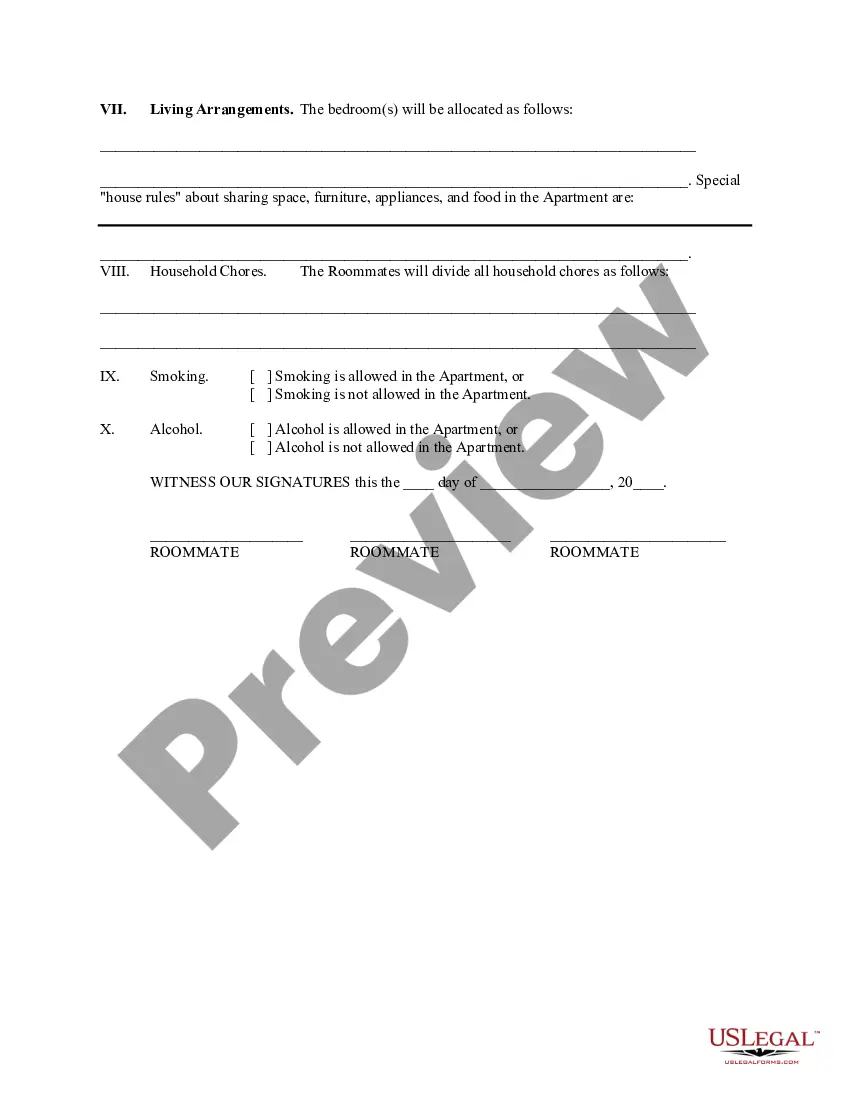
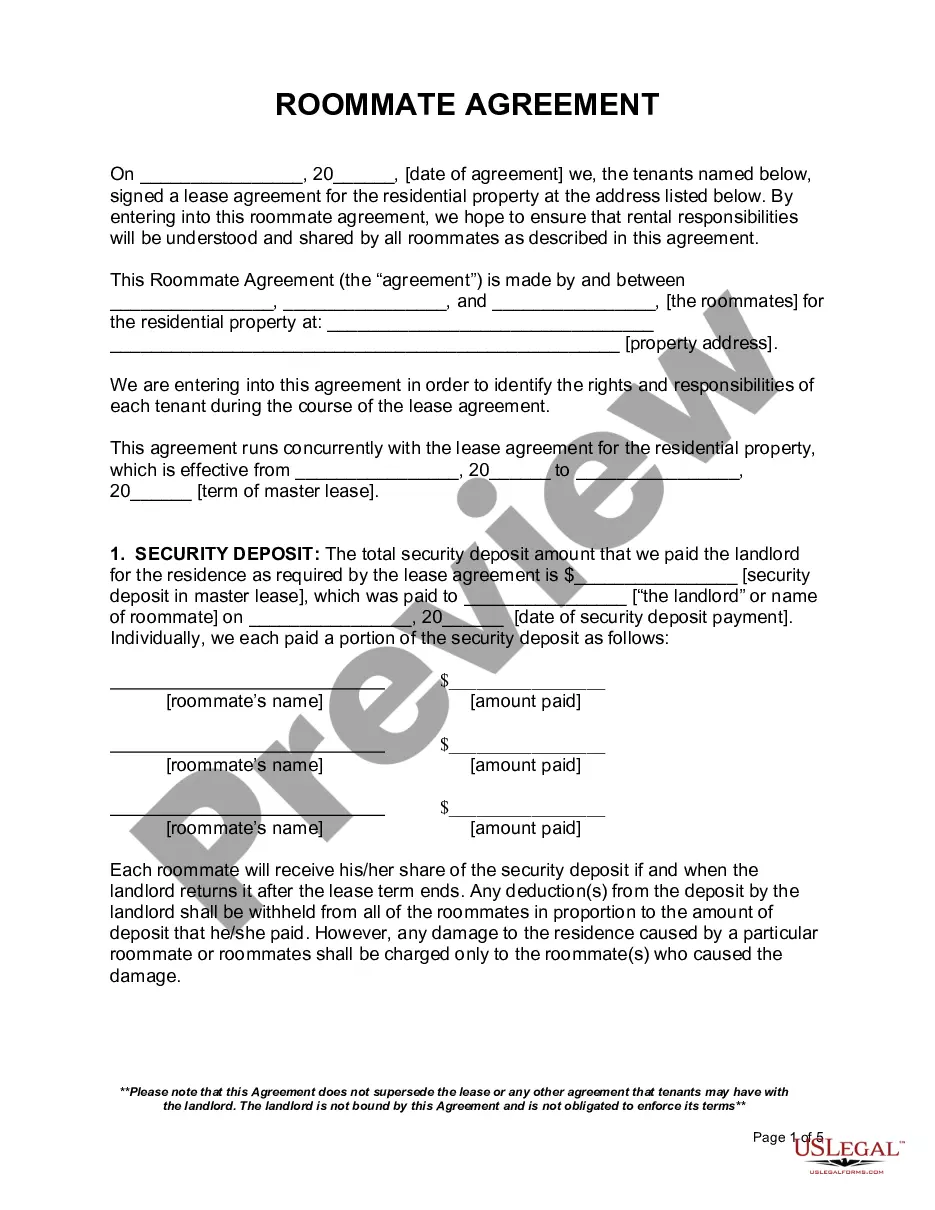
Get your form ready online
Our built-in tools help you complete, sign, share, and store your documents in one place.
Make edits, fill in missing information, and update formatting in US Legal Forms—just like you would in MS Word.
Download a copy, print it, send it by email, or mail it via USPS—whatever works best for your next step.
Sign and collect signatures with our SignNow integration. Send to multiple recipients, set reminders, and more. Go Premium to unlock E-Sign.
If this form requires notarization, complete it online through a secure video call—no need to meet a notary in person or wait for an appointment.
We protect your documents and personal data by following strict security and privacy standards.

Make edits, fill in missing information, and update formatting in US Legal Forms—just like you would in MS Word.

Download a copy, print it, send it by email, or mail it via USPS—whatever works best for your next step.

Sign and collect signatures with our SignNow integration. Send to multiple recipients, set reminders, and more. Go Premium to unlock E-Sign.

If this form requires notarization, complete it online through a secure video call—no need to meet a notary in person or wait for an appointment.

We protect your documents and personal data by following strict security and privacy standards.
Looking for another form?



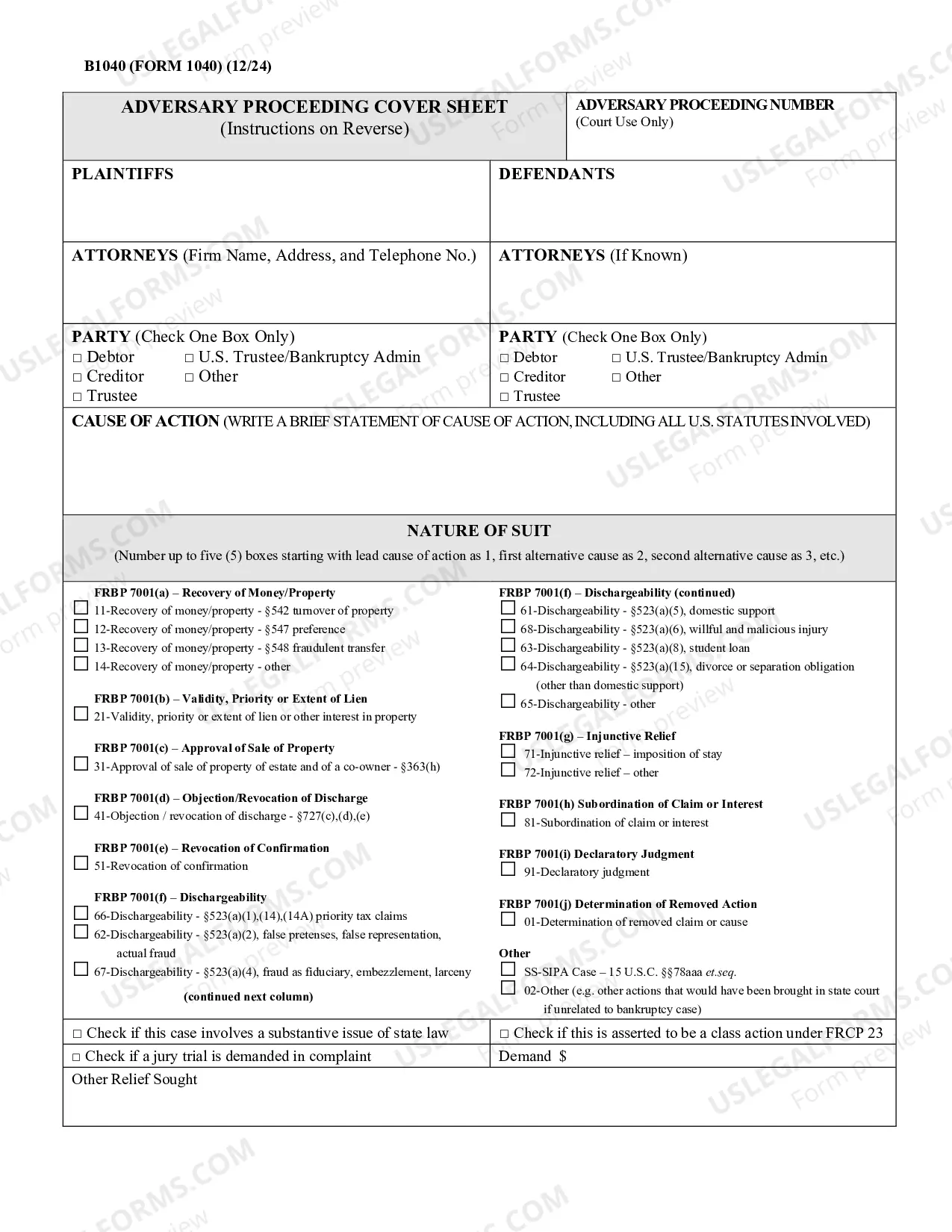



Form popularity
FAQ
Golden Rule Provide your roommate with the same level of respect you would want to receive. Assume positive intent, and work together with your roommate to encourage a comfortable living atmosphere.
If there is no lease agreement, you likely have a month-to-month tenancy. Either you or the other person may terminate the tenancy by giving 30 days' notice in Ohio. If you want to evict the person, you must provide written notice to vacate and file an eviction lawsuit if they do not leave.
Set Clear Boundaries: Discuss and agree on personal boundaries regarding privacy, shared spaces, and quiet hours. Be clear about what you're comfortable with. Communication: Keep communication open but limited to necessary topics. Establish Personal Space: Make your personal area distinct. Limit Shared Activities:
If there is no lease agreement, you likely have a month-to-month tenancy. Either you or the other person may terminate the tenancy by giving 30 days' notice in Ohio. If you want to evict the person, you must provide written notice to vacate and file an eviction lawsuit if they do not leave.
If there is no lease agreement, you likely have a month-to-month tenancy. Either you or the other person may terminate the tenancy by giving 30 days' notice in Ohio. If you want to evict the person, you must provide written notice to vacate and file an eviction lawsuit if they do not leave.
Landlord Serves a Three- to Thirty-Day Eviction Notice. Landlord Files an Eviction Lawsuit with the Court. Court Serves Tenant a Summons. Tenant Files an Answer. Landlord and Tenant Attend Court Hearing and Receive Judgment. Tenant Gets Up to Ten Days to Move Out. Sheriff Arrives to Forcibly Remove the Tenant.
A lease agreement is a legally binding contract outlining the terms under which one party agrees to rent property, whether real or personal, from another party. This agreement includes important details such as the rent amount, duration, responsibilities of both parties, and conditions for terminating the agreement.
Co-tenants usually cannot evict each other, even if one of the co-tenants stops paying the rent or is violating the lease that they both signed. If the person you want to evict is not a tenant, but is a household member or authorized occupant, you may be able to evict that person.
Co-tenants usually cannot evict each other, even if one of the co-tenants stops paying the rent or is violating the lease that they both signed. If the person you want to evict is not a tenant, but is a household member or authorized occupant, you may be able to evict that person.
