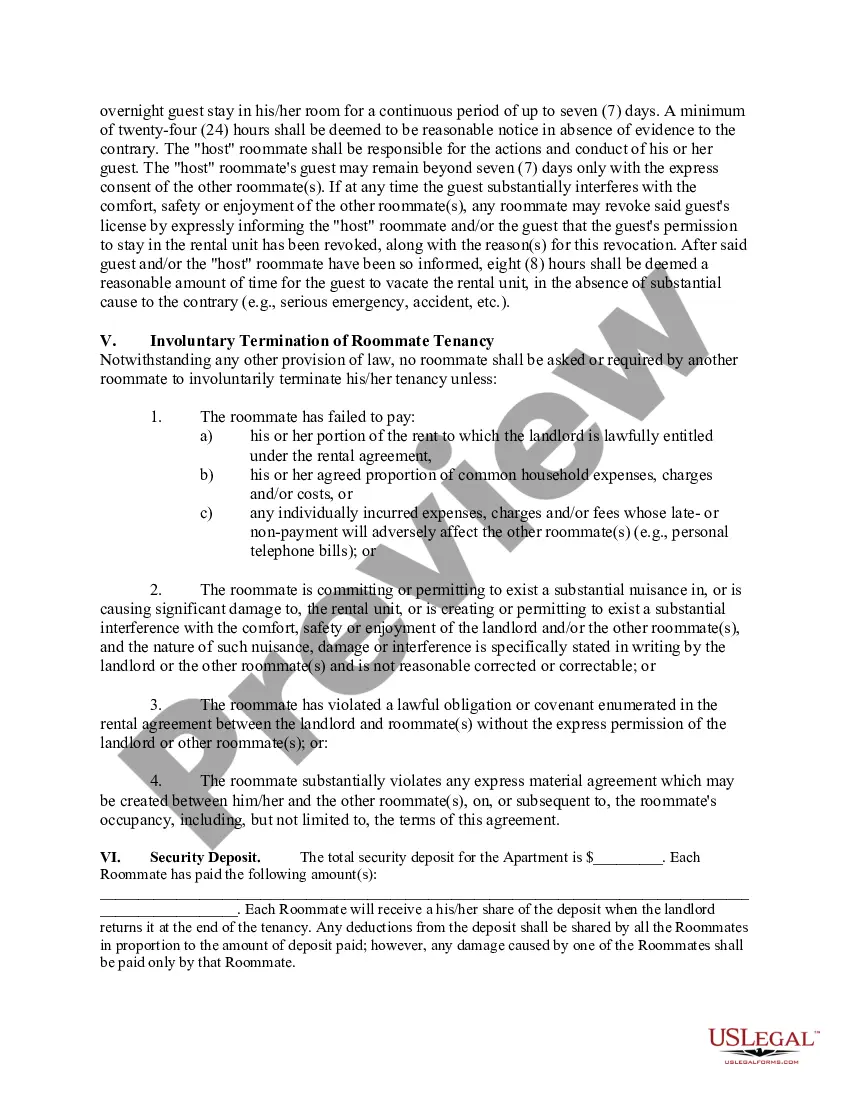
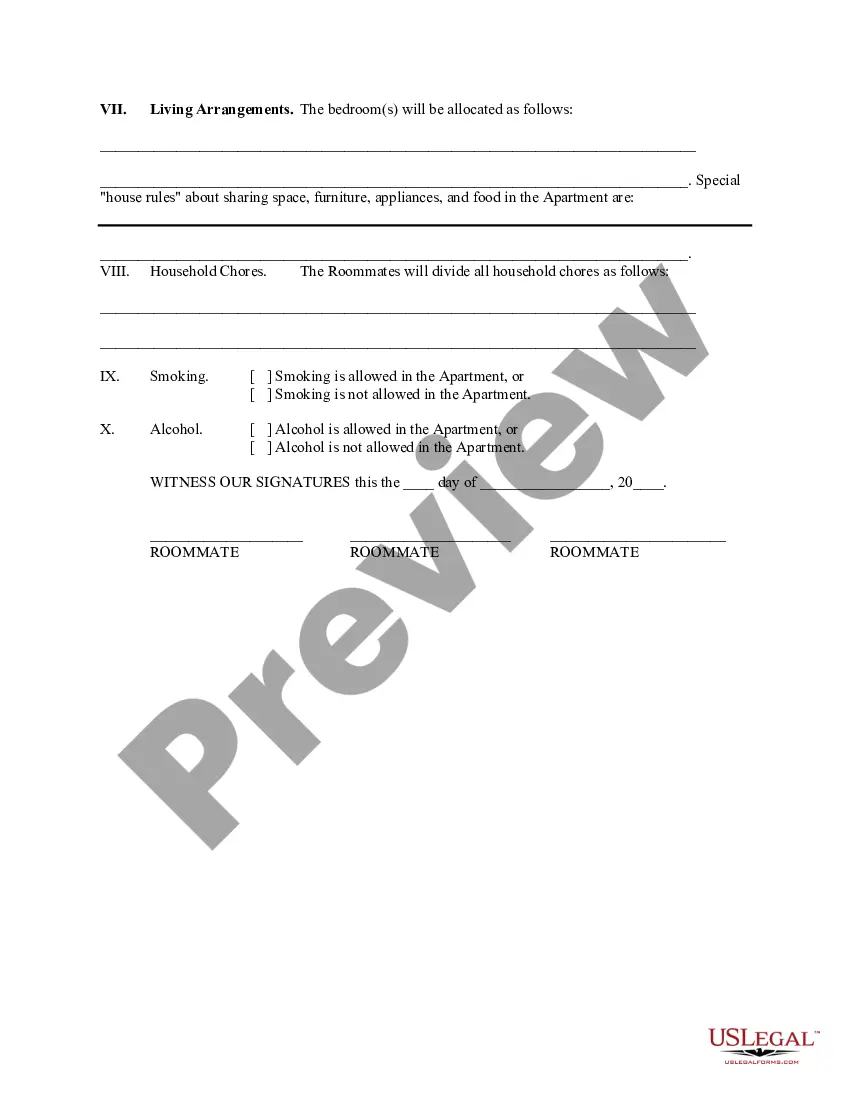
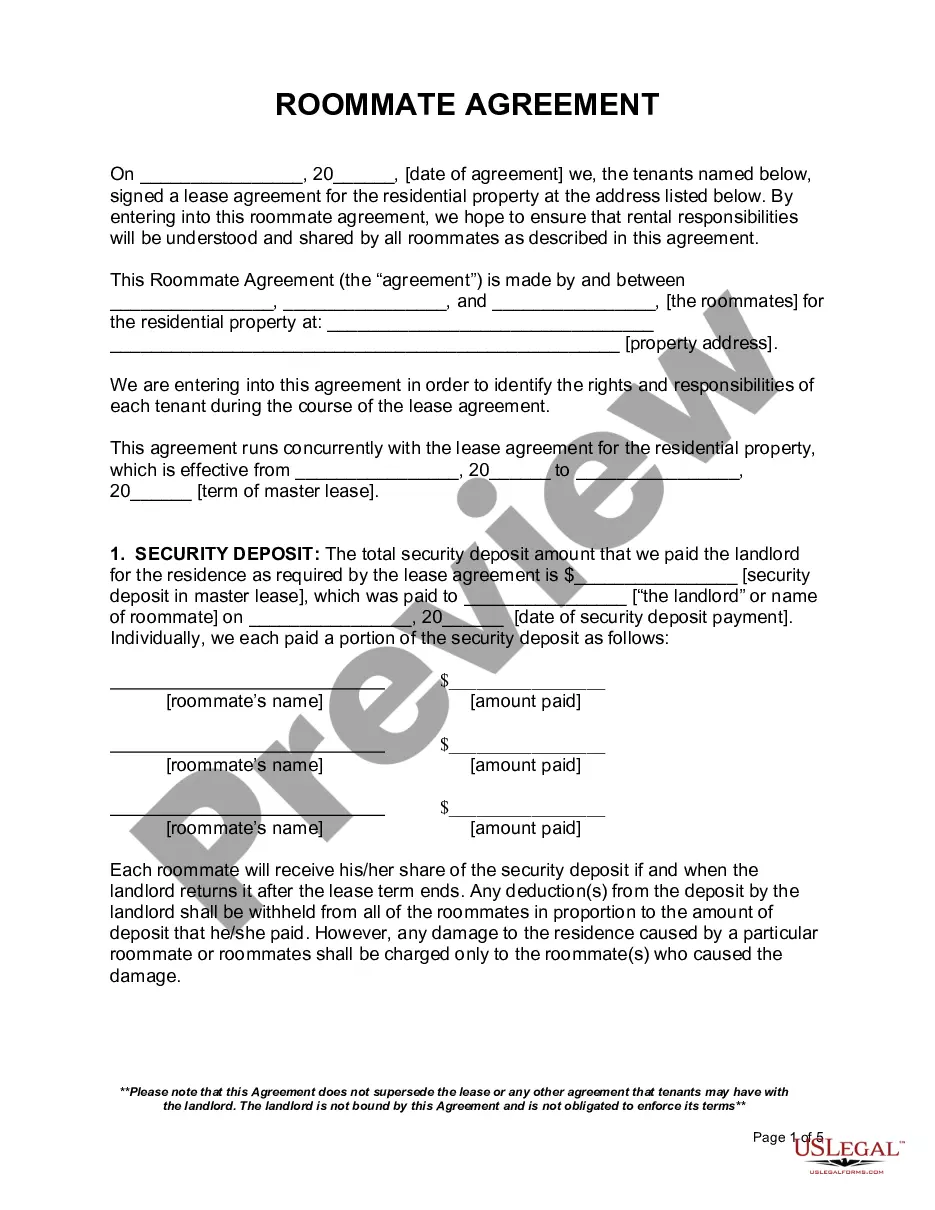
Roommate Form Contract With Landlord In Chicago
Description

Get your form ready online
Our built-in tools help you complete, sign, share, and store your documents in one place.
Make edits, fill in missing information, and update formatting in US Legal Forms—just like you would in MS Word.
Download a copy, print it, send it by email, or mail it via USPS—whatever works best for your next step.
Sign and collect signatures with our SignNow integration. Send to multiple recipients, set reminders, and more. Go Premium to unlock E-Sign.
If this form requires notarization, complete it online through a secure video call—no need to meet a notary in person or wait for an appointment.
We protect your documents and personal data by following strict security and privacy standards.

Make edits, fill in missing information, and update formatting in US Legal Forms—just like you would in MS Word.

Download a copy, print it, send it by email, or mail it via USPS—whatever works best for your next step.

Sign and collect signatures with our SignNow integration. Send to multiple recipients, set reminders, and more. Go Premium to unlock E-Sign.

If this form requires notarization, complete it online through a secure video call—no need to meet a notary in person or wait for an appointment.

We protect your documents and personal data by following strict security and privacy standards.
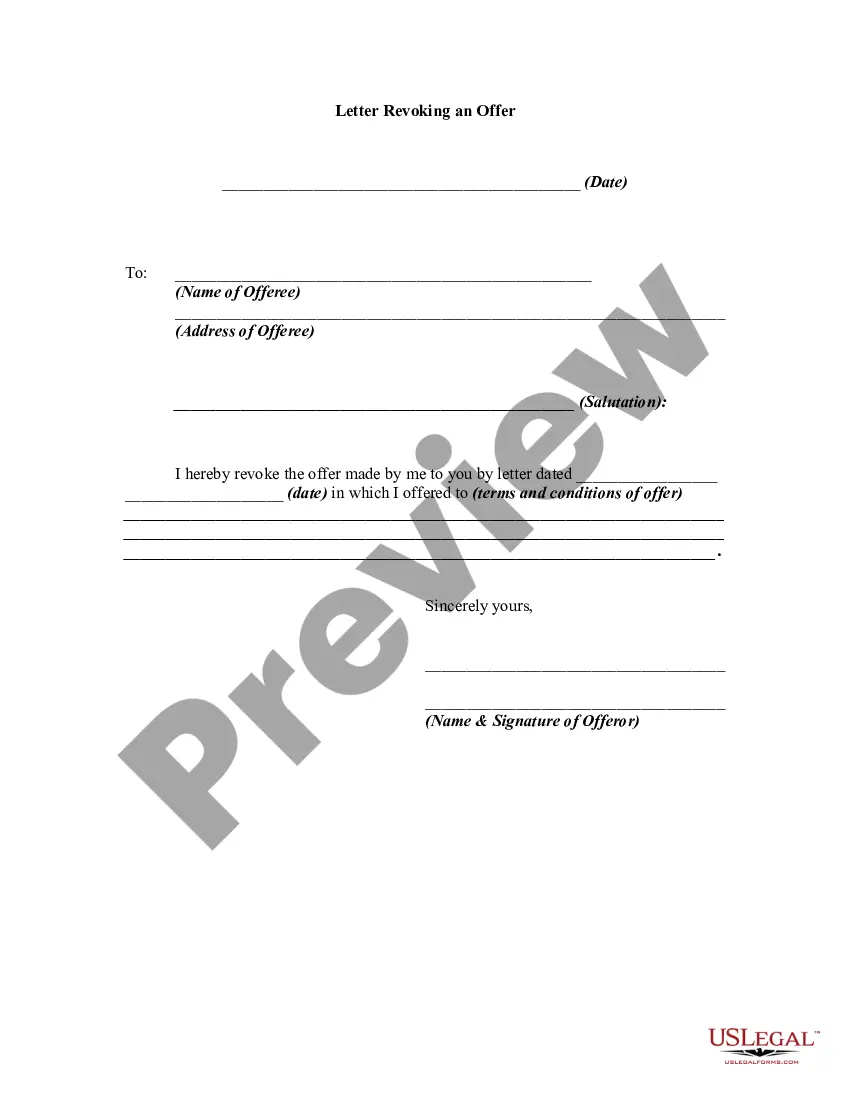
Looking for another form?








Form popularity
FAQ
In Illinois, tenants have a legal right to withhold rent from landlords who fail to maintain their buildings. But exercising the right is an obstacle course of legal requirements and bureaucracy.
In Illinois, there's no cap on rent hikes for landlords. However, it's against the law for landlords to use rent increases as a form of retaliation or discrimination against tenants. Since there are no rent control laws, landlords can raise the rent as much as they want.
Under the ordinance, landlords must provide: 60 days of notice to terminate your lease if you have lived in your apartment for more than six months but less than three years. 120 days of notice to terminate your lease if you have lived in your apartment for more than 3 years.
5-12-110) Minor Defects If the landlord fails to maintain the property in compliance with the Code and the tenant or the tenant's family or guests are not responsible for the failure, the tenant may: 1) Request in writing that the landlord make repairs within 14 days, and if the landlord fails to do so the tenant may ...
A Chicago landlord's obligations fall into a few major categories: the landlord must maintain the premises; the landlord must stay out of the premises, except in certain circumstances; the landlord must safeguard and return the security deposit, the landlord may not engage in illegal housing discrimination; the ...
Do Roommates All Need to Sign the Same Chicago Apartment Lease? What about roommates? Should they both sign the apartment lease? Yes, and it benefits both the tenants and the landlords if they do.
Yes, a family of four can live in a 1-bedroom apartment in Illinois, but it may be challenging. Many landlords and local housing codes have occupancy limits, which typically recommend no more than two people per bedroom. However, these limits can vary by city or county.
A single family may not live with more than three additional unrelated people. If none of you are related, one of you is the "family" and the total number of people you may have in your house is 4. If you have more than 4 unrelated tenants and rent a single family house, you could face serious problems.
Generally, courts consider an occupancy policy of one tenant per bedroom restrictive. Landlords may set reasonable occupancy limits that do not discriminate against families or children. Therefore, restrictive housing policies are unlawful.
