Sibling Agreement Contract Template With Parents In Minnesota
Description
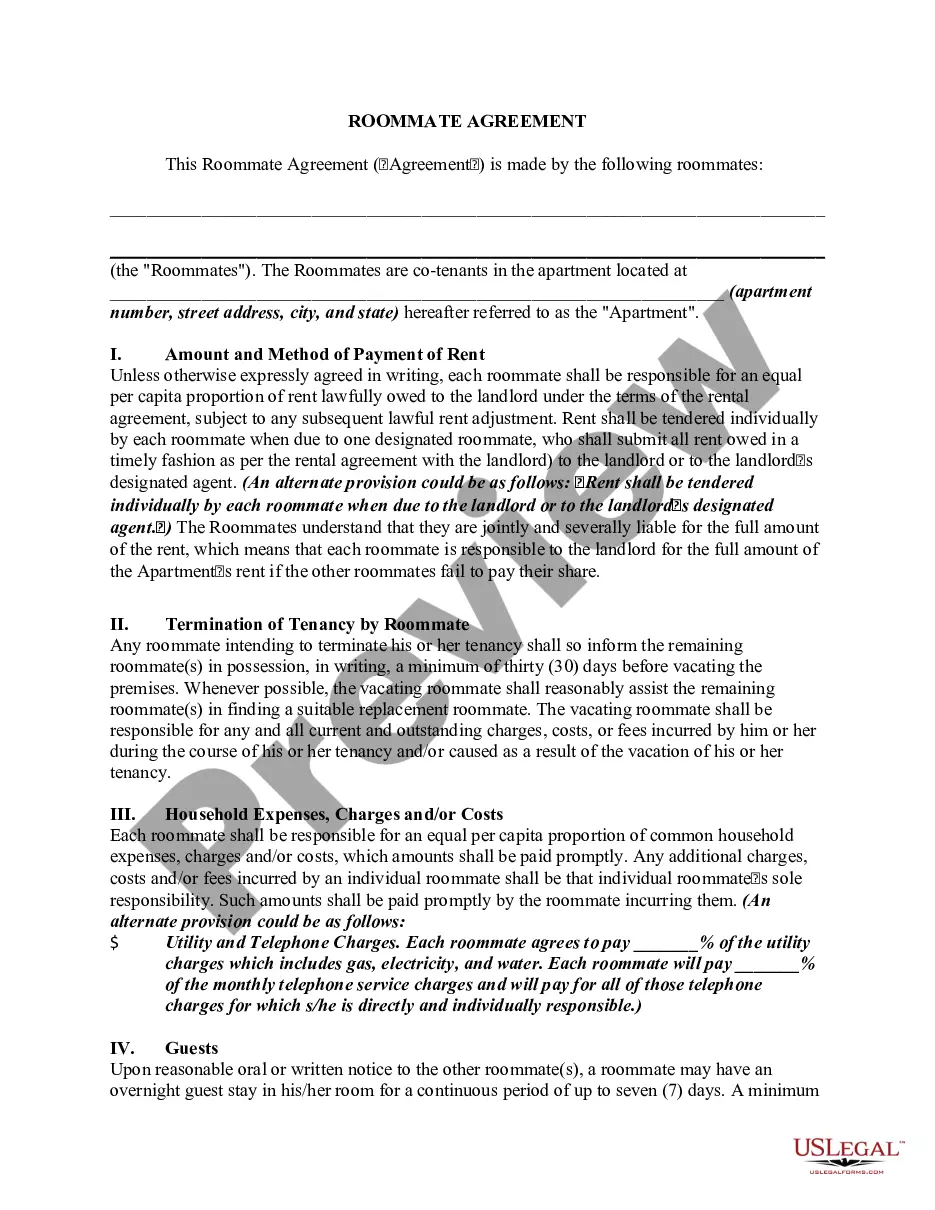
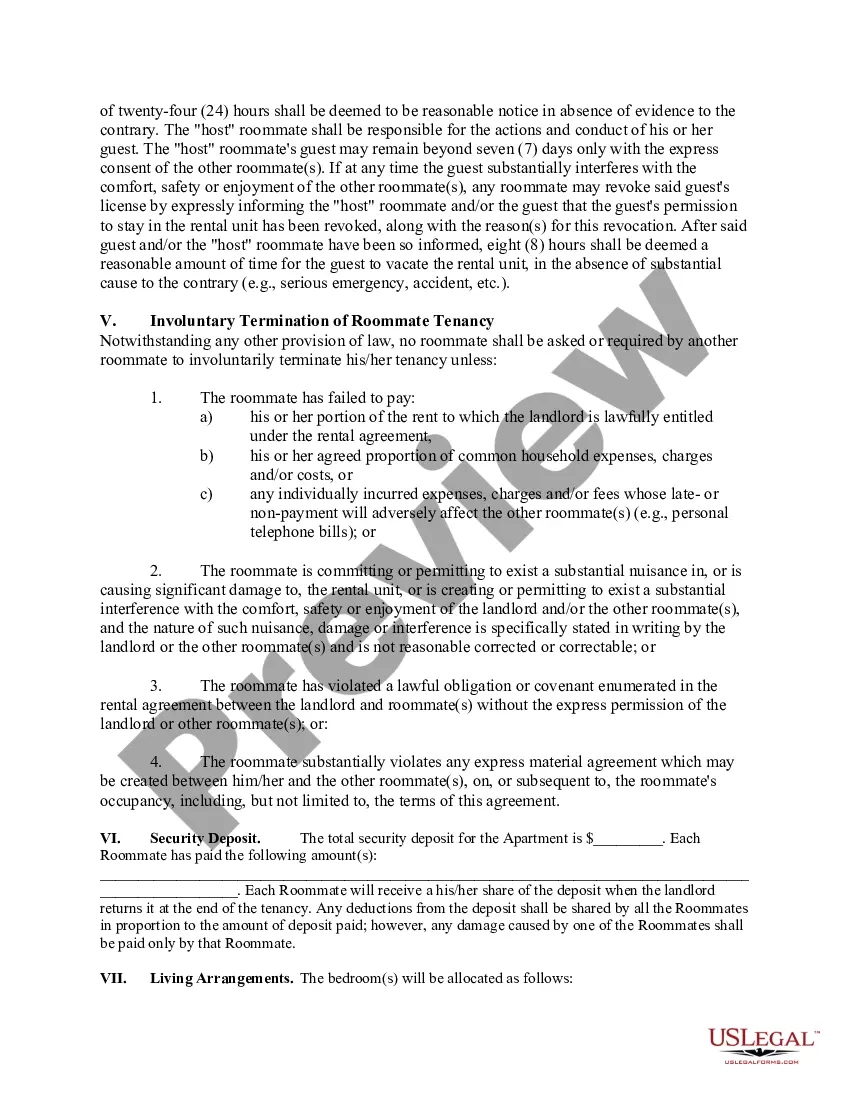
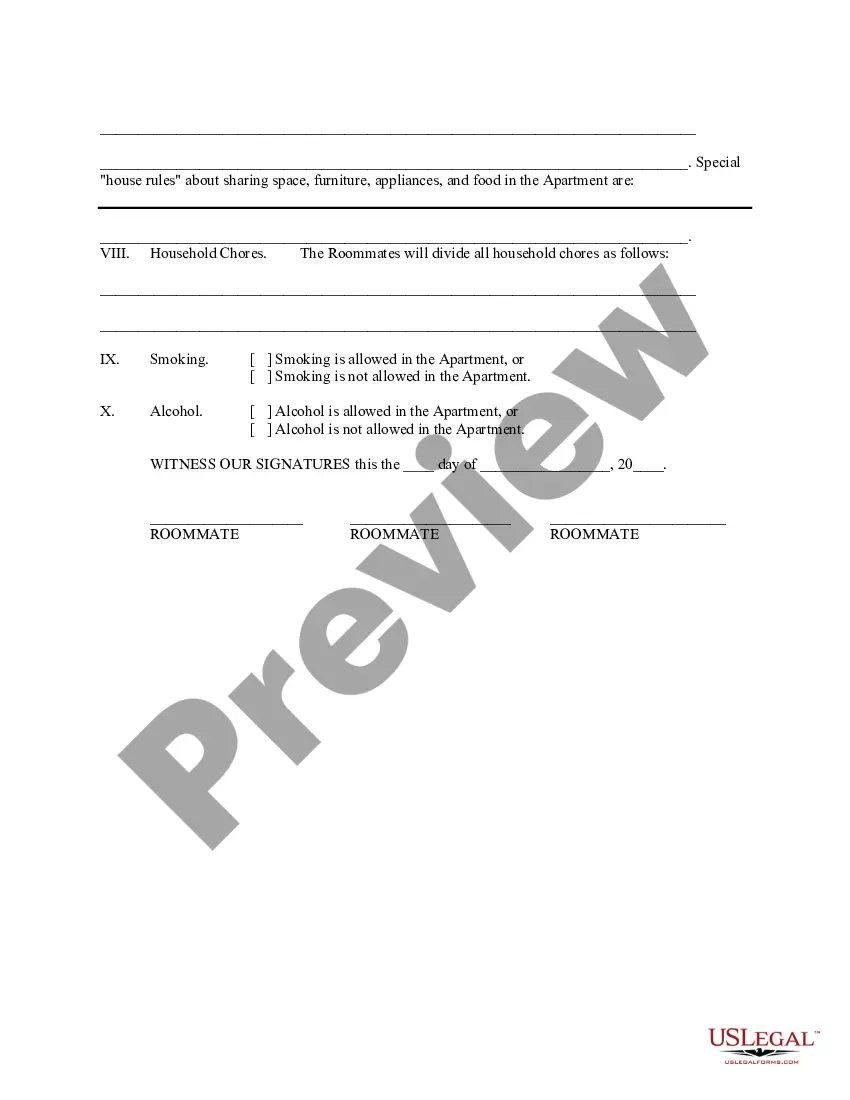

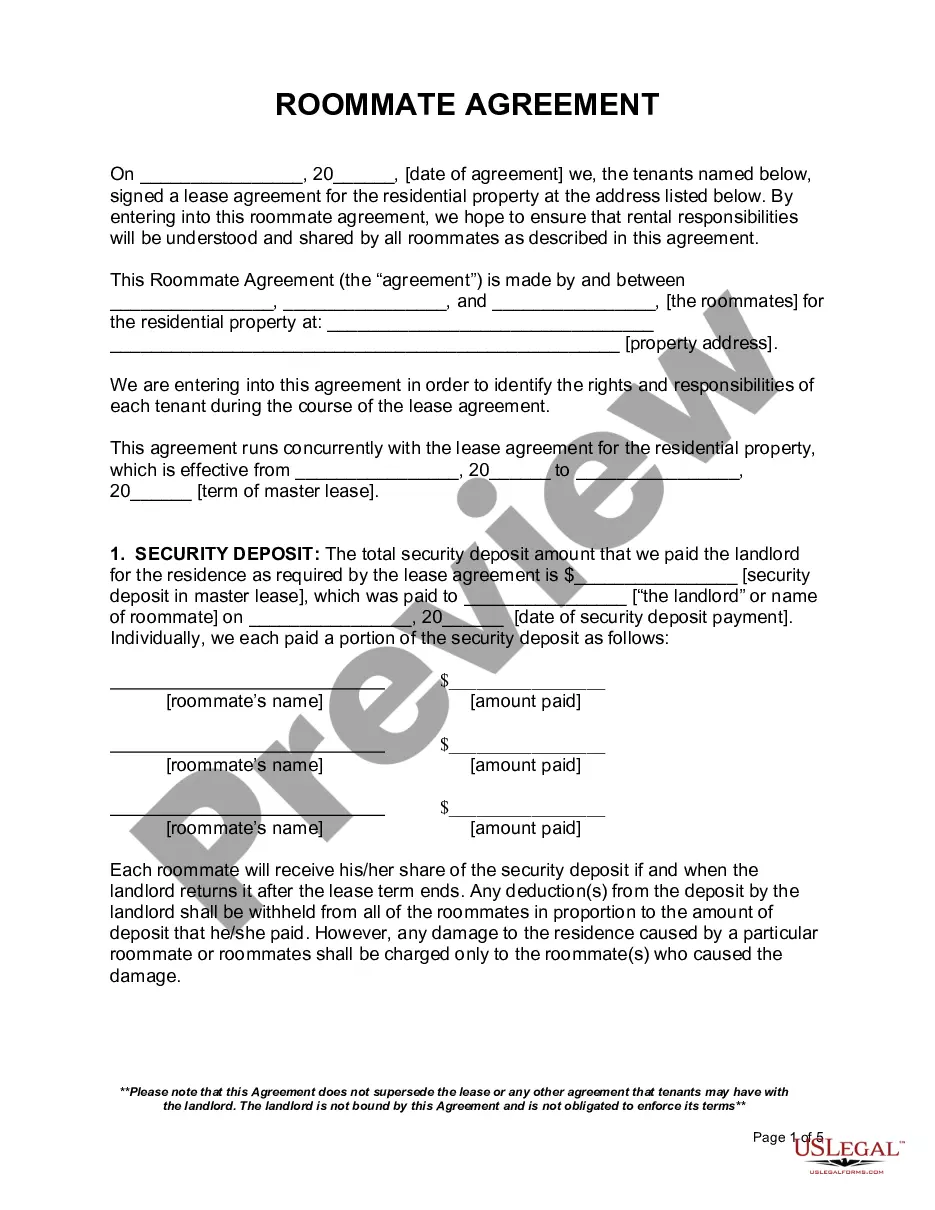
Get your form ready online
Our built-in tools help you complete, sign, share, and store your documents in one place.
Make edits, fill in missing information, and update formatting in US Legal Forms—just like you would in MS Word.
Download a copy, print it, send it by email, or mail it via USPS—whatever works best for your next step.
Sign and collect signatures with our SignNow integration. Send to multiple recipients, set reminders, and more. Go Premium to unlock E-Sign.
If this form requires notarization, complete it online through a secure video call—no need to meet a notary in person or wait for an appointment.
We protect your documents and personal data by following strict security and privacy standards.

Make edits, fill in missing information, and update formatting in US Legal Forms—just like you would in MS Word.

Download a copy, print it, send it by email, or mail it via USPS—whatever works best for your next step.

Sign and collect signatures with our SignNow integration. Send to multiple recipients, set reminders, and more. Go Premium to unlock E-Sign.

If this form requires notarization, complete it online through a secure video call—no need to meet a notary in person or wait for an appointment.

We protect your documents and personal data by following strict security and privacy standards.
Looking for another form?







Form popularity
FAQ
There are no specific "laws against siblings sharing a bedroom in Minnesota." Sleeping accommodations may be considered when determining what is in the children's best interest, but certainly isn't the only factor.
There is absolutely no law in Georgia preventing a brother and sister from sharing a room. (There are laws prohibiting any type of sexual activity and preventing marriage.)
The courts generally frown upon siblings of different sexes sharing a room. However, you should consult with a local family law attorney and provide all specific facts.
At What Age Should Siblings Stop Sharing a Room? Siblings should stop sharing a room when they reach an age where privacy and personal space become more important, typically around age 10.
Parenting time must be in the child's “best interest.” To set parenting time, the court looks at things like the child's age, the child's safety, and the child's past relationship with the noncustodial parent. There are 12 “best interest” factors the Court must consider.
A letter of agreement between two parents should clearly state the terms of their co-parenting arrangement, including custody, visitation, decision-making responsibilities, and financial obligations. Both parents should sign the letter, which should be notarized to ensure enforceability.
Why Is Joint Custody the Most Common Child Custody Arrangement? Joint custody arrangements have become more common over the years. For many families, joint custody is the best possible situation after a divorce because both parents spend meaningful time with their children and remain involved in their lives.
parenting agreement is a structured written agreement between the people who care for the child or children and they set out what has been agreed in terms of the child arrangements, communication between parents and how parents are involved in the child/children's lives.
A contract is a formal, legally binding agreement made between two parties with a common interest in mind. This creates “mutual obligations that are enforceable by law.”
