Sibling Agreement Contract Template With Parents In Florida
Description
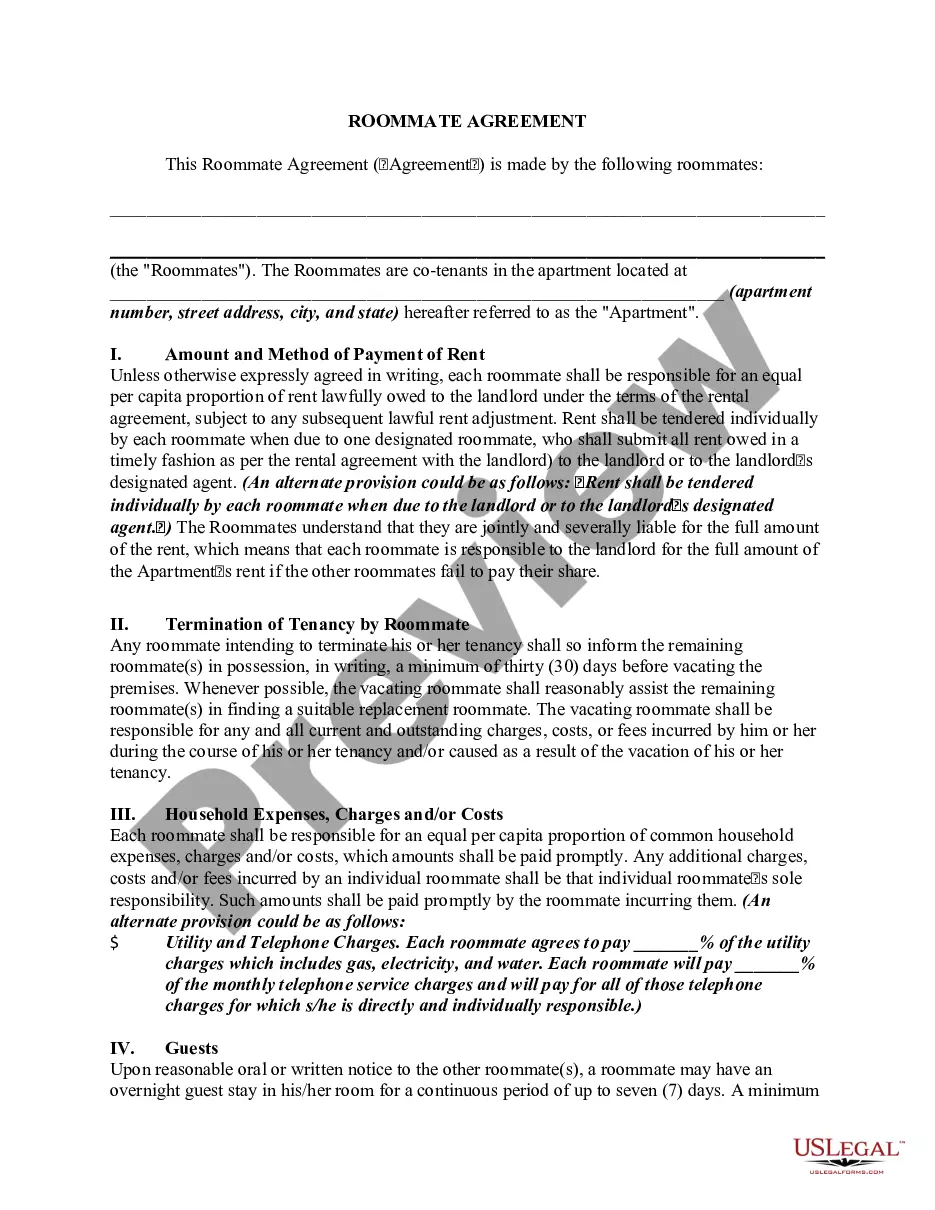
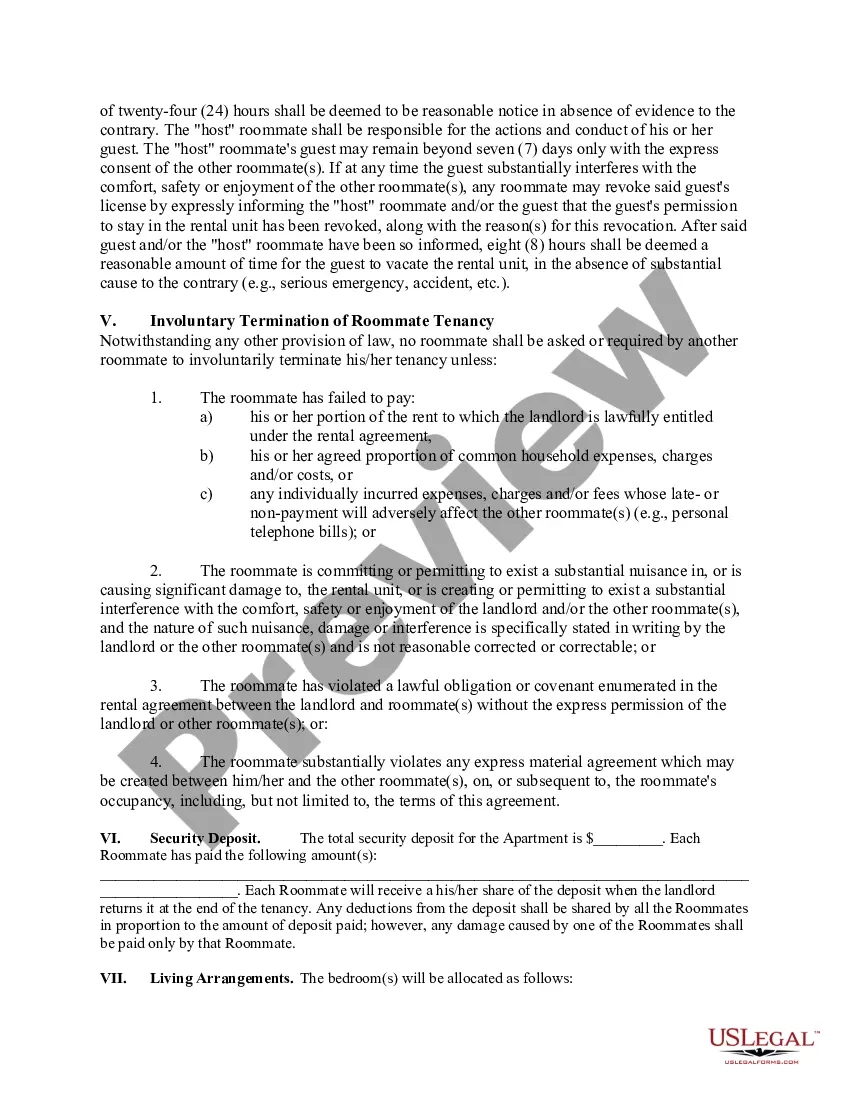
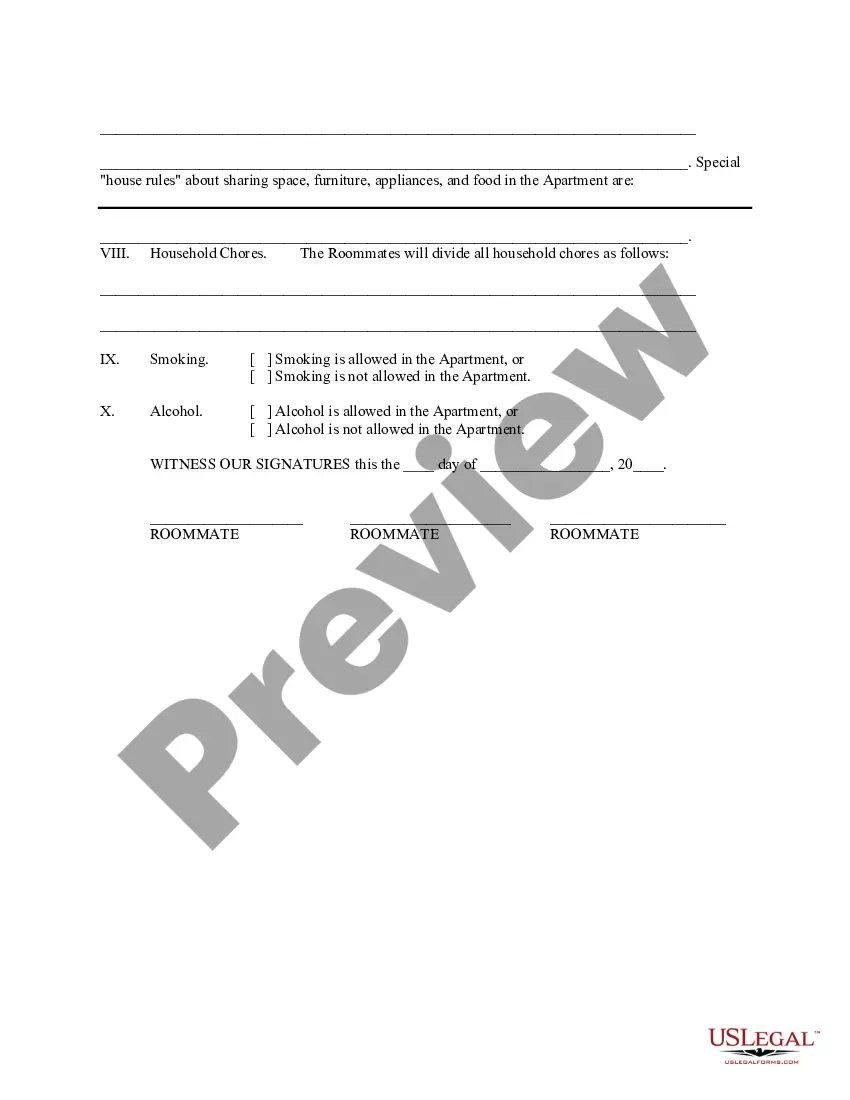

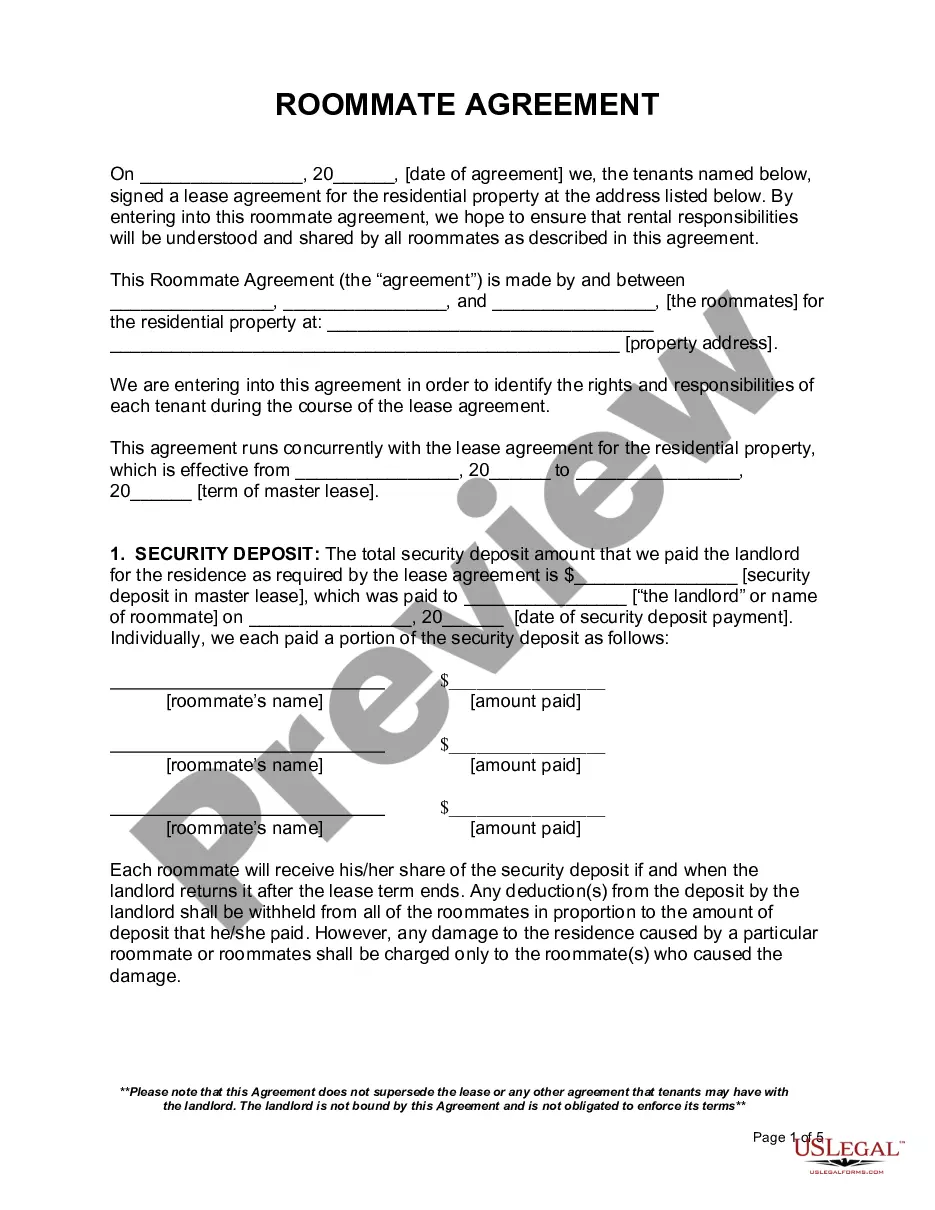
Get your form ready online
Our built-in tools help you complete, sign, share, and store your documents in one place.
Make edits, fill in missing information, and update formatting in US Legal Forms—just like you would in MS Word.
Download a copy, print it, send it by email, or mail it via USPS—whatever works best for your next step.
Sign and collect signatures with our SignNow integration. Send to multiple recipients, set reminders, and more. Go Premium to unlock E-Sign.
If this form requires notarization, complete it online through a secure video call—no need to meet a notary in person or wait for an appointment.
We protect your documents and personal data by following strict security and privacy standards.

Make edits, fill in missing information, and update formatting in US Legal Forms—just like you would in MS Word.

Download a copy, print it, send it by email, or mail it via USPS—whatever works best for your next step.

Sign and collect signatures with our SignNow integration. Send to multiple recipients, set reminders, and more. Go Premium to unlock E-Sign.

If this form requires notarization, complete it online through a secure video call—no need to meet a notary in person or wait for an appointment.

We protect your documents and personal data by following strict security and privacy standards.
Looking for another form?








Form popularity
FAQ
The fact of the matter, however, is that Florida views the rights of a father to be equal to those of a mother once paternity has been established. Under Florida Statute 61.13(2)(c)(1), the Court is not permitted to show a preference for the father or the mother.
Sibling visitation rights are a tricky subject because while courts emphasize that the best interests of the child is what matters most, siblings do not have constitutionally-protected parental rights (because they aren't parents); thus, any sibling that is seeking visitation rights with other siblings against the ...
In Florida, there is no specific state law that prohibits siblings from sharing a bedroom, regardless of their ages. In general, it is considered acceptable for siblings of the same gender to share a bedroom, and many families do so without legal issues.
The Florida courts require all divorcing or separating parents to create a parenting plan that reflects the unique needs of their child and facilitates a cooperative co-parenting relationship. Once approved by the court, a parenting plan becomes legally binding for both parents.
A letter of agreement between two parents should clearly state the terms of their co-parenting arrangement, including custody, visitation, decision-making responsibilities, and financial obligations. Both parents should sign the letter, which should be notarized to ensure enforceability.
Modifications to the Parenting Plan may be made; Other reasonable sanctions may be put into place, and. The offending parent may be held in contempt of court, resulting in fines and even jail time.
(17) “Shared parental responsibility” means a court-ordered relationship in which both parents retain full parental rights and responsibilities with respect to their child and in which both parents confer with each other so that major decisions affecting the welfare of the child will be determined jointly.
The new law establishes a rebuttable presumption that equal timesharing (50/50 custody) is in the best interest of the child. Unless compelling reasons exist, courts will lean toward equal parenting time.
