Sibling Agreement Contract Template With Parents In Dallas
Description
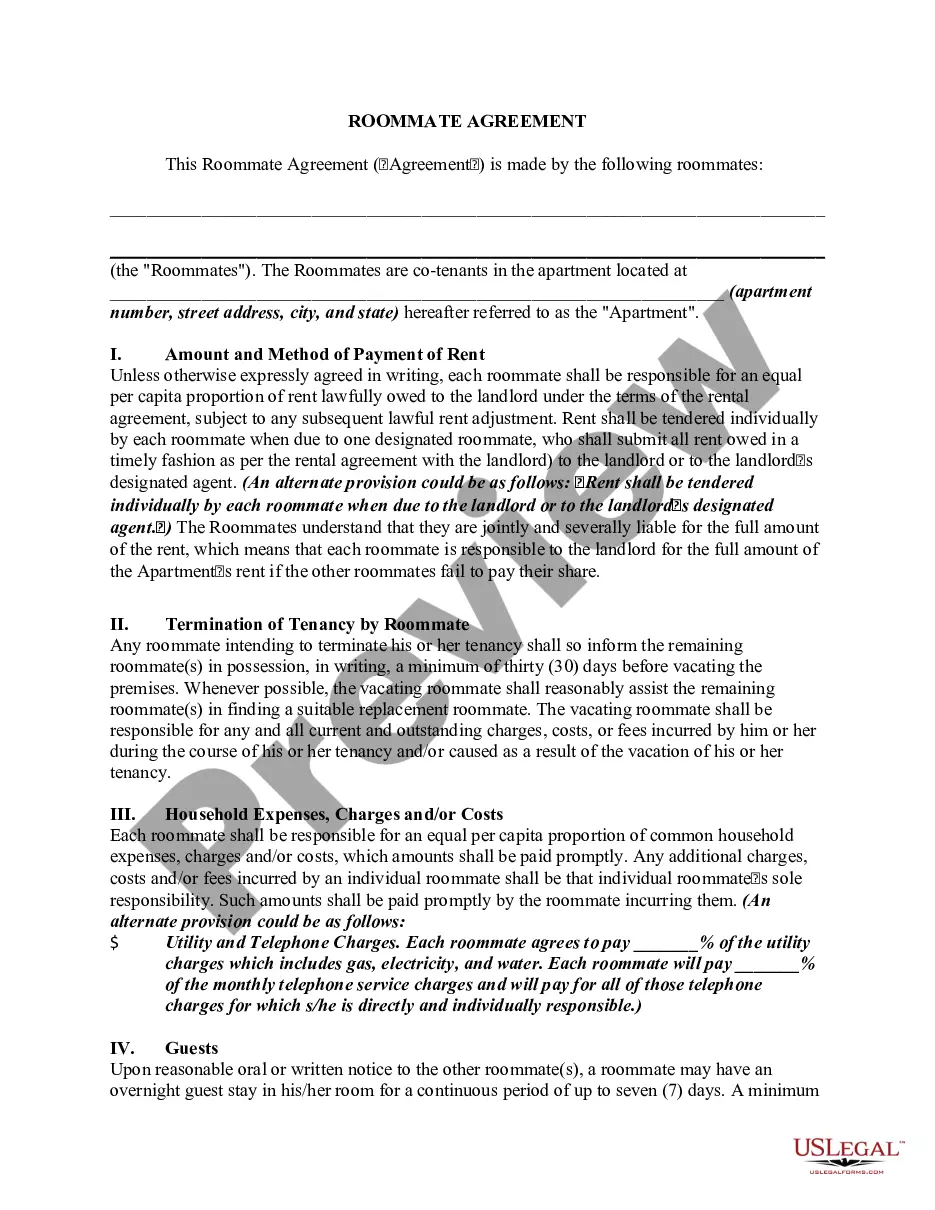
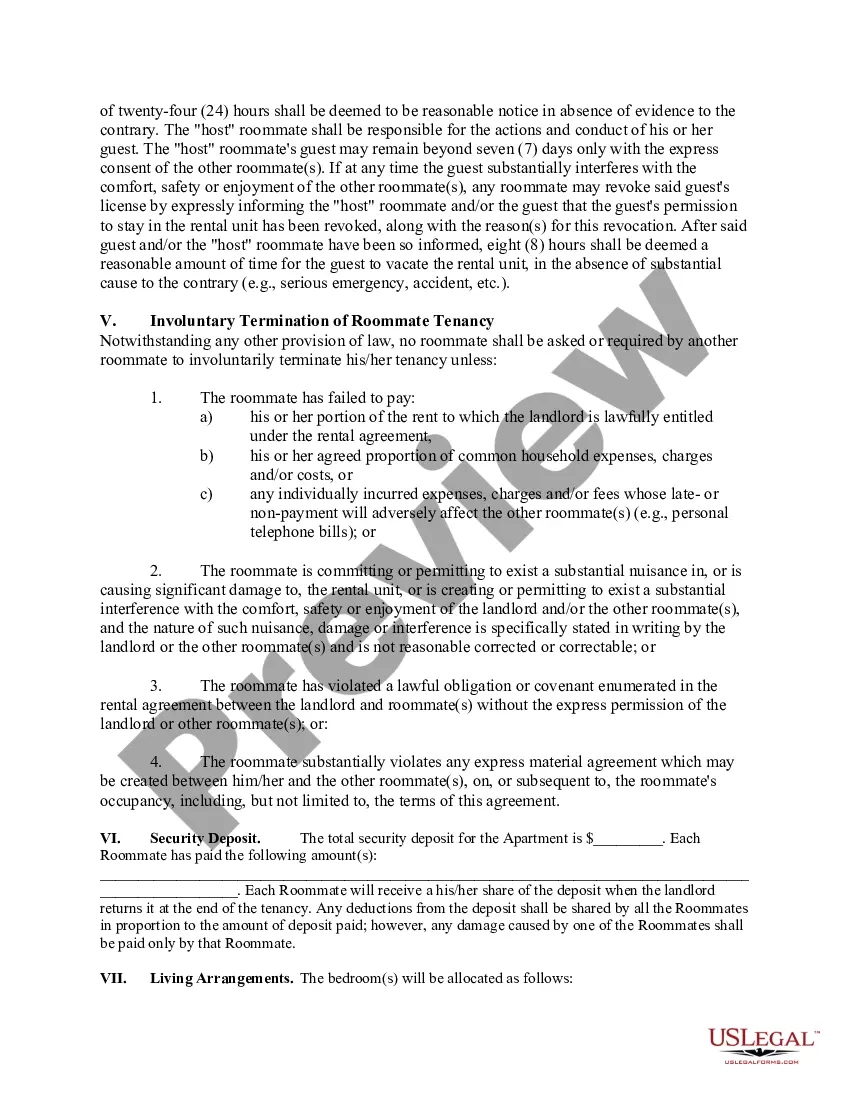
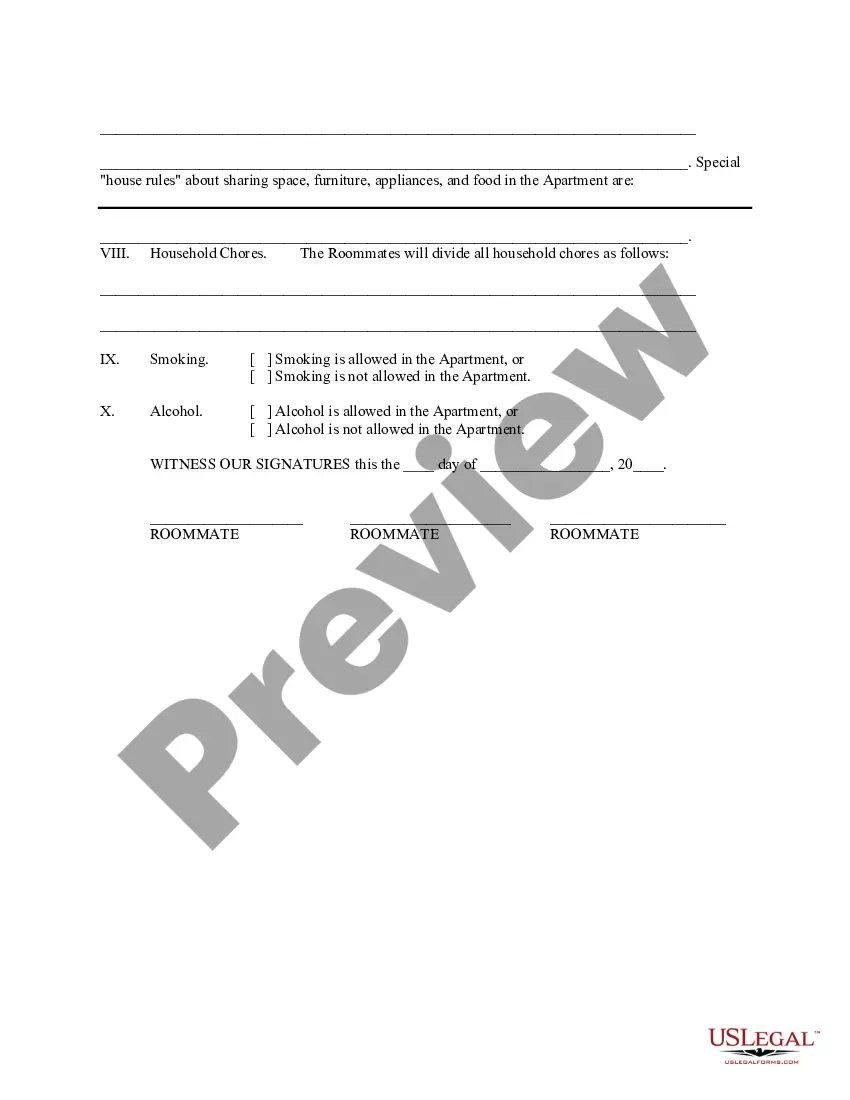

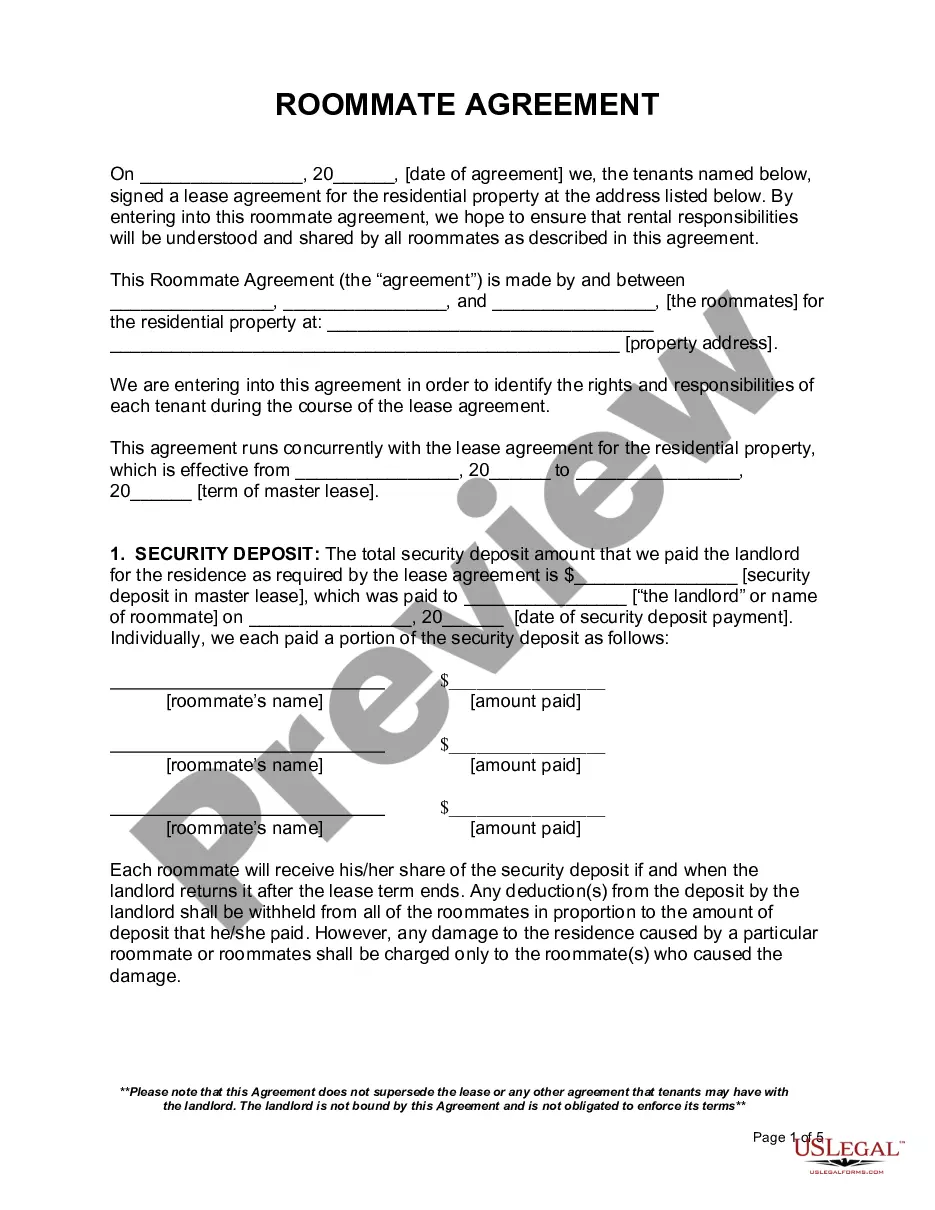
Get your form ready online
Our built-in tools help you complete, sign, share, and store your documents in one place.
Make edits, fill in missing information, and update formatting in US Legal Forms—just like you would in MS Word.
Download a copy, print it, send it by email, or mail it via USPS—whatever works best for your next step.
Sign and collect signatures with our SignNow integration. Send to multiple recipients, set reminders, and more. Go Premium to unlock E-Sign.
If this form requires notarization, complete it online through a secure video call—no need to meet a notary in person or wait for an appointment.
We protect your documents and personal data by following strict security and privacy standards.

Make edits, fill in missing information, and update formatting in US Legal Forms—just like you would in MS Word.

Download a copy, print it, send it by email, or mail it via USPS—whatever works best for your next step.

Sign and collect signatures with our SignNow integration. Send to multiple recipients, set reminders, and more. Go Premium to unlock E-Sign.

If this form requires notarization, complete it online through a secure video call—no need to meet a notary in person or wait for an appointment.

We protect your documents and personal data by following strict security and privacy standards.
Looking for another form?








Form popularity
FAQ
If one parent keeps a child away from the other parent when there is not a court order, there is no way to force visitation to happen. Without a court order, neither parent can file an enforcement action. An enforcement action cannot be used to enforce an informal agreement between the parents.
Sample 50/50 Custody Schedules That Give Parents Alternating Weekends 7-7: The simplest plan involves having the child spend a full week with Parent A followed by a full week with Parent B. 5-2-5-2: The child spends the first workweek, Monday through Friday, with Parent A and Saturday and Sundays with Parent B.
A letter of agreement between two parents should clearly state the terms of their co-parenting arrangement, including custody, visitation, decision-making responsibilities, and financial obligations. Both parents should sign the letter, which should be notarized to ensure enforceability.
Introduction: Briefly state the purpose of the letter. Main Body: Discuss the children's needs, updates, and any issues. Proposed Solutions: Suggest ways to address any concerns. Invitation for Dialogue: Encourage him to share his thoughts. Closing: Thank him and express your commitment to co-parenting.
parenting agreement is a structured written agreement between the people who care for the child or children and they set out what has been agreed in terms of the child arrangements, communication between parents and how parents are involved in the child/children's lives.
Steps to File for Custody Step 1: Determine the Correct Court. Step 2: Complete the Required Forms. Step 3: File the Petition. Step 4: Serve the Other Parent. Step 5: Prepare for Mediation. Step 6: Attend the Court Hearing. Step 7: Follow the Court's Decision.
How to write an agreement letter Title your document. Provide your personal information and the date. Include the recipient's information. Address the recipient and write your introductory paragraph. Write a detailed body. Conclude your letter with a paragraph, closing remarks, and a signature. Sign your letter.
Texas law establishes the rights and responsibilities of all parents. Mothers and fathers have the same rights under the law. If parents divorce, the law presumes that the parents should be "joint managing conservators." This means that they would share decision-making responsibilities about a child.
Family court records, including divorce records and custody case records in Texas, are judicial records. As such, these records are available to the public for inspection and copying following Rule 12.4 of the Rules of Judicial Administration.
To get a copy of your custody order in Texas, you can contact the district clerk's office in the county where the custody case was filed. You can also search for your case number online using public access systems provided by the Texas court system.
