Sibling Agreement Contract Template With Parents In California
Description
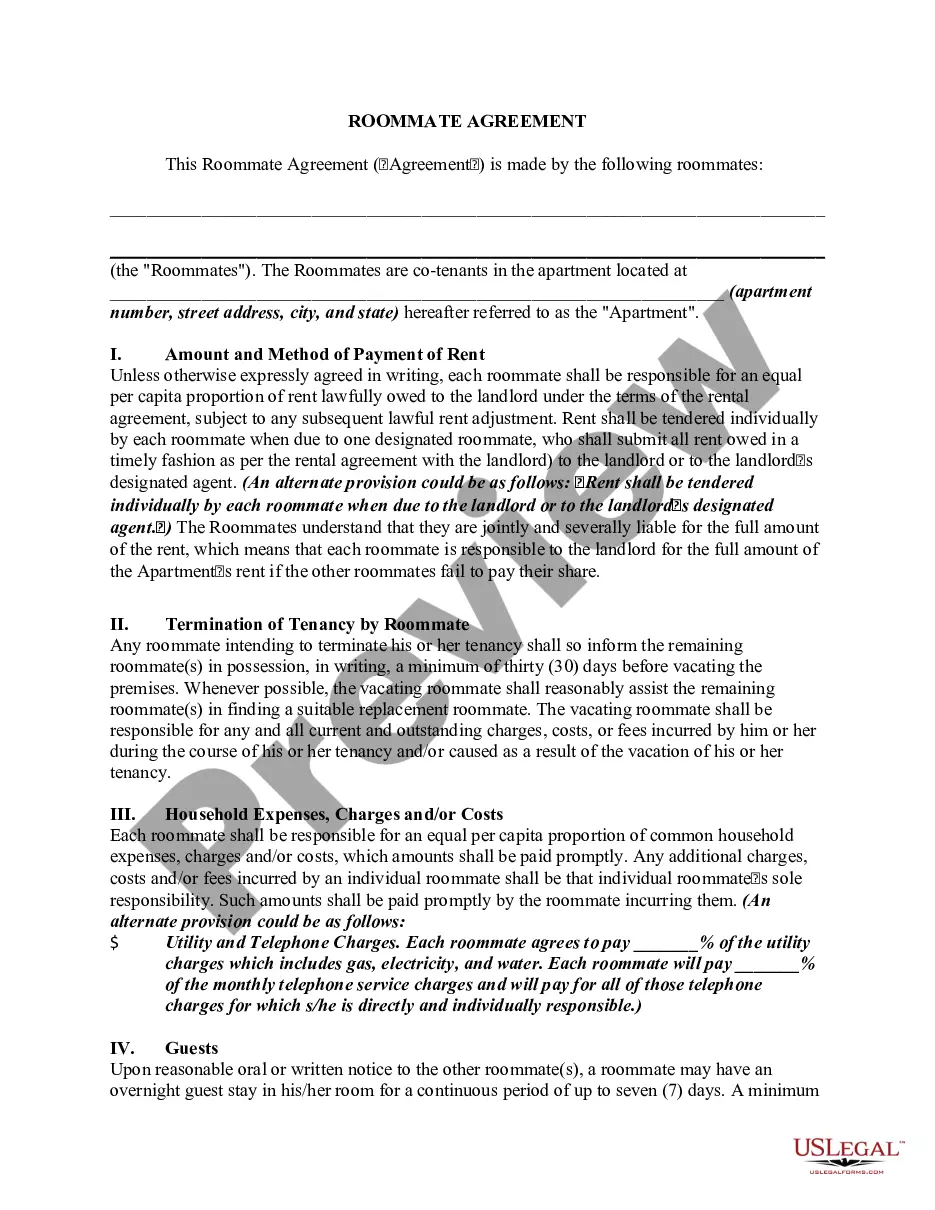
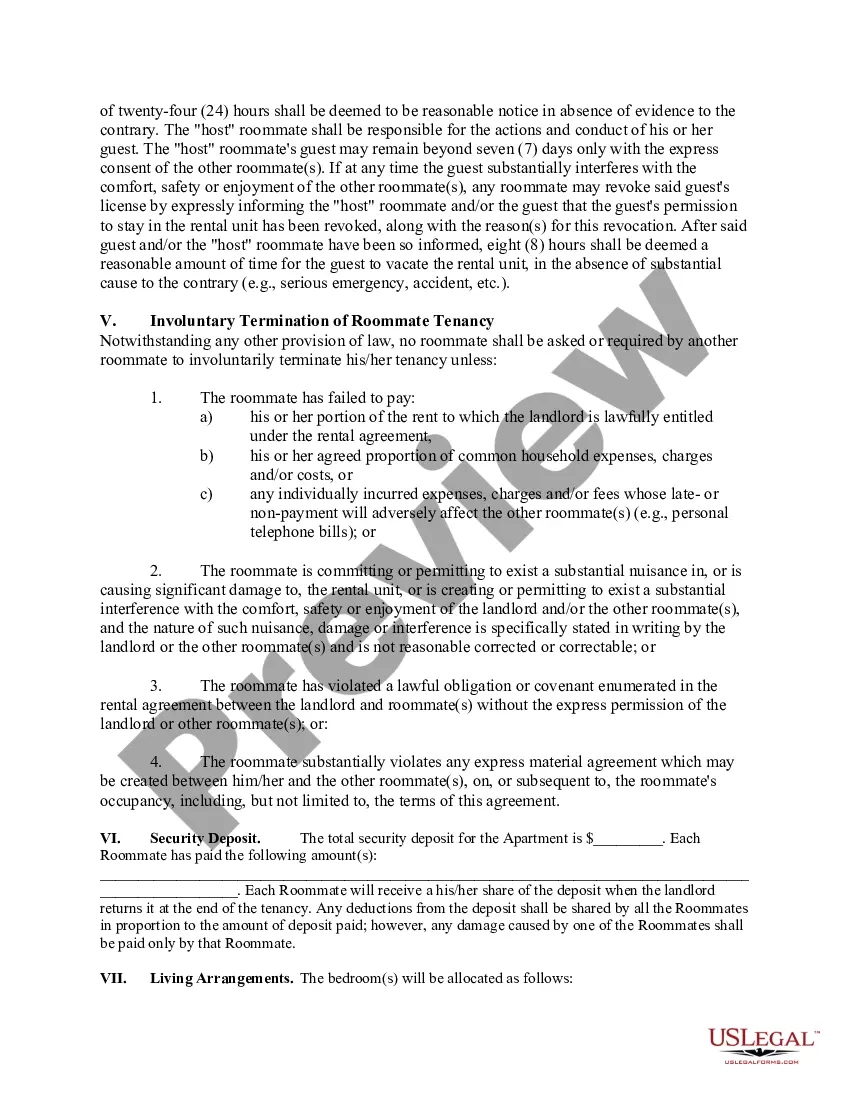

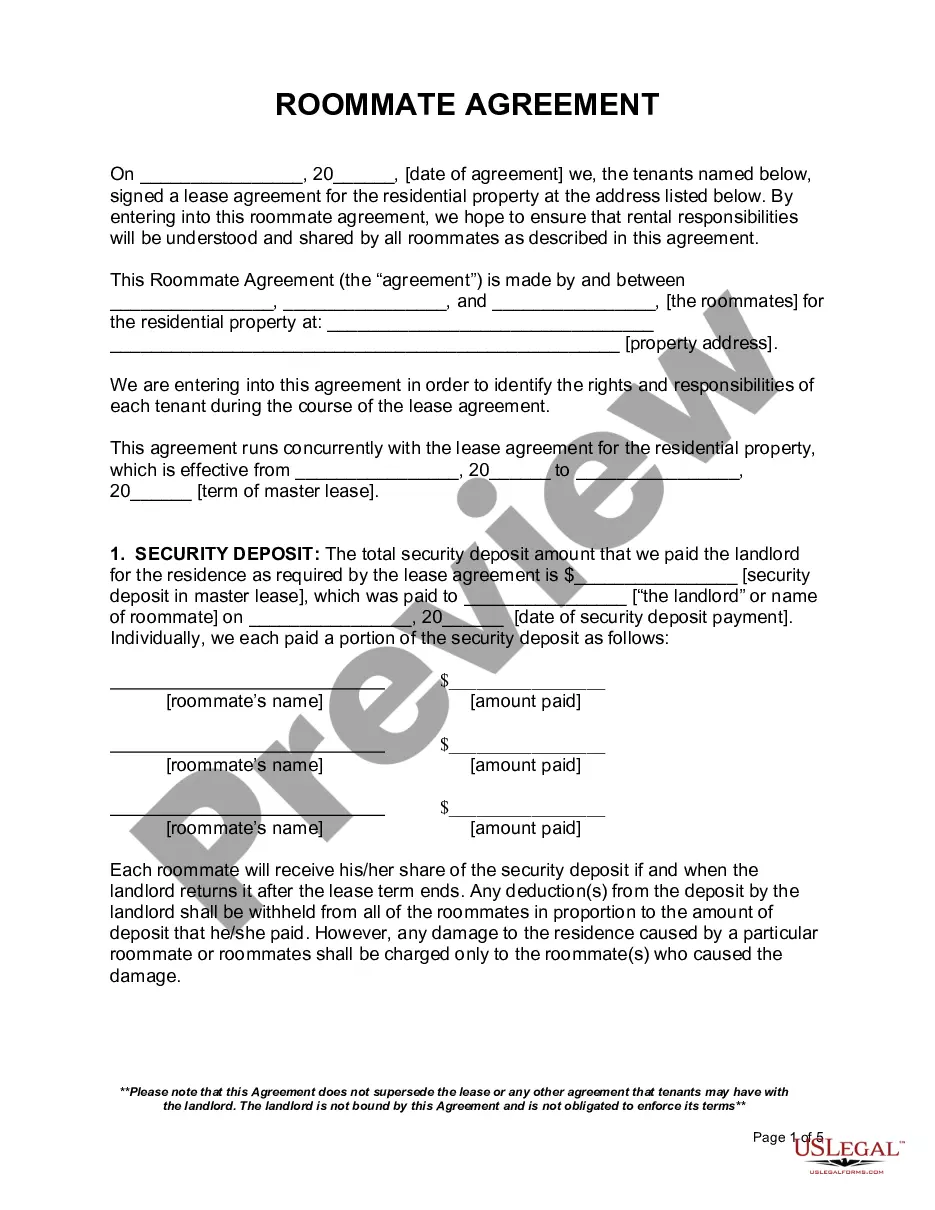
Get your form ready online
Our built-in tools help you complete, sign, share, and store your documents in one place.
Make edits, fill in missing information, and update formatting in US Legal Forms—just like you would in MS Word.
Download a copy, print it, send it by email, or mail it via USPS—whatever works best for your next step.
Sign and collect signatures with our SignNow integration. Send to multiple recipients, set reminders, and more. Go Premium to unlock E-Sign.
If this form requires notarization, complete it online through a secure video call—no need to meet a notary in person or wait for an appointment.
We protect your documents and personal data by following strict security and privacy standards.

Make edits, fill in missing information, and update formatting in US Legal Forms—just like you would in MS Word.

Download a copy, print it, send it by email, or mail it via USPS—whatever works best for your next step.

Sign and collect signatures with our SignNow integration. Send to multiple recipients, set reminders, and more. Go Premium to unlock E-Sign.

If this form requires notarization, complete it online through a secure video call—no need to meet a notary in person or wait for an appointment.

We protect your documents and personal data by following strict security and privacy standards.
Looking for another form?







Form popularity
FAQ
Why Is Joint Custody the Most Common Child Custody Arrangement? Joint custody arrangements have become more common over the years. For many families, joint custody is the best possible situation after a divorce because both parents spend meaningful time with their children and remain involved in their lives.
A family contract is a written, signed agreement between parent(s) and child(ren) that outlines specific expectations and tasks to be completed, as well as consequences for failing to uphold those responsibilities.
A letter of agreement between two parents should clearly state the terms of their co-parenting arrangement, including custody, visitation, decision-making responsibilities, and financial obligations. Both parents should sign the letter, which should be notarized to ensure enforceability.
A Parenting Plan is a written agreement to support a co-parenting approach that covers the practical issues for your child. It works even better if you involve your child. A Parenting Plan can help because it shows clearly what arrangements and actions you have agreed to meet the needs of your child.
A family contract is a written, signed agreement between parent(s) and child(ren) that outlines specific expectations and tasks to be completed, as well as consequences for failing to uphold those responsibilities.
parenting agreement is a structured written agreement between the people who care for the child or children and they set out what has been agreed in terms of the child arrangements, communication between parents and how parents are involved in the child/children's lives.
Currently, ing to family law, a sibling does not have inherent visitation rights. If the child's parents grant the sibling permission to visit, then the sibling may do so. However, the sibling legally must have that permission to visit or he is in violation of the law.
Once the parties have separated, California law encourages both parents to maintain a relationship with the child under most circumstances. Absent a history of abuse, neglect, domestic violence, or substance abuse, there is usually a presumption for reasonable visitation with each parent.
In summary, in California, a child can refuse visitation once they are legally considered an adult. The court may still consider the child's wishes if they are mature enough to express their needs and preferences before they reach adulthood.
Every child and young person has the right to see their family and stay close to their brothers and sisters, whether they are in prison, secure care, or living in the community.
