Rental Lease Agreement Document With Option To Buy In Tarrant
Description
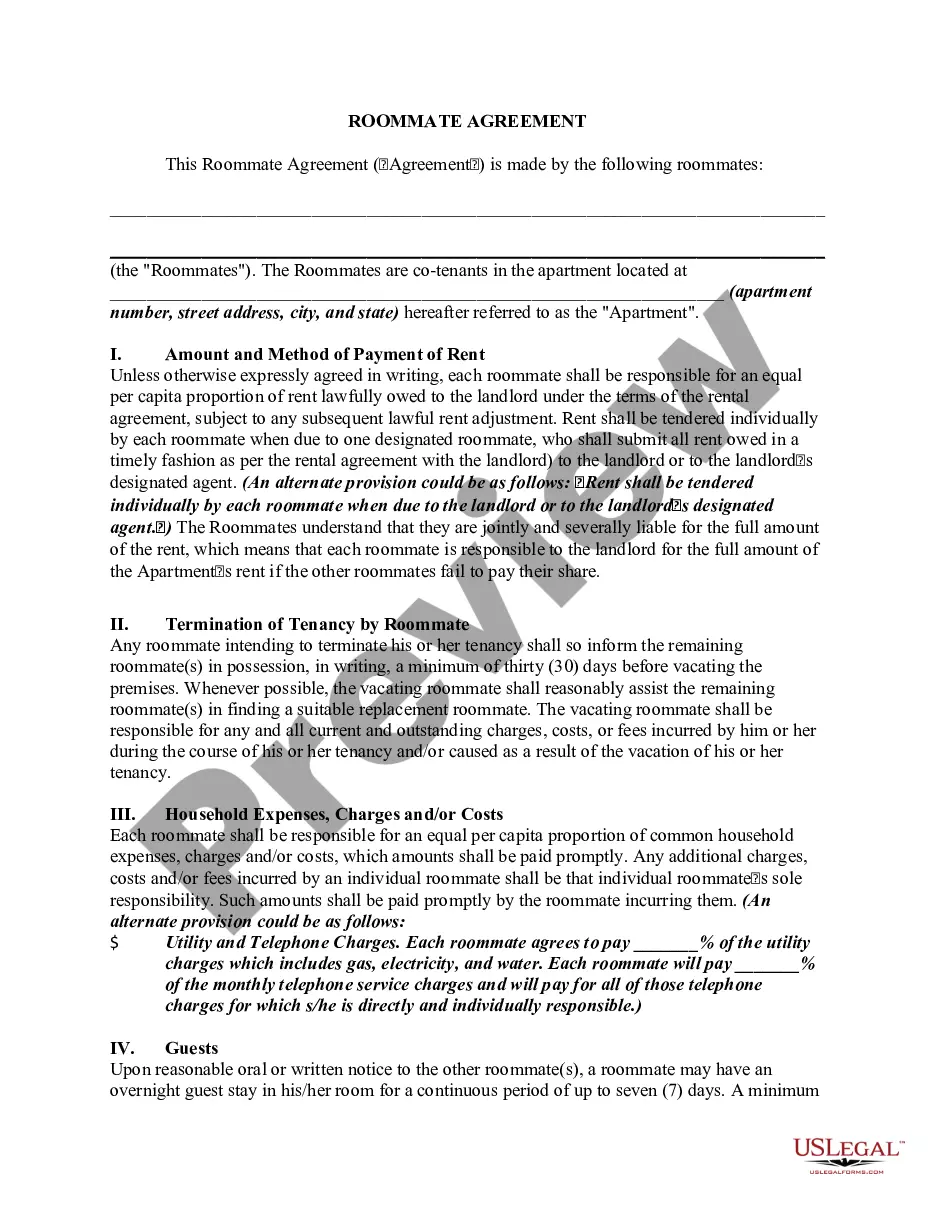
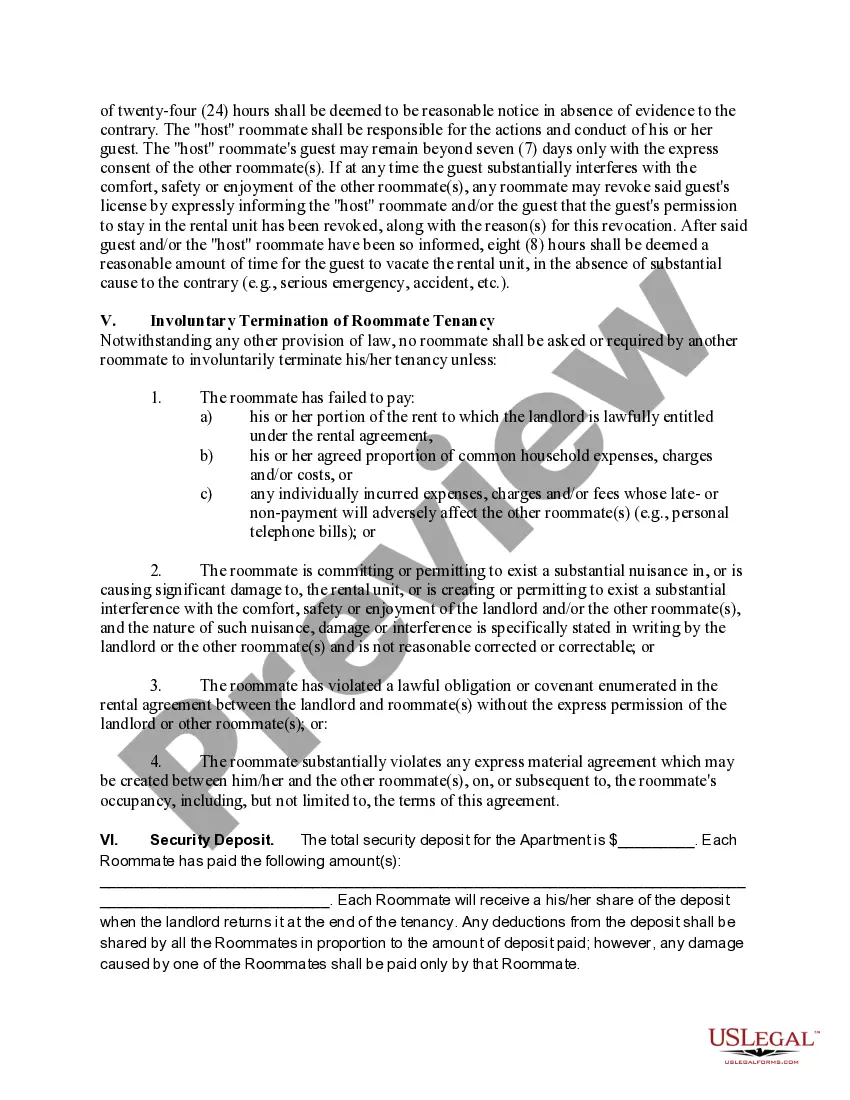
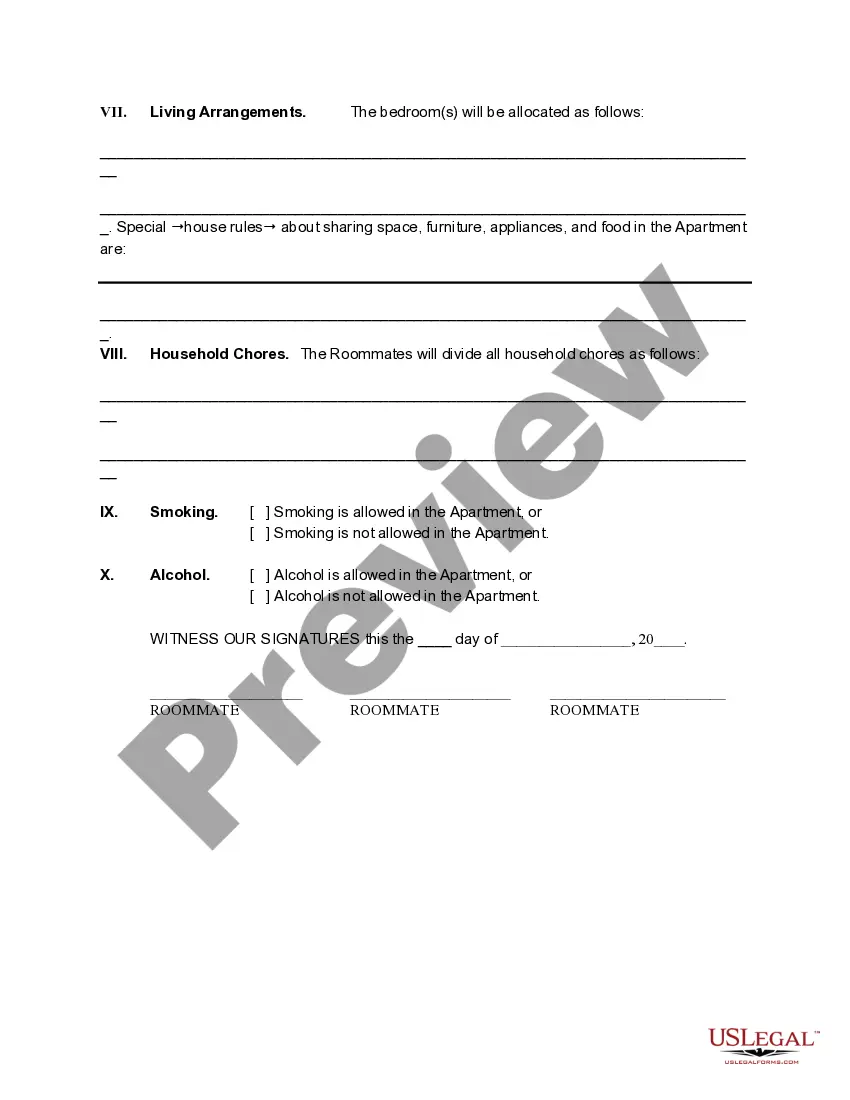

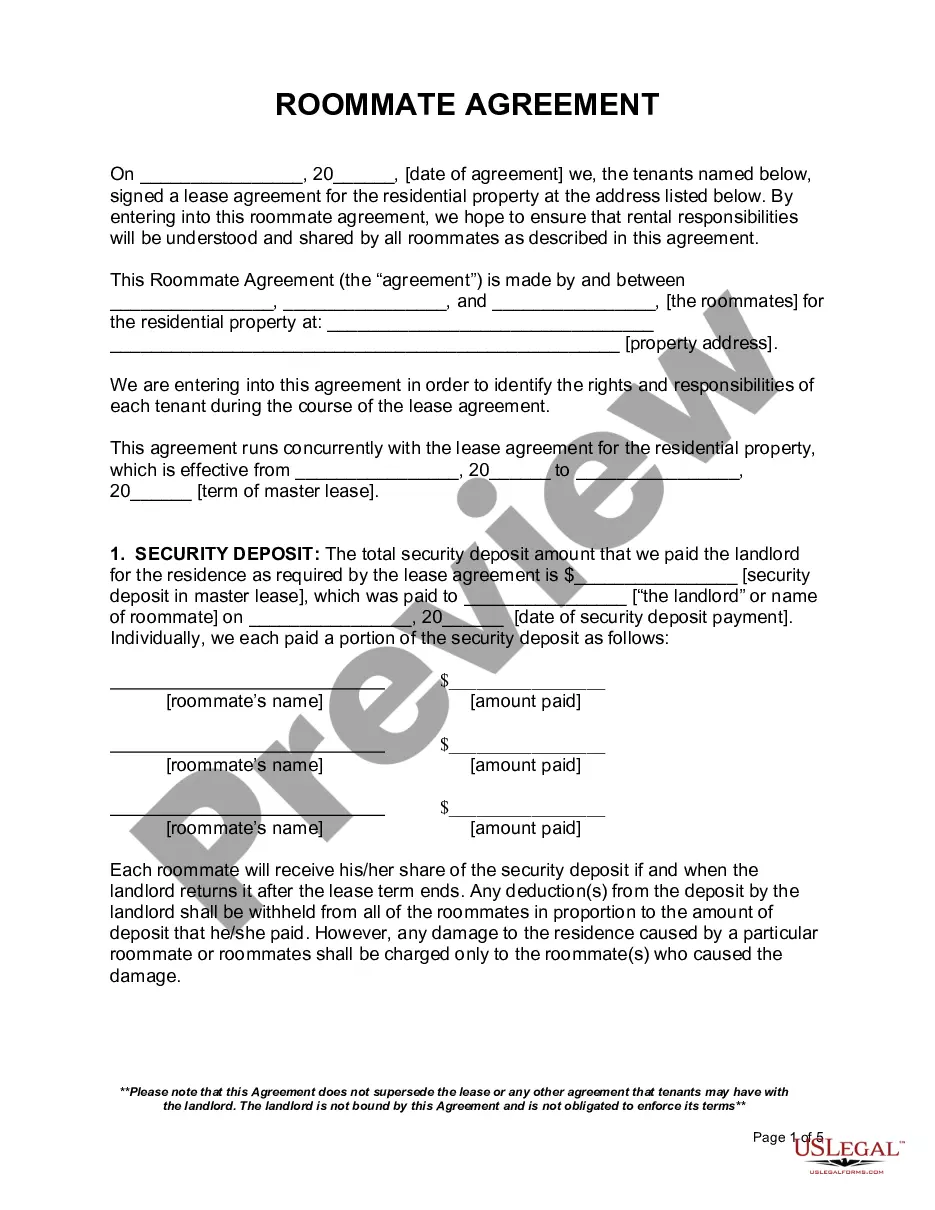
Get your form ready online
Our built-in tools help you complete, sign, share, and store your documents in one place.
Make edits, fill in missing information, and update formatting in US Legal Forms—just like you would in MS Word.
Download a copy, print it, send it by email, or mail it via USPS—whatever works best for your next step.
Sign and collect signatures with our SignNow integration. Send to multiple recipients, set reminders, and more. Go Premium to unlock E-Sign.
If this form requires notarization, complete it online through a secure video call—no need to meet a notary in person or wait for an appointment.
We protect your documents and personal data by following strict security and privacy standards.

Make edits, fill in missing information, and update formatting in US Legal Forms—just like you would in MS Word.

Download a copy, print it, send it by email, or mail it via USPS—whatever works best for your next step.

Sign and collect signatures with our SignNow integration. Send to multiple recipients, set reminders, and more. Go Premium to unlock E-Sign.

If this form requires notarization, complete it online through a secure video call—no need to meet a notary in person or wait for an appointment.

We protect your documents and personal data by following strict security and privacy standards.
Looking for another form?



Form popularity
FAQ
Generally 48 months is the ``sweet spot'' for leasing, but if you want a newer car - sooner - then go for the 36 month lease instead.
Related Definitions Annual Lease Payments means, for each 12-month period ending on August 1, the total Lease Payments due in such period.
A break clause in a commercial lease (also known as 'an option to determine') is fairly common. It allows both parties flexibility if any issues or changes in circumstances occur, and provides the parties with a mechanism to terminate the agreement early if certain criteria are met.
An option clause is a term in a commercial lease that allows a tenant to renew their lease at the end of the original lease period, if they meet certain conditions. Landlords are not obliged to offer a renewal option.
For example, a tenant and landlord may agree to a five-year lease with a five-year option to renew. At the end of the first five years, the tenant is given the chance to continue the lease for another five years. If you think you may renew, be sure to bring up extension provisions with your landlord.
Before your landlord can file an eviction lawsuit against you, they must give you a written notice to vacate. This notice must give you at least three days to move out, unless your lease allows for a shorter time.
Texas is a landlord-friendly state, and rent-to-own contracts typically fall under the category of executory contracts. They must comply with specific laws, such as: Sellers must disclose property conditions accurately. Buyers must adhere to the agreed payment schedule.
Leases are required in Texas for tenancies lasting longer than a year, and they provide you with legal protection in court. If you don't have a lease agreement, though, you can still evict a tenant as long as you follow Texas eviction laws.
Starting the Process: Providing A Proper Eviction Notice If there's no written lease, you must provide a 30-day notice to vacate. This notice should clearly state that the family member must leave the property within the specified time period.
