Adding Girlfriend To Lease In New York
Description

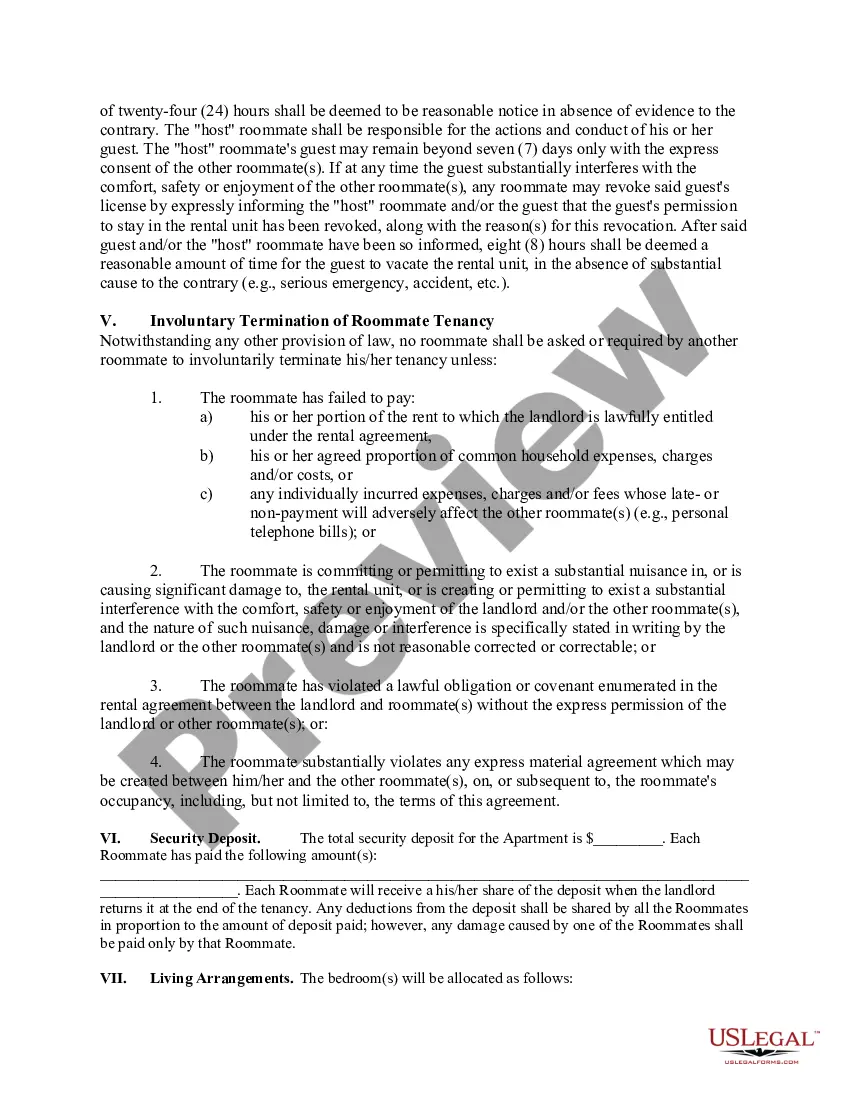
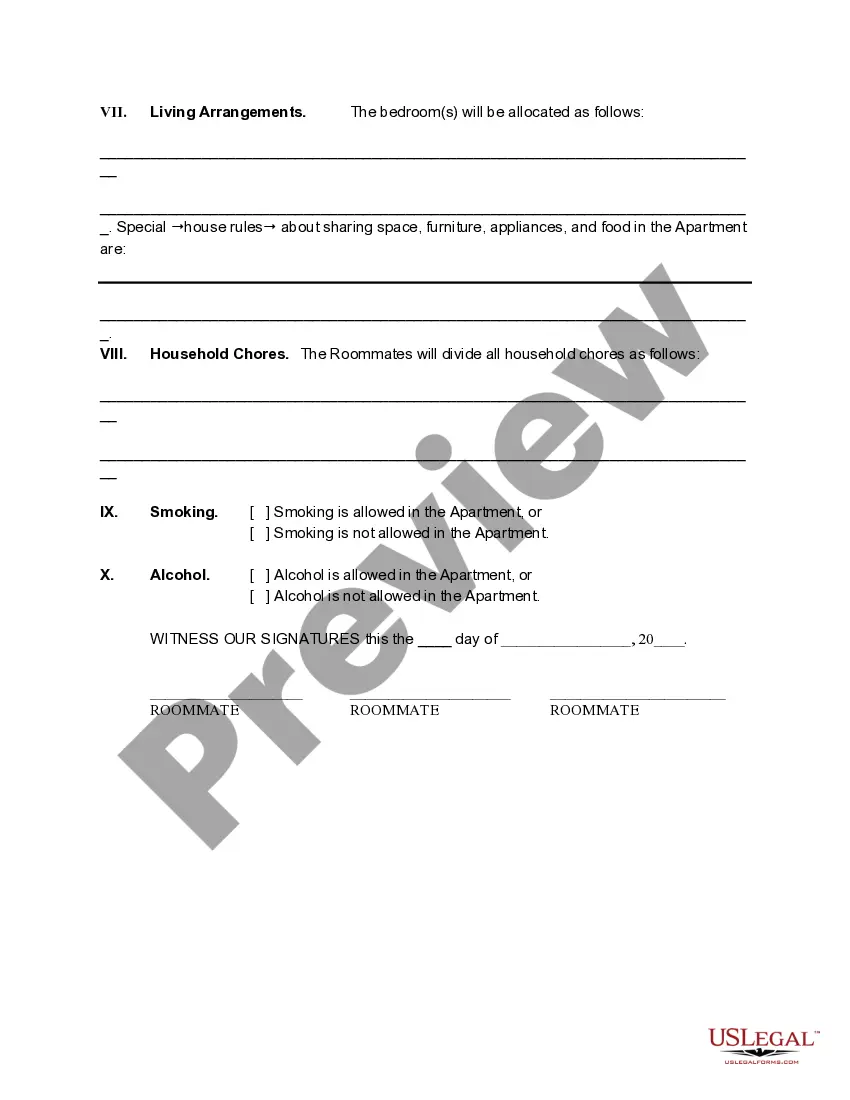

Get your form ready online
Our built-in tools help you complete, sign, share, and store your documents in one place.
Make edits, fill in missing information, and update formatting in US Legal Forms—just like you would in MS Word.
Download a copy, print it, send it by email, or mail it via USPS—whatever works best for your next step.
Sign and collect signatures with our SignNow integration. Send to multiple recipients, set reminders, and more. Go Premium to unlock E-Sign.
If this form requires notarization, complete it online through a secure video call—no need to meet a notary in person or wait for an appointment.
We protect your documents and personal data by following strict security and privacy standards.

Make edits, fill in missing information, and update formatting in US Legal Forms—just like you would in MS Word.

Download a copy, print it, send it by email, or mail it via USPS—whatever works best for your next step.

Sign and collect signatures with our SignNow integration. Send to multiple recipients, set reminders, and more. Go Premium to unlock E-Sign.

If this form requires notarization, complete it online through a secure video call—no need to meet a notary in person or wait for an appointment.

We protect your documents and personal data by following strict security and privacy standards.
Looking for another form?





Form popularity
FAQ
Yes. The tenant has the right to request that the owner add the name of his, her or their spouse to the lease as an additional tenant if the spouse resides in the apartment as a primary residence. The owner is required to add the additional names at the time of lease renewal.
When only one tenant is named on a lease, the tenant has the right to take in a roommate and the roommate's dependent children. When two or more tenants are named on the lease, the number of tenants and roommates cannot exceed the number of tenants named in the lease.
Most standard leases require you to allow your apartment to be shown with reasonable notice. To disallow it means losing your security deposit.
When only one tenant is named on a lease, the tenant has the right to take in a roommate and the roommate's dependent children. When two or more tenants are named on the lease, the number of tenants and roommates cannot exceed the number of tenants named in the lease.
Basically anyone who is living there needs to be on the lease with your approval so that they are clearly held to the same responsibilities to you as any other tenant. You want as many people liable for your property as there are adults living there. Always.
You are not required to tell you landlord nor can they inhibit the guest from entry. If they ask, you are required to say but nothing actually has to be done during your existing lease. I went through the same thing last year when my gf moved in for a few months, also a rent stabilized place.
You are not required to tell you landlord nor can they inhibit the guest from entry. If they ask, you are required to say but nothing actually has to be done during your existing lease. I went through the same thing last year when my gf moved in for a few months, also a rent stabilized place.
When only one tenant is named on a lease, the tenant has the right to take in a roommate and the roommate's dependent children. When two or more tenants are named on the lease, the number of tenants and roommates cannot exceed the number of tenants named in the lease.
Adding someone to your tenancy means you both become joint tenants. It's not the same as passing your tenancy on to someone else. You need permission from your landlord to add someone as a joint tenant.
