Girlfriend Contract With Boyfriend In Maricopa
Description

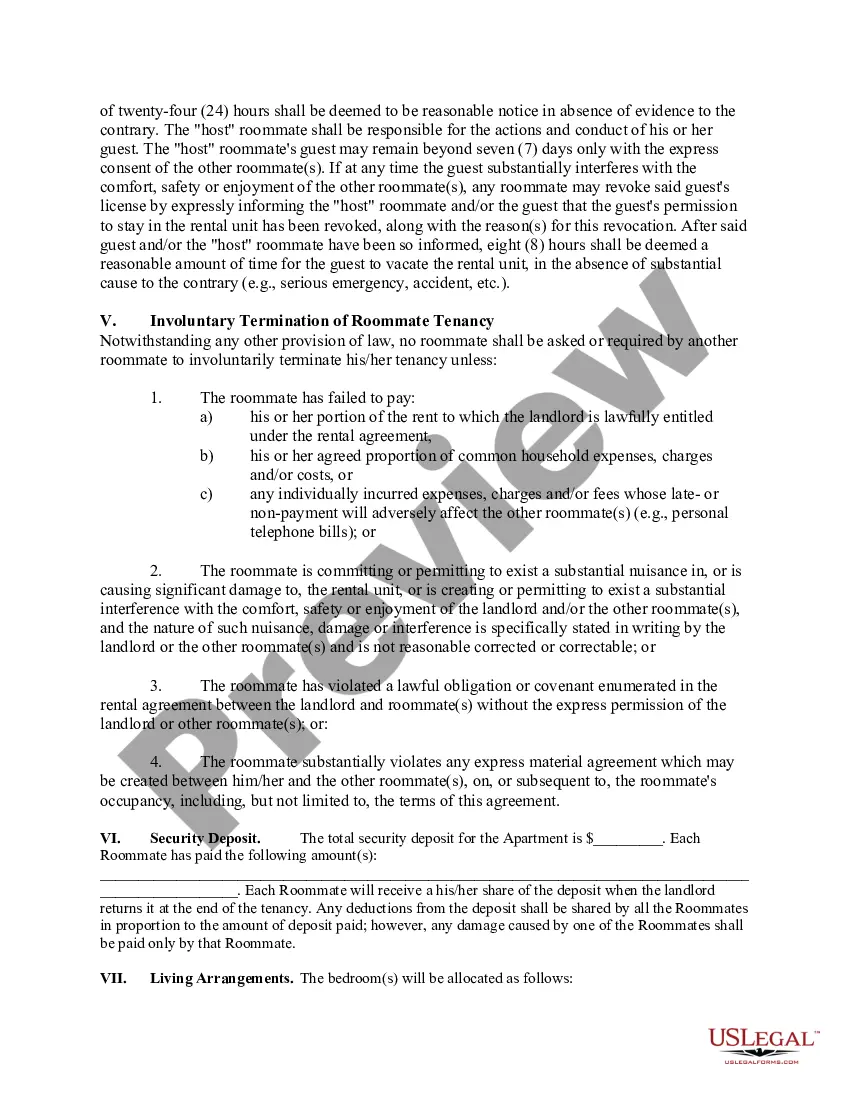
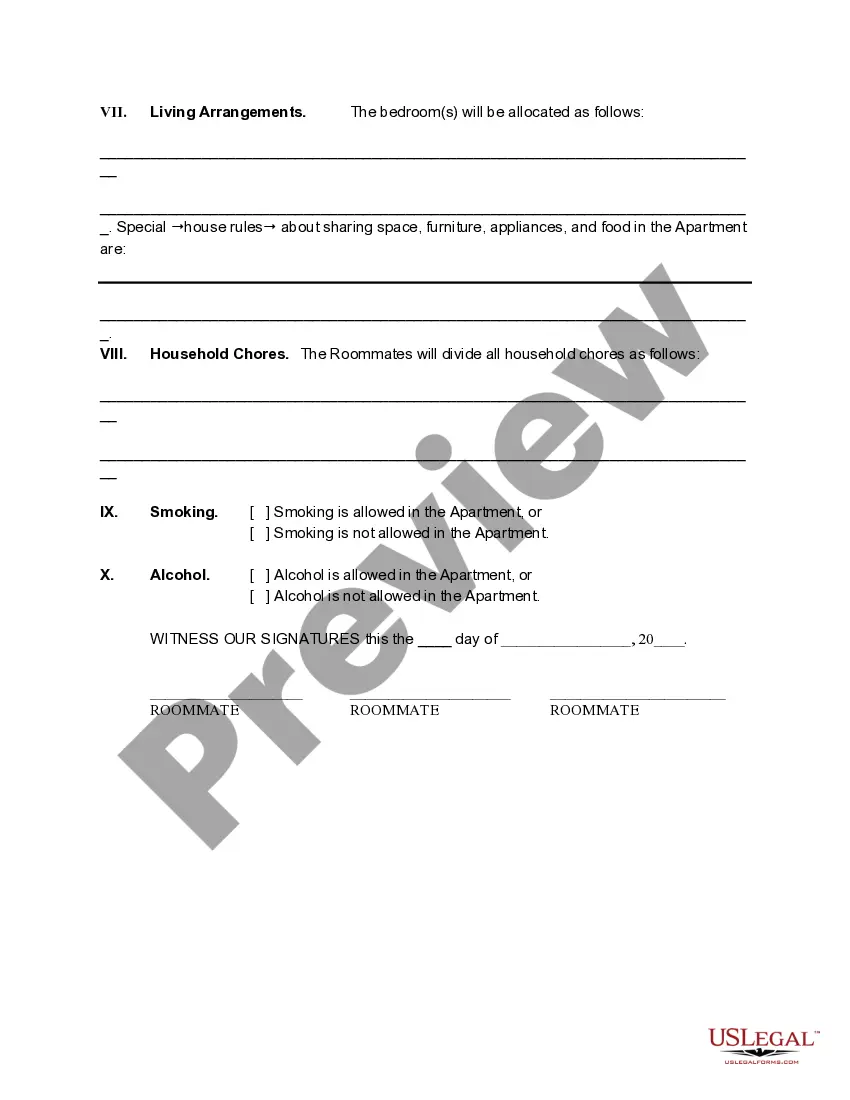

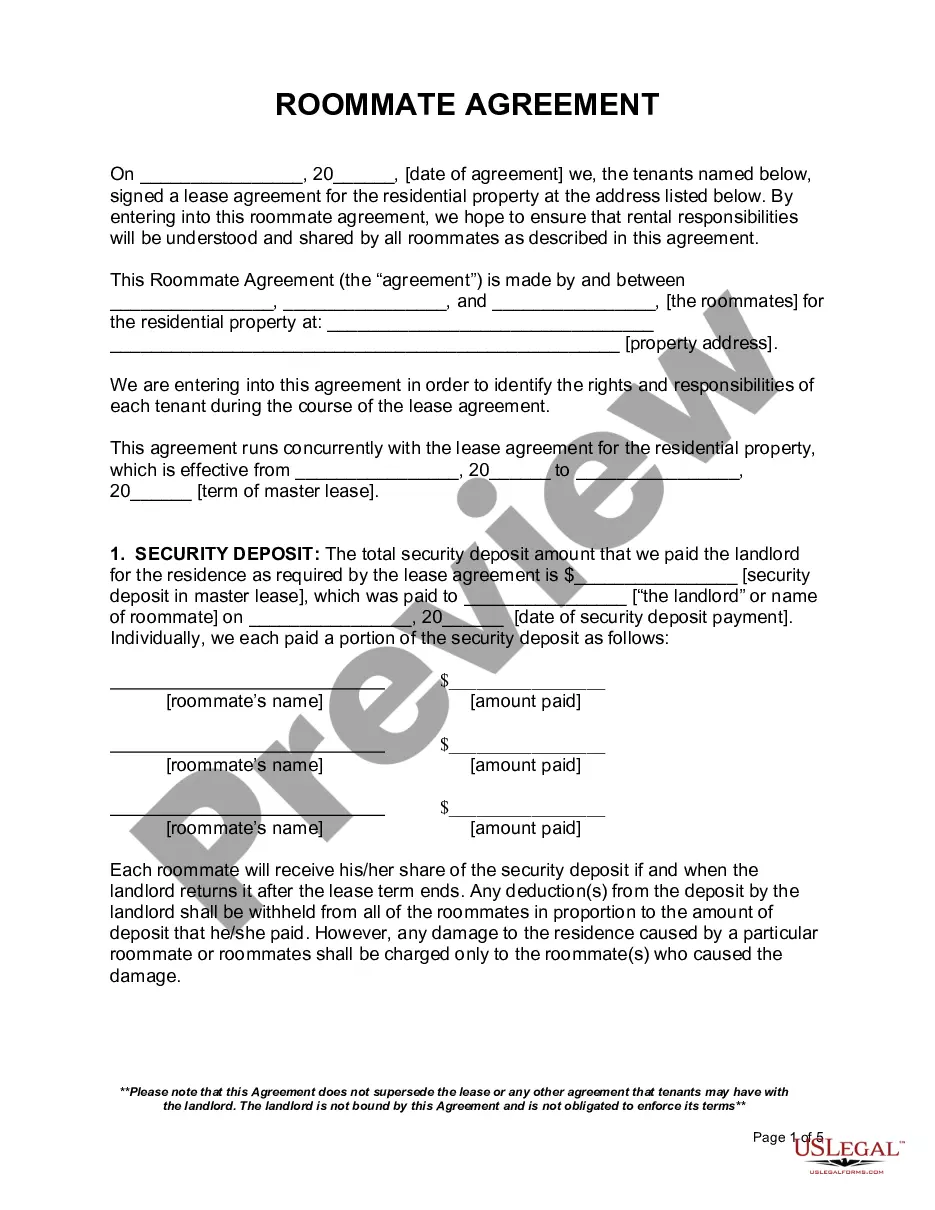
Get your form ready online
Our built-in tools help you complete, sign, share, and store your documents in one place.
Make edits, fill in missing information, and update formatting in US Legal Forms—just like you would in MS Word.
Download a copy, print it, send it by email, or mail it via USPS—whatever works best for your next step.
Sign and collect signatures with our SignNow integration. Send to multiple recipients, set reminders, and more. Go Premium to unlock E-Sign.
If this form requires notarization, complete it online through a secure video call—no need to meet a notary in person or wait for an appointment.
We protect your documents and personal data by following strict security and privacy standards.

Make edits, fill in missing information, and update formatting in US Legal Forms—just like you would in MS Word.

Download a copy, print it, send it by email, or mail it via USPS—whatever works best for your next step.

Sign and collect signatures with our SignNow integration. Send to multiple recipients, set reminders, and more. Go Premium to unlock E-Sign.

If this form requires notarization, complete it online through a secure video call—no need to meet a notary in person or wait for an appointment.

We protect your documents and personal data by following strict security and privacy standards.
Looking for another form?





Form popularity
FAQ
In Arizona, domestic partnerships do not offer the same legal rights as marriage. But partners can still secure certain legal protections through various agreements. These agreements can cover joint property ownership, health care directives, and powers of attorney, ensuring some security.
Married couples enjoy automatic rights under Arizona's community property laws, which consider any assets or debts acquired during the marriage equally owned by both parties. Conversely, cohabitating couples don't have these automatic rights – they must actively create them through a cohabitation agreement.
Couples can sign a cohabitation agreement in Arizona, allowing them to live together and have access to certain rights despite not being married. Still, while the legal rights of married couples are clearly defined, the rights of couples who have signed a cohabitation agreement can become a bit confusing.
Yes, it is possible for a boyfriend and girlfriend to create a contract. This contract could cover various aspects of their relationship, such as financial agreements, living arrangements, division of responsibilities, and expectations from each other.
No, relationships are not informal contracts with explicit terms. If you're just dating or living with another, it is respectful and courteous to treat them the way you would want to be treated--or even the way they wish to be treated. But it's not something that you're committing to. That's what marriage is for.
A contractual relationship is a legally binding agreement between two or more parties. Each party agrees to fulfill certain obligations in exchange for receiving specified benefits or considerations.
Yes, it is possible for a boyfriend and girlfriend to create a contract. This contract could cover various aspects of their relationship, such as financial agreements, living arrangements, division of responsibilities, and expectations from each other.
Cohabitation Agreements Generally This means that both parties have a legal and ethical obligation to act in each other's best interests on financial matters. It must address joint accounts, joint debts, joint property, and any financial support if the relationship ends (“palimony").
Here are some examples: Exclusivity: "We agree to have a monogamous relationship in which we are sexually exclusive. Living arrangements: "We agree to live together. Finances: "We agree to have separate bank accounts. Goals: "We agree to support each other in our career and personal goals.
