Girlfriend Contract With Friends In Florida
Description

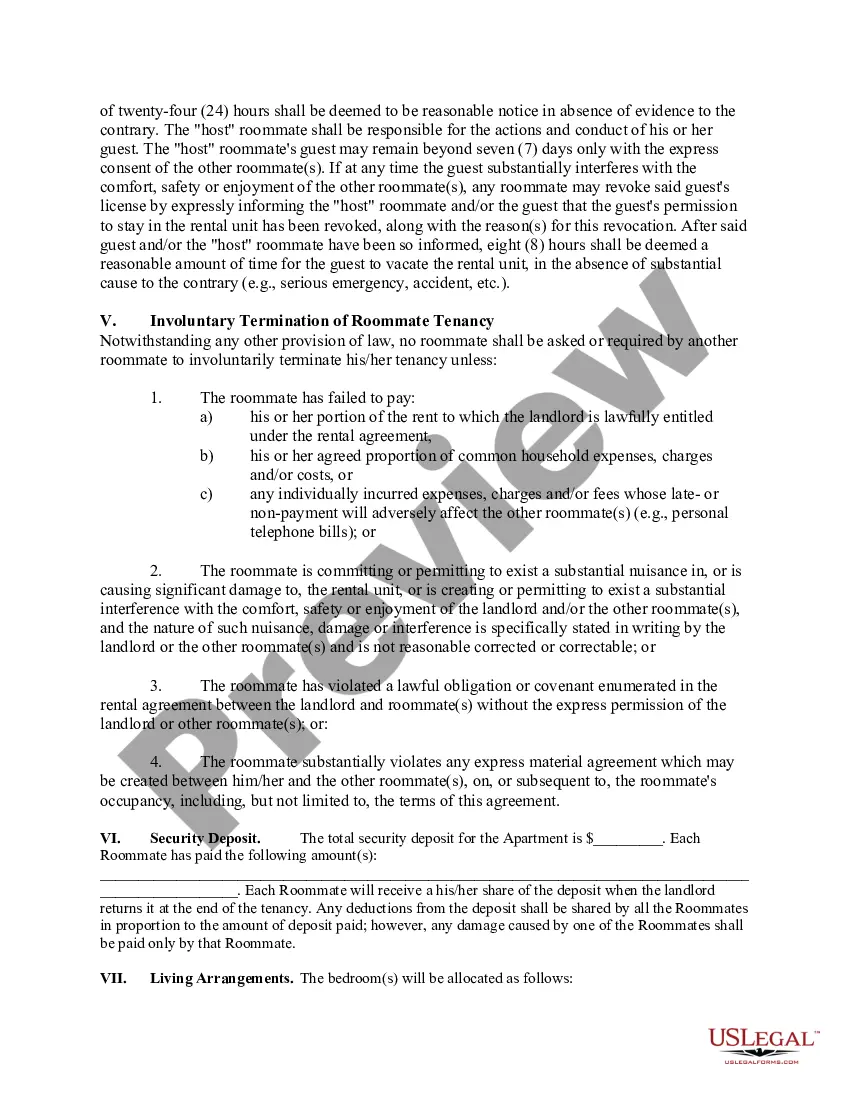
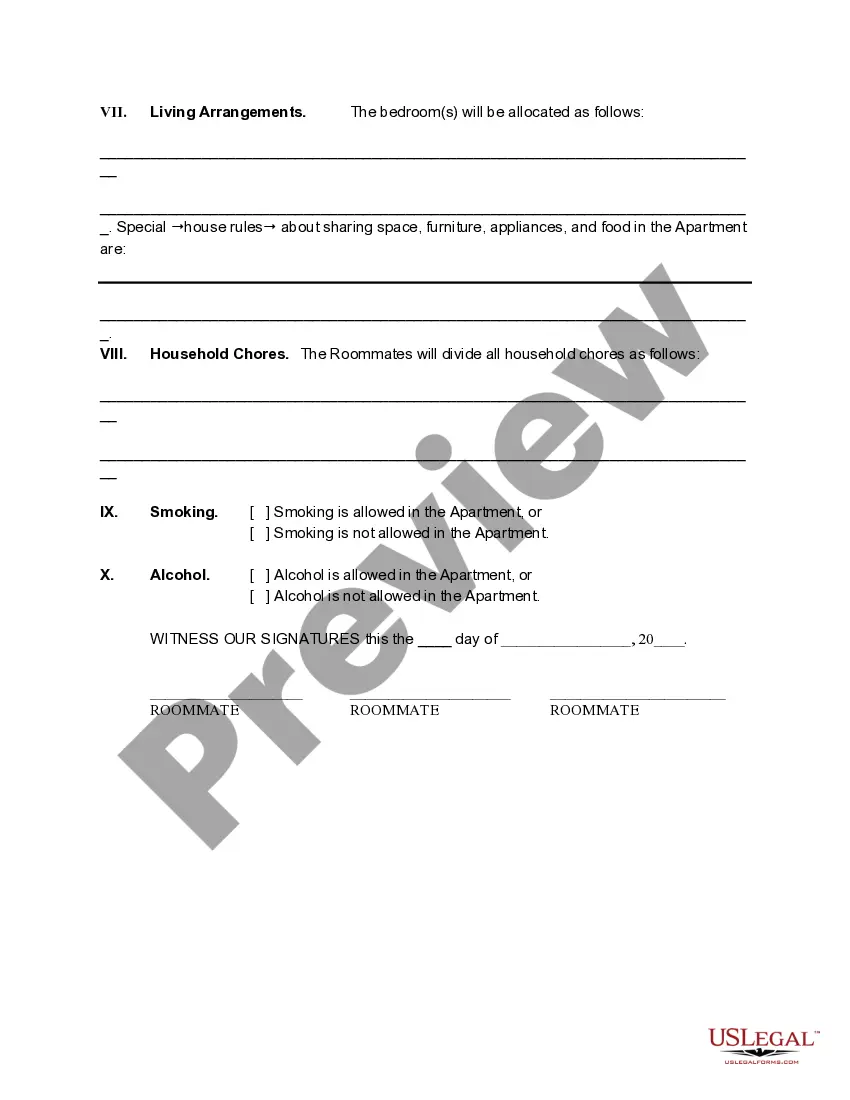

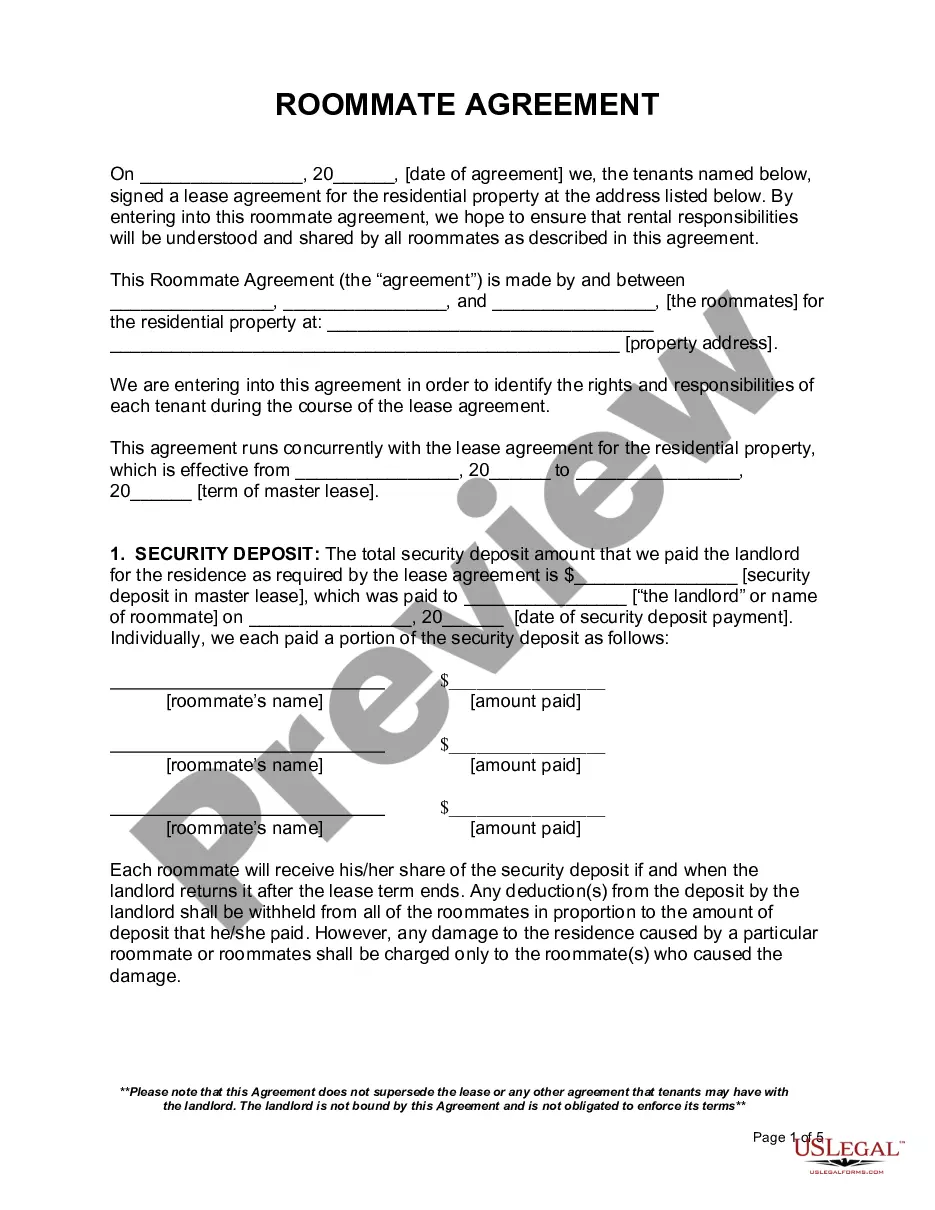
Get your form ready online
Our built-in tools help you complete, sign, share, and store your documents in one place.
Make edits, fill in missing information, and update formatting in US Legal Forms—just like you would in MS Word.
Download a copy, print it, send it by email, or mail it via USPS—whatever works best for your next step.
Sign and collect signatures with our SignNow integration. Send to multiple recipients, set reminders, and more. Go Premium to unlock E-Sign.
If this form requires notarization, complete it online through a secure video call—no need to meet a notary in person or wait for an appointment.
We protect your documents and personal data by following strict security and privacy standards.

Make edits, fill in missing information, and update formatting in US Legal Forms—just like you would in MS Word.

Download a copy, print it, send it by email, or mail it via USPS—whatever works best for your next step.

Sign and collect signatures with our SignNow integration. Send to multiple recipients, set reminders, and more. Go Premium to unlock E-Sign.

If this form requires notarization, complete it online through a secure video call—no need to meet a notary in person or wait for an appointment.

We protect your documents and personal data by following strict security and privacy standards.
Looking for another form?








Form popularity
FAQ
No, common-law marriages in Florida do not exist. Florida does not recognize couples as having entered into a marriage relationship or agreement after seven years—or any other length of time—of living together, even if the couple has otherwise developed the habits of and reputation as a married couple.
No, common-law marriages in Florida do not exist. Florida does not recognize couples as having entered into a marriage relationship or agreement after seven years—or any other length of time—of living together, even if the couple has otherwise developed the habits of and reputation as a married couple.
The Legal Status of Cohabitating Partners Cohabitating partners do not have the same legal status as married couples. Without a marriage certificate, cohabitating partners are not legally recognized as spouses. This means they do not have automatic rights to each other's property or assets in the event of a separation.
What determines who gets the house when an unmarried couple splits up in Florida? In determining who gets the house when an unmarried couple splits up in Florida, legal ownership plays a pivotal role. If the property deed lists only one partner's name, that individual is generally considered the sole owner.
The answer is yes. Although unwed individuals may not have as many legal rights as those who are married, Florida law does provide some rights and relief. Let's take a home for example. Say Betty and Fred, an unwed couple, are both listed on the home's deed and mortgage as Joint Tenants.
While not an official law, many Florida courts institute a “7-year” rule when it comes to the length of the marriage. If the marriage has lasted longer than seven years, it's considered a “long marriage”, while a “short marriage” is one that lasts less than seven years.
Cohabitation agreements are valid and enforceable in the State of Florida if drafted properly. This is not something you should draft on your own. There must be consideration for the cohabitation agreement other than sexual relations. A cohabitation agreement must also be in writing.
By virtue of being the marital home, both spouses have the right to be in the marital home. So, neither one has a superior right over the other regardless of who's right and who's wrong and whoever's opinion. So, the bottom line is, under Florida law, you don't have any right to evict your spouse from the house.
Unlike an Eviction, a Homeowner does not have to give notice to the Family member or individual that they are trying to remove. This is because there is no Landlord/Tenant Relationship. Once you file the Unlawful Detainer, they have 5 days to respond.
If you need to remove your ex from the home, your divorce lawyer can file a motion for exclusive use and possession on your behalf. Your attorney will present evidence to the court to demonstrate why granting you exclusive possession is in the best interest of you and your family.
