Girlfriend Contract With Friends In Arizona
Description

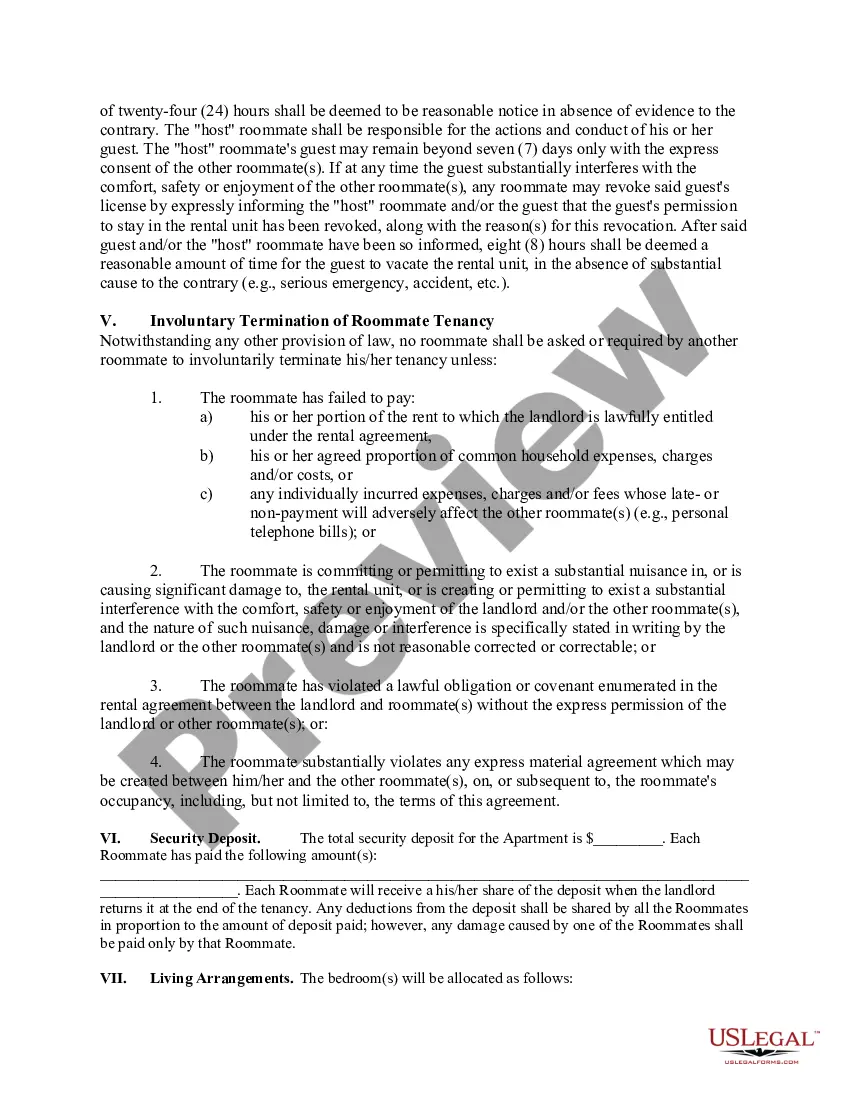
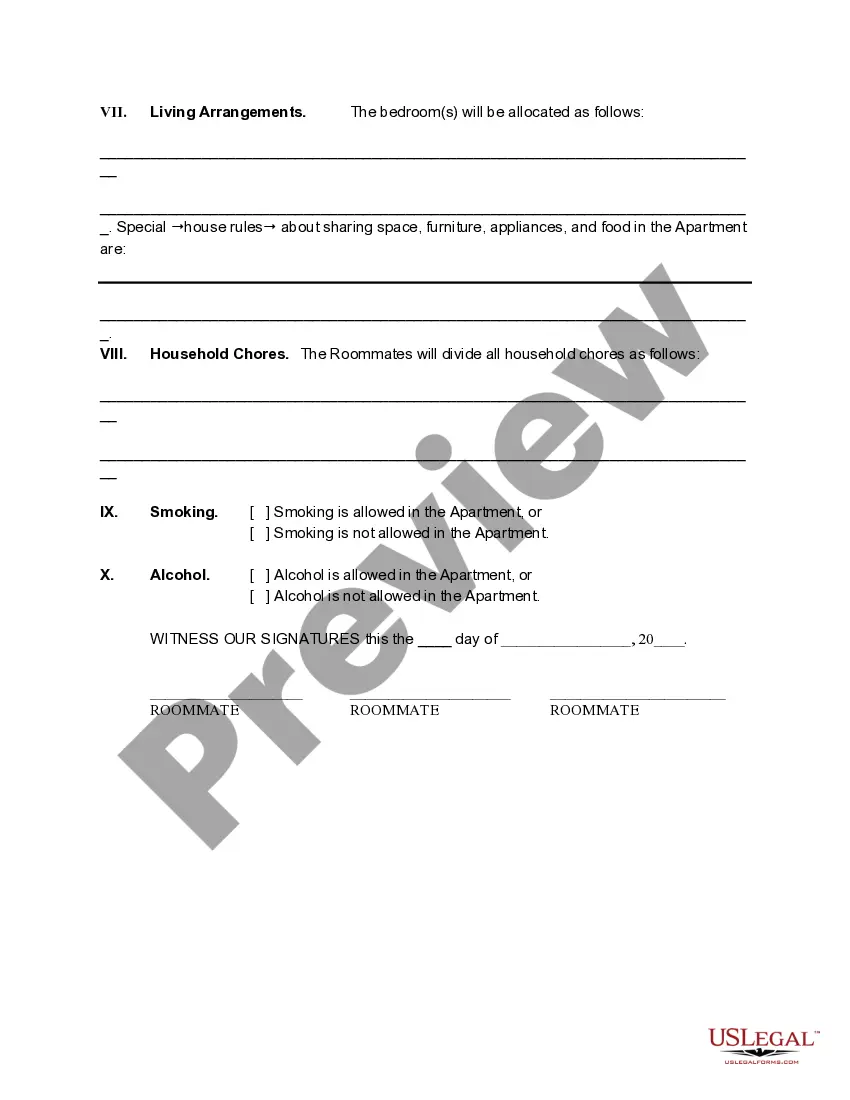

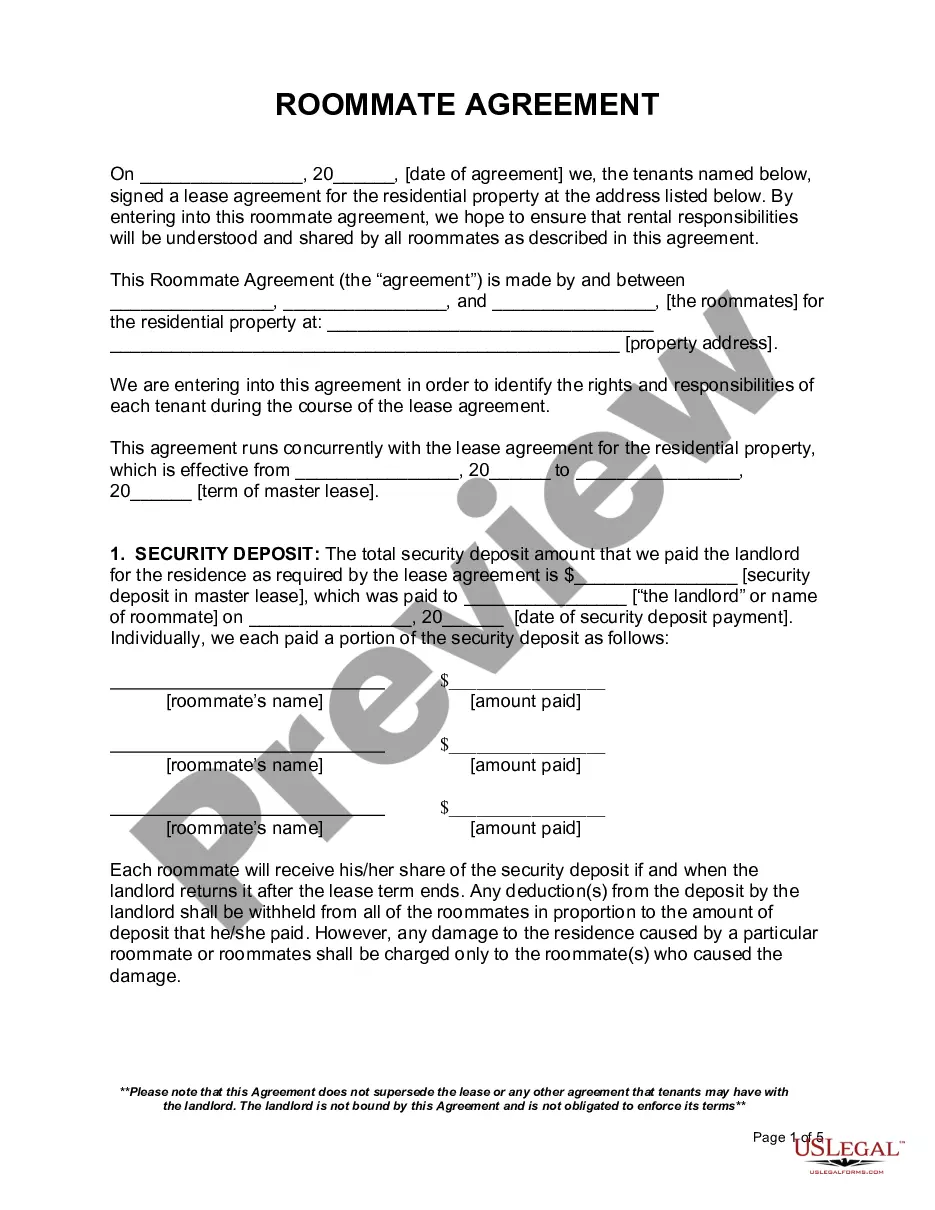
Get your form ready online
Our built-in tools help you complete, sign, share, and store your documents in one place.
Make edits, fill in missing information, and update formatting in US Legal Forms—just like you would in MS Word.
Download a copy, print it, send it by email, or mail it via USPS—whatever works best for your next step.
Sign and collect signatures with our SignNow integration. Send to multiple recipients, set reminders, and more. Go Premium to unlock E-Sign.
If this form requires notarization, complete it online through a secure video call—no need to meet a notary in person or wait for an appointment.
We protect your documents and personal data by following strict security and privacy standards.

Make edits, fill in missing information, and update formatting in US Legal Forms—just like you would in MS Word.

Download a copy, print it, send it by email, or mail it via USPS—whatever works best for your next step.

Sign and collect signatures with our SignNow integration. Send to multiple recipients, set reminders, and more. Go Premium to unlock E-Sign.

If this form requires notarization, complete it online through a secure video call—no need to meet a notary in person or wait for an appointment.

We protect your documents and personal data by following strict security and privacy standards.
Looking for another form?
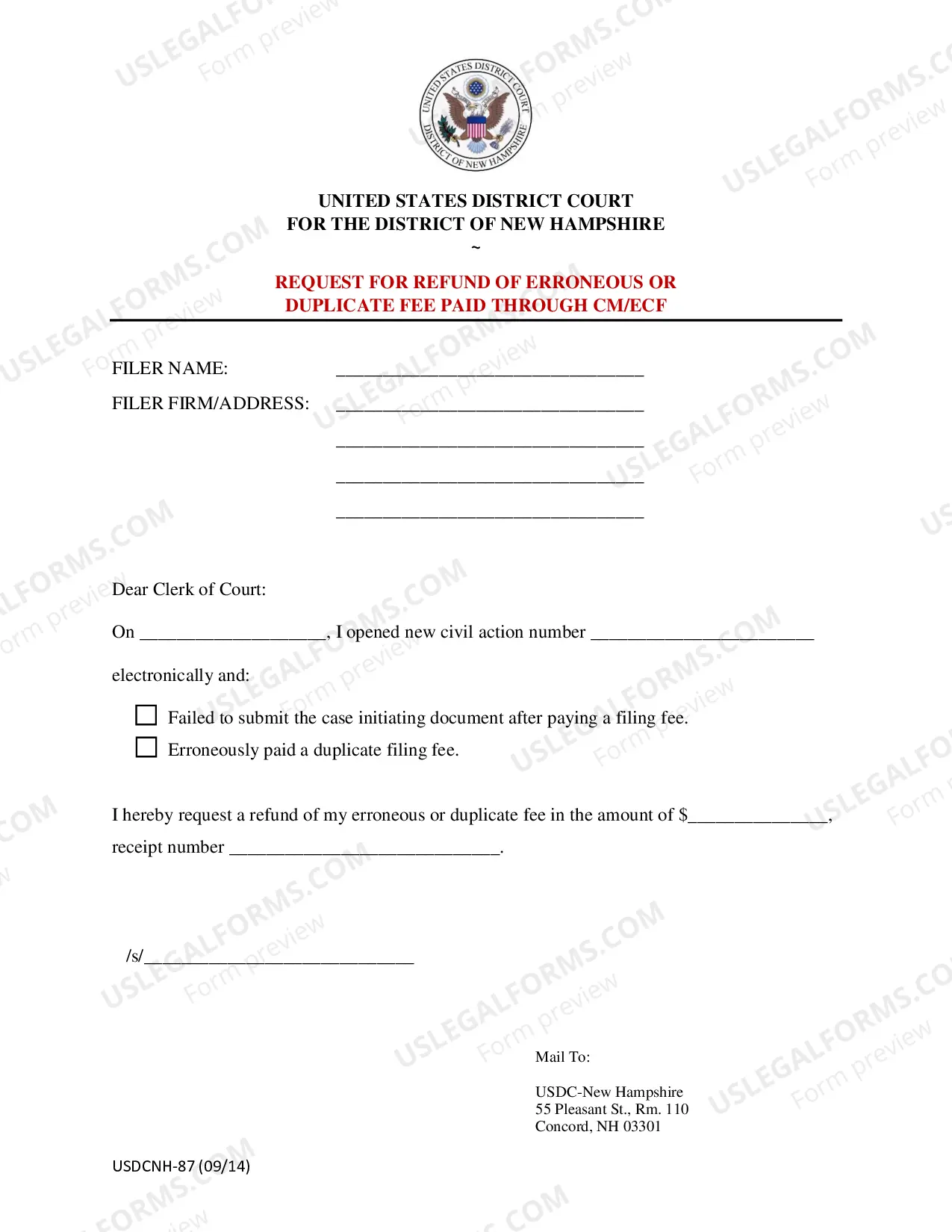




Form popularity
FAQ
Arizona, like several other states, operates under the community property principle. This means that any assets or debts acquired during the marriage belong equally to both spouses, regardless of whose name is on the title or deed.
Typically, a document that includes an offer, acceptance, and appropriate consideration will be considered legally binding. In most cases, a contract is binding in Arizona even if the parties signed it in another state.
Arizona, however, does not recognize new common law marriages, and the state has never recognized it in the past. That means that if you and your partner have lived together for a decade in Arizona, you aren't considered married unless you fulfill a marriage license or have an official wedding ceremony.
While Arizona law does not expressly recognize common-law marriages established within the state, it does respect the legitimacy of cohabitation agreements under contract law. Arizona Revised Statutes (ARS) § 25-213 allows couples to control their property rights through contractual means.
Ing to Arizona statute Title 13-1302, "If a child is born out of wedlock, the mother is the legal custodian of the child for the purposes of this section until paternity is established and custody or access is determined by a court."Generally, paternity can be established in two ways: presumed or court-ordered.
Laws in Arizona regarding community property do not apply to unmarried couples, and this state does not recognize common law marriage. Each unmarried partner is presumed to own their own property and debts unless they have deliberately combined them.
The main purpose of a relationship contract is to create safety. In our context, the relationship contract isn't something that is legally binding (like marriage or prenups), it's much more a fluid agreement that you and your partner get to co-create and re-create.
Additionally, among the common “marriage myths” is the oft-heard: “Well, if you live with someone seven years, then you are legally married.” This might be true in some states, but not in Arizona.
Unlike alimony, which is a legal obligation on a person to provide financial support to their spouse before or after marital separation or divorce, palimony is financial support given to a partner after the termination of a non-marital relationship. It's important to note that in Arizona, palimony isn't recognized.
In situations like yours, other states have created what is called “palimony,” which allows spousal maintenance for people who never legally married. Arizona is not one of those states. So, people who live together for decades but never marry are not entitled to spousal maintenance.
