Adding Girlfriend To Lease In Alameda
Description

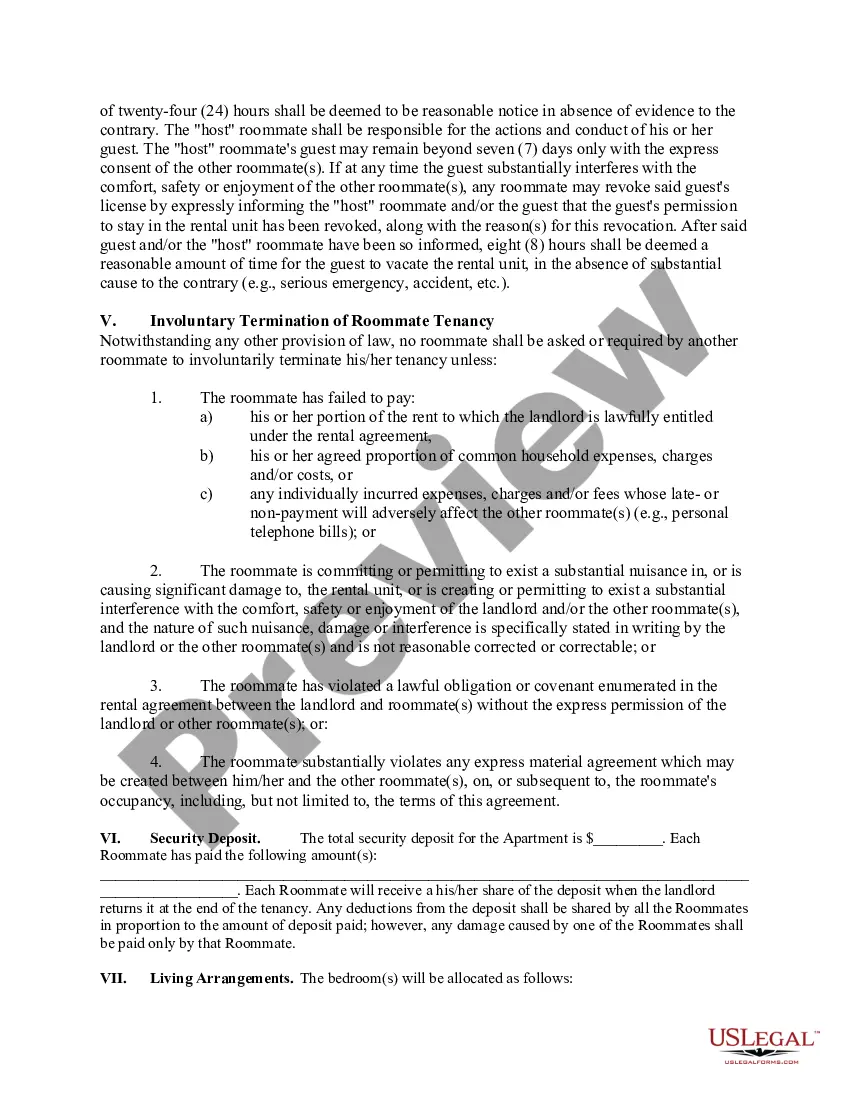
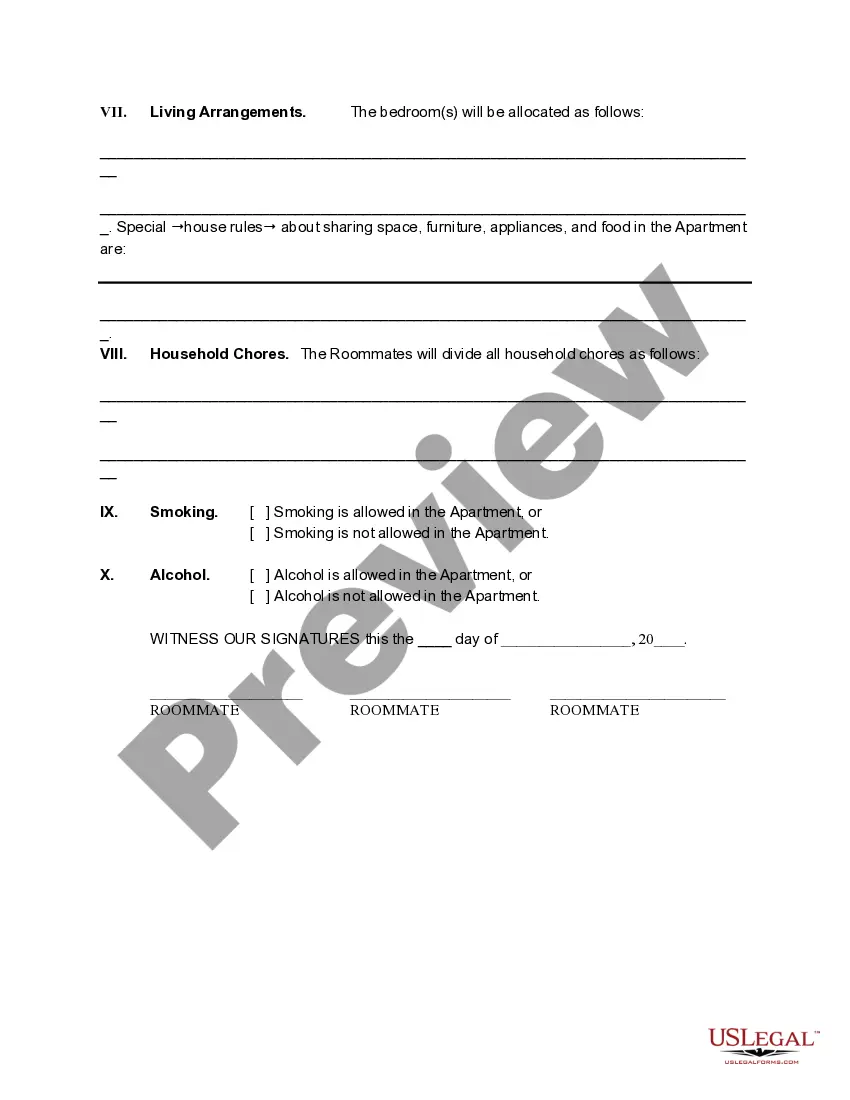

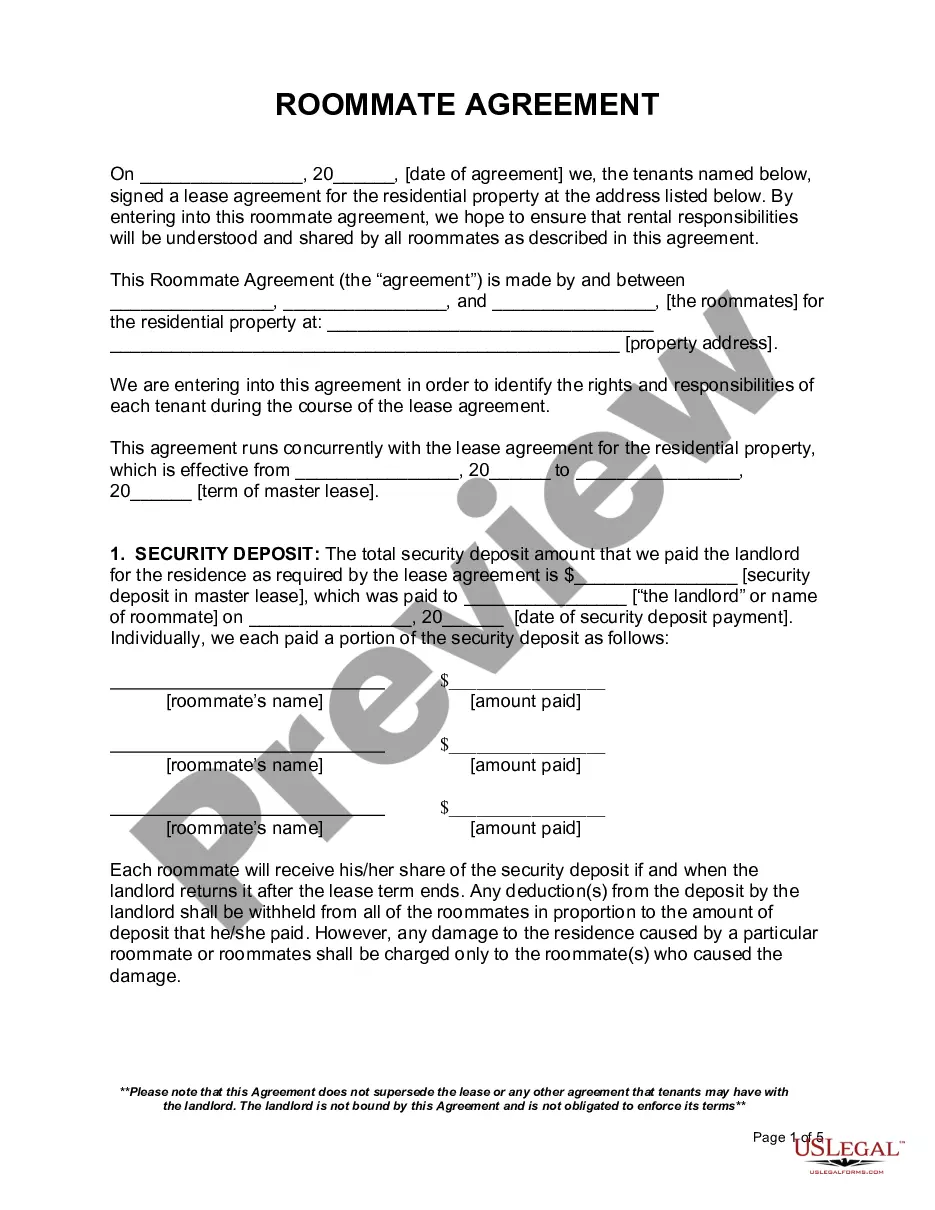
Get your form ready online
Our built-in tools help you complete, sign, share, and store your documents in one place.
Make edits, fill in missing information, and update formatting in US Legal Forms—just like you would in MS Word.
Download a copy, print it, send it by email, or mail it via USPS—whatever works best for your next step.
Sign and collect signatures with our SignNow integration. Send to multiple recipients, set reminders, and more. Go Premium to unlock E-Sign.
If this form requires notarization, complete it online through a secure video call—no need to meet a notary in person or wait for an appointment.
We protect your documents and personal data by following strict security and privacy standards.

Make edits, fill in missing information, and update formatting in US Legal Forms—just like you would in MS Word.

Download a copy, print it, send it by email, or mail it via USPS—whatever works best for your next step.

Sign and collect signatures with our SignNow integration. Send to multiple recipients, set reminders, and more. Go Premium to unlock E-Sign.

If this form requires notarization, complete it online through a secure video call—no need to meet a notary in person or wait for an appointment.

We protect your documents and personal data by following strict security and privacy standards.
Looking for another form?



Form popularity
FAQ
No, you don't have to be a tenant. Your boyfriend can be the tenant. In Ontario, landlords aren't allowed to deny tenants the right to bring in additional occupants, assuming its not an unsafe number of people.
Legally, all tenants do not have to be on a lease agreement in California. However, landlords should definitely consider including all tenants of legal age on the lease. There are some exceptions to this rule, though, depending on the situation of your tenant.
A landlord usually requires that everyone who is living in a rental unit be named on the lease. Landlords have the right to know how many people and who are living in the rental unit. This information is important to ensuring that: the landlord meets Minimum Housing and Health Standards and.
Under s. 10 of the Residential Tenancies Act, and under Regulation 290/98 of the Ontario Human Rights Code, landlords are permitted to use a limited set of criteria when selecting prospective tenants – none of which include how many people will be sharing bedrooms.
For guests staying for an extended period (such as several weeks), the tenant should inform the landlord of the situation. If a landlord tries to evict a tenant for having occupants in a rental unit, tenants can seek dispute resolution.
The short answer is yes, but it's more complicated when there is no written lease in place. As with all evictions, landlords must provide proper notice to quit before they begin a formal eviction process.
Yes. The landlord does not have to allow more than one additional adult or two additional minor de- pendent children. The landlord has the right to approve an additional adult tenant. However, the landlord's approval cannot be unreasonably withheld.
If a purchaser asks the landlord to end a tenancy because the purchaser or close family member wants to occupy the rental unit, the landlord must generate a Three Month Notice to End Tenancy for Purchaser's Use of Property – form RTB-32P using the Residential Tenancy Branch's web portal.
14-Day Guest Policy For example, it is not uncommon for tenancy agreements in BC to have a 14-day per year overnight guest policy.
Your landlord may be allowed to raise your rent for additional occupants, but only if your agreement specifies by how much. If your tenancy agreement does not include such a term, your landlord cannot legally raise your rent when an additional occupant moves in.
