Condo Master Deed And Bylaws In Nassau
Description

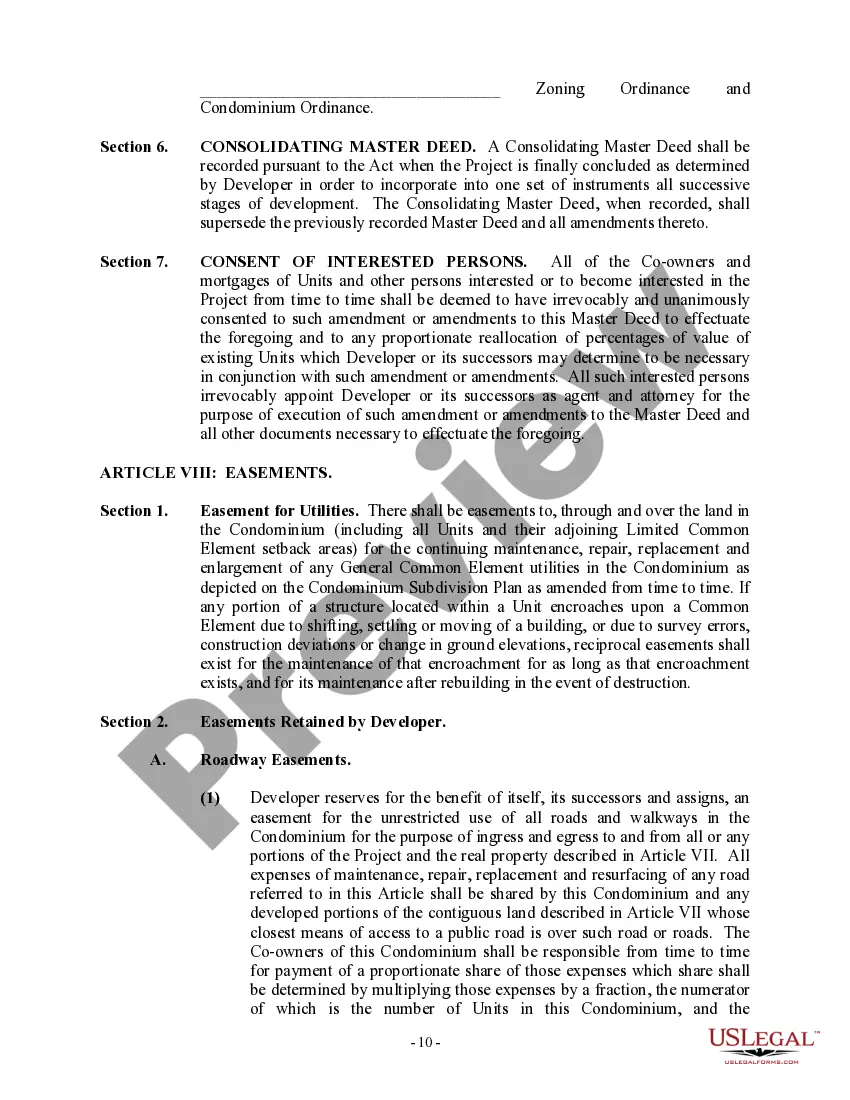


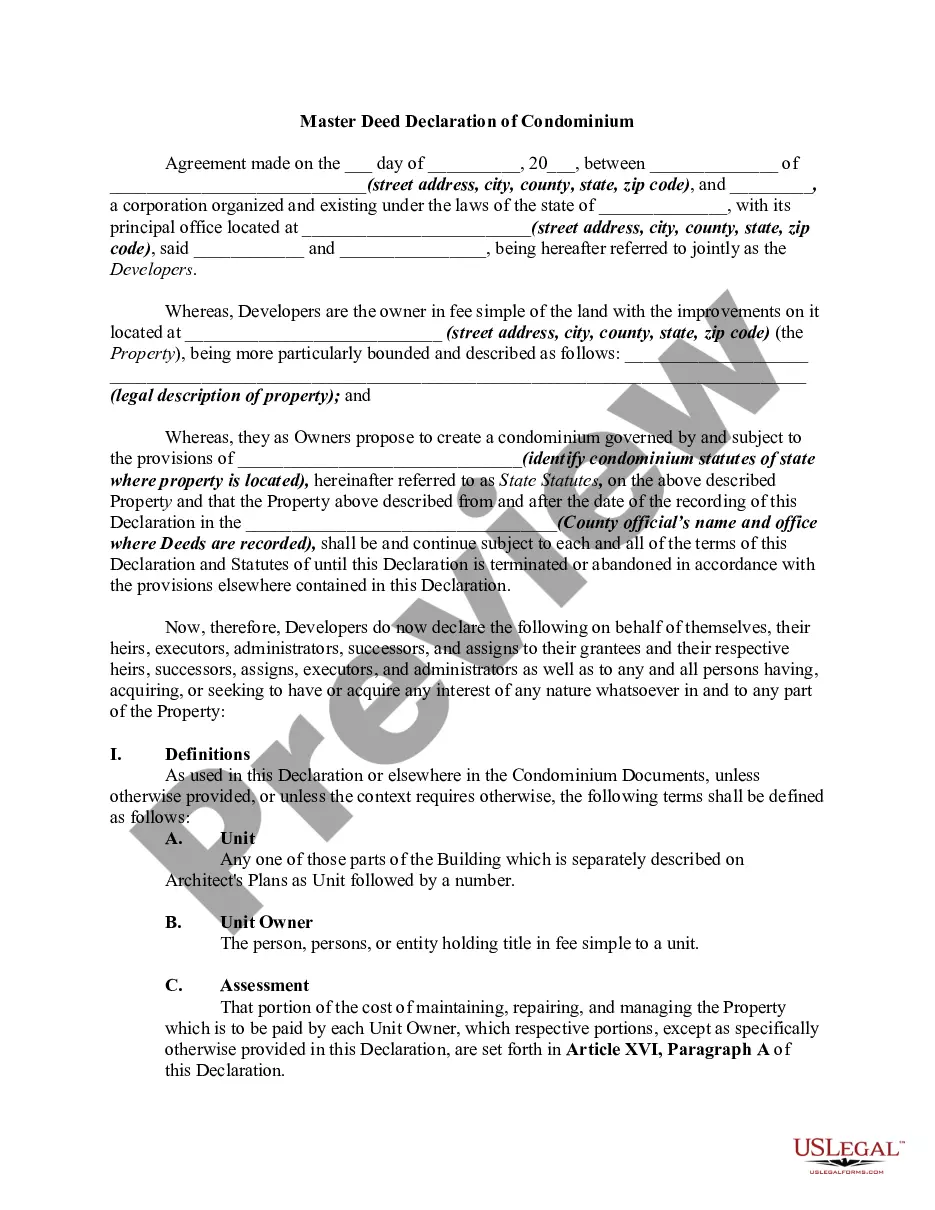
Get your form ready online
Our built-in tools help you complete, sign, share, and store your documents in one place.
Make edits, fill in missing information, and update formatting in US Legal Forms—just like you would in MS Word.
Download a copy, print it, send it by email, or mail it via USPS—whatever works best for your next step.
Sign and collect signatures with our SignNow integration. Send to multiple recipients, set reminders, and more. Go Premium to unlock E-Sign.
If this form requires notarization, complete it online through a secure video call—no need to meet a notary in person or wait for an appointment.
We protect your documents and personal data by following strict security and privacy standards.

Make edits, fill in missing information, and update formatting in US Legal Forms—just like you would in MS Word.

Download a copy, print it, send it by email, or mail it via USPS—whatever works best for your next step.

Sign and collect signatures with our SignNow integration. Send to multiple recipients, set reminders, and more. Go Premium to unlock E-Sign.

If this form requires notarization, complete it online through a secure video call—no need to meet a notary in person or wait for an appointment.

We protect your documents and personal data by following strict security and privacy standards.
Looking for another form?







Form popularity
FAQ
The process to dissolve a inium association in Massachusetts generally includes a vote by unit owners in ance with the rules set out in the governing documents, followed by the legal dissolution procedures such as settling debts and distributing any remaining assets.
Homeowners within the community elect a board of directors to oversee the association and enforce the community's CC&Rs (covenants, conditions, and restrictions).
The rules found in the Massachusetts inium Act include mandatory provisions that must be included in the bylaws, interests in common areas of the inium, and expenses incurred by the unit owners' association. The provisions also explain the fundamental attributes of a inium.
The master deed is one of the documents that transfer property to be owned by the inium. It includes a description of the land and buildings, a description of what is the common area and what the individual owners own, a determination of percentage interest, a plot plan, and use restrictions.
Federal laws - In addition to state law regulations, the federal government has laws that govern the operation of homeowners' associations, iniums, and other residential properties in the state of Massachusetts.
HOAs are critical for the preservation of property values, cultivating a feeling of community, and resolving common concerns. These private entities are regulated by Massachusetts HOA laws and are also obligated to follow the guidelines set out in their own governing documents.
"Owning:" Why Condo Owners Don't Own the Land. One of the main differences between buying a house versus buying a condo is that condo owners are not landowners. A condo owner is purchasing an "interest" in the condo association that runs the day-to-day operations of the building, similar to a homeowners association.
Inium is a Latin word that means "Owning property together." That's what it is like when someone buys a condo unit. They have an "interest" in the land beneath the building, but the building's association owns the actual land.
Ownership of a inium unit is evidenced by a inium certificate of title. With respect to real property other than land and inium units, there is no system that is equivalent to the Torrens system for registration under which a document is issued to evidence the owner's title.
A inium (or condo for short) is an ownership regime in which a building (or group of buildings) is divided into multiple units that are either each separately owned, or owned in common with exclusive rights of occupation by individual owners.
