Master Deed Condominium Meaning In Maricopa
Description



Get your form ready online
Our built-in tools help you complete, sign, share, and store your documents in one place.
Make edits, fill in missing information, and update formatting in US Legal Forms—just like you would in MS Word.
Download a copy, print it, send it by email, or mail it via USPS—whatever works best for your next step.
Sign and collect signatures with our SignNow integration. Send to multiple recipients, set reminders, and more. Go Premium to unlock E-Sign.
If this form requires notarization, complete it online through a secure video call—no need to meet a notary in person or wait for an appointment.
We protect your documents and personal data by following strict security and privacy standards.

Make edits, fill in missing information, and update formatting in US Legal Forms—just like you would in MS Word.

Download a copy, print it, send it by email, or mail it via USPS—whatever works best for your next step.

Sign and collect signatures with our SignNow integration. Send to multiple recipients, set reminders, and more. Go Premium to unlock E-Sign.

If this form requires notarization, complete it online through a secure video call—no need to meet a notary in person or wait for an appointment.

We protect your documents and personal data by following strict security and privacy standards.
Looking for another form?









Form popularity
FAQ
First, search by your address or parcel number to locate your property. The current deed will be located under the "Deed Number" under the section "Owner Information". Once you locate your document, you may view an unofficial copy online.
Adding a family member to the deed as a joint owner for no consideration is considered a gift of 50% of the property's fair market value for tax purposes. If the value of the gift exceeds the annual exclusion limit ($16,000 for 2022) the donor will need to file a gift tax return (via Form 709) to report the transfer.
To transfer ownership of a property to a relative in Arizona, it is necessary to complete and file a legal document known as a deed. The signed deed must then be recorded with the county's land records office where the property resides.
You will need to record a deed to add a name. The deed will need to contain the complete legal description of the parcel you wish to convey. We recommend you have the deed notarized prior to recording it with the county recorder's office.
You will need to record a deed to add a name. The deed will need to contain the complete legal description of the parcel you wish to convey. We recommend you have the deed notarized prior to recording it with the county recorder's office.
While it is not legally required to have an attorney, it is highly recommended to consult with a real estate attorney when dealing with deed transfers in New York and New Jersey. An attorney can ensure that the transfer is conducted correctly, protect your interests, and address any legal issues that may arise.
In New Jersey, transferring real property using TOD deeds upon the owner's death isn't permitted by law. Therefore, real estate in the state typically goes through the probate process, unless it's held in a trust or owned jointly with rights of survivorship.
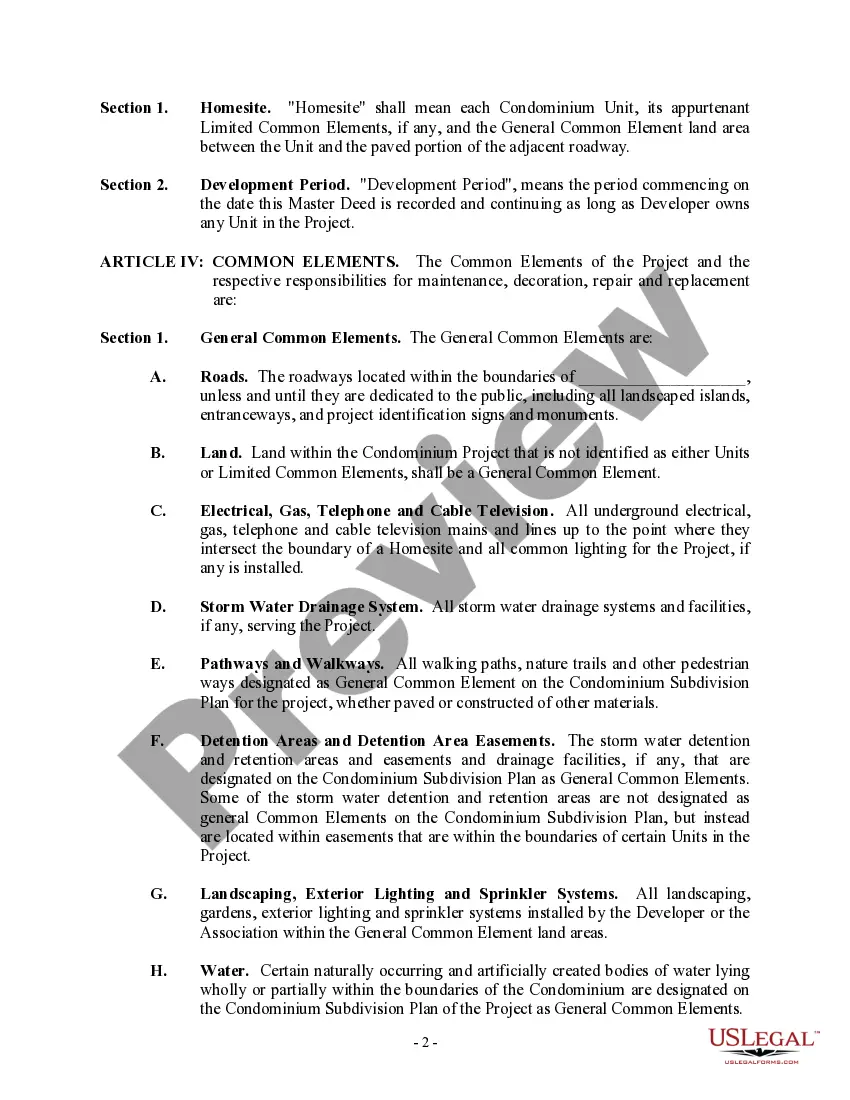
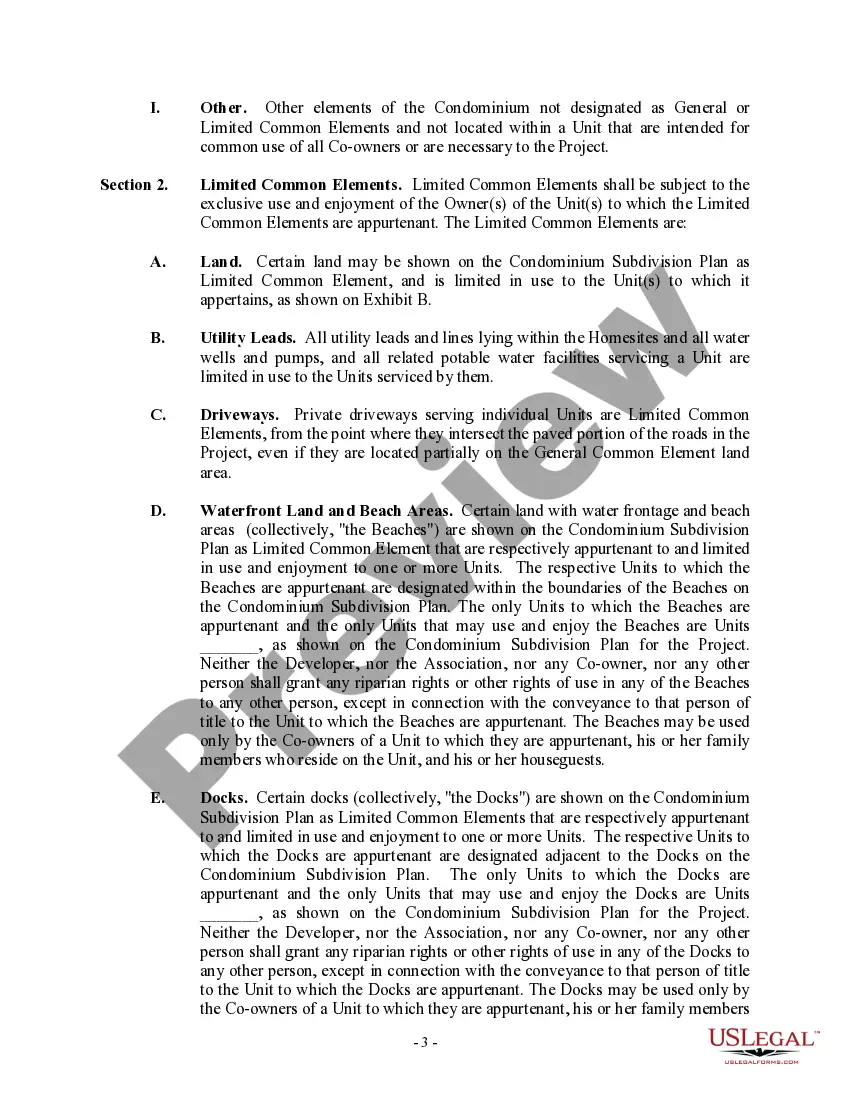
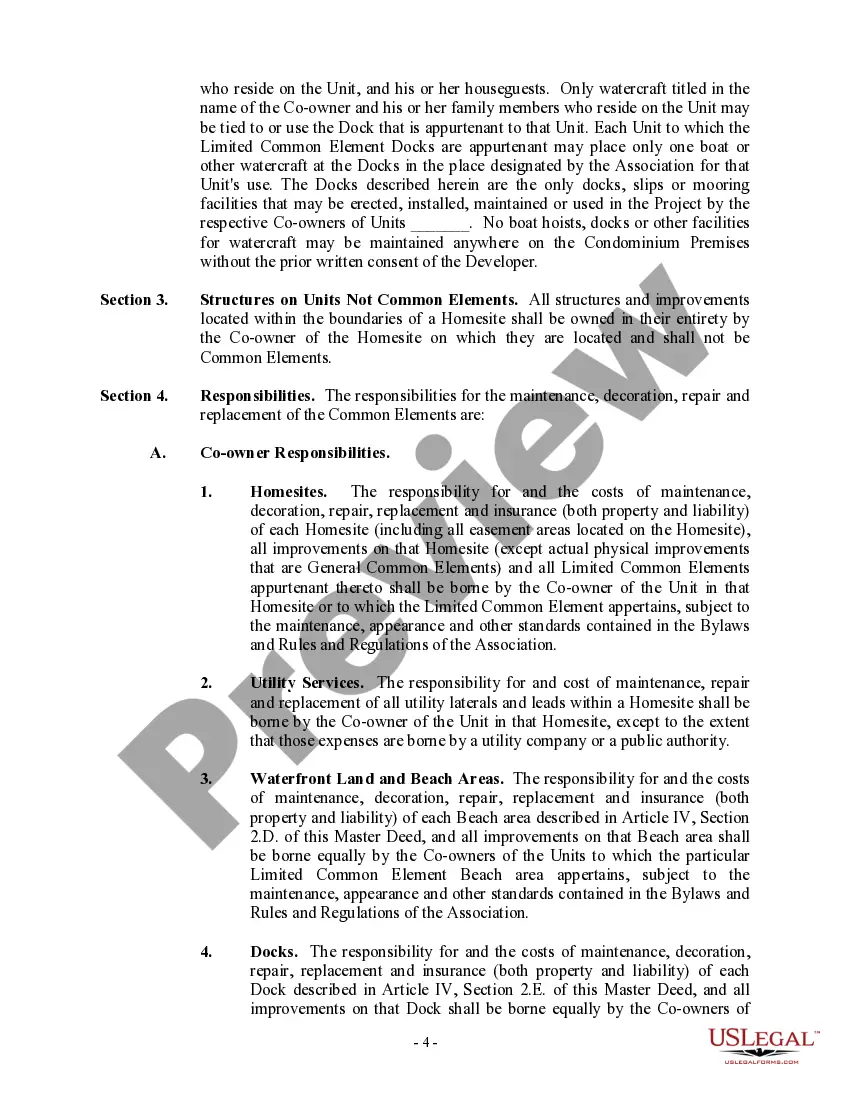
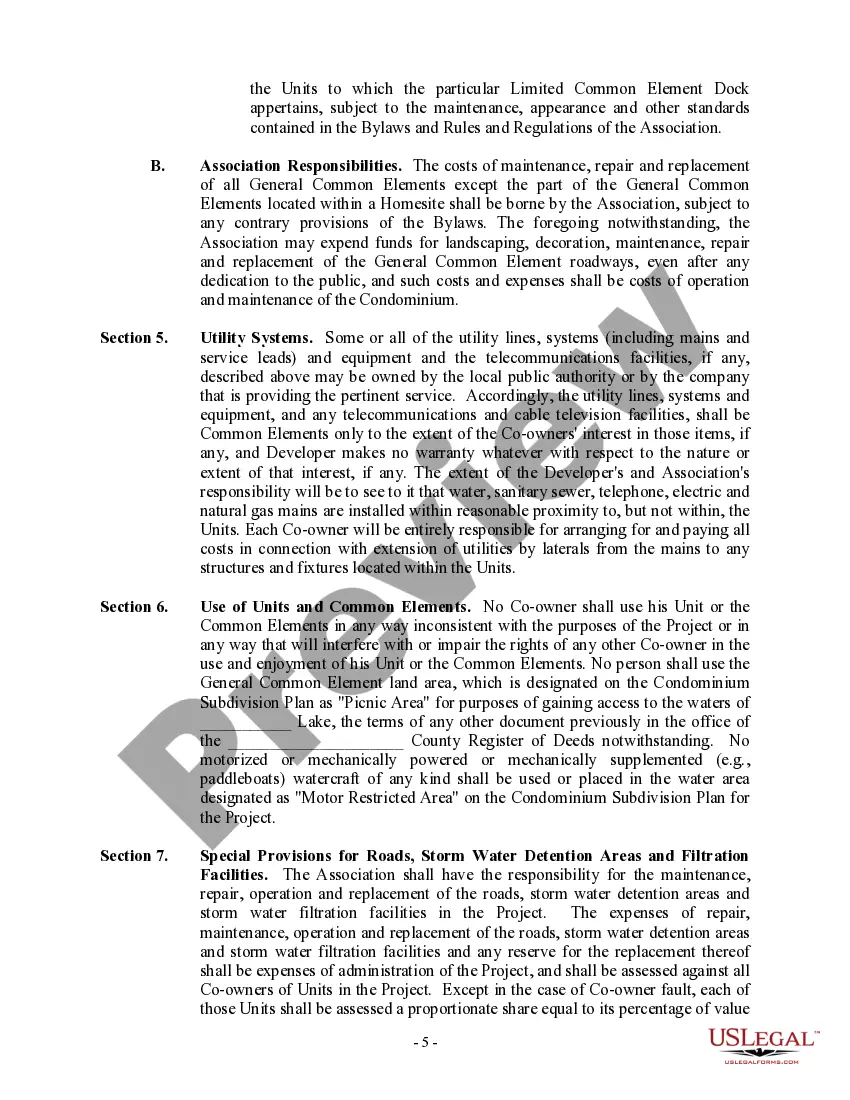
Master Deed/Declaration of Covenants and Restrictions It is filed with the county clerk's office where the community is located and outlines the physical boundaries of the property, including common areas, limited common elements or areas, and individual units/lots.
The deed must be signed in ink by the Grantors in the presence of a notary public, with the Grantors' names printed below the signatures. Contrary to popular belief, the Grantors' signatures do not need to be witnessed (other than by a notary). The deed does not need to be signed by the Grantees (buyers).
In New Jersey, deeds are recorded with the County Clerk's office or the Registrar of Deeds in the county where the property is located. This office maintains all property records and ensures they are accessible to the public.