Condominium Common Element With Bright Red Blood In Los Angeles
Description

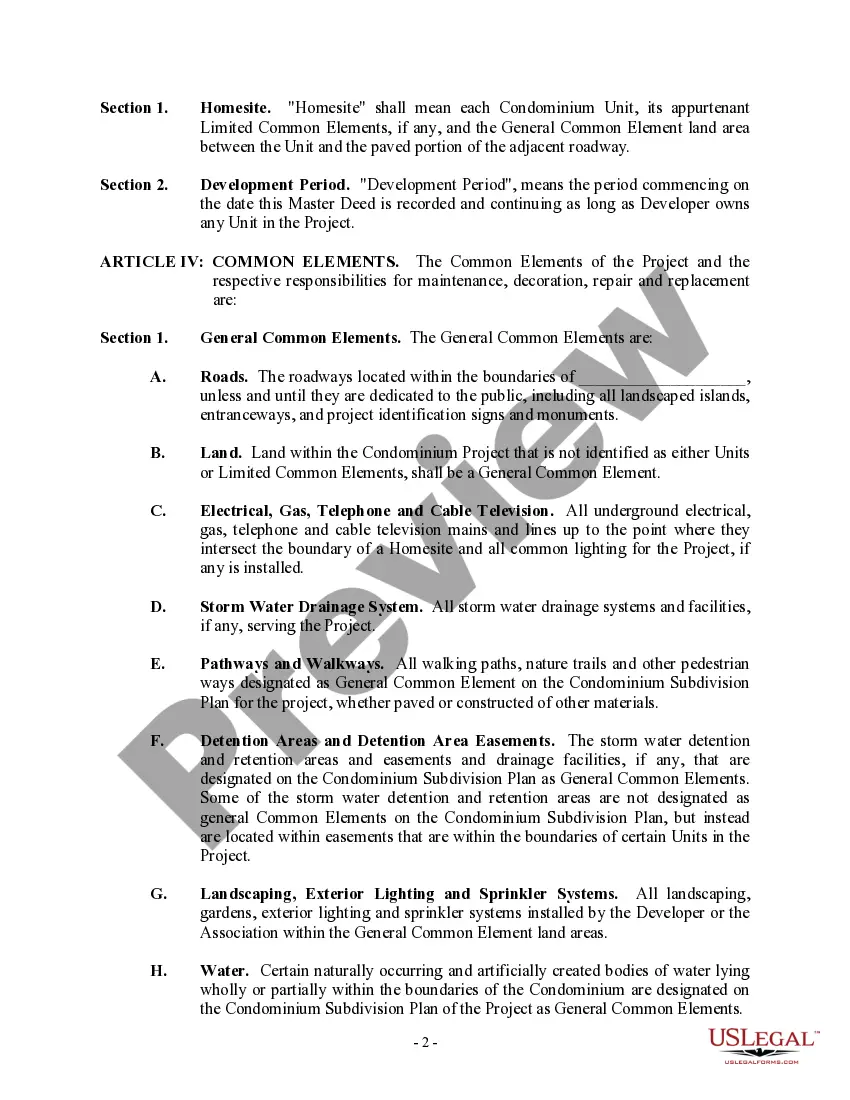
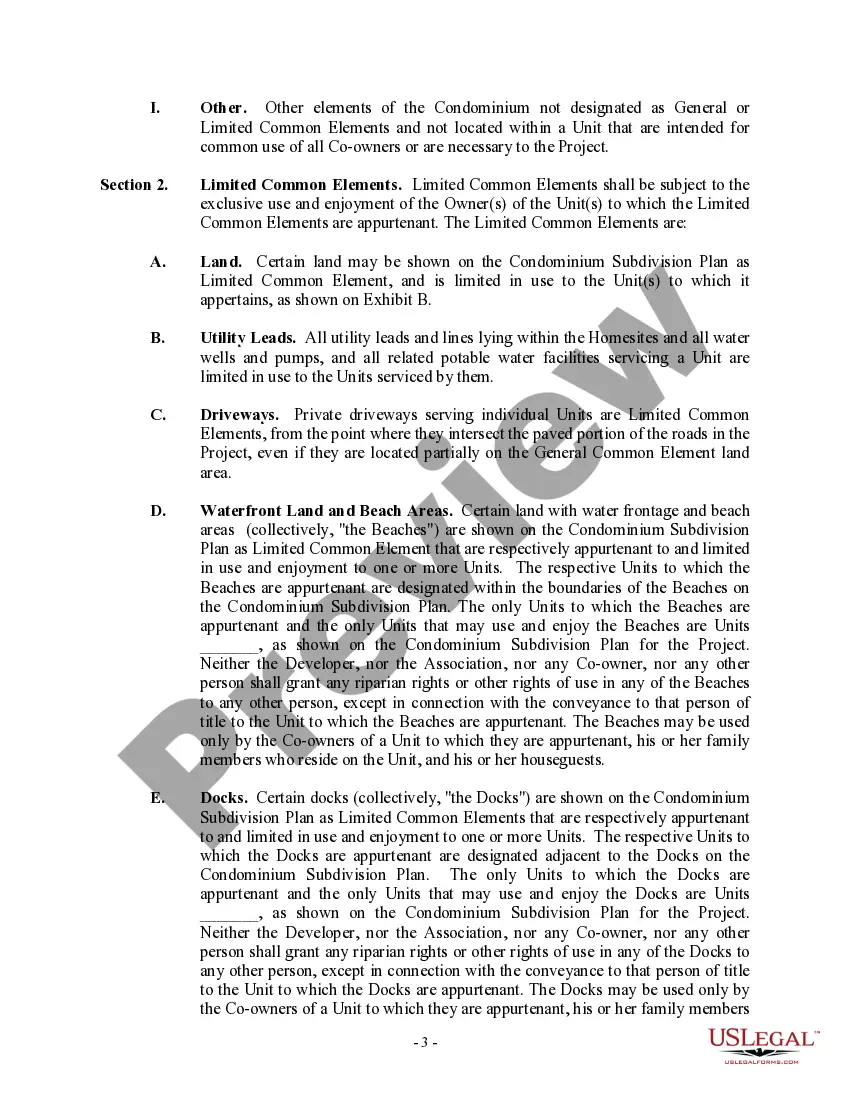
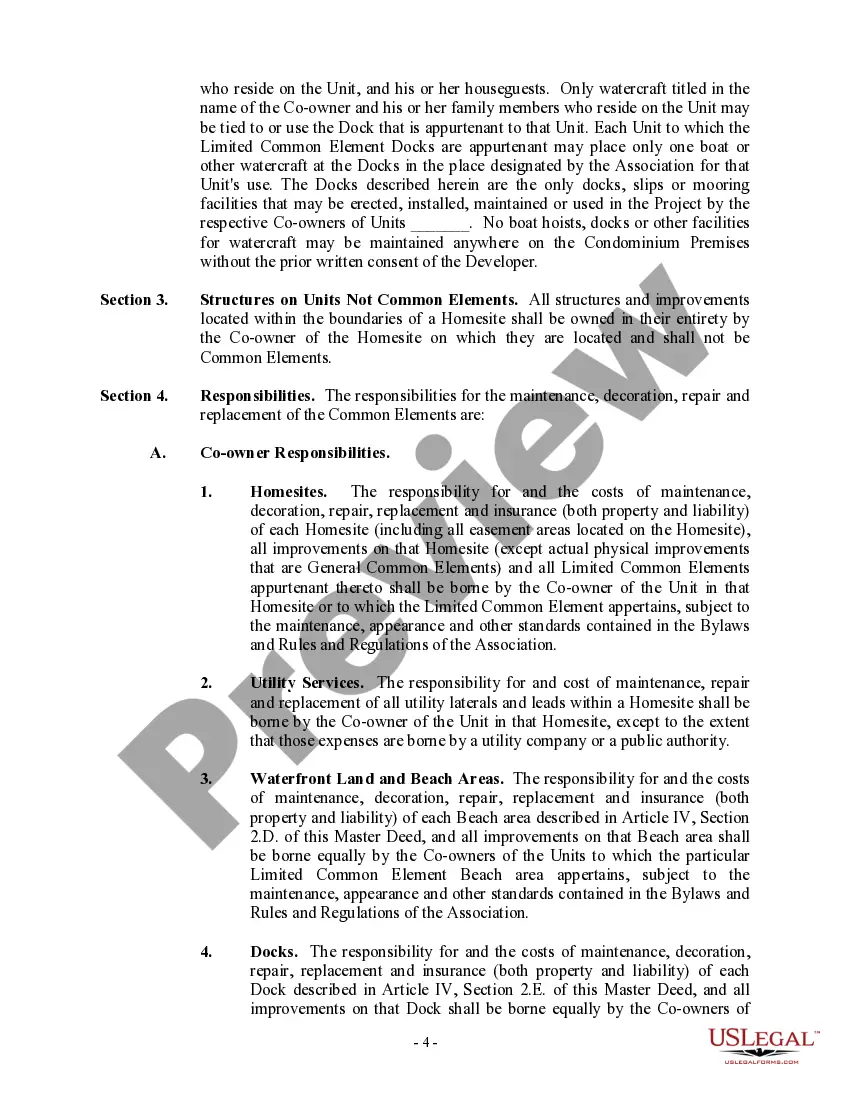
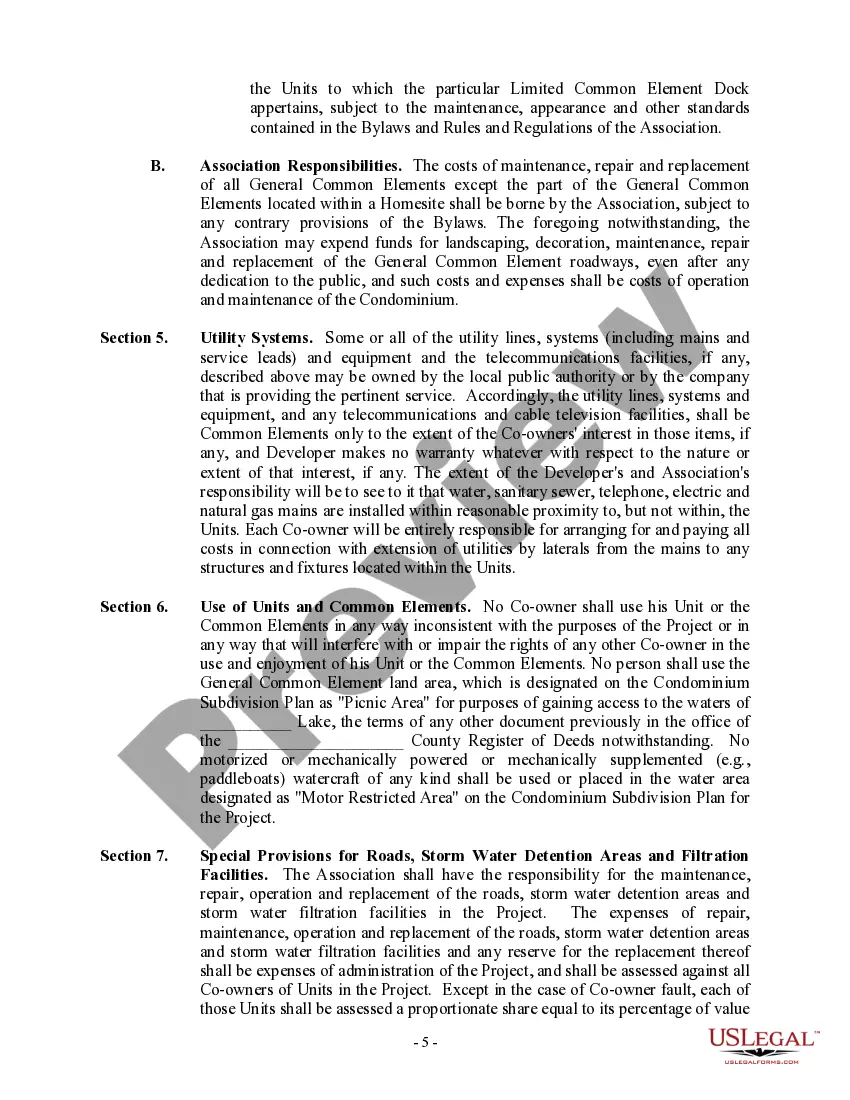


Get your form ready online
Our built-in tools help you complete, sign, share, and store your documents in one place.
Make edits, fill in missing information, and update formatting in US Legal Forms—just like you would in MS Word.
Download a copy, print it, send it by email, or mail it via USPS—whatever works best for your next step.
Sign and collect signatures with our SignNow integration. Send to multiple recipients, set reminders, and more. Go Premium to unlock E-Sign.
If this form requires notarization, complete it online through a secure video call—no need to meet a notary in person or wait for an appointment.
We protect your documents and personal data by following strict security and privacy standards.

Make edits, fill in missing information, and update formatting in US Legal Forms—just like you would in MS Word.

Download a copy, print it, send it by email, or mail it via USPS—whatever works best for your next step.

Sign and collect signatures with our SignNow integration. Send to multiple recipients, set reminders, and more. Go Premium to unlock E-Sign.

If this form requires notarization, complete it online through a secure video call—no need to meet a notary in person or wait for an appointment.

We protect your documents and personal data by following strict security and privacy standards.
Looking for another form?







Form popularity
FAQ
What is the Builder's Remedy? In California, if a city does not plan for the number of homes required by the state, the city has to approve any housing project as long as at least 20% of the homes are low-income or 100% of them are moderate-income.
The Fair Employment and Housing Act (California Government Code Section 12900-12951 & 12927-12928 & 12955 - 12956.1 & 12960-12976) provides protection from harassment or discrimination in employment because of: age (40 and over), ancestry, color, creed, denial of family and medical care leave, disability (mental and ...
Providing stable, high-quality housing solutions for low and moderate-income residents in California. The Essential Housing Program provides low and moderate-income individuals and families with stable, secure housing in high-quality apartment communities.
California's Housing Element Law acknowledges that, in order for the private market to adequately address the housing needs and demand of Californians, local governments must adopt plans and regulatory systems that provide opportunities for (and do not unduly constrain) housing development.
Since 1969, California has required each city and county to plan for its share of the state's housing needs at all levels of affordability. Through the State's Regional Housing Needs Allocation (RHNA) process, each local jurisdiction is assigned a number of new housing units that its land use policies must support.
Will I Qualify for Affordable Housing? Household SizeExtremely-Low Income, Not to Exceed:Moderate Income, Not to Exceed: 1 person $33,150 $108,350 2 person $37,900 $123,850 3 person $42,650 $139,300 4 person $47,350 $154,8004 more rows
