Condo Common Elements For Sale In Hillsborough
Description

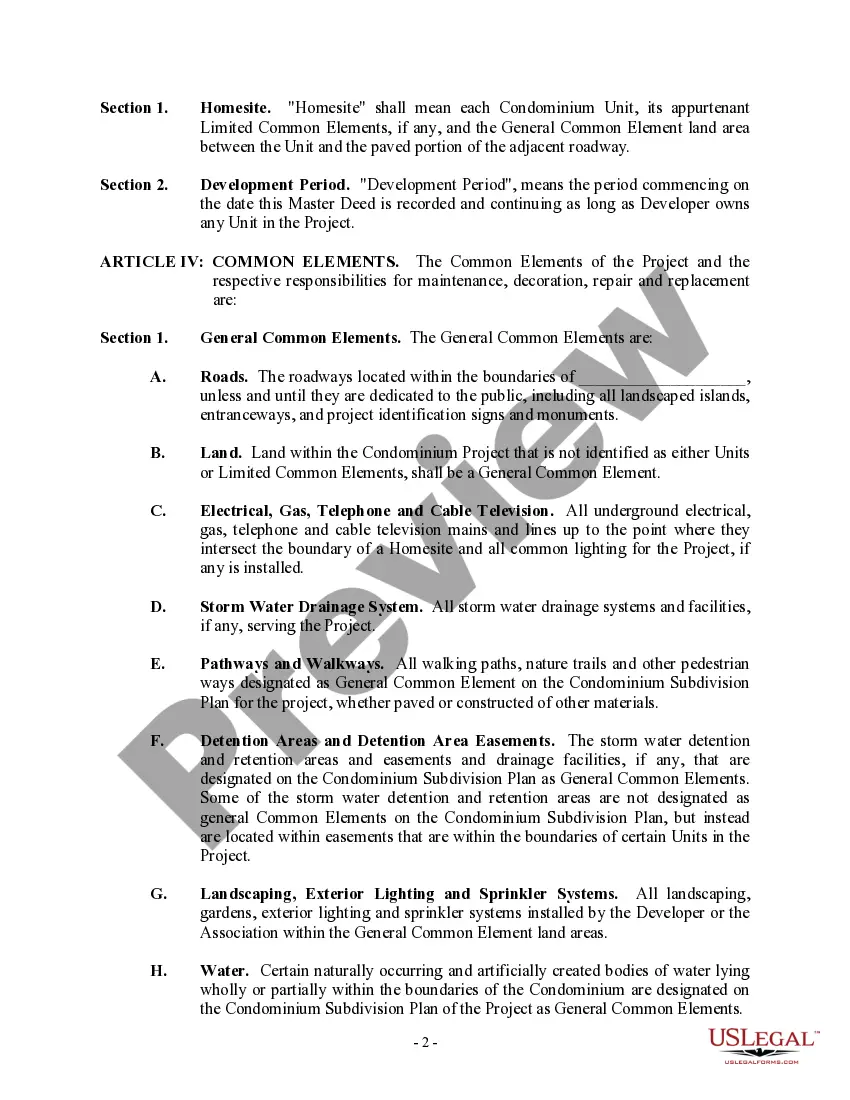
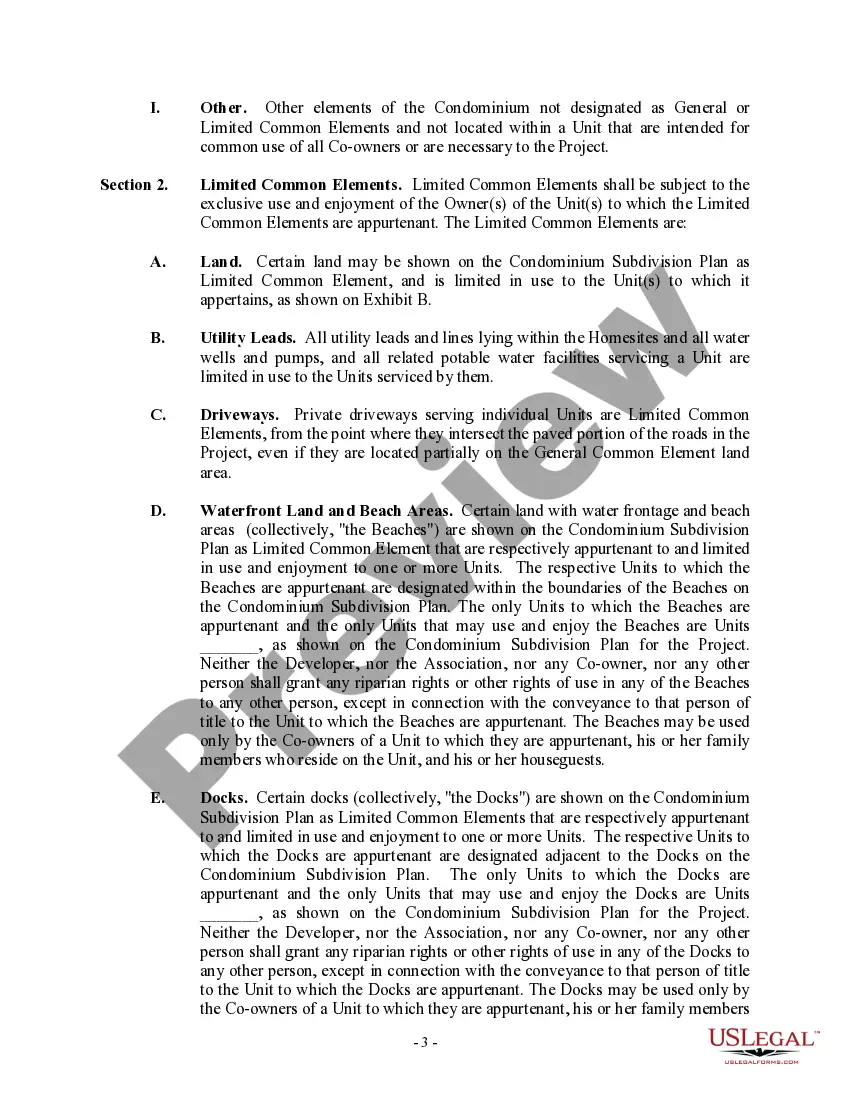
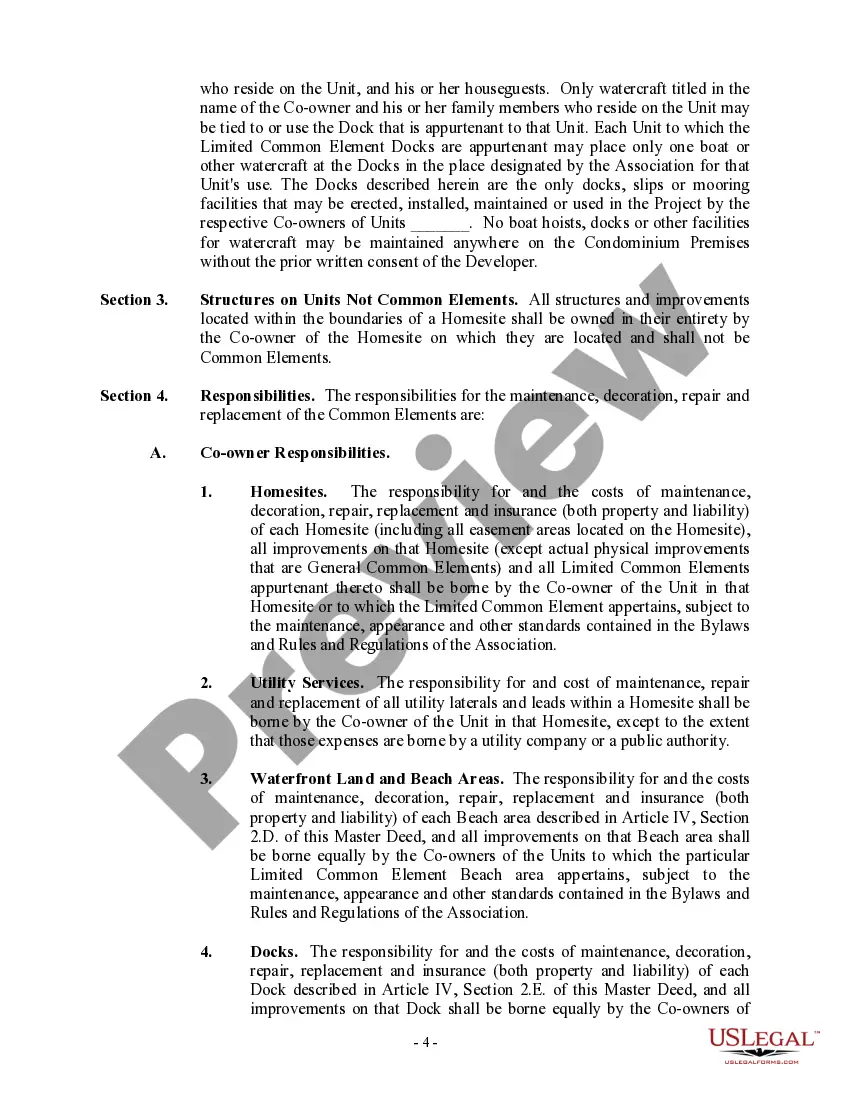
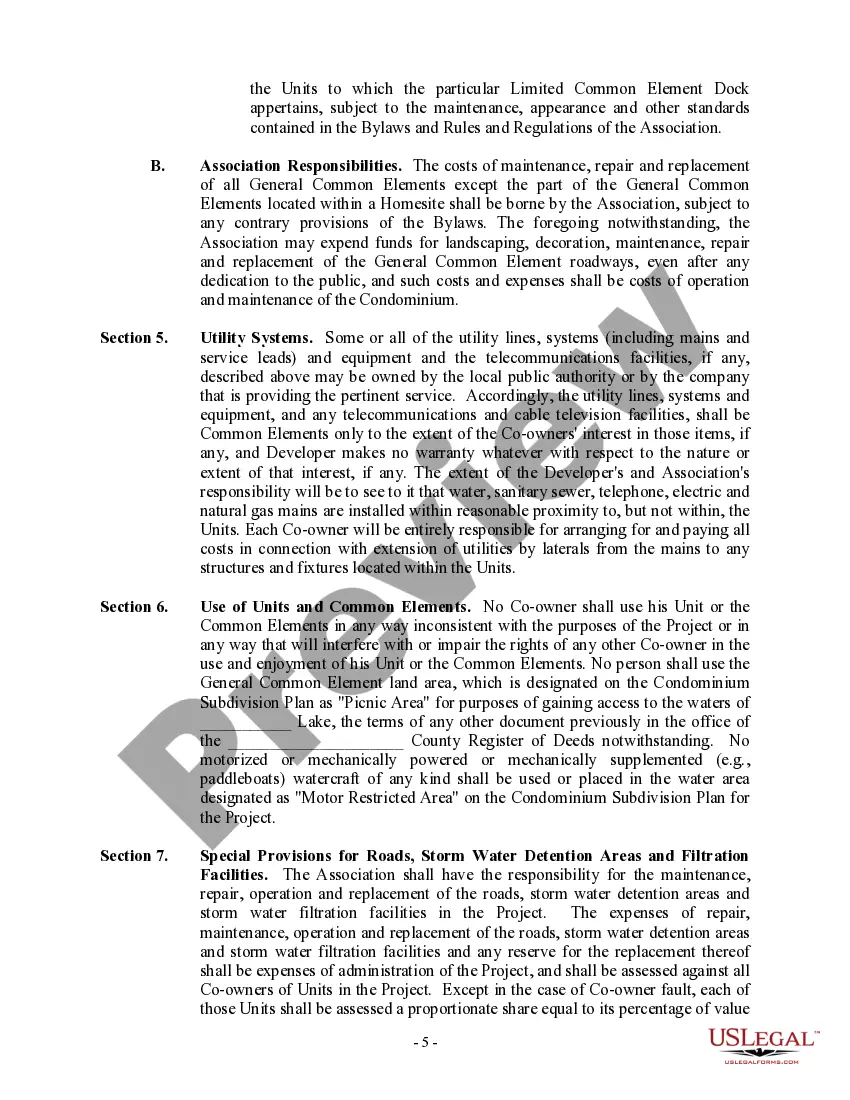
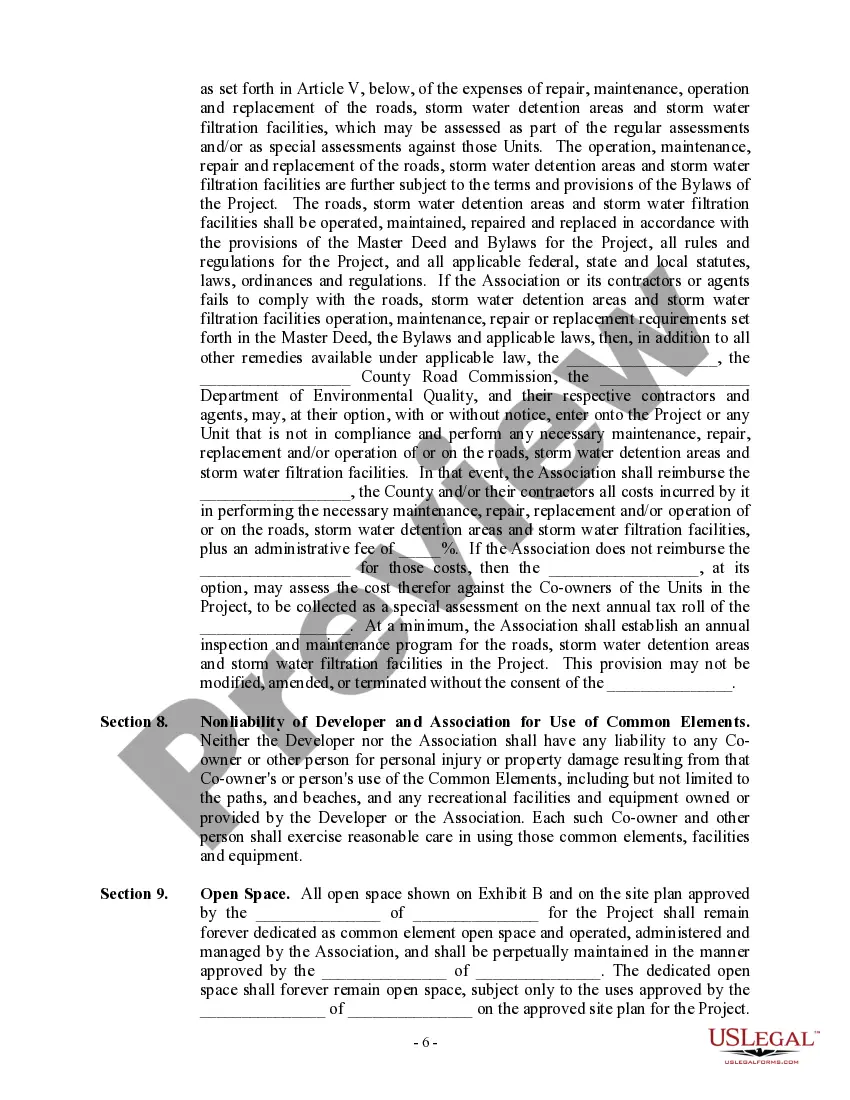
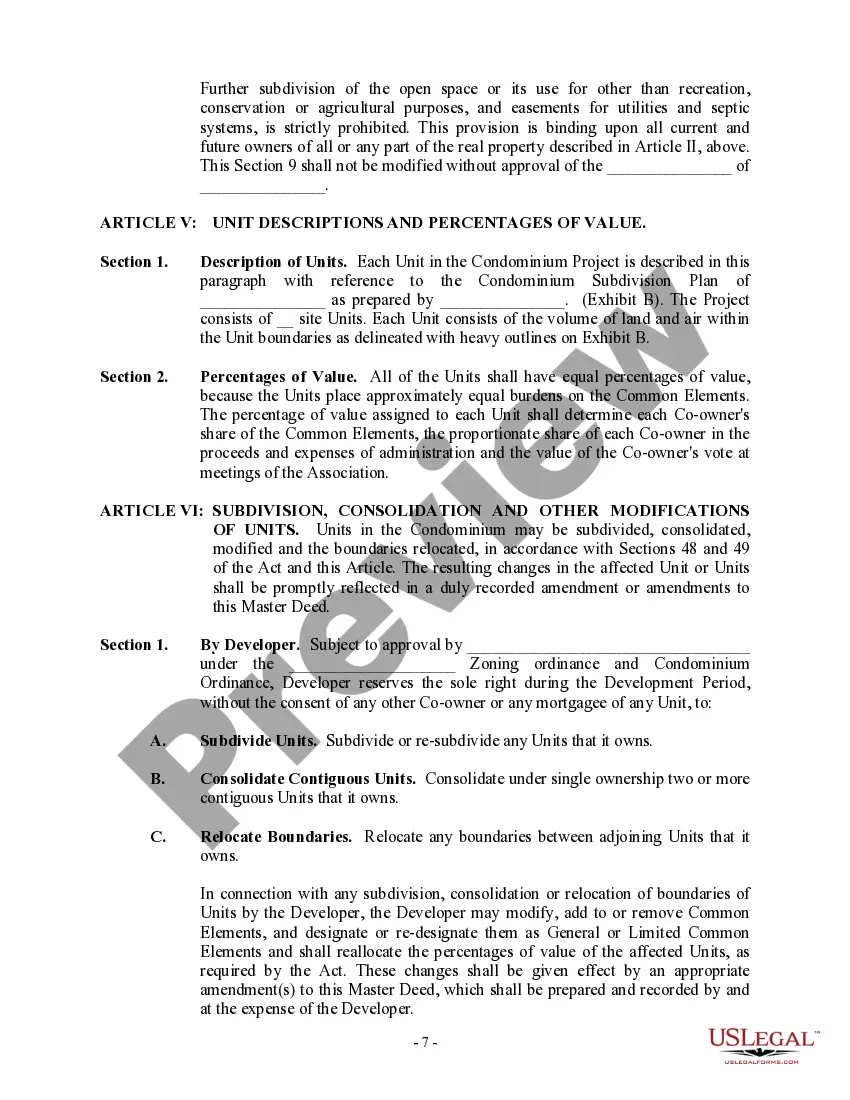
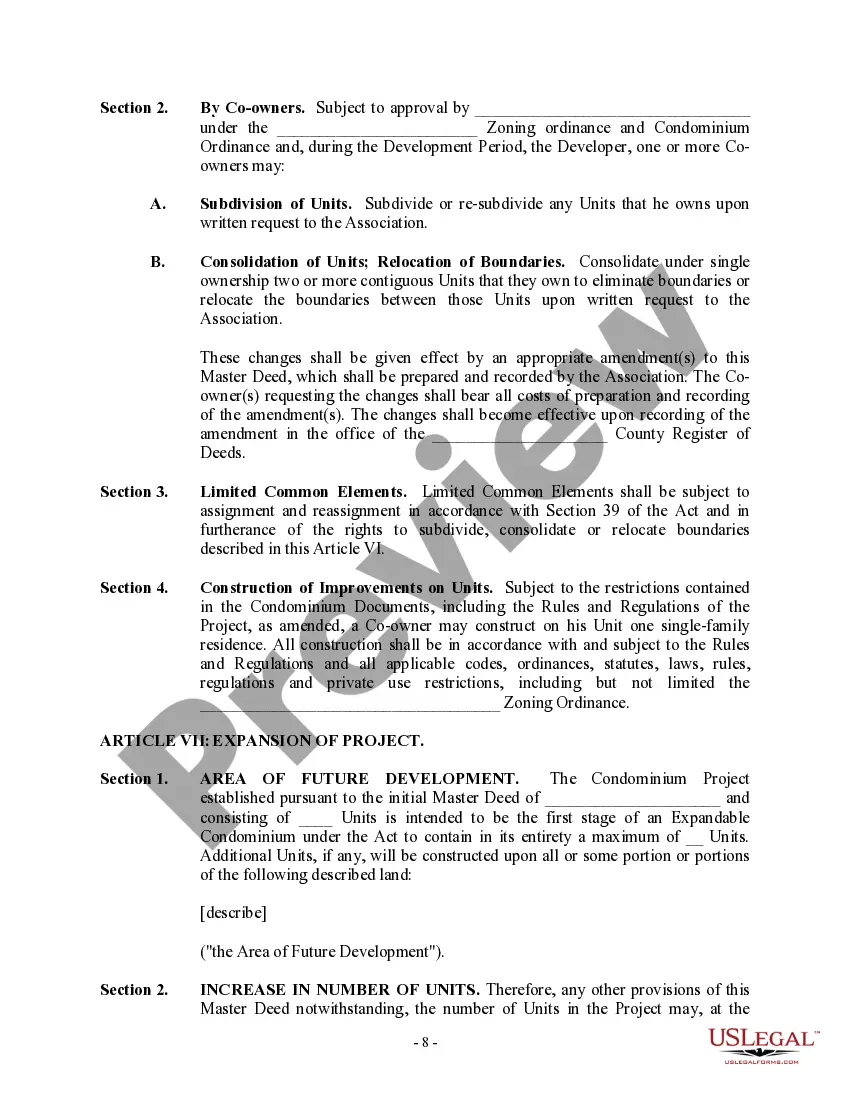
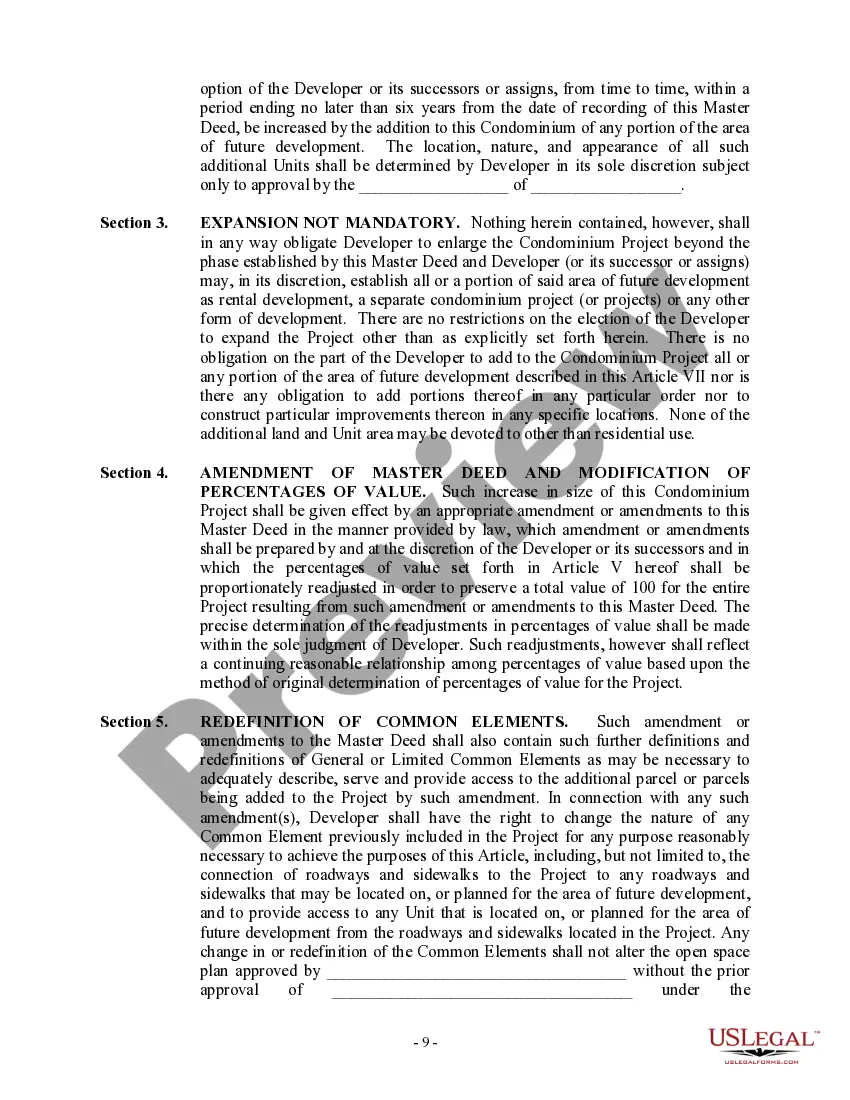


Get your form ready online
Our built-in tools help you complete, sign, share, and store your documents in one place.
Make edits, fill in missing information, and update formatting in US Legal Forms—just like you would in MS Word.
Download a copy, print it, send it by email, or mail it via USPS—whatever works best for your next step.
Sign and collect signatures with our SignNow integration. Send to multiple recipients, set reminders, and more. Go Premium to unlock E-Sign.
If this form requires notarization, complete it online through a secure video call—no need to meet a notary in person or wait for an appointment.
We protect your documents and personal data by following strict security and privacy standards.

Make edits, fill in missing information, and update formatting in US Legal Forms—just like you would in MS Word.

Download a copy, print it, send it by email, or mail it via USPS—whatever works best for your next step.

Sign and collect signatures with our SignNow integration. Send to multiple recipients, set reminders, and more. Go Premium to unlock E-Sign.

If this form requires notarization, complete it online through a secure video call—no need to meet a notary in person or wait for an appointment.

We protect your documents and personal data by following strict security and privacy standards.
Looking for another form?







Form popularity
FAQ
Unlike the common elements, the limited common elements are restricted to the use of one or a few unit owners. The right to use limited common elements is appurtenant to one unit or group of units, meaning that the right to use the limited common elements is tied directly to that unit or units' ownership.
Definition of common elements in a inium, those portions of the property not owned individually by unit owners but in which an indivisible interest is held by all unit owners. Generally includes the grounds, parking areas, recreational facilities, and external structure of the building.
In Florida, balconies, parking spaces, storage units, and even areas of a shared clubhouse have been considered limited common elements; as mentioned above, the defining characteristic is that they are for the use of a single unit “to the exclusion of all other units.”
Kitchen appliances within the units are not considered part of the common elements of a inium project since they are typically owned and maintained by individual unit owners. Swimming pools and greenbelt areas are examples of common elements as they are shared facilities within the inium project.
Common Elements of the inium Corporation are the land and structures in the inium Corporation other than the units themselves, such as the exterior landscaped areas, recreational facilities, parking garage, hallways, elevators, corridors, public washrooms, lobby areas, driveways, garbage rooms, electrical ...
A Common Element inium is comprised solely of common elements such as a private road, parking spaces, mailbox pad, play area and any other common elements and do not include dwelling units/lots.
Residential inium, the Common Elements may include the land, the exterior and common areas of buildings (entranceway, halls, elevator, meeting room, etc.), landscaping, roads, any outside parking areas, outdoor lighting, any recreational facilities (swimming pool, tennis courts, clubhouse, etc.)
The Act defines a inium as “that form of ownership of real property created pursuant to this chapter, which is comprised entirely of units that may be owned by one or more persons, and in which there is, appurtenant to each unit, an undivided share in common elements.” As the shares are undivided, the separate ...
In Florida, balconies, parking spaces, storage units, and even areas of a shared clubhouse have been considered limited common elements; as mentioned above, the defining characteristic is that they are for the use of a single unit “to the exclusion of all other units.”
In Florida, the statute of limitations for breach of contract (such as violating your HOA covenants) is five years. The time period within which the HOA could enforce the covenant has expired, at least as it pertains to those patios that were built more than five years ago.
