Master Deed For A Condominium In Hennepin
Description

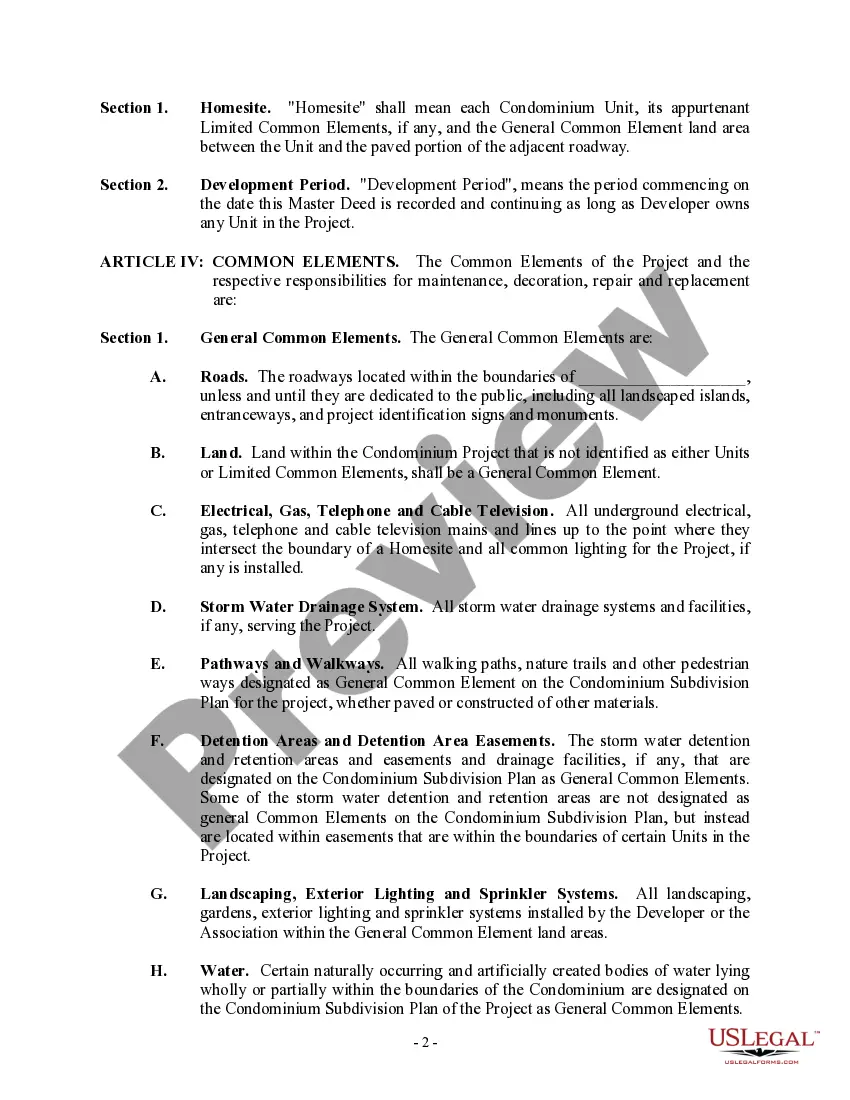
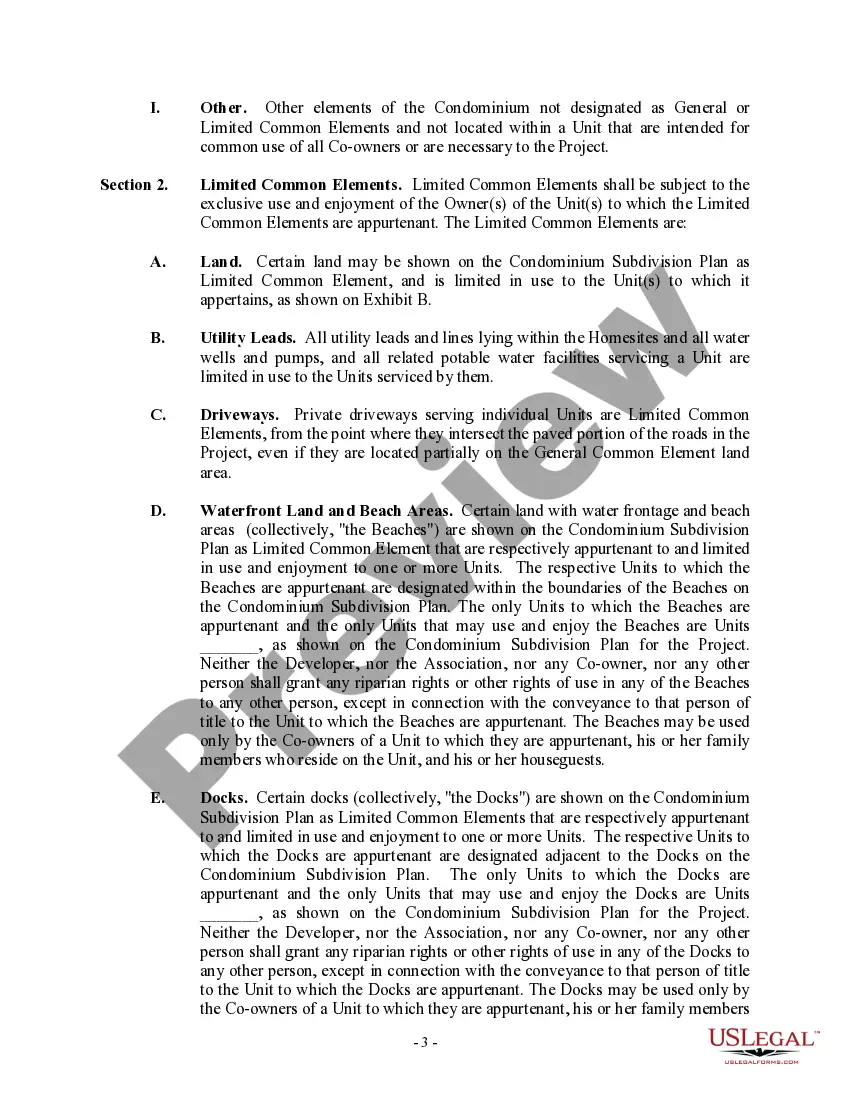
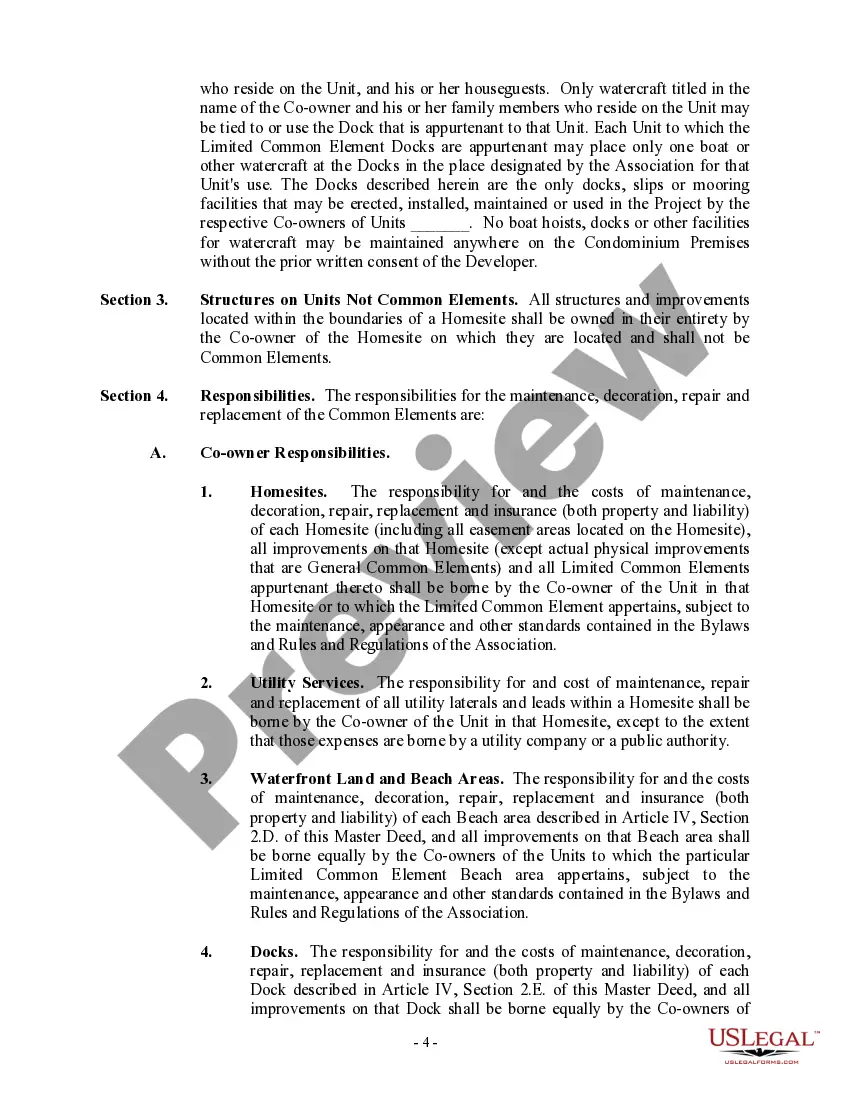
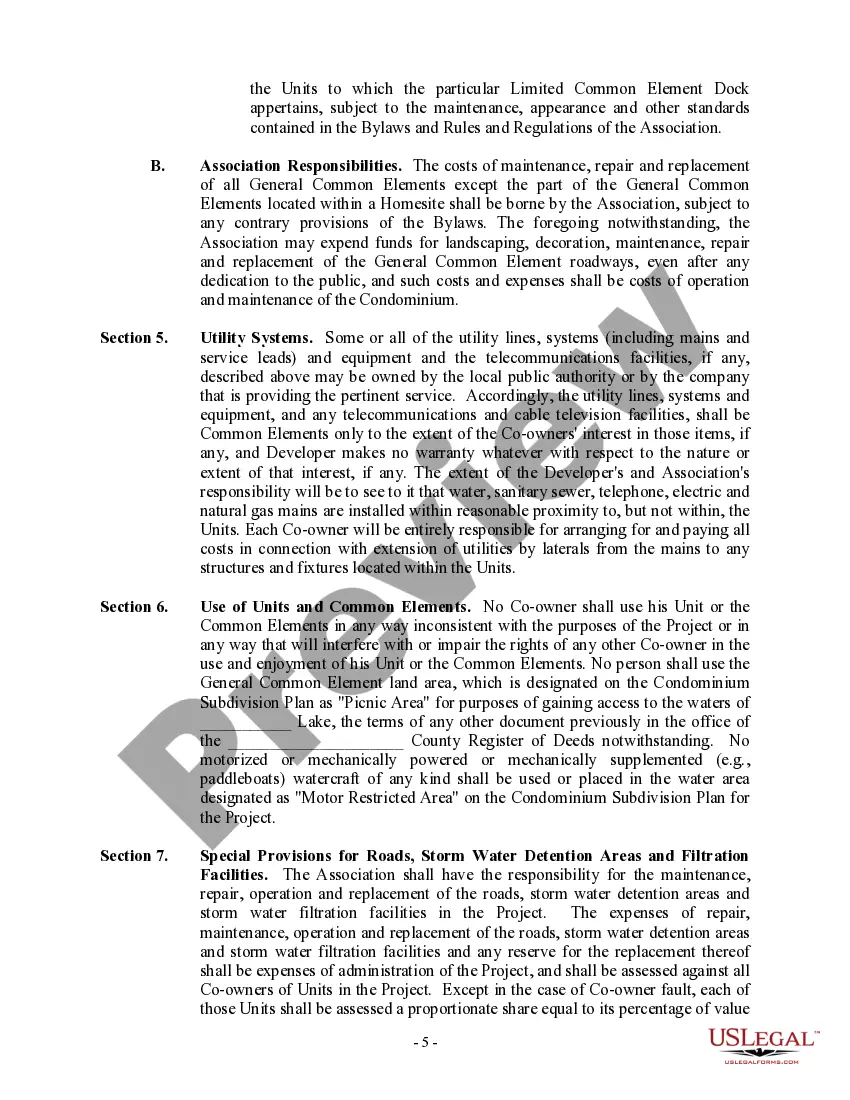


Get your form ready online
Our built-in tools help you complete, sign, share, and store your documents in one place.
Make edits, fill in missing information, and update formatting in US Legal Forms—just like you would in MS Word.
Download a copy, print it, send it by email, or mail it via USPS—whatever works best for your next step.
Sign and collect signatures with our SignNow integration. Send to multiple recipients, set reminders, and more. Go Premium to unlock E-Sign.
If this form requires notarization, complete it online through a secure video call—no need to meet a notary in person or wait for an appointment.
We protect your documents and personal data by following strict security and privacy standards.

Make edits, fill in missing information, and update formatting in US Legal Forms—just like you would in MS Word.

Download a copy, print it, send it by email, or mail it via USPS—whatever works best for your next step.

Sign and collect signatures with our SignNow integration. Send to multiple recipients, set reminders, and more. Go Premium to unlock E-Sign.

If this form requires notarization, complete it online through a secure video call—no need to meet a notary in person or wait for an appointment.

We protect your documents and personal data by following strict security and privacy standards.
Looking for another form?









Form popularity
FAQ
Looking for your property tax statement? You can get a copy of your property tax statement from the county website or county treasurer where the property is located. For websites and contact information, visit County Websites on Minnesota.
The primary responsibility of the County Recorder is to accept and maintain a permanent public repository of real estate records. Types of documents in the repository include deeds, mortgages, contracts for deed, mortgage satisfactions, foreclosure records, probate documents, and easements.
Parcel boundary data, maps and ownership records are maintained at the county level, usually by the recorder's, assessor's or land surveyor's offices. Many Minnesota counties keep records in digital format and provide parcel information websites for use by the general public.
A general warranty deed is used to transfer an interest in real estate in Minnesota in most real estate transactions. A Minnesota warranty deed conveys real property with warranty covenants to the buyer. It requires an acknowledgement of the grantor's signature.
To get title to the property after your death, the beneficiary must record the following documents in the county where the property is located: (1) an affidavit of identity and survivorship, (2) a certified death certificate, and (3) a clearance certificate (showing that the county will not seek reimbursement for ...
How to File a Quitclaim Deed in Minnesota Step 1: Locate the Current Property Deed. Step 2: Find the Property's Legal Description. Step 3: Complete the Quitclaim Form. Step 4: Complete Disclosures. Step 5: Sign Before a Notary. Step 6: File the Deed With the County Recorder's Office.
In Minnesota there are two systems of public real estate records, Abstract and Torrens. Abstract – System of recording evidence of real estate title.
In order to be recordable, a Minnesota deed must contain the name and address of the grantee(s) who are to receive the real property tax statement – unless the deed was executed or acknowledged outside of the State of Minnesota.
