Master Deed Condominium Meaning In Florida
Description



Get your form ready online
Our built-in tools help you complete, sign, share, and store your documents in one place.
Make edits, fill in missing information, and update formatting in US Legal Forms—just like you would in MS Word.
Download a copy, print it, send it by email, or mail it via USPS—whatever works best for your next step.
Sign and collect signatures with our SignNow integration. Send to multiple recipients, set reminders, and more. Go Premium to unlock E-Sign.
If this form requires notarization, complete it online through a secure video call—no need to meet a notary in person or wait for an appointment.
We protect your documents and personal data by following strict security and privacy standards.

Make edits, fill in missing information, and update formatting in US Legal Forms—just like you would in MS Word.

Download a copy, print it, send it by email, or mail it via USPS—whatever works best for your next step.

Sign and collect signatures with our SignNow integration. Send to multiple recipients, set reminders, and more. Go Premium to unlock E-Sign.

If this form requires notarization, complete it online through a secure video call—no need to meet a notary in person or wait for an appointment.

We protect your documents and personal data by following strict security and privacy standards.
Looking for another form?








Form popularity
FAQ
The master deed. Affected unit owners and mortgage lenders must give written consent for changes. This means getting a certain number of unit owner votes – often 67% (two-thirds) or 75% (three-fourths), or even a supermajority of 80%.
Condos have a special type of ownership title called a CCT - inium certificate of title. iniums usually have amenities, like swimming pools, owned parking, a clubhouse, and a building for administration.
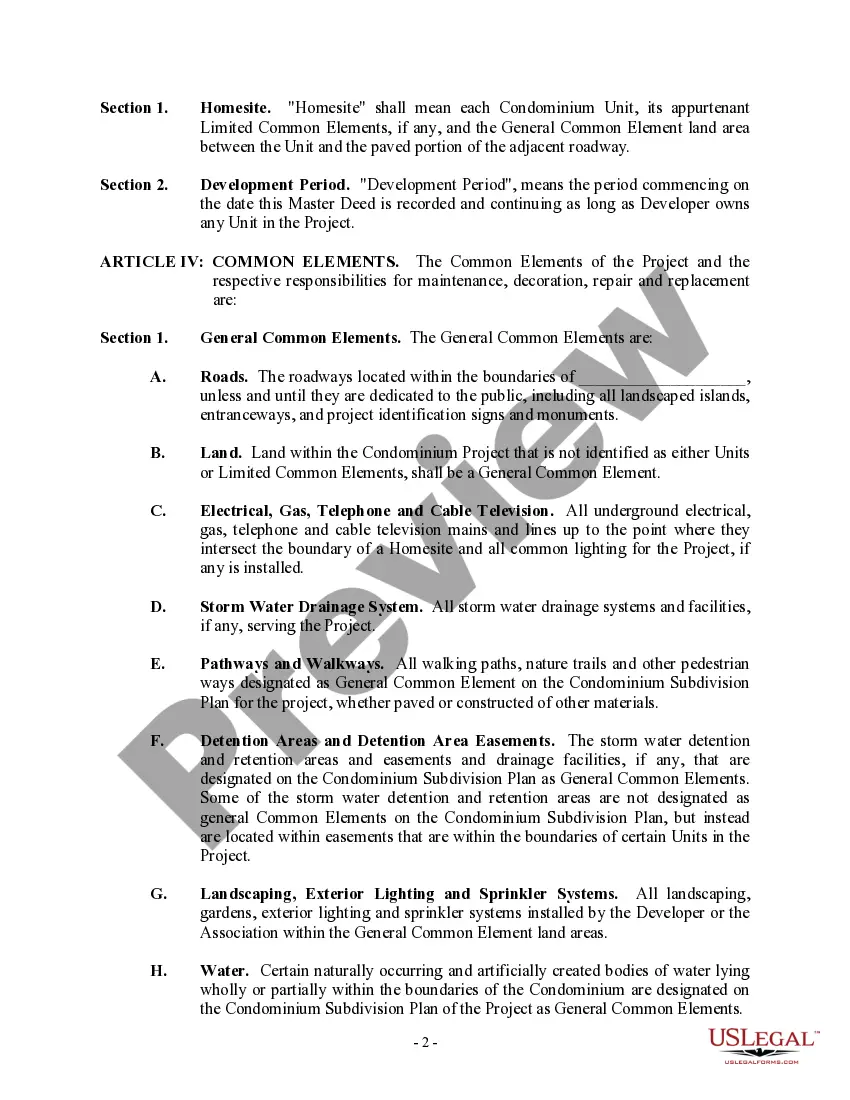
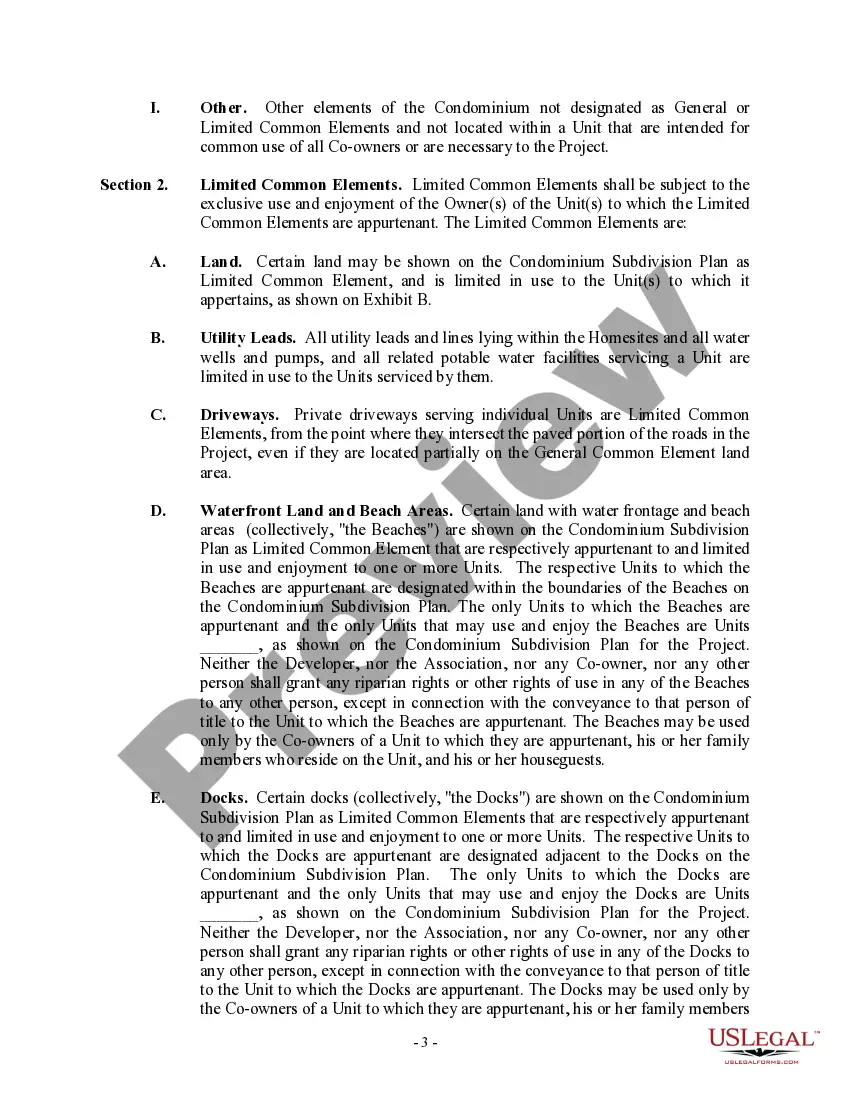
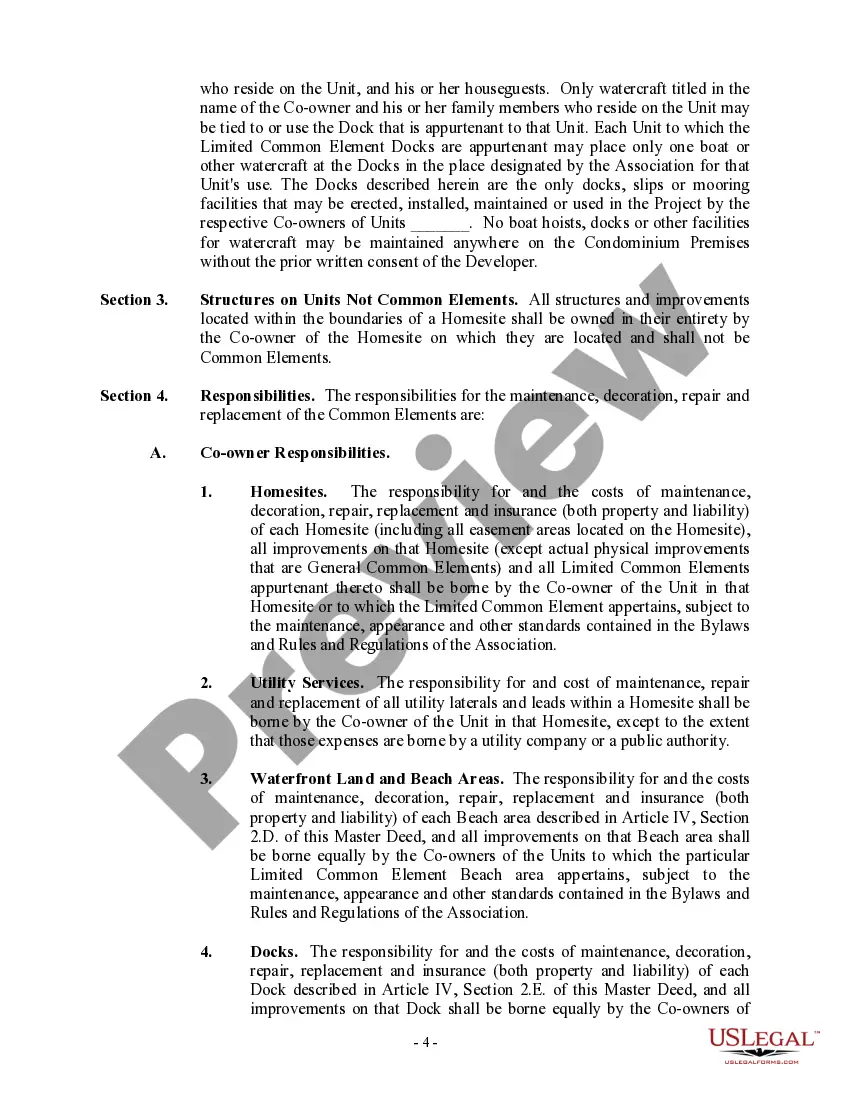
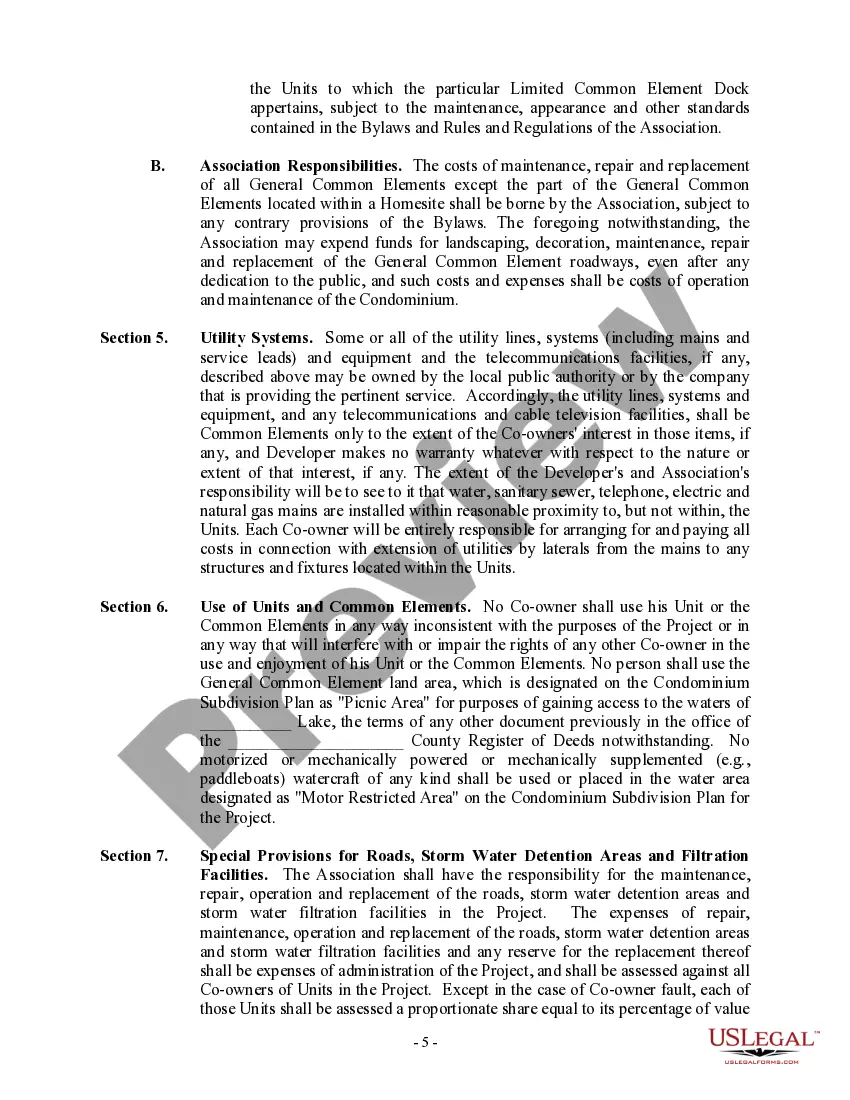
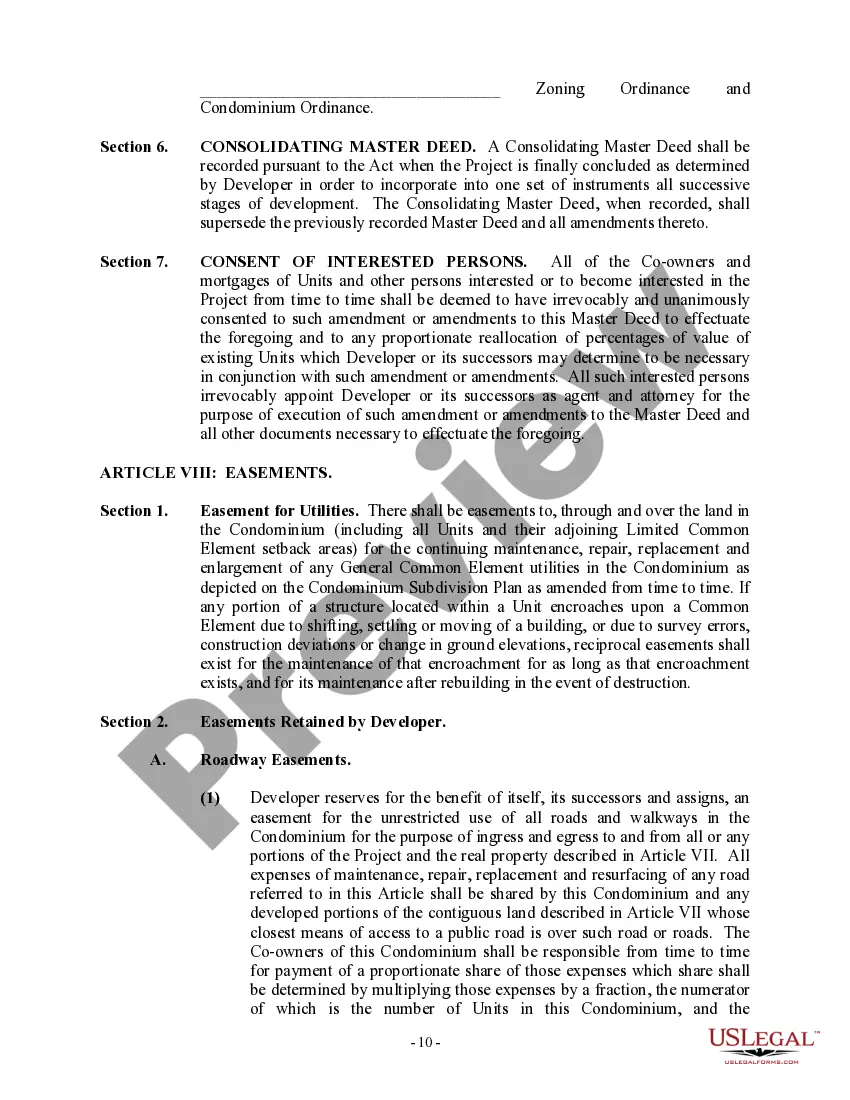
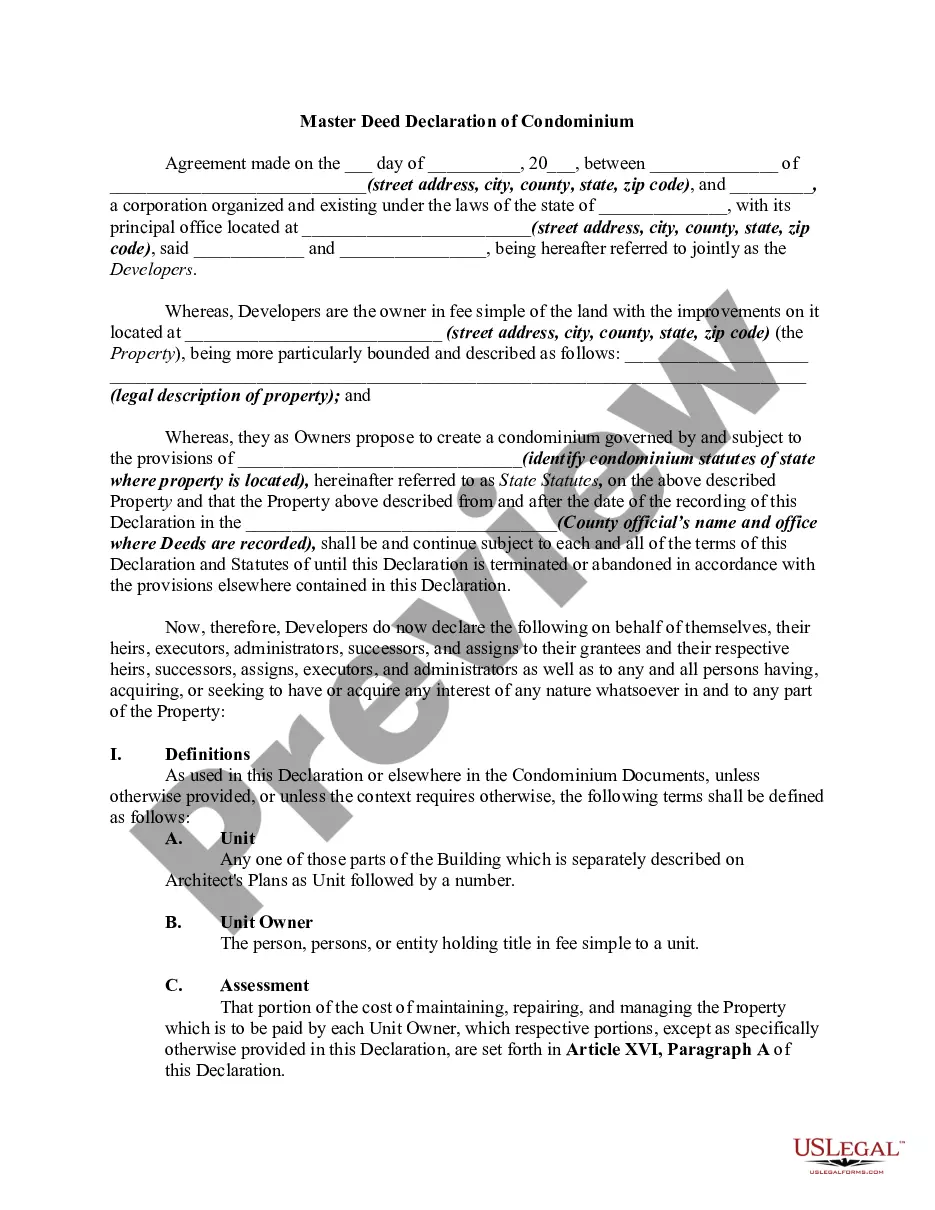
The master deed defines the specifics of the condo association, the development, what is to be built, how it is to be managed, as well as who is responsible for what elements of the development. The master deed is the over arching. document that defines much of the development.
Similarly, condo owners typically hold the deed to the units they live in but also have an ownership interest in the building's common areas.
A Master Deed is a legal document that outlines the rules and regulations for a inium or cooperative property. It's a document that's created by the developer of the property and it's used to govern how the property is managed and maintained.
The ByLaws is the corporate governance: The bylaws describe among other things, how the common expenses will be shared to maintain the building. Any restrictions on the use of the units and common areas. The bylaws are actually a part of the Master Deed itself.
A master deed is a legal document that a condiminium owner must file with the local government agency when a property is being divided in to condo units. The master deed contains details regarding where the inium property is located, how many units it will be divided into, and what the value of the property is.
A property deed is a legal document used to transfer ownership of real property. It must be written, signed, and delivered to the buyer during the transaction. Notarization is a requirement in Florida to validate the deed.
In Florida, a inium declaration is considered to be a contract between a inium association and the unit owners.
If you own property jointly with someone else, and this ownership includes the "right of survivorship," then the surviving owner automatically owns the property when the other owner dies.
