Condominium Common Element For Fraternities And Sororities In Contra Costa
Description

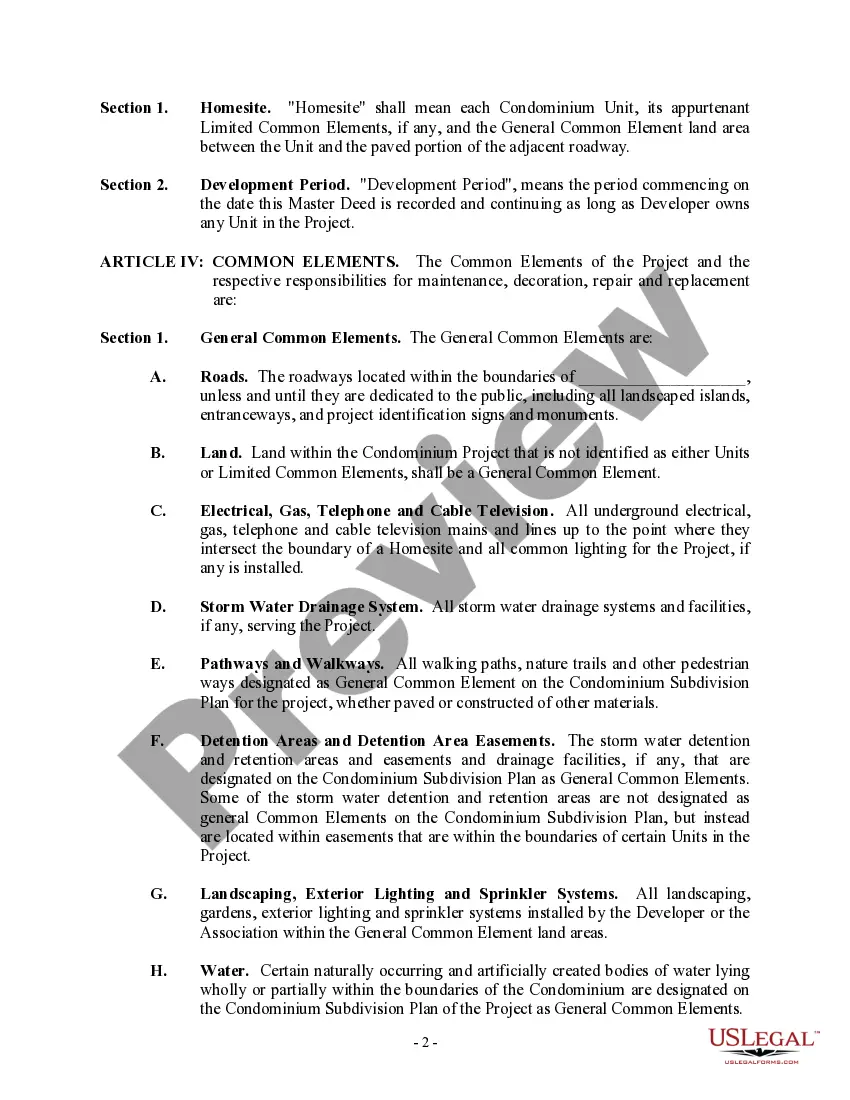
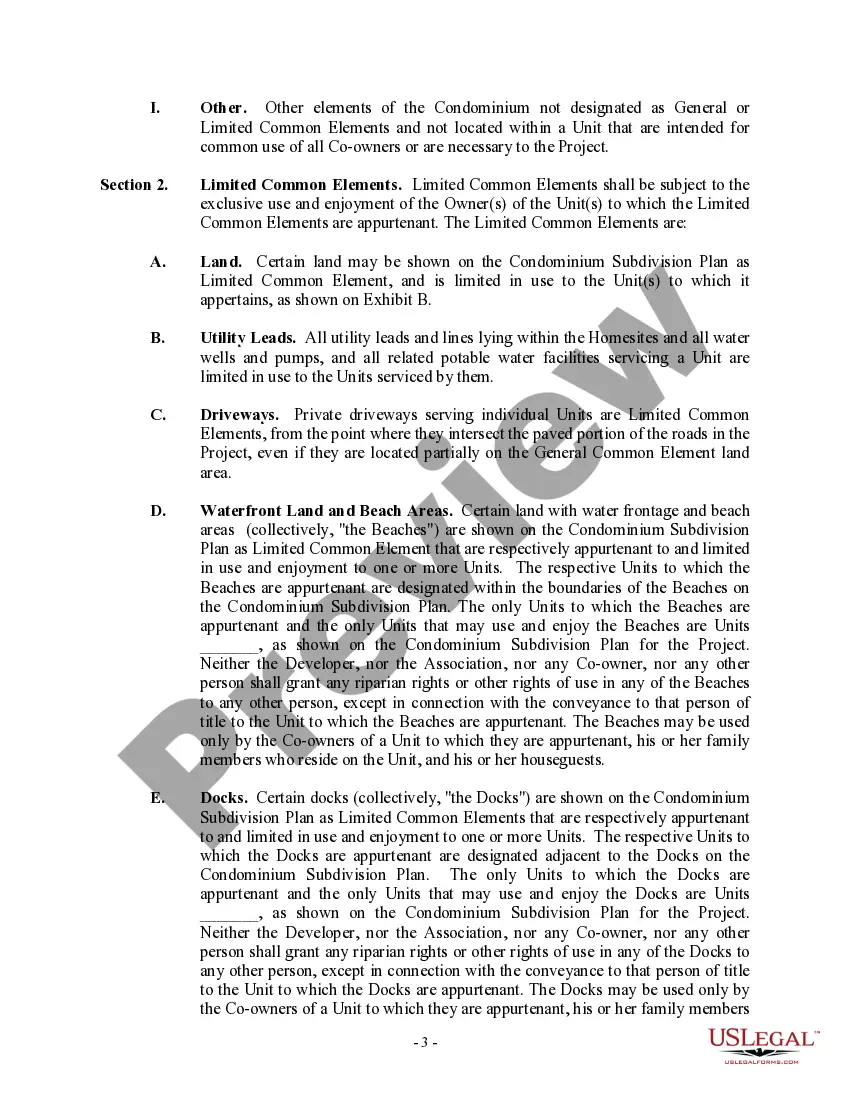
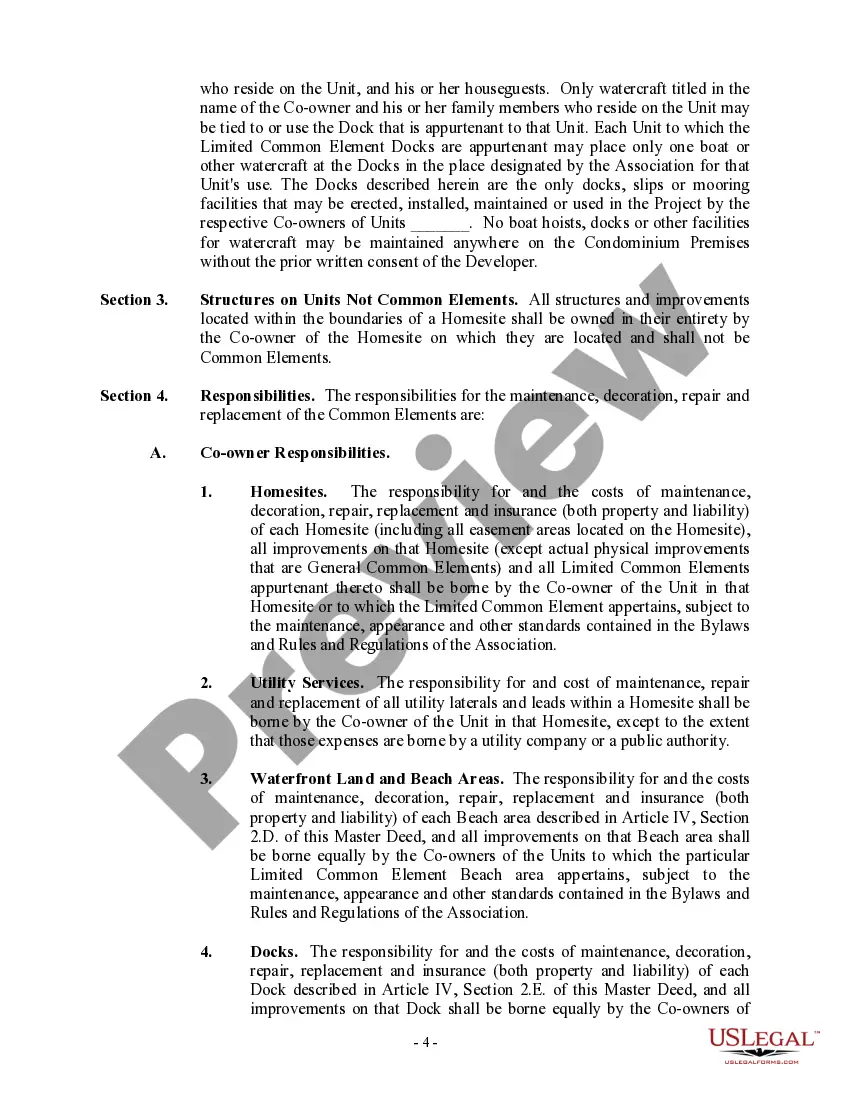
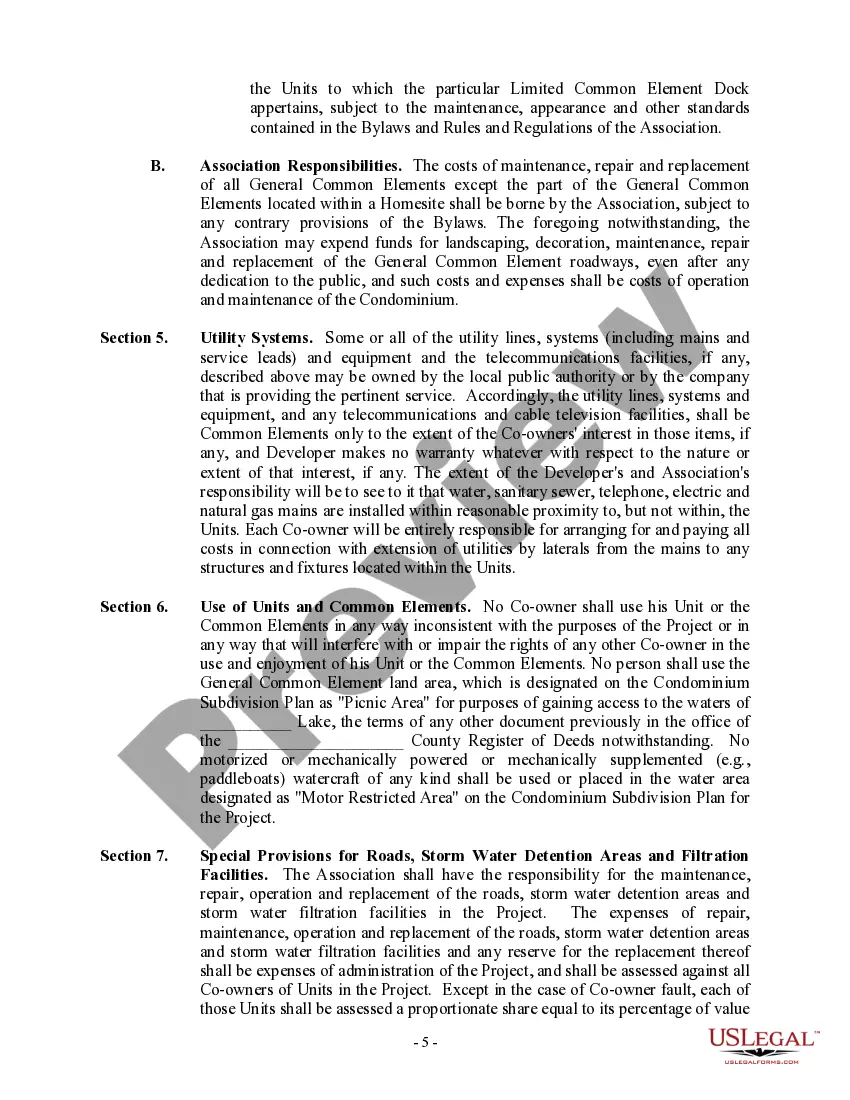
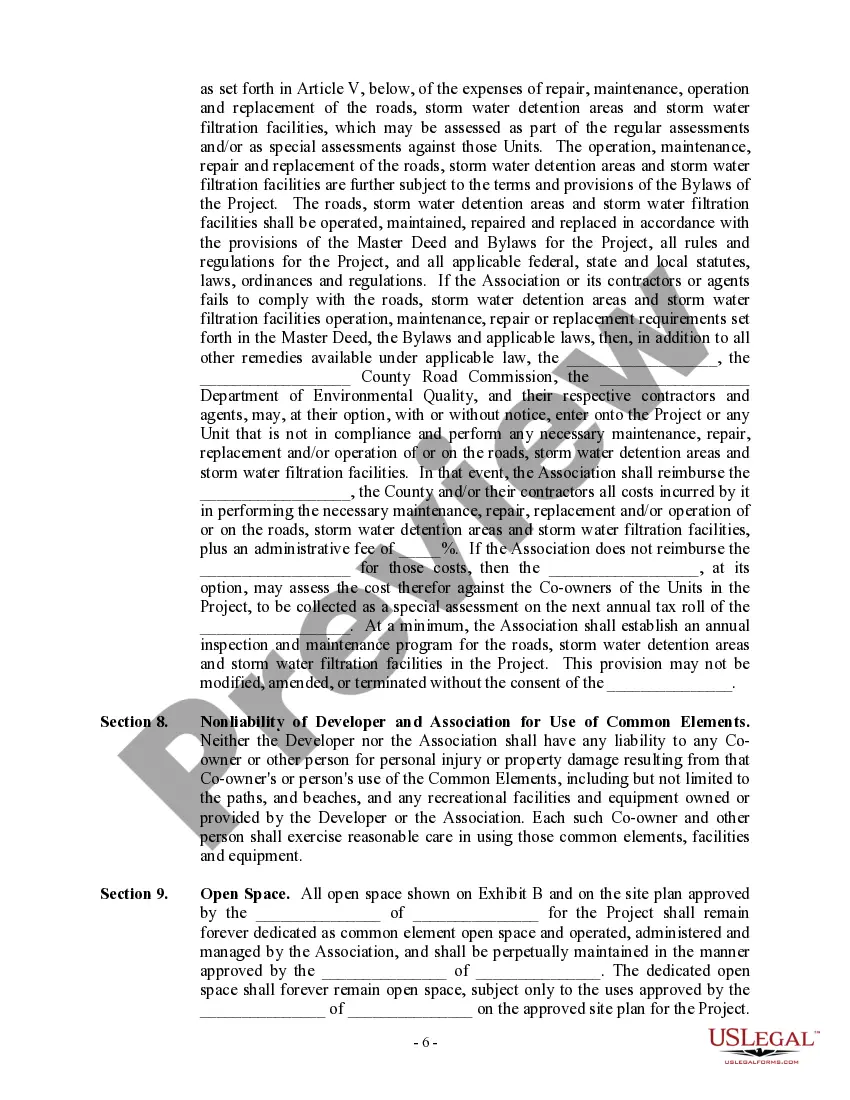
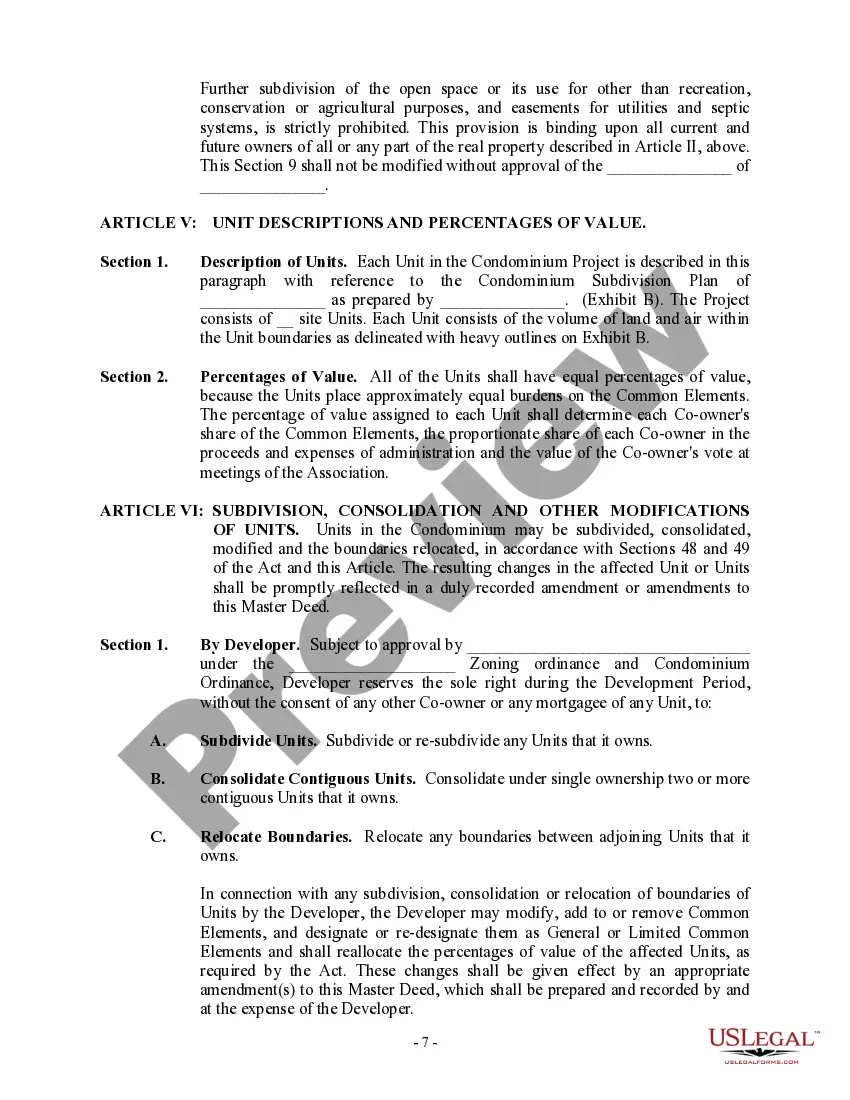
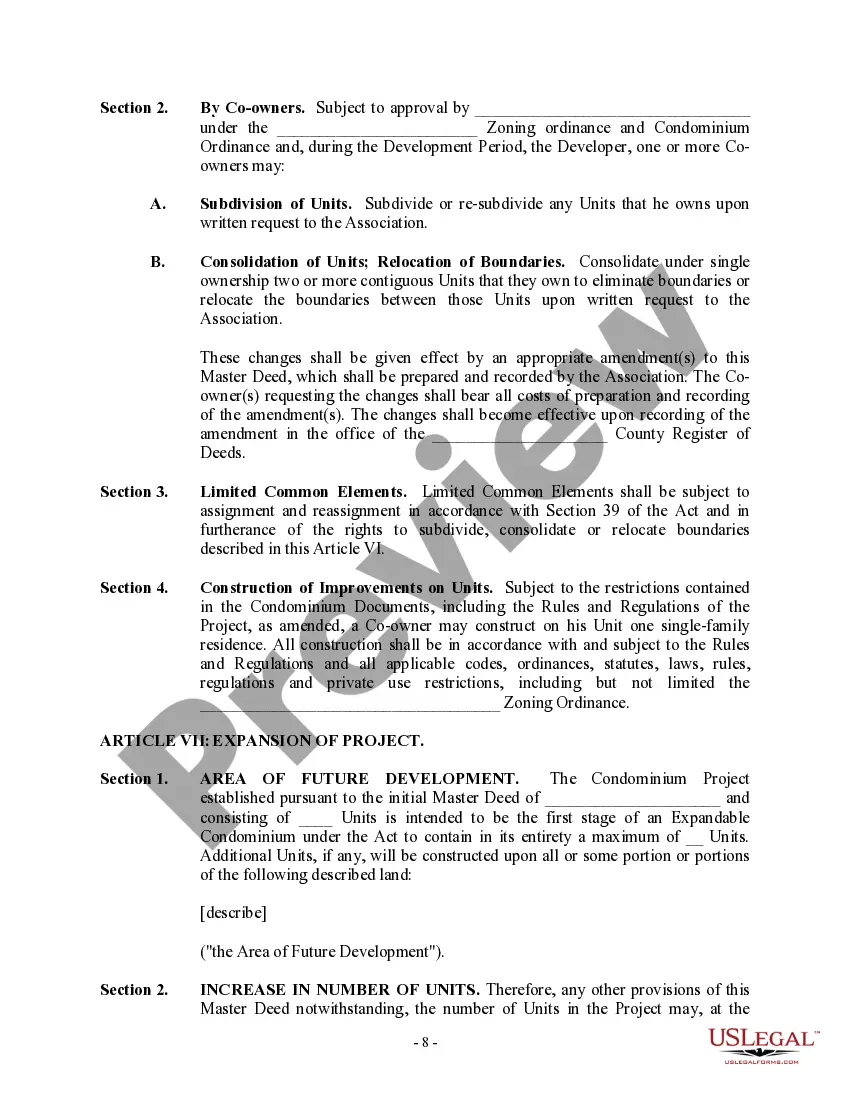
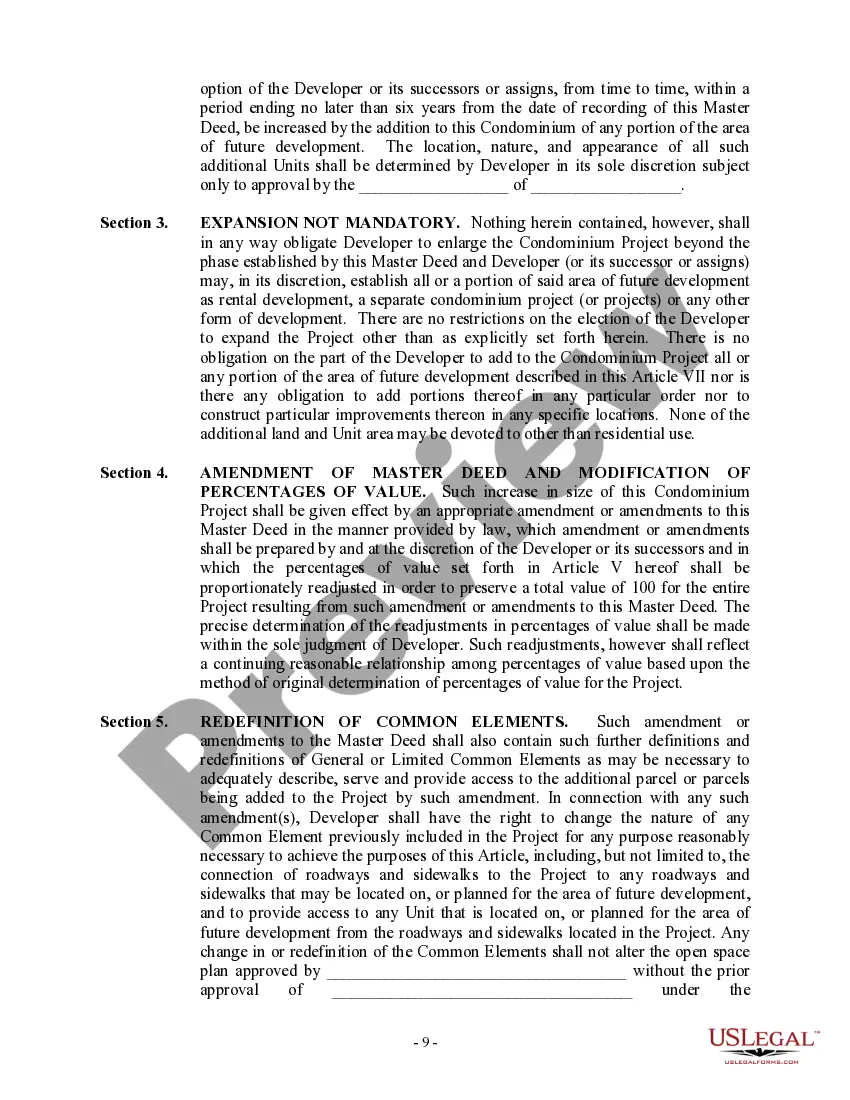


Get your form ready online
Our built-in tools help you complete, sign, share, and store your documents in one place.
Make edits, fill in missing information, and update formatting in US Legal Forms—just like you would in MS Word.
Download a copy, print it, send it by email, or mail it via USPS—whatever works best for your next step.
Sign and collect signatures with our SignNow integration. Send to multiple recipients, set reminders, and more. Go Premium to unlock E-Sign.
If this form requires notarization, complete it online through a secure video call—no need to meet a notary in person or wait for an appointment.
We protect your documents and personal data by following strict security and privacy standards.

Make edits, fill in missing information, and update formatting in US Legal Forms—just like you would in MS Word.

Download a copy, print it, send it by email, or mail it via USPS—whatever works best for your next step.

Sign and collect signatures with our SignNow integration. Send to multiple recipients, set reminders, and more. Go Premium to unlock E-Sign.

If this form requires notarization, complete it online through a secure video call—no need to meet a notary in person or wait for an appointment.

We protect your documents and personal data by following strict security and privacy standards.
Looking for another form?









Form popularity
FAQ
Yes, in many cases, the Homeowners Association (HOA) is responsible for balcony repairs in California. However, the specifics may vary based on the HOA's governing documents. It's essential for homeowners to familiarize themselves with their HOA's rules and regulations regarding balcony repairs.
SB-326, also known as the California Balcony Inspection Law, requires regular inspections of balconies, walkways, and decks on multi-family housing properties in California. Some of the requirements of SB 326 are: Initial inspections must be completed by January 1, 2025, for all covered HOAs.
CA SB 326 is a California law that mandates balcony inspections for exterior elevated elements in HOA communities. Q2: Who needs to comply with CA SB 326? All buildings with three or more multifamily dwelling units must comply with CA SB 326 regulations.
SB-721 mandates regular inspections and maintenance of EEEs in multi-family residential buildings (3+ units) with wood-framed structures. EEEs include balconies, decks, porches, stairs, walkways, and associated waterproofing systems, all located at least six feet above ground level.
This legislation mandates regular inspections and rigorous maintenance protocols for EEEs in multi-unit residential buildings. SB-721 recognizes that while building codes offer broad safety standards, they may fail to address the specific long-term vulnerabilities inherent in balconies and similar structures.
California's SB326 Balcony Inspection Law is a vital regulation aimed at safeguarding lives and preserving property values. By mandating regular inspections of balconies, decks, and other exterior elevated elements, the law ensures that multi-family residential properties remain safe and structurally sound.
The Balcony Inspection Law requires an inspection of “exterior elevated elements” within all multi-family residential buildings in California that contain three (3) or more dwelling units. The initial inspections must be completed no later than January 1, 2025, with subsequent inspections to occur every six (6) years.
