Condo Rules For Renters In Suffolk
Description

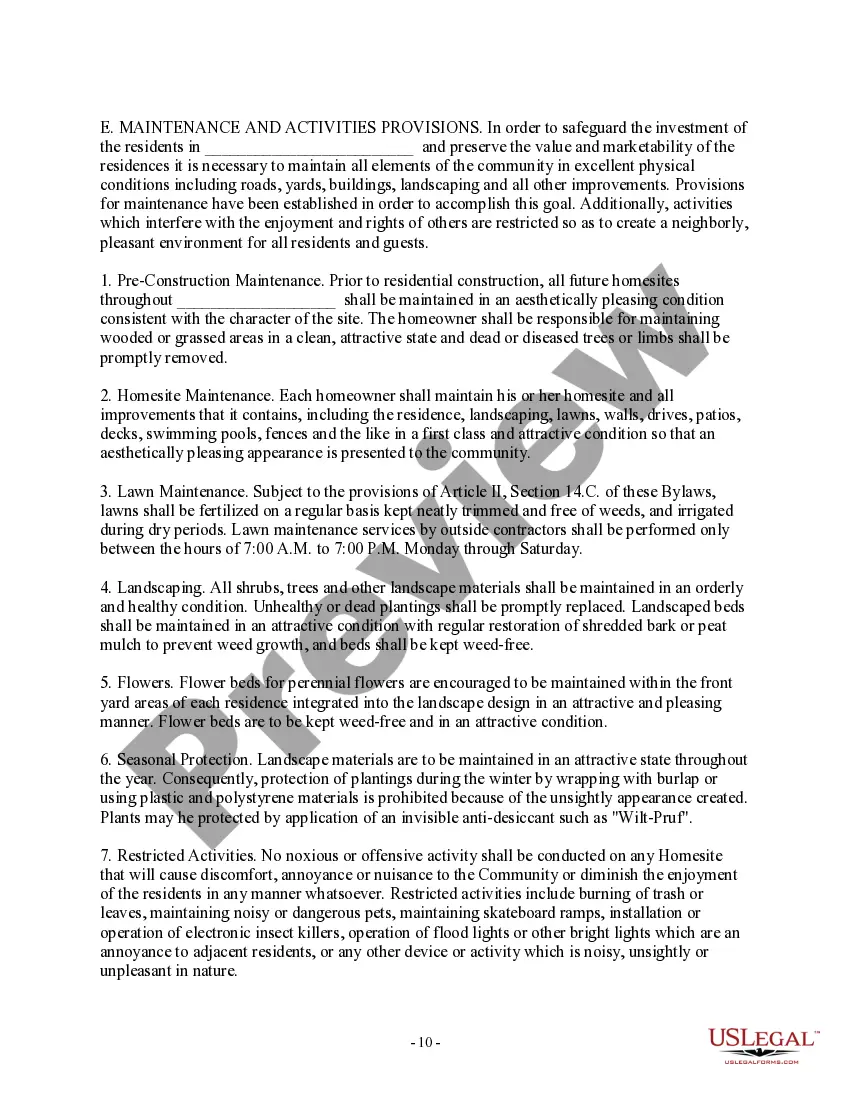


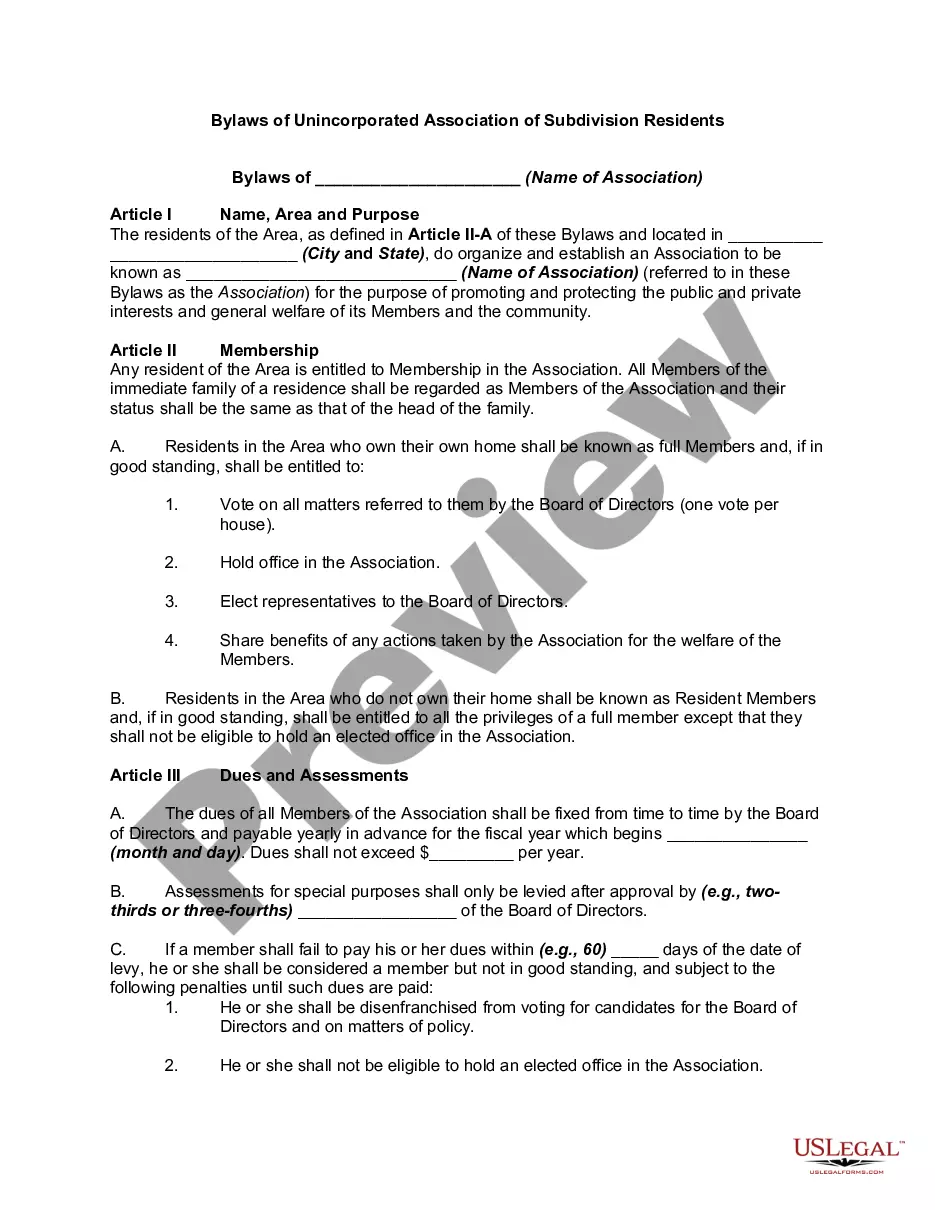
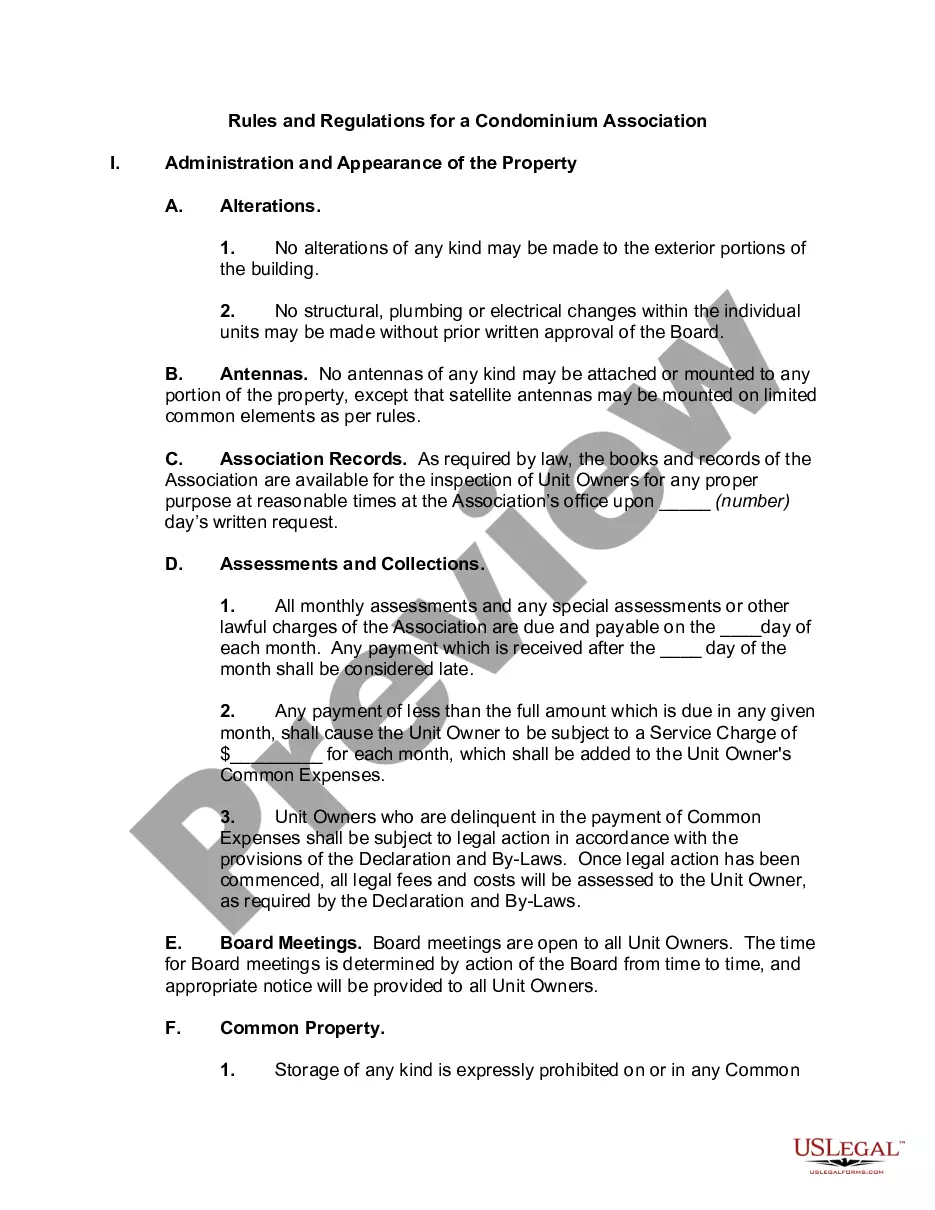
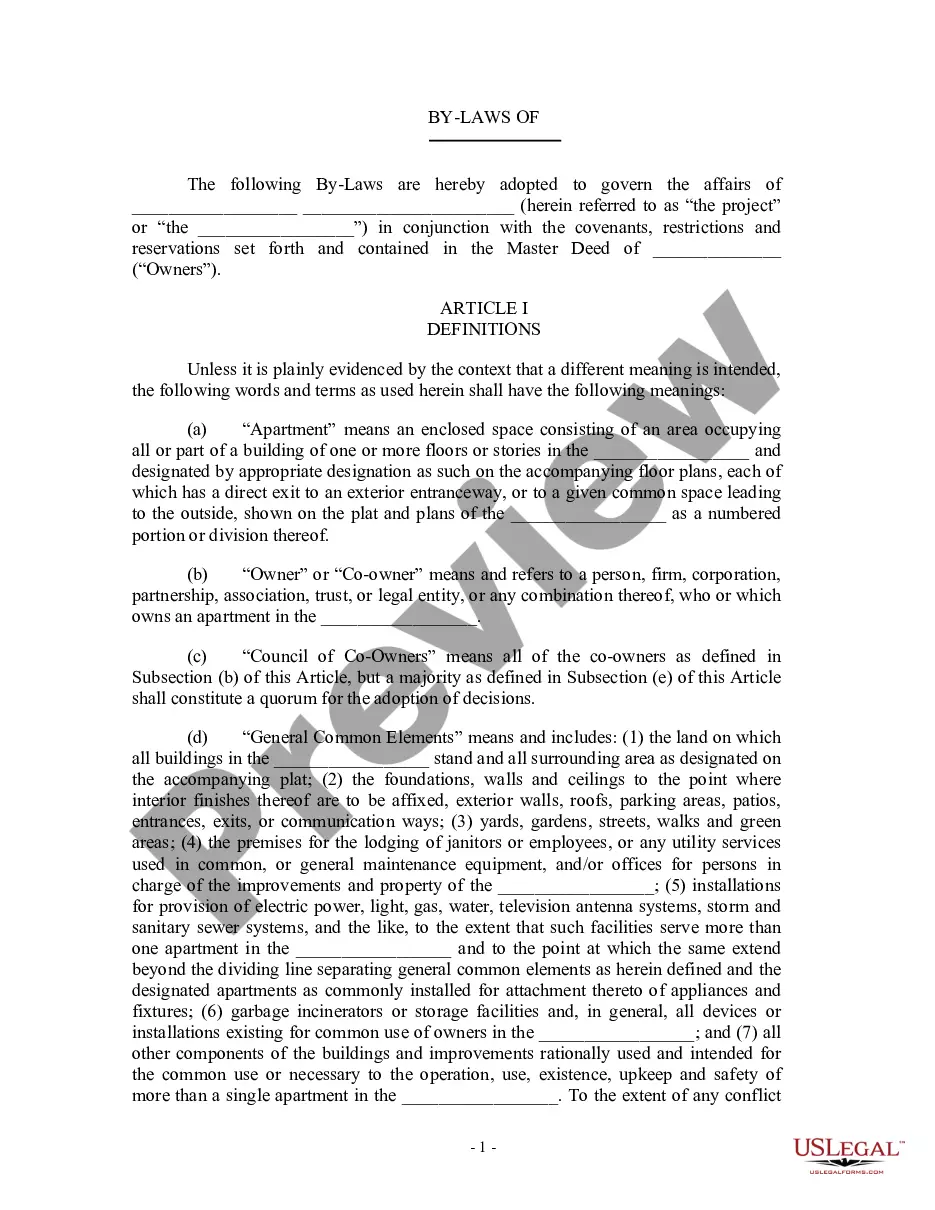
Get your form ready online
Our built-in tools help you complete, sign, share, and store your documents in one place.
Make edits, fill in missing information, and update formatting in US Legal Forms—just like you would in MS Word.
Download a copy, print it, send it by email, or mail it via USPS—whatever works best for your next step.
Sign and collect signatures with our SignNow integration. Send to multiple recipients, set reminders, and more. Go Premium to unlock E-Sign.
If this form requires notarization, complete it online through a secure video call—no need to meet a notary in person or wait for an appointment.
We protect your documents and personal data by following strict security and privacy standards.

Make edits, fill in missing information, and update formatting in US Legal Forms—just like you would in MS Word.

Download a copy, print it, send it by email, or mail it via USPS—whatever works best for your next step.

Sign and collect signatures with our SignNow integration. Send to multiple recipients, set reminders, and more. Go Premium to unlock E-Sign.

If this form requires notarization, complete it online through a secure video call—no need to meet a notary in person or wait for an appointment.

We protect your documents and personal data by following strict security and privacy standards.
Looking for another form?








Form popularity
FAQ
When a tenant is a nuisance to other homeowners, the association may seek eviction. Generally, the association needs to go through the homeowner rather than the tenant. That's because the association's agreement is with the homeowner and the tenant's agreement is with the homeowner.
Illegal landlord actions include harassment, discrimination, illegal eviction tactics, and any retaliation against tenants for exercising their rights, such as complaining about unsafe living conditions or joining tenant advocacy groups.
In most cases, a condo owner can rent out their property — and ing to the Zillow Group Consumer Housing Trends Report 2018, of those who own two properties, 38% say they rent out one of them. When a condo is rented, the owner typically becomes the landlord unless they hire a property management company.
Typically, a board will deny a renter for a low credit score or a criminal record. Also, if the renter has an open restraining or protective order.
State laws permitting homeowners associations generally can restrict rentals, and you can usually find such restrictions in the HOA's governing documents. To homeowners, rental restrictions seem unfair because they inhibit the unrestricted use of the property.
As a result of this duty, in particular, HOAs have the right to deny or approve real estate transactions in their community. In particular, HOA and Condo Owners Association (COA) laws in Florida allow the associations wide-reaching capabilities to either approve or disapprove rental or purchasing contracts.
If you have lived there for more than one year, but less than 2, or have a lease term of at least one year, but less than 2, your landlord must provide you with 60 days' notice; If you have lived there for more than 2 years or have a lease term of at least 2 years, your landlord must provide you with 90 days' notice.
No limit on how much your landlord can increase your rent. However, your landlord must give you advanced written notice before they can raise your rent 5% or more. advance written notice. This applies to month-to-month tenants without a lease as well.
The eviction process can take 30 - 45 days, or longer. The time starts from when you have eviction court forms delivered to your tenant to the time they must move out. Choose any box, below, to learn more about the eviction process and get step-by-step instructions.
