Condo Rules For Renovation In San Bernardino
Description

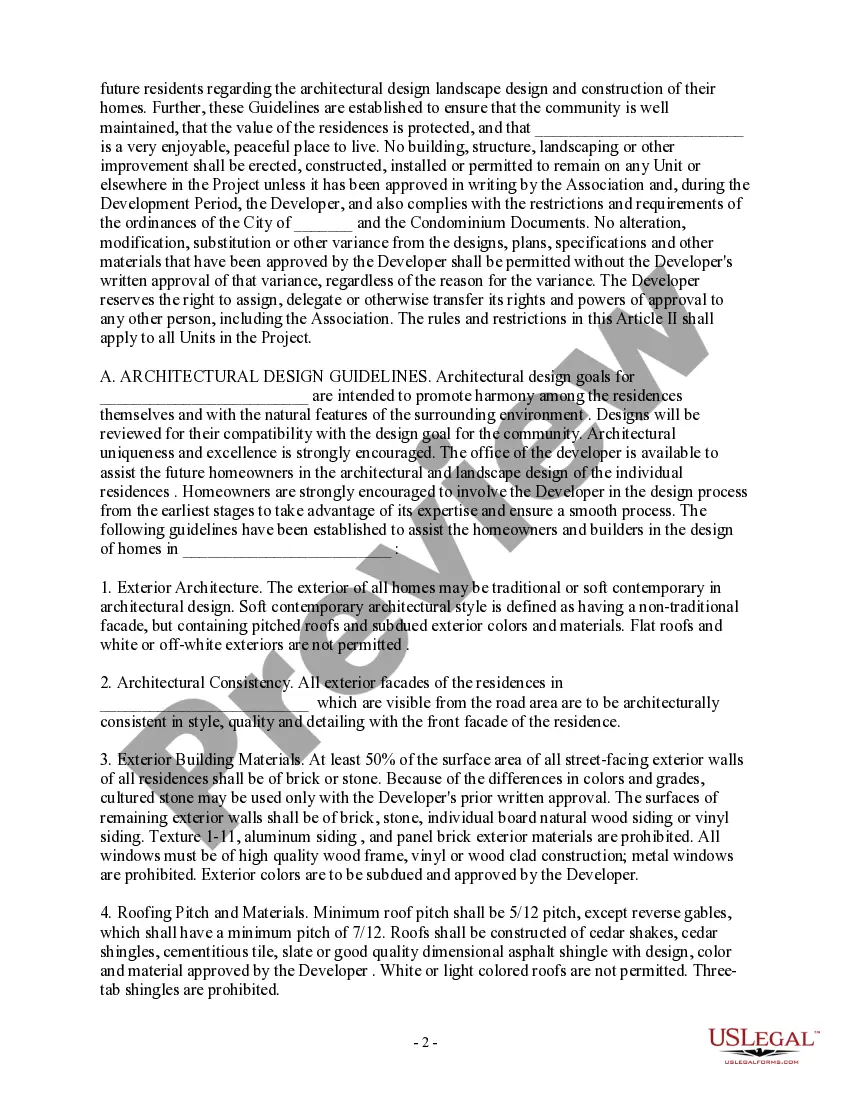
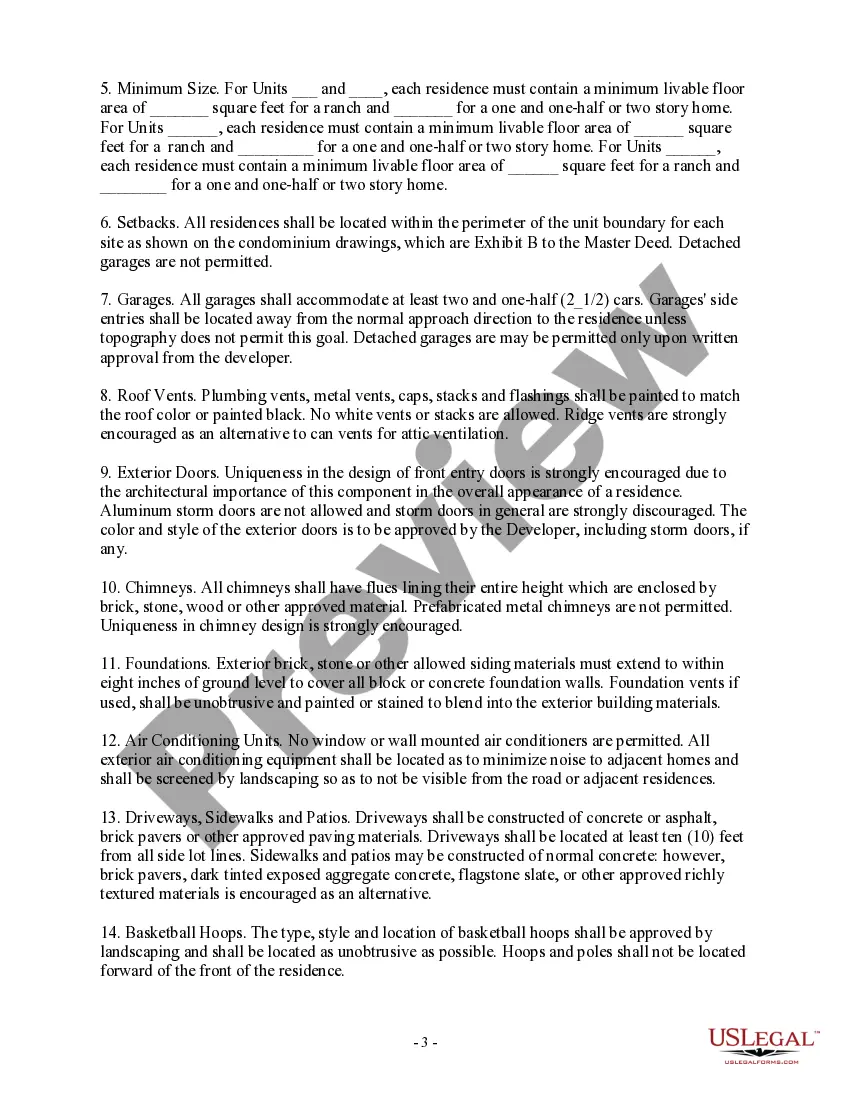
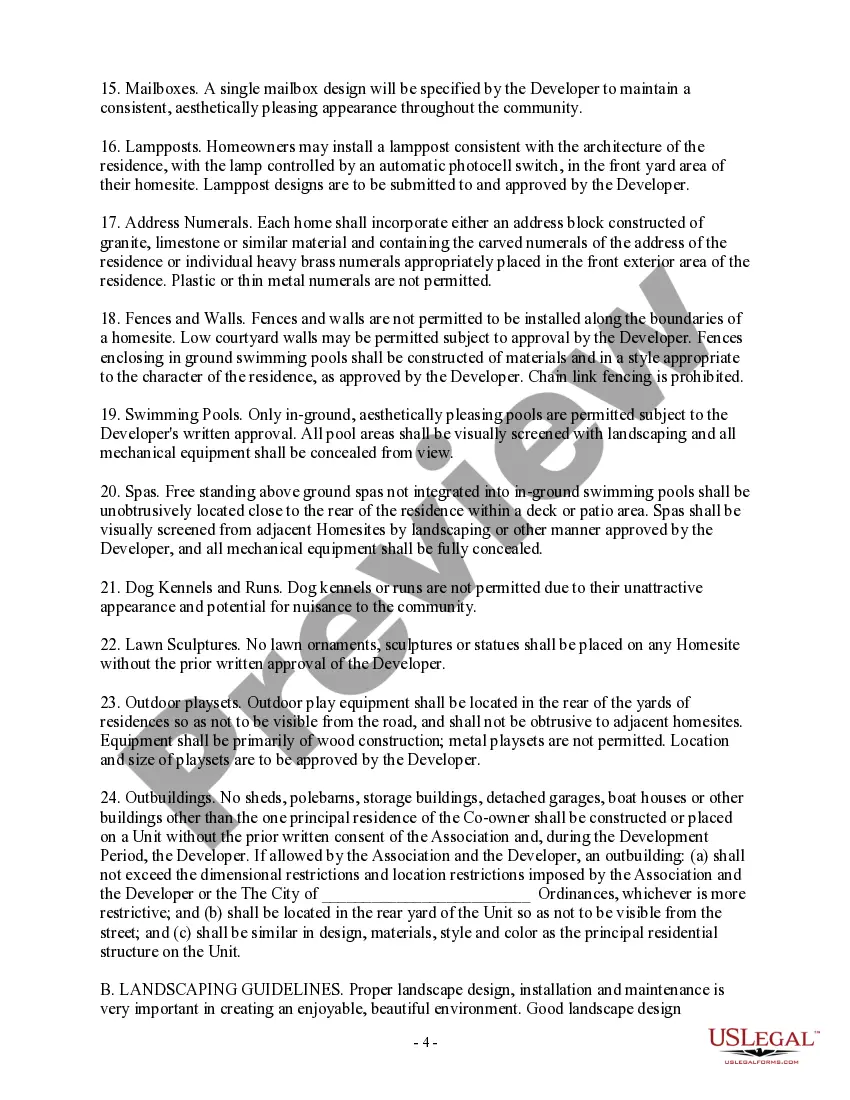

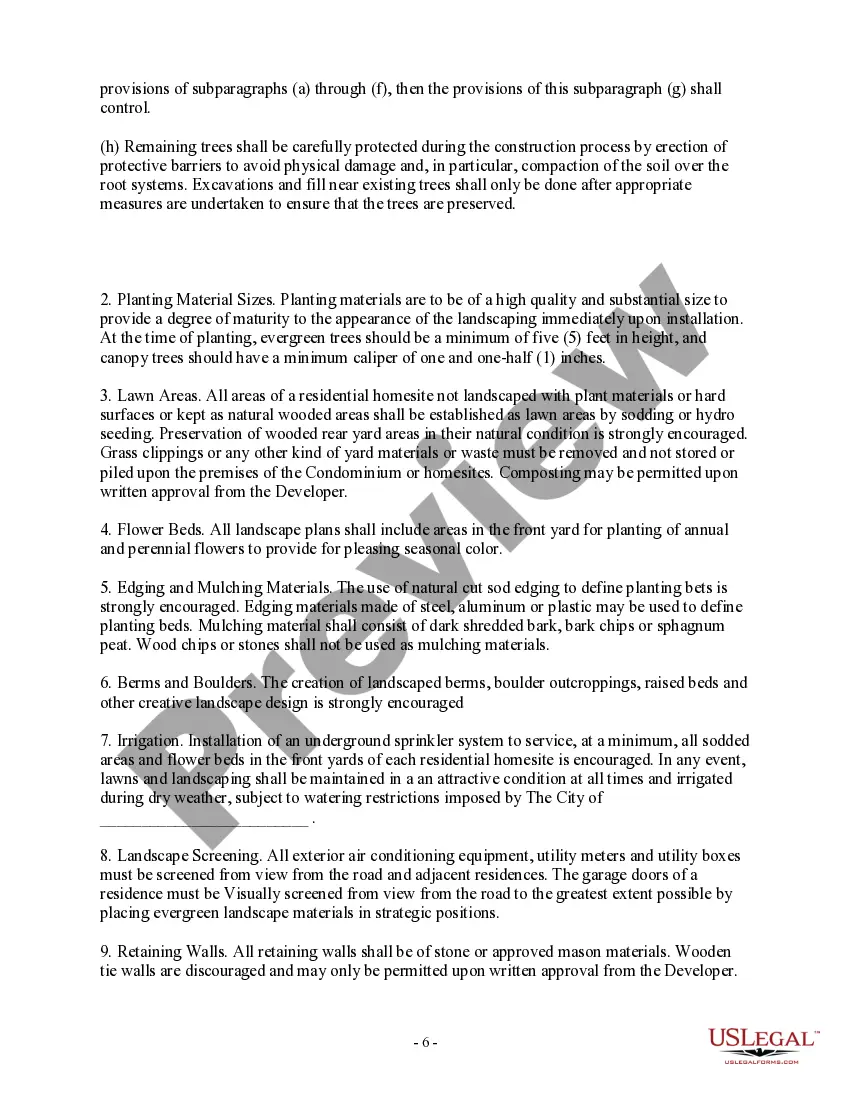



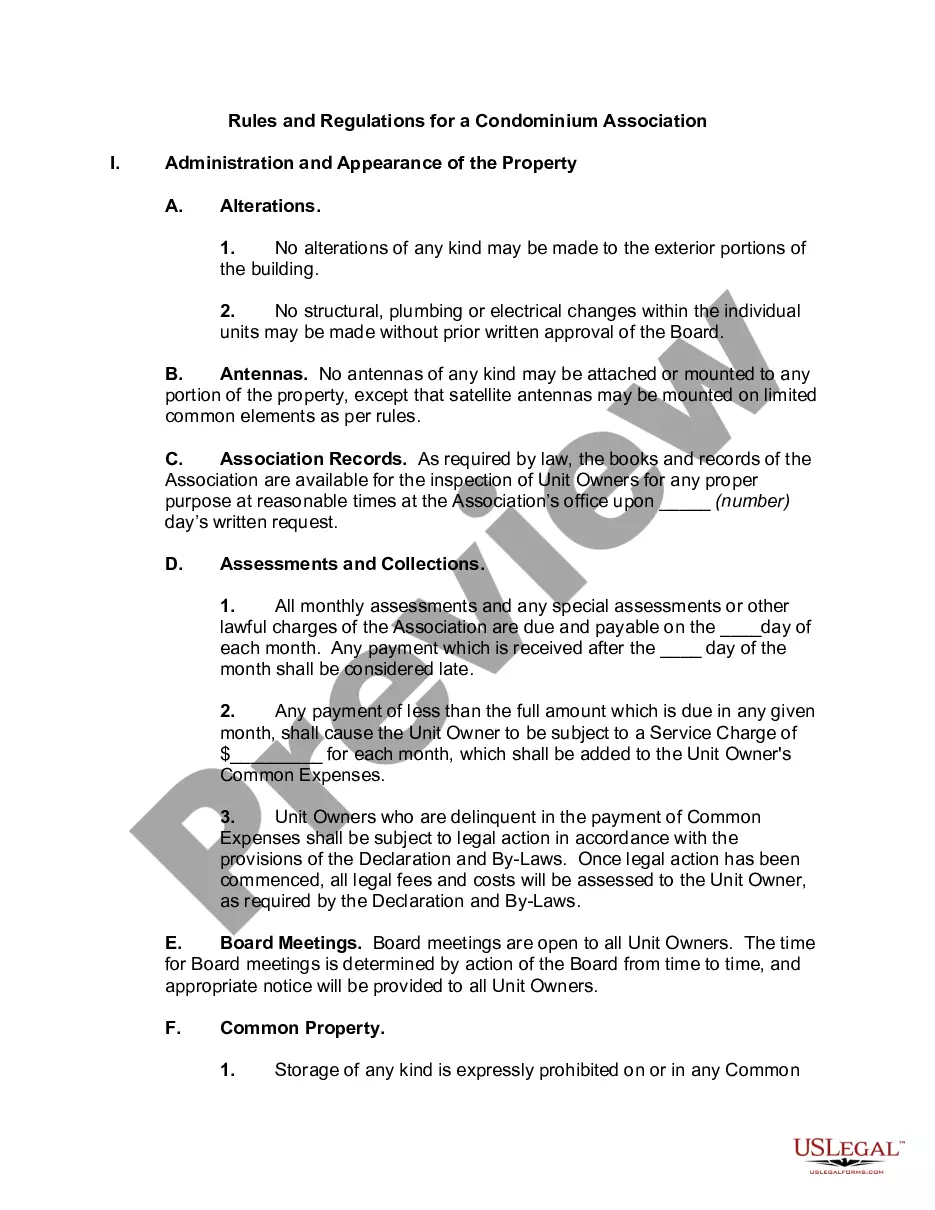

Get your form ready online
Our built-in tools help you complete, sign, share, and store your documents in one place.
Make edits, fill in missing information, and update formatting in US Legal Forms—just like you would in MS Word.
Download a copy, print it, send it by email, or mail it via USPS—whatever works best for your next step.
Sign and collect signatures with our SignNow integration. Send to multiple recipients, set reminders, and more. Go Premium to unlock E-Sign.
If this form requires notarization, complete it online through a secure video call—no need to meet a notary in person or wait for an appointment.
We protect your documents and personal data by following strict security and privacy standards.

Make edits, fill in missing information, and update formatting in US Legal Forms—just like you would in MS Word.

Download a copy, print it, send it by email, or mail it via USPS—whatever works best for your next step.

Sign and collect signatures with our SignNow integration. Send to multiple recipients, set reminders, and more. Go Premium to unlock E-Sign.

If this form requires notarization, complete it online through a secure video call—no need to meet a notary in person or wait for an appointment.

We protect your documents and personal data by following strict security and privacy standards.
Looking for another form?










Form popularity
FAQ
Types of Projects That May Be Exempt From a Building Permit in California Painting. Floor upgrades. Kitchen remodels. Small drywall projects. Common electrical work. Small outbuildings. Bathroom fixes. Fences.
Projects that DO NOT need a building permit are simple surface (cosmetic) projects; minor repairs and replacements; and minor site improvements or small structures.
The San Bernardino County Sheriff's Department is dedicated to the safety of its residents. The Sheriff is authorized to issue concealed carry weapon permits (CCW) to county residents who qualify under California law. A CCW authorizes a private person to carry a concealed firearm in public.
The County of San Bernardino's EZOP website simplifies your search for project information by centralizing handouts and descriptions of development and construction-related permits and activities. Are you building a high rise? Renovating a house? Installing a new water heater?
If you get caught remodeling without a permit in California, you may be issued a stop-work order, requiring all construction to cease immediately. You could face fines, which vary depending on the jurisdiction and the scope of the unpermitted work.
Permits are required for, but not limited to: Projects that involve plumbing, electrical, or mechanical work. Project that involve structural changes (e.g. beams/columns/shearwalls/load bearing walls) Residential Additions (increasing square footage of the home)
PERMITS AND INSPECTIONS ARE REQUIRED FOR THE FOLLOWING: New Attached or Detached Buildings and Structures (Residential and Non-Residential) with a floor area greater than 120 square feet Tenant Improvements. Roof and Ground Mount Solar Installation.
A Residential Accessory permit is required prior to any construction of residential accessory structures greater than 120 square feet. The definition of Accessory Structure is any structure accessory to and incidental to that of the dwelling(s) and that is located on the same lot.
In condo remodeling, removing a wall often tops the list of significant alterations. Although potential wall removal is generally possible, any alteration that might affect the structural integrity of the building requires HOA board approval.
Civil Code 1946.1 Even rental agreements that purport to require you to move for such work are probably not enforceable. Asking you to move out without compensation, move your furniture or otherwise accommodate the landlord's plans is a breach of the implied covenant of good faith and fair dealing.
