Bylaws Condo Association With Regulations In San Bernardino
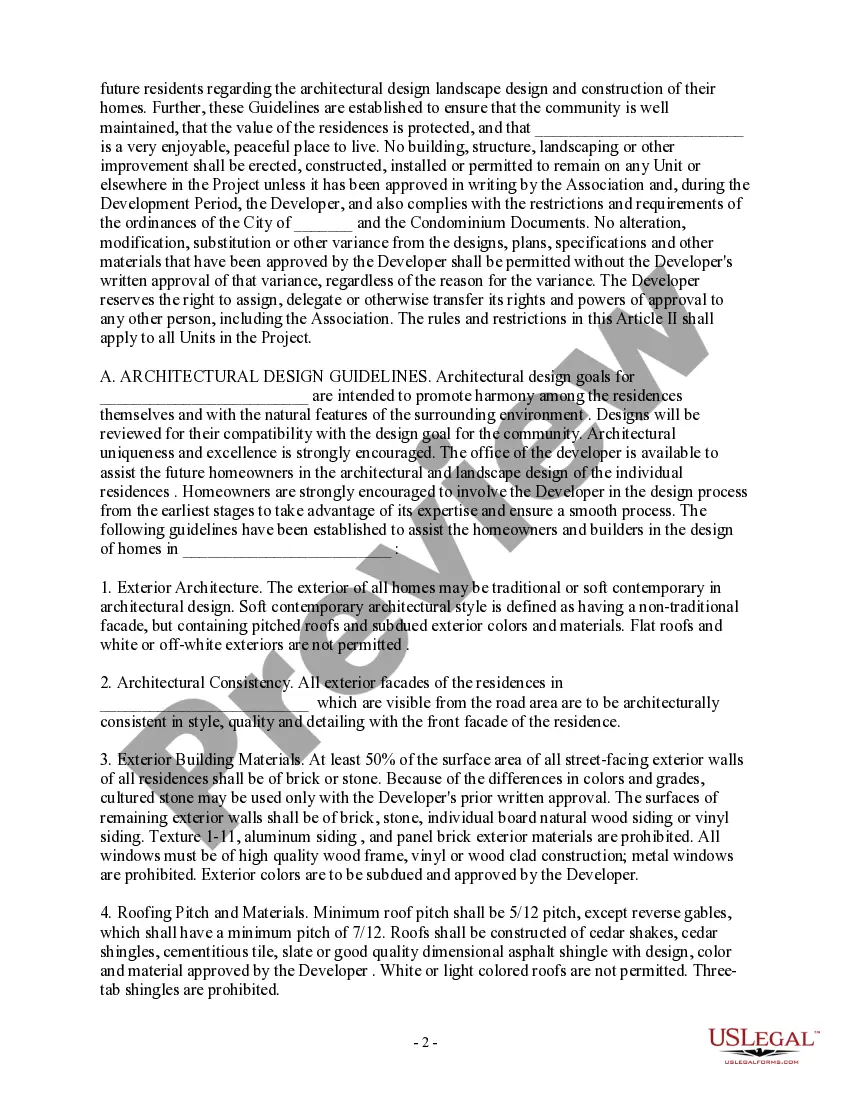
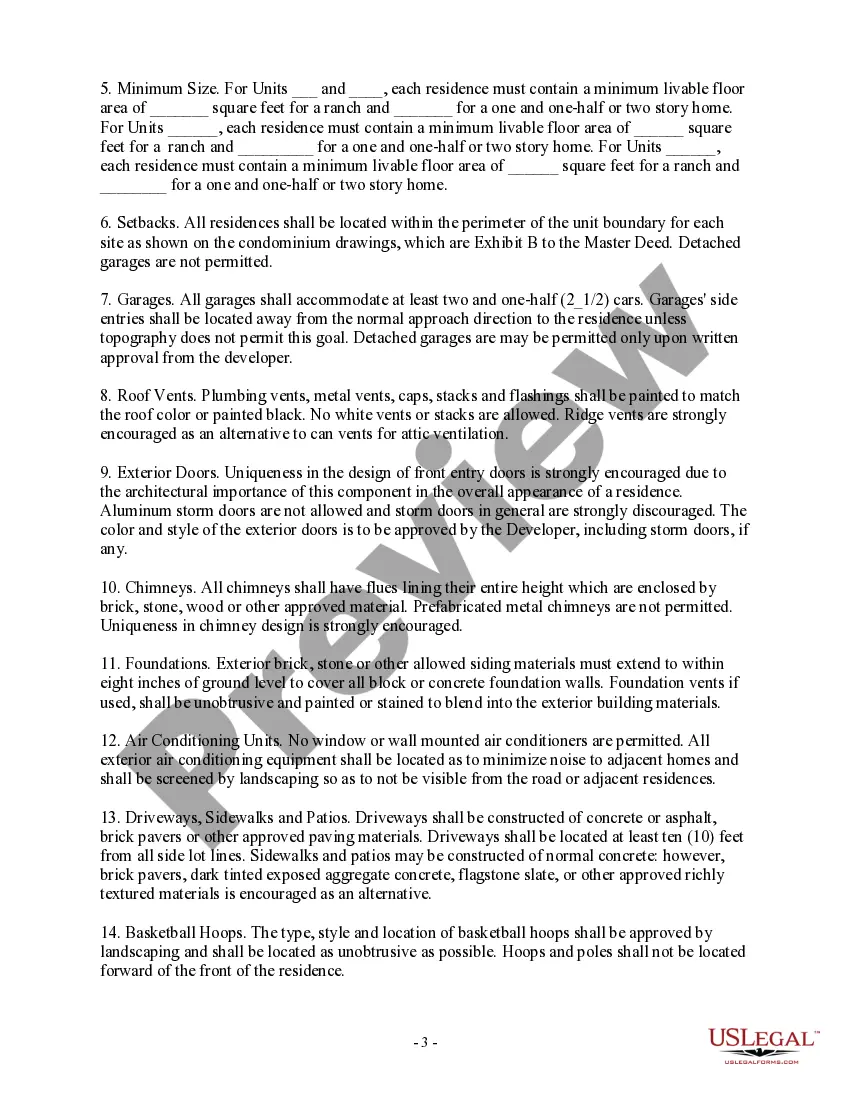
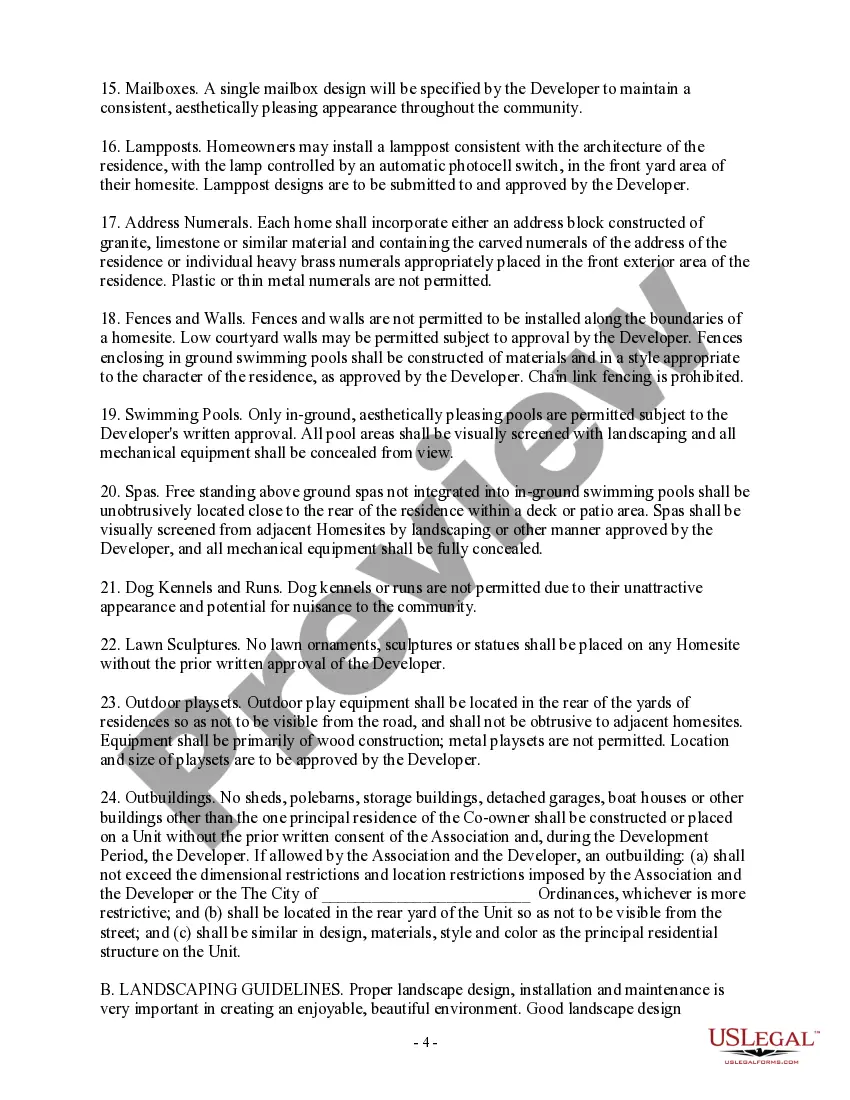
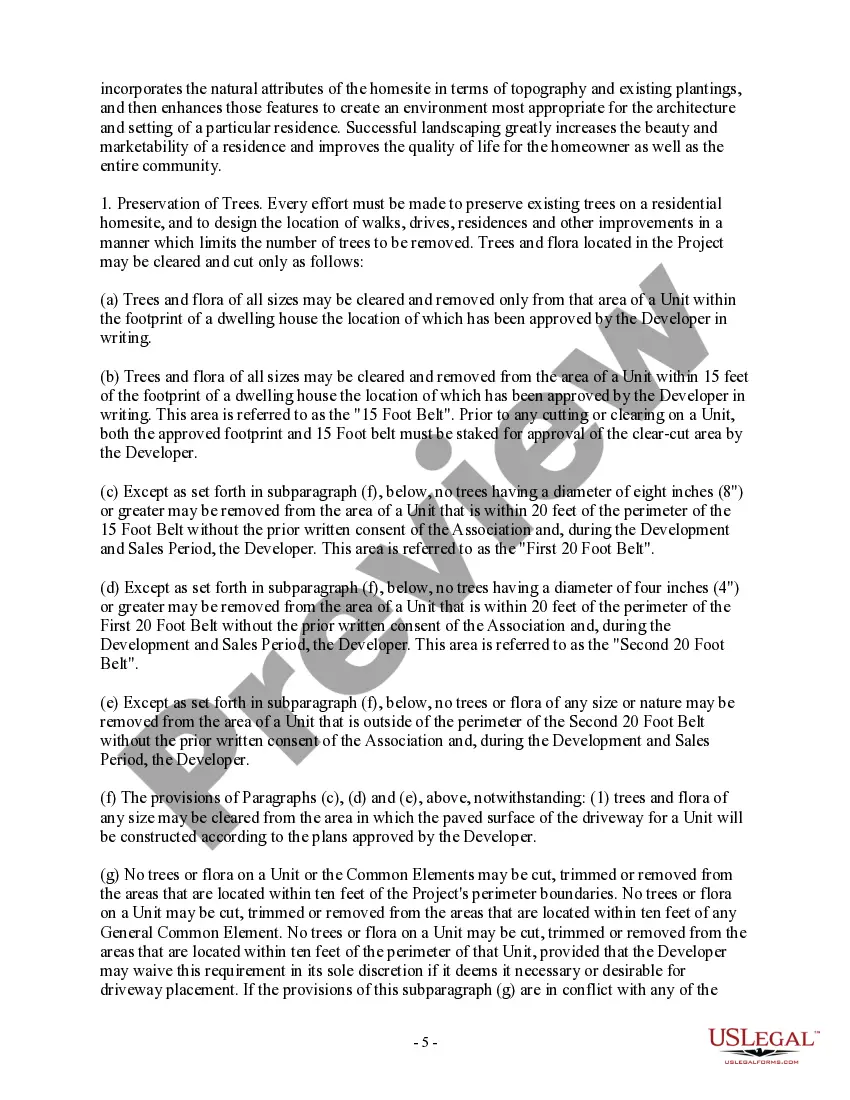
Description



Get your form ready online
Our built-in tools help you complete, sign, share, and store your documents in one place.
Make edits, fill in missing information, and update formatting in US Legal Forms—just like you would in MS Word.
Download a copy, print it, send it by email, or mail it via USPS—whatever works best for your next step.
Sign and collect signatures with our SignNow integration. Send to multiple recipients, set reminders, and more. Go Premium to unlock E-Sign.
If this form requires notarization, complete it online through a secure video call—no need to meet a notary in person or wait for an appointment.
We protect your documents and personal data by following strict security and privacy standards.

Make edits, fill in missing information, and update formatting in US Legal Forms—just like you would in MS Word.

Download a copy, print it, send it by email, or mail it via USPS—whatever works best for your next step.

Sign and collect signatures with our SignNow integration. Send to multiple recipients, set reminders, and more. Go Premium to unlock E-Sign.

If this form requires notarization, complete it online through a secure video call—no need to meet a notary in person or wait for an appointment.

We protect your documents and personal data by following strict security and privacy standards.
Looking for another form?





Form popularity
FAQ
Like any corporation, an HOA may be dissolved. But as discussed in this article, dissolving the legal entity that manages the common interest development will not disband the common interest development or get rid of the Declaration of Covenants, Conditions and Restrictions (“CC&Rs”).
The new HOA law in California, passed in September 2024, includes amendments to the Davis-Stirling Act of 1985. These amendments make it possible for HOAs to conduct elections online rather than through costly and time-consuming paper balloting.
Laws always supersede governing documents IF they conflict and the law applies to your HOA. In California, the Davis-Stirling Act may take precedent over general corporation codes because it's specific to HOAs.
The winding up process includes, among other things, giving notice of the dissolution to creditors of the HOA (Corporations Code § 8618), paying all known liabilities and debts (Corporations Code §§ 8713, 8714), selling assets (Corporations Code § 8710), and distributing any remaining assets to homeowners.
What are unenforceable HOA rules? Keep you out of court. Hush up litigation. Discriminate indiscriminately. Enter your home without cause or notice. String you out on the (clothes)line. Fine you for fun. Change rules on the fly. Demand you take down your dish.
Filing a lawsuit against an HOA is typically done in small claims court. The first step is to determine how much compensation is required. Small claims is bound by a limit for damages, and any cases seeking damages above this amount must either waive the excess or file in regular court instead.
HOAs are usually governed by a board of directors or governors that is elected by the homeowners to make decisions about the HOA and enforce its rules. Most HOAs in California are set up as nonprofit mutual benefit corporations, but some may be structured differently.
HOAs Cannot Regulate Public Streets… An HOA may not interfere with that regulation, except to the extent authorized by law. However, some attorneys believe that the HOA may enforce parking restrictions contained in the governing documents.
