Bylaws Residential Association Format In Queens
Description

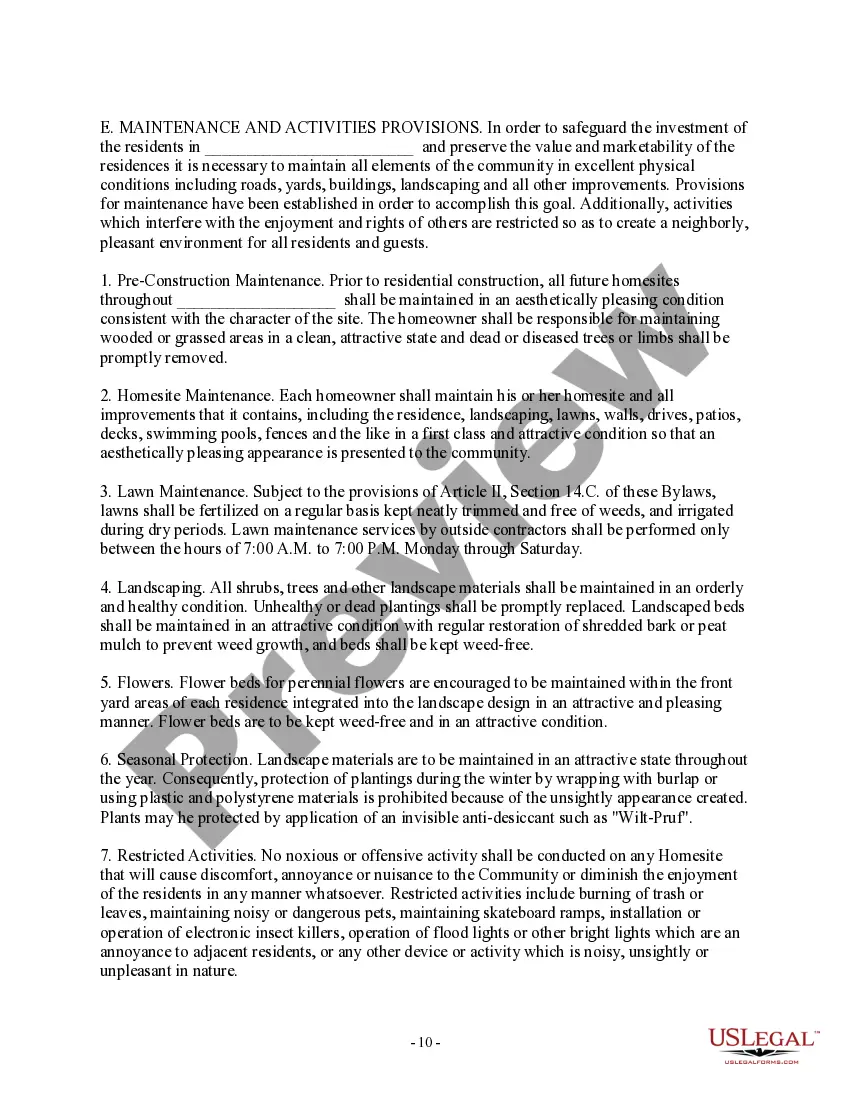



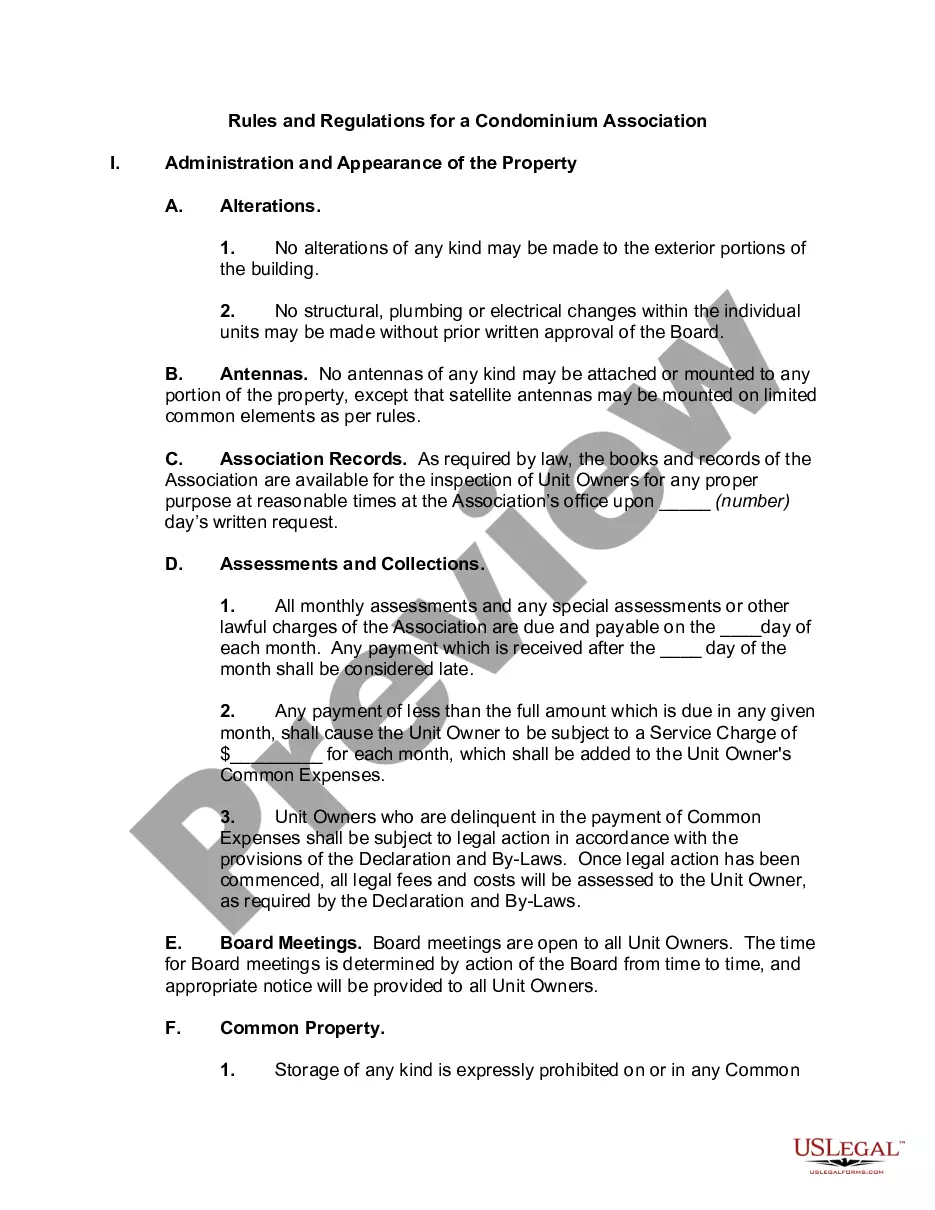

Get your form ready online
Our built-in tools help you complete, sign, share, and store your documents in one place.
Make edits, fill in missing information, and update formatting in US Legal Forms—just like you would in MS Word.
Download a copy, print it, send it by email, or mail it via USPS—whatever works best for your next step.
Sign and collect signatures with our SignNow integration. Send to multiple recipients, set reminders, and more. Go Premium to unlock E-Sign.
If this form requires notarization, complete it online through a secure video call—no need to meet a notary in person or wait for an appointment.
We protect your documents and personal data by following strict security and privacy standards.

Make edits, fill in missing information, and update formatting in US Legal Forms—just like you would in MS Word.

Download a copy, print it, send it by email, or mail it via USPS—whatever works best for your next step.

Sign and collect signatures with our SignNow integration. Send to multiple recipients, set reminders, and more. Go Premium to unlock E-Sign.

If this form requires notarization, complete it online through a secure video call—no need to meet a notary in person or wait for an appointment.

We protect your documents and personal data by following strict security and privacy standards.
Looking for another form?



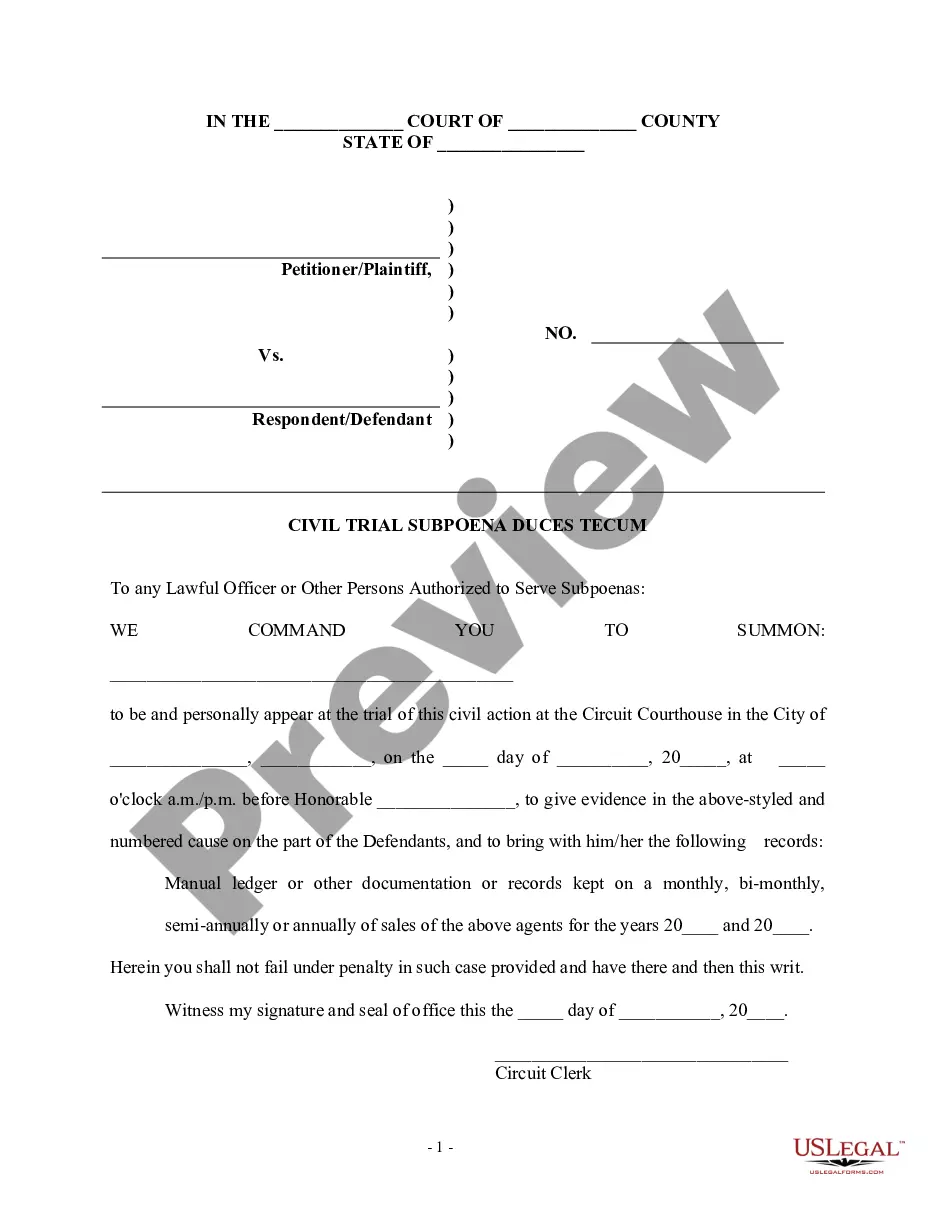

Form popularity
FAQ
Under New York real property law, a tenants' association is any organization of two or more people who band together and call themselves one. There is no formal incorporation or any other process necessary. It simply starts with talking to your neighbors and deciding to band together, rather than fight as individuals.
Tenant organizing begins with building connections between tenants to address an immediate need, like building maintenance, unfair evictions, or rent increases. It can evolve into a longer-term movement that pushes for policy changes to promote housing justice.
The Office of the New York State Attorney General (OAG) requires that the sponsor file an offering plan for the homeowners association, and that the sponsor maintain the commitments it made in the offering plan. The OAG's jurisdiction is limited to ownership and maintenance of HOA common property.
An occupant who has lawfully lived in the apartment for more than thirty days (with or without the lease), A subtenant, roommate or relative who has lived in the apartment for at least thirty days (even if the person is not on the lease and has not made any direct payments to the landlord).
Under New York real property law, a tenants' association is any organization of two or more people who band together and call themselves one. There is no formal incorporation or any other process necessary. It simply starts with talking to your neighbors and deciding to band together, rather than fight as individuals.
Contact your neighbors to have a meeting and discuss goals for the association. Develop a list of ideas and issues that most neighbors agree on. Plan a structure for the association. Decide how often you will meet (monthly, quarterly or as needed) and how you will keep in touch (email, flyers, etc.).
To comply with New York law, there are three primary pathways to establish an HOA: obtaining a no-action letter under 13 NYCRR Section 22.8, utilizing the Cooperative Policy Statement No. 7 (CPS-7), or filing an offering plan pursuant to 13 NYCRR Part 22 (Part 22).
There's plenty of work that goes into writing bylaws, so let's break down what you need to get writing! Research. Form a committee. Create the structure. Outline your organization's key roles and responsibilities. Establish your meeting rules. Define your membership. Address finances. Outline the amendment process.
Drafting bylaws is usually the responsibility of the Chief Administrative Officer (CAO) or a person delegated that function. There are resources available, such as: (a) Have your municipal solicitor prepare bylaws. (b) Contact your municipal association for a sample bylaw if one is available.
Bylaws are a type of law, and specifically a type of legislation, made by a municipal council, rather than the other two spheres of government (ie. provincial and national government). relate to issues in the local community; and apply only in the area of jurisdiction of the municipality concerned.
