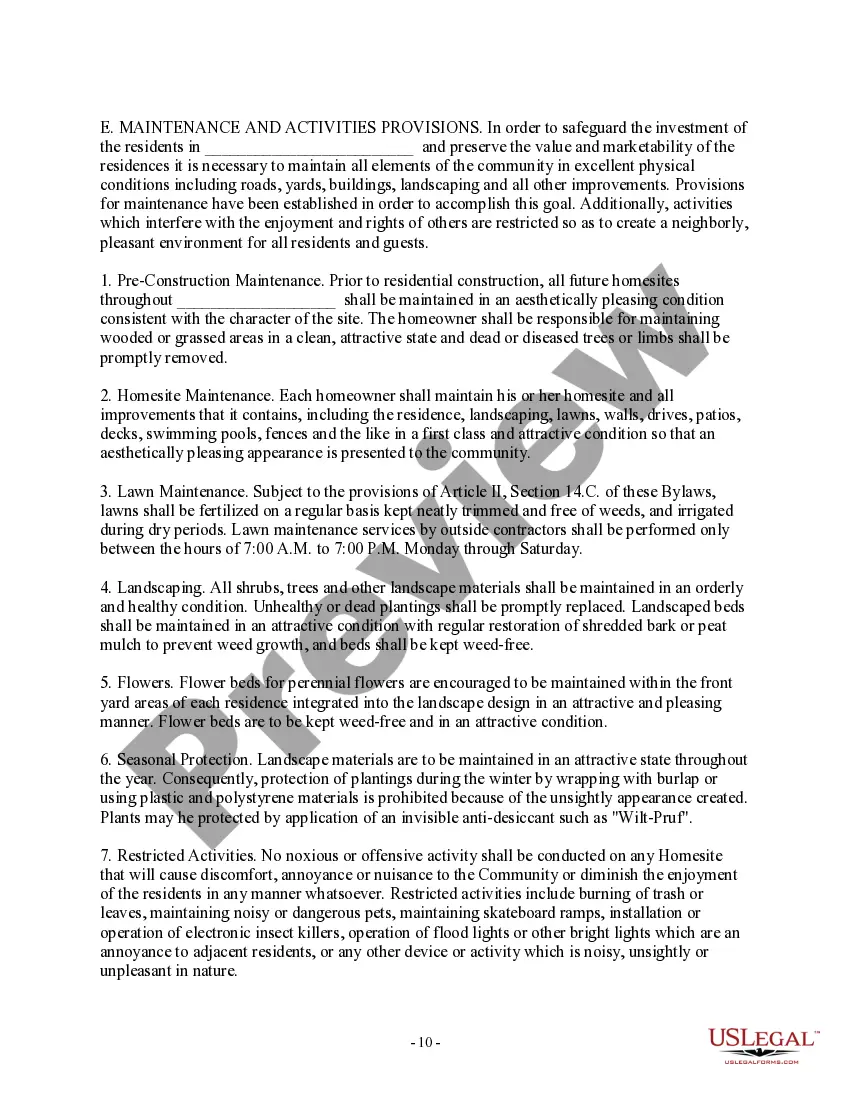
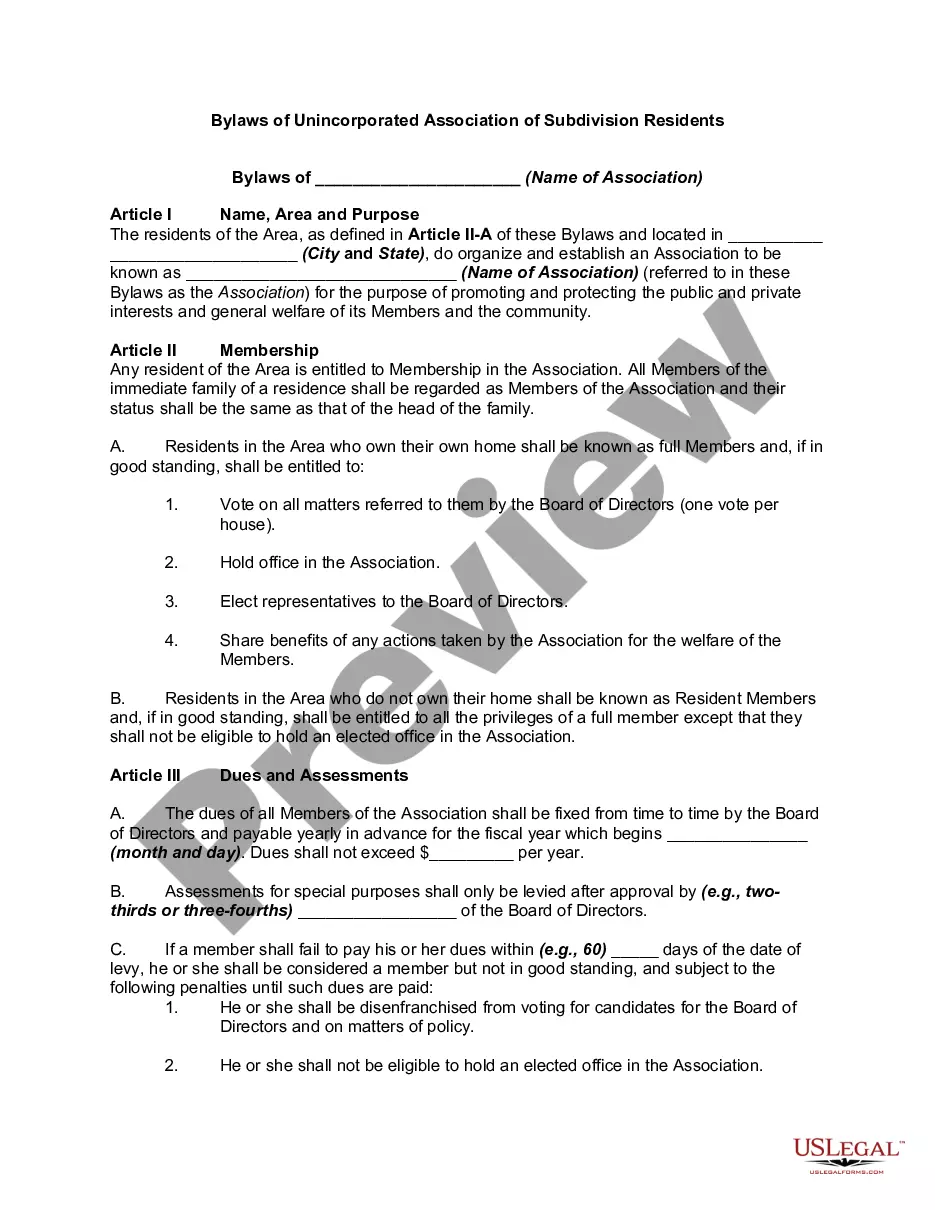
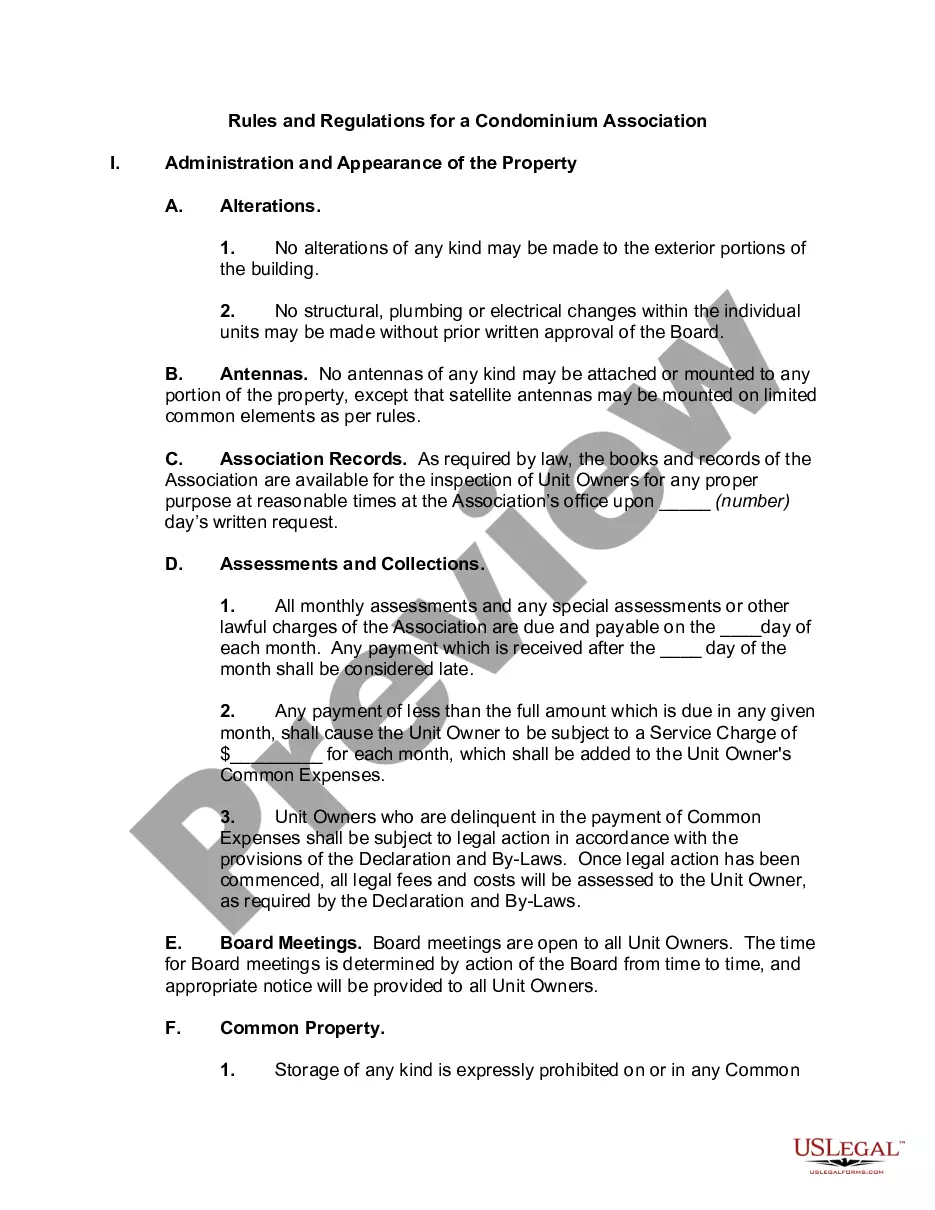
Bylaws Residential Association With Board Of Directors In Phoenix
Description




Get your form ready online
Our built-in tools help you complete, sign, share, and store your documents in one place.
Make edits, fill in missing information, and update formatting in US Legal Forms—just like you would in MS Word.
Download a copy, print it, send it by email, or mail it via USPS—whatever works best for your next step.
Sign and collect signatures with our SignNow integration. Send to multiple recipients, set reminders, and more. Go Premium to unlock E-Sign.
If this form requires notarization, complete it online through a secure video call—no need to meet a notary in person or wait for an appointment.
We protect your documents and personal data by following strict security and privacy standards.

Make edits, fill in missing information, and update formatting in US Legal Forms—just like you would in MS Word.

Download a copy, print it, send it by email, or mail it via USPS—whatever works best for your next step.

Sign and collect signatures with our SignNow integration. Send to multiple recipients, set reminders, and more. Go Premium to unlock E-Sign.

If this form requires notarization, complete it online through a secure video call—no need to meet a notary in person or wait for an appointment.

We protect your documents and personal data by following strict security and privacy standards.
Looking for another form?

Form popularity
FAQ
The ARS grants the board specific powers such as the ability to foreclose on a house for unpaid liens and establish rules concerning the exterior appearance of homes and other community-related restrictions. HOAs in Arizona are also bound by rules set forth in their own governing documents.
A quorum of the board should not be using email to discuss or make decisions on association business, and the use of unanimous consent in lieu of board meeting is potentially subject to legal challenge.
“All meetings of any public body shall be public meetings and all persons so desiring shall be permitted to attend and listen to the deliberations and proceedings.” A.R.S. § 38- 431.01(A).
While the intention is admirable, most experts do not recommend having informal board meetings. If board members have difficulty making decisions on the spot, they can move the item for discussion at the next meeting. This will give them time to consider the topic and come up with the right questions.
The Homeowners Association Dispute Process is administered by the Arizona Department of Real Estate, which has the statutory jurisdiction to hear issues between residents and homeowner or inium associations.
Essentially, HOAs are not subject to open meeting law because they are private entities that do not fit the definition of “public body” in A.R.S. § 38-431. That being said, HOAs are still subject to some meeting requirements laid out in A.R.S. § 33-1804.
In Arizona, board members may only serve for one year. Florida law allows for officers to serve for eight consecutive years.
Here are some of the documents you can ask for as a homeowner: CC&Rs: The covenants, conditions and restrictions (CC&Rs) outline the rules and regulations of the community. Bylaws: The bylaws establish operational procedures for the HOA, like voting rights, elections, meetings, powers of the board, and more.
Family Ties. Depending on the state you live in, family members might not be allowed to serve on a board together. States like Florida have a blanket rule against spouses serving on a board together, while Arizona permits partners to serve together – unless otherwise stated in the association's governing documents.
