Condo Rules For Renters In North Carolina
Description

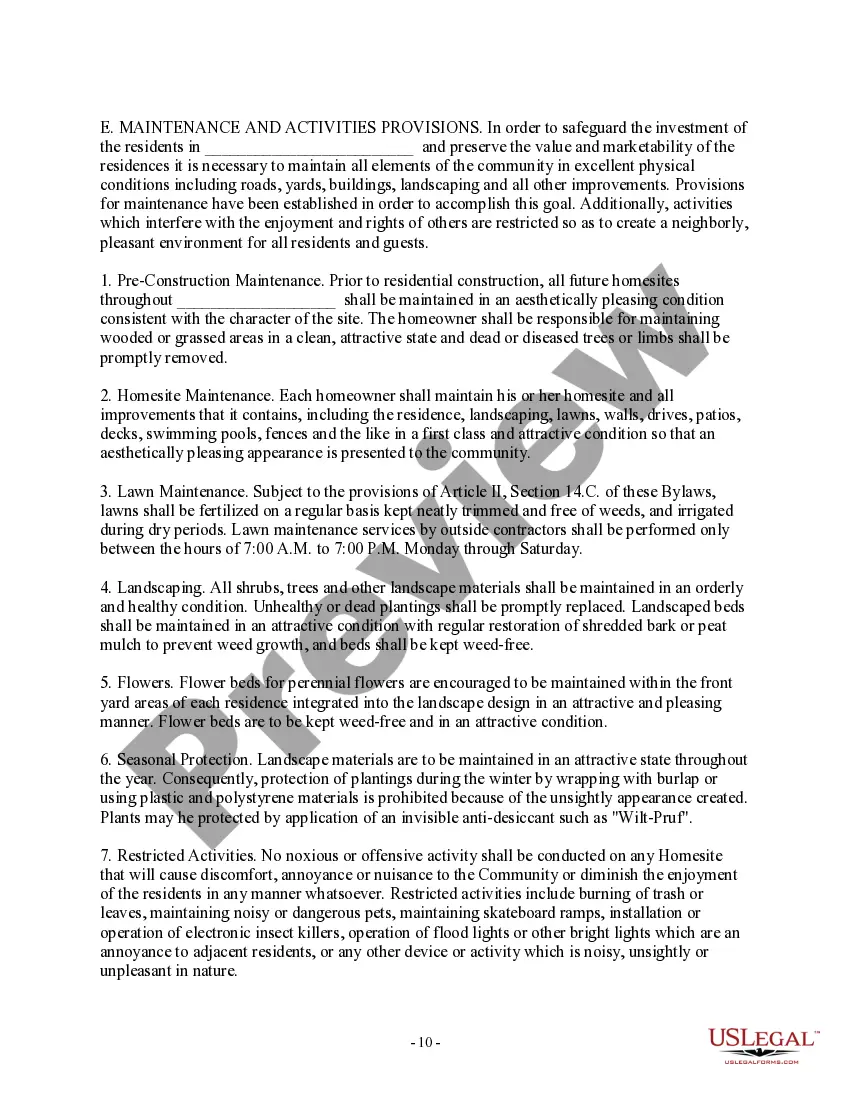


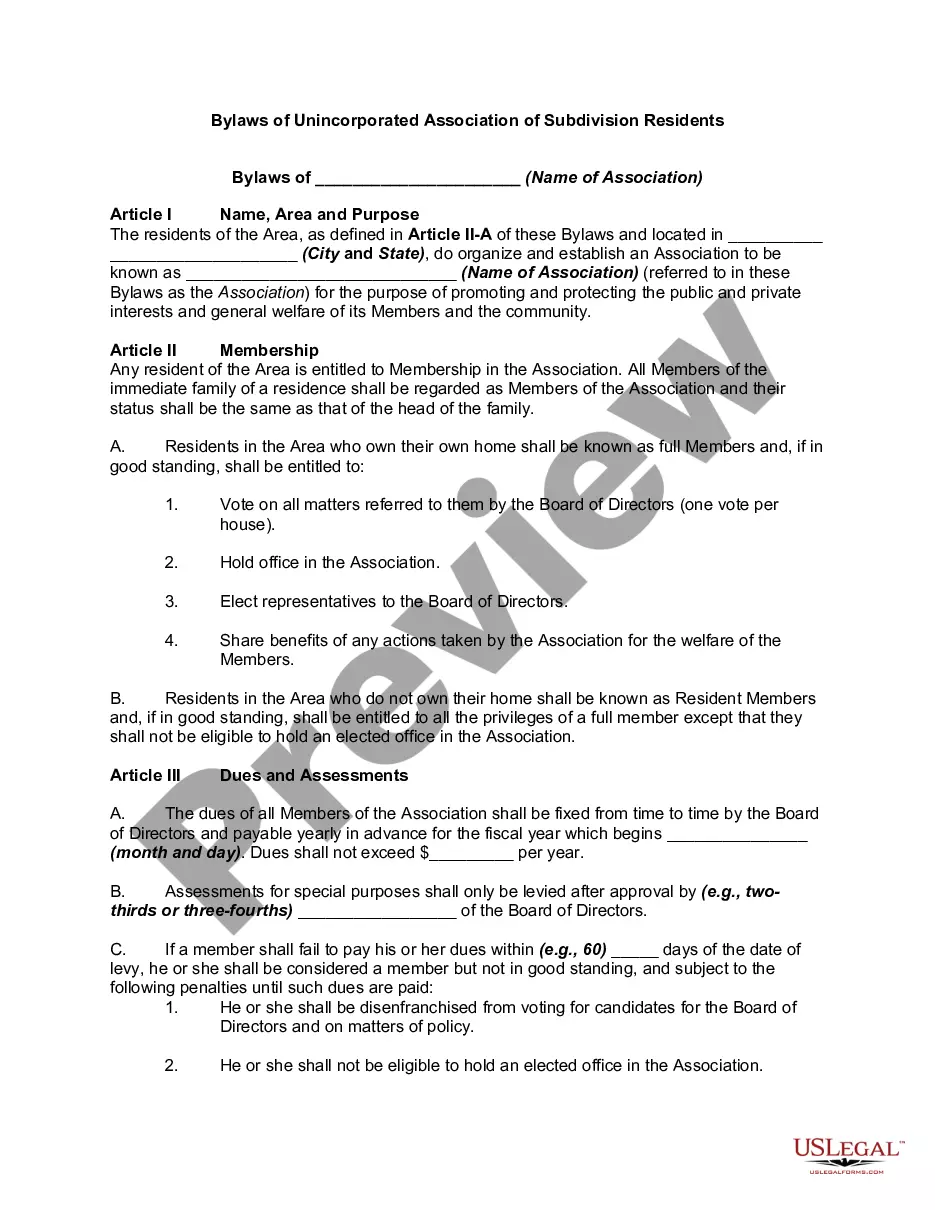
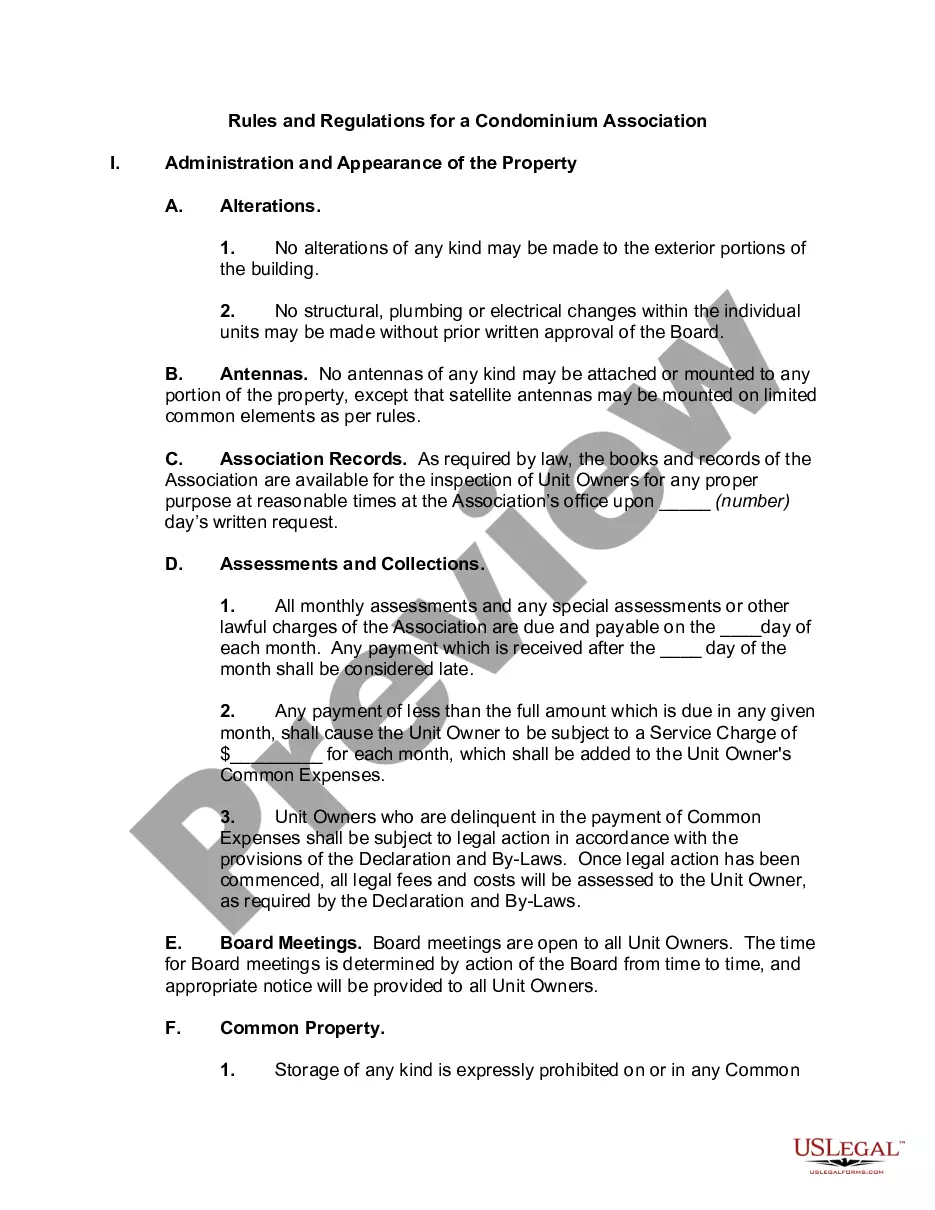
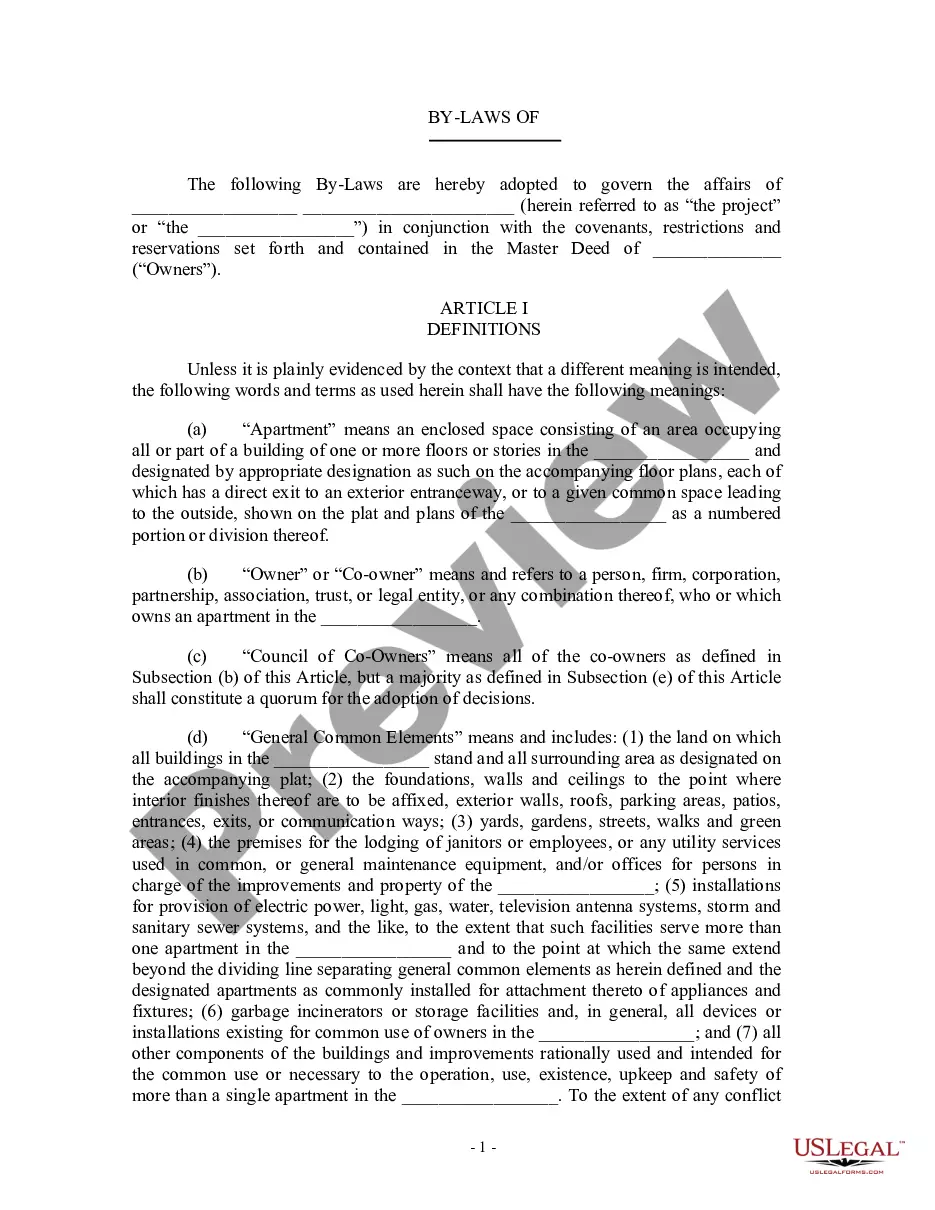
Get your form ready online
Our built-in tools help you complete, sign, share, and store your documents in one place.
Make edits, fill in missing information, and update formatting in US Legal Forms—just like you would in MS Word.
Download a copy, print it, send it by email, or mail it via USPS—whatever works best for your next step.
Sign and collect signatures with our SignNow integration. Send to multiple recipients, set reminders, and more. Go Premium to unlock E-Sign.
If this form requires notarization, complete it online through a secure video call—no need to meet a notary in person or wait for an appointment.
We protect your documents and personal data by following strict security and privacy standards.

Make edits, fill in missing information, and update formatting in US Legal Forms—just like you would in MS Word.

Download a copy, print it, send it by email, or mail it via USPS—whatever works best for your next step.

Sign and collect signatures with our SignNow integration. Send to multiple recipients, set reminders, and more. Go Premium to unlock E-Sign.

If this form requires notarization, complete it online through a secure video call—no need to meet a notary in person or wait for an appointment.

We protect your documents and personal data by following strict security and privacy standards.
Looking for another form?







Form popularity
FAQ
Tenants in North Carolina have the right to a habitable living environment, a right to privacy, protection against discrimination, and the right to be informed about changes in property ownership and complaints about property misuse.
For month-to-month leases, there must be seven days of notice. For year-to-year leases or those with other definite terms, landlords must notify the tenant, or vice versa, within a month of the end of the lease. On leases lasting between one week and one month, notice must be given at least two days in advance.
North Carolina has no statutory limits on the amount a landlord can raise rent, so clear communication and negotiation are essential. Tenants should review their lease terms and stay informed about local rental market trends to ensure reasonable proposed increases.
In broad terms, North Carolina is considered a landlord-friendly state, but that doesn't mean tenants don't have legal rights and protections, too. Understanding landlord-tenant rights is essential whether you're a landlord, property manager, or tenant.
For month-to-month leases, there must be seven days of notice. For year-to-year leases or those with other definite terms, landlords must notify the tenant, or vice versa, within a month of the end of the lease. On leases lasting between one week and one month, notice must be given at least two days in advance.
Rental Requirements Include : Must Earn 3x the Monthly Rent. Provide complete Residence History. Provide complete Employment Verification. Credit Check will be preformed. Criminal Background Check will be preformed. Proof of Renter's Insurance - $300,000 liability coverage is REQUIRED.
Legal grounds for eviction in North Carolina include non-payment of rent, violating the terms of the lease, or engaging in illegal activity on the property.
L. Excessive standing water, sewage, or flooding problems caused by plumbing leaks or inadequate drainage that contribute to mosquito infestation or mold.
Local building, health, fire and safety inspectors can take action to ensure compliance with the codes. If you and your landlord aren't able to settle your disputes, you may want to call the Attorney General's Consumer Protection Division at 1-877-5-NO-SCAM.
