Condominium Bylaws And In New York
Description

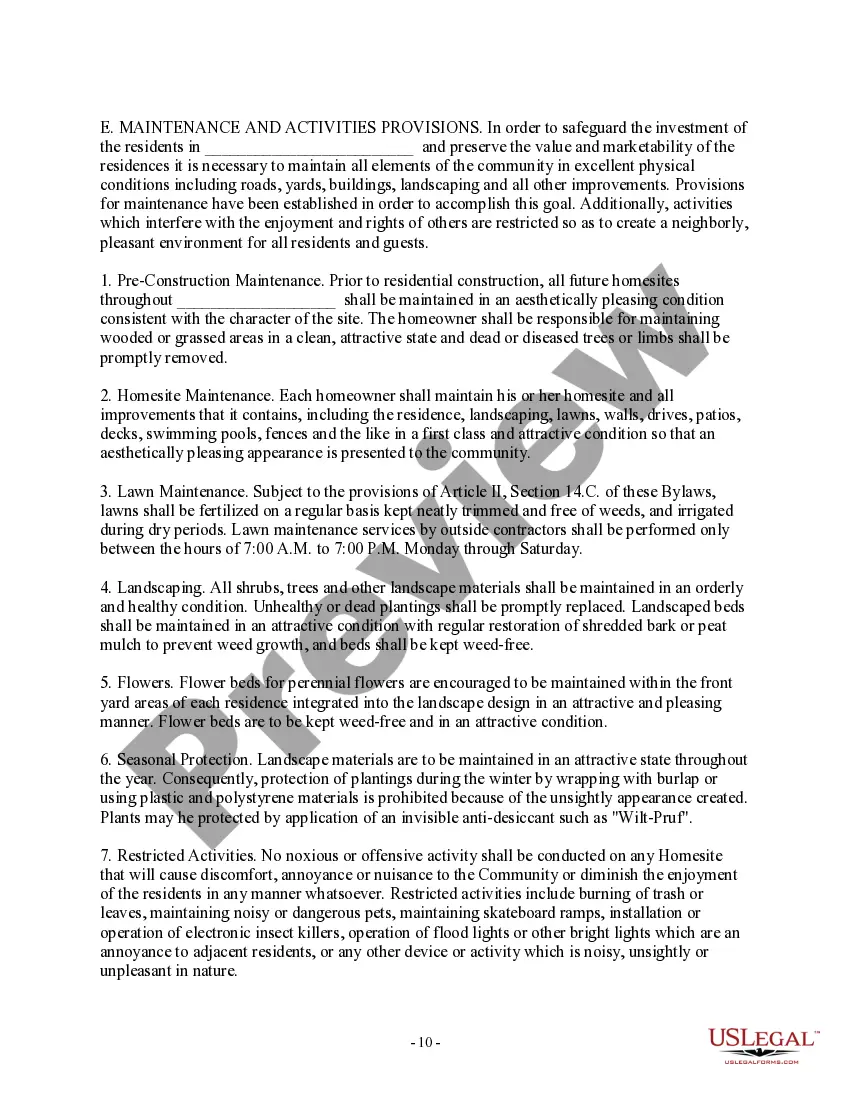


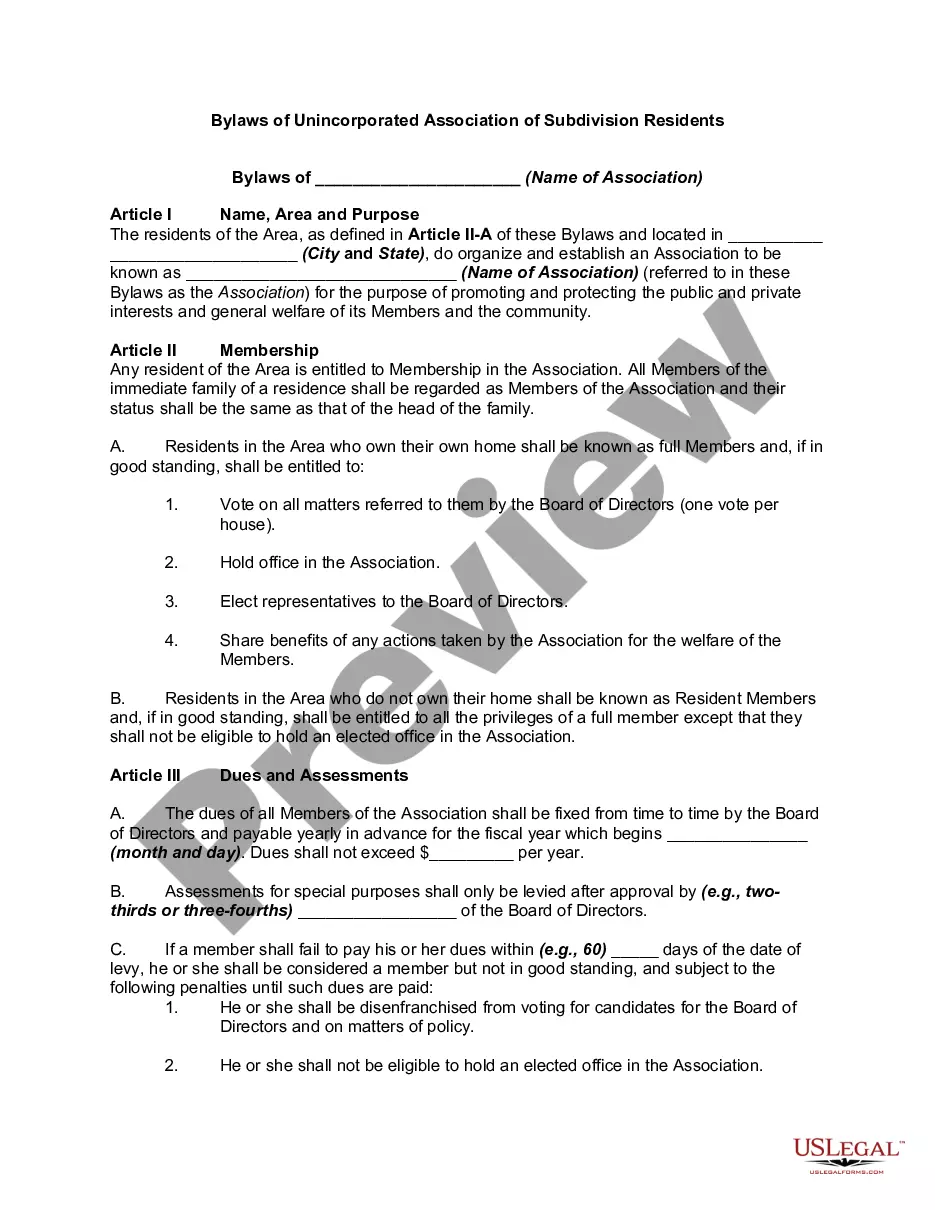
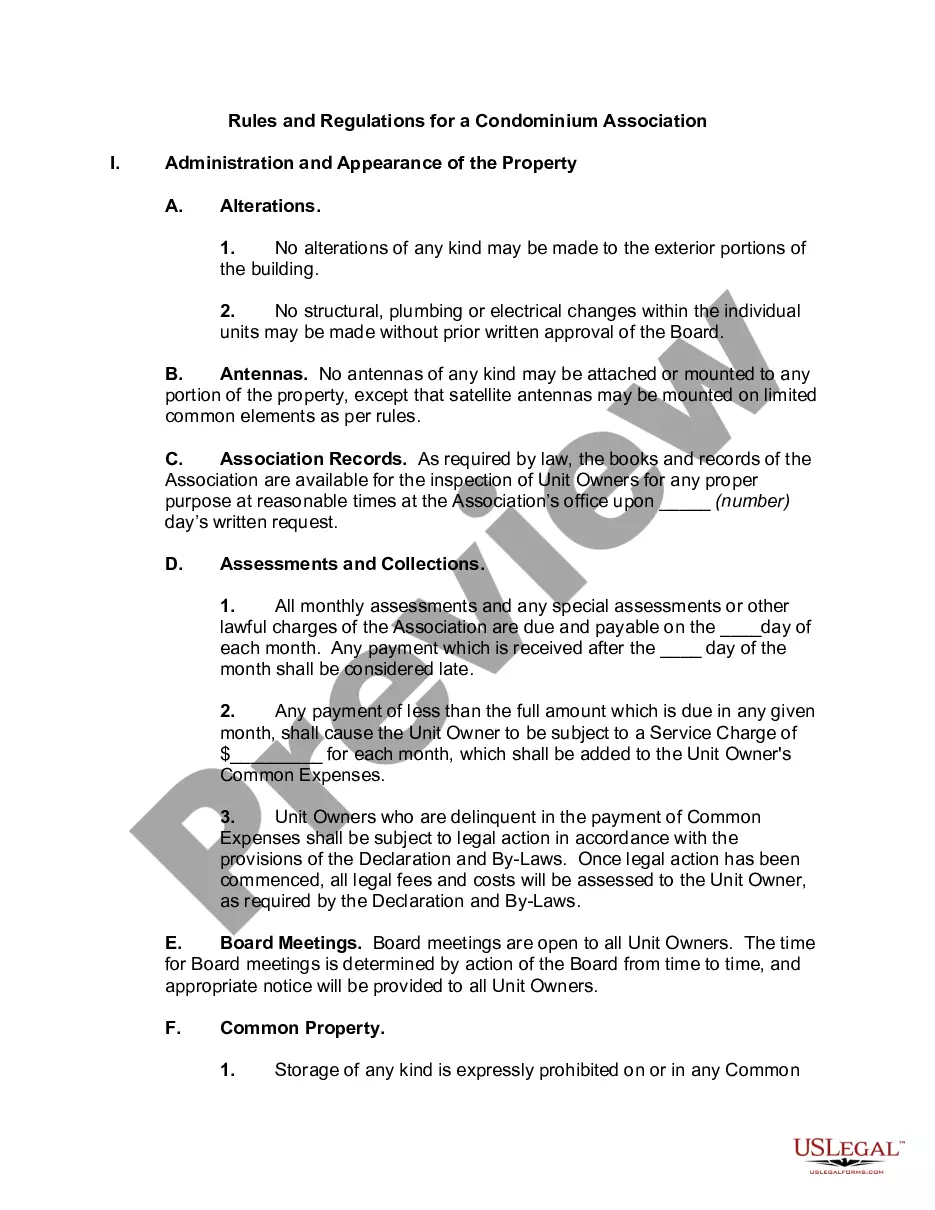
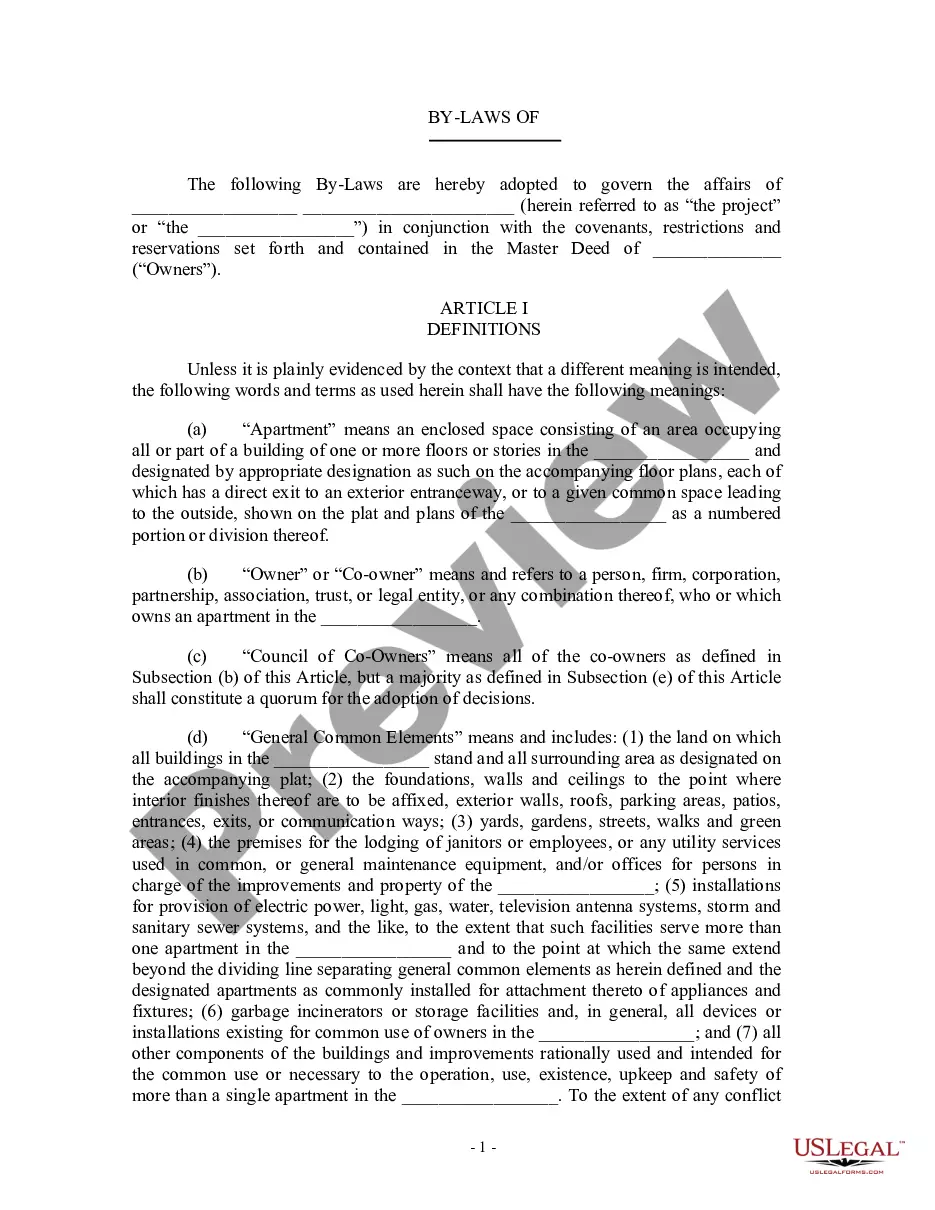
Get your form ready online
Our built-in tools help you complete, sign, share, and store your documents in one place.
Make edits, fill in missing information, and update formatting in US Legal Forms—just like you would in MS Word.
Download a copy, print it, send it by email, or mail it via USPS—whatever works best for your next step.
Sign and collect signatures with our SignNow integration. Send to multiple recipients, set reminders, and more. Go Premium to unlock E-Sign.
If this form requires notarization, complete it online through a secure video call—no need to meet a notary in person or wait for an appointment.
We protect your documents and personal data by following strict security and privacy standards.

Make edits, fill in missing information, and update formatting in US Legal Forms—just like you would in MS Word.

Download a copy, print it, send it by email, or mail it via USPS—whatever works best for your next step.

Sign and collect signatures with our SignNow integration. Send to multiple recipients, set reminders, and more. Go Premium to unlock E-Sign.

If this form requires notarization, complete it online through a secure video call—no need to meet a notary in person or wait for an appointment.

We protect your documents and personal data by following strict security and privacy standards.
Looking for another form?








Form popularity
FAQ
Htm, or can be ordered by calling the New York State Department of Taxation and Finance at 518-457-5431. What is the real property tax credit? The real property tax credit is a refundable tax credit to help low-income households and senior citizens on fixed incomes who are confronted with high property taxes or rents.
Section 339-s of the New York State Real Property Law requires any inium Declaration, and any amendment thereof, to be filed with the New York Department of State.
The term “real estate” or “real property” means the land plus anything growing on it, attached to it or ed on it, including man-made objects, such as buildings, structures, roads, sewers, and fences, but excluding anything that may be removed from the land without injury to the land.
The inium Act is the New York State law which governs the establishment of iniums.
Finally, condo owners have the right to take legal action against other condo owners or the condo association itself. When board members or condo owners fail to comply with the condo bylaws, regulations, or state or federal laws, you have a right to bring a lawsuit against them for damages or injunctive relief.
To have a pleasant condo living experience, keep in mind these legal rights for condo owners. The Right to Access Condo Documents. The Right to Equality and Non-Discrimination. The Right to Notice and Meetings. The Right to Run and Vote During Elections. The Right to Protest.
The inium Act is the New York State law which governs the establishment of iniums. The decisions made by courts in cases involving the inium Act are the case law which interprets the statute.
Condo Owner Rights: The Right to Protest When board members fail to meet their fiduciary duties, condo members can remove the board members who are abusing their authority. Condo owners also have the right to protest any regulations that are discriminatory, unfair, or onerous.
Upon application made in ance with the requirements of this section, the Department of Law may, in its discretion, issue a "no-action letter" stating that it will not take enforcement action based on the transaction described in the application occurring without the filing of an offering plan pursuant to section ...
An individual or entity who is not certain whether a particular product, service, or action would constitute a violation of the federal securities laws may request a "no-action" letter from the SEC staff.
