Bylaws Condo Association With Regulations In New York
Description

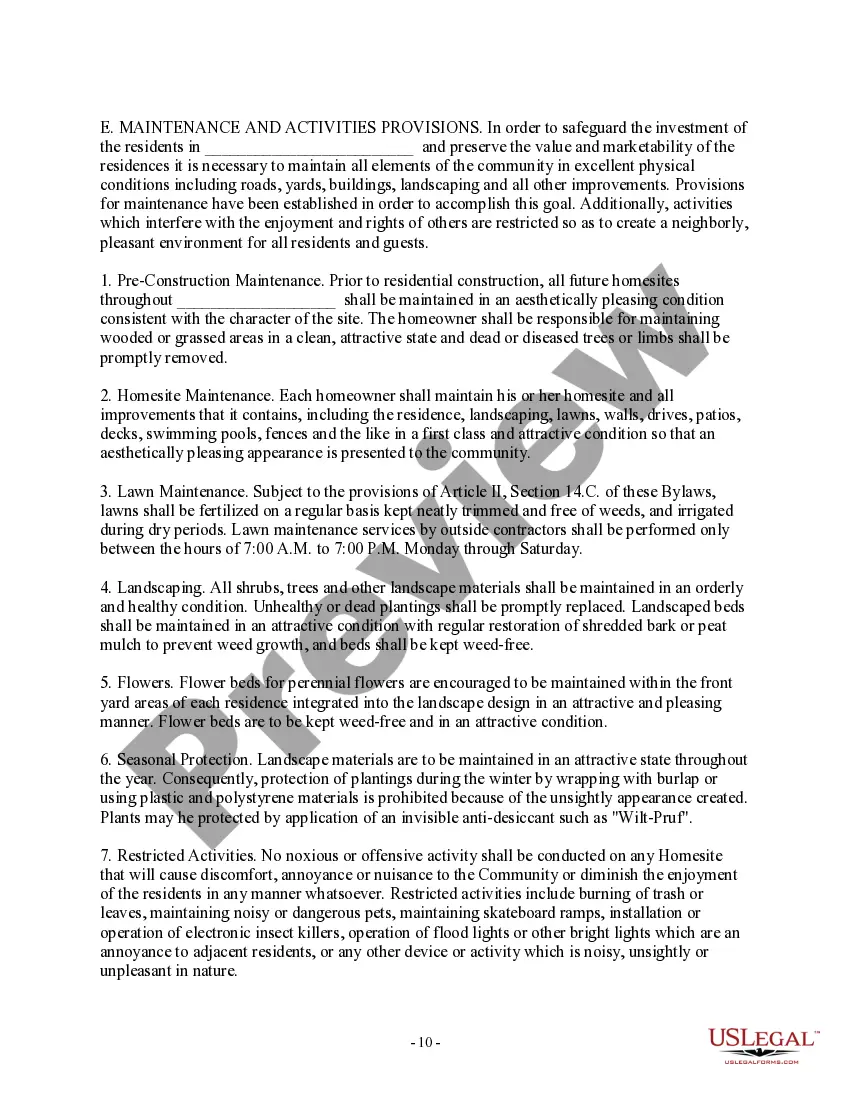


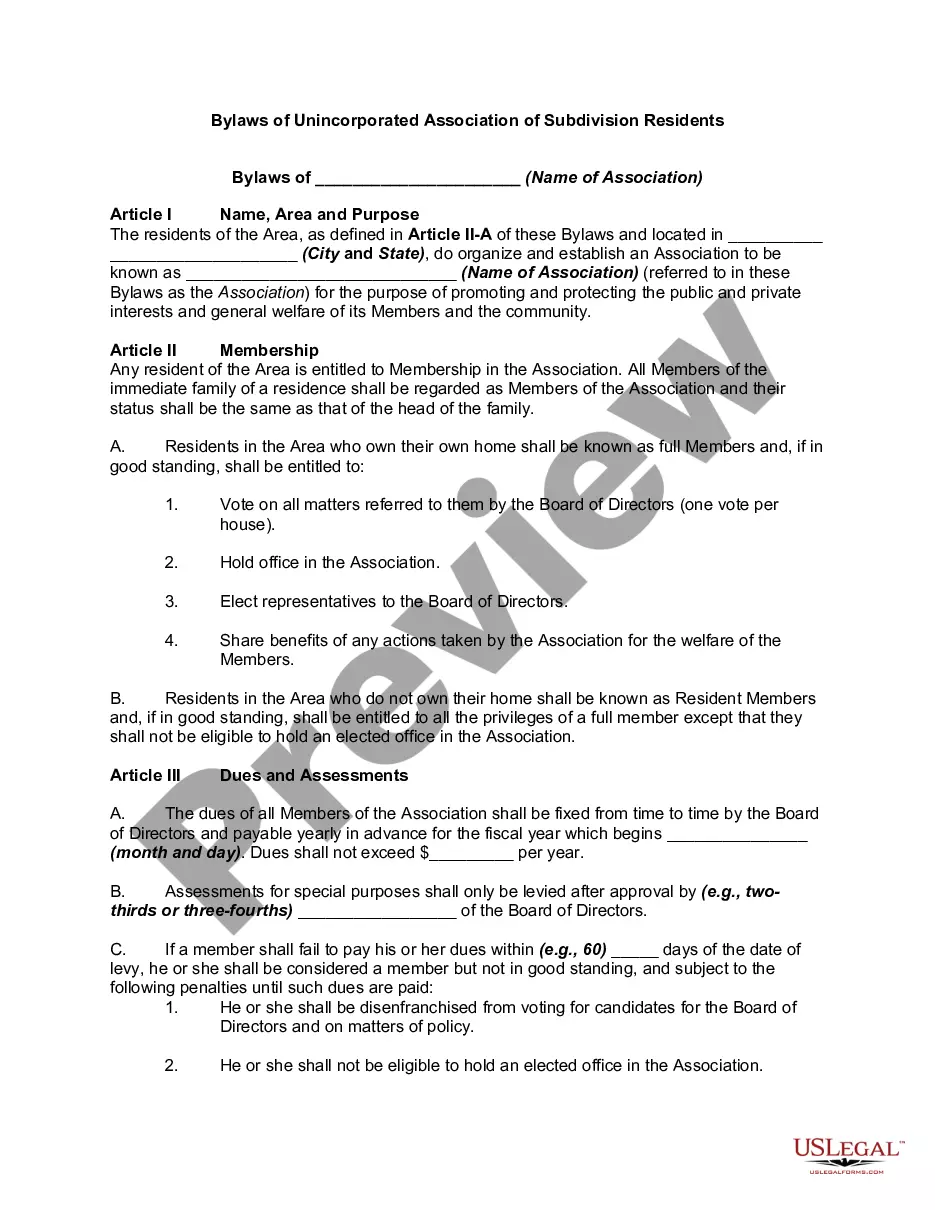
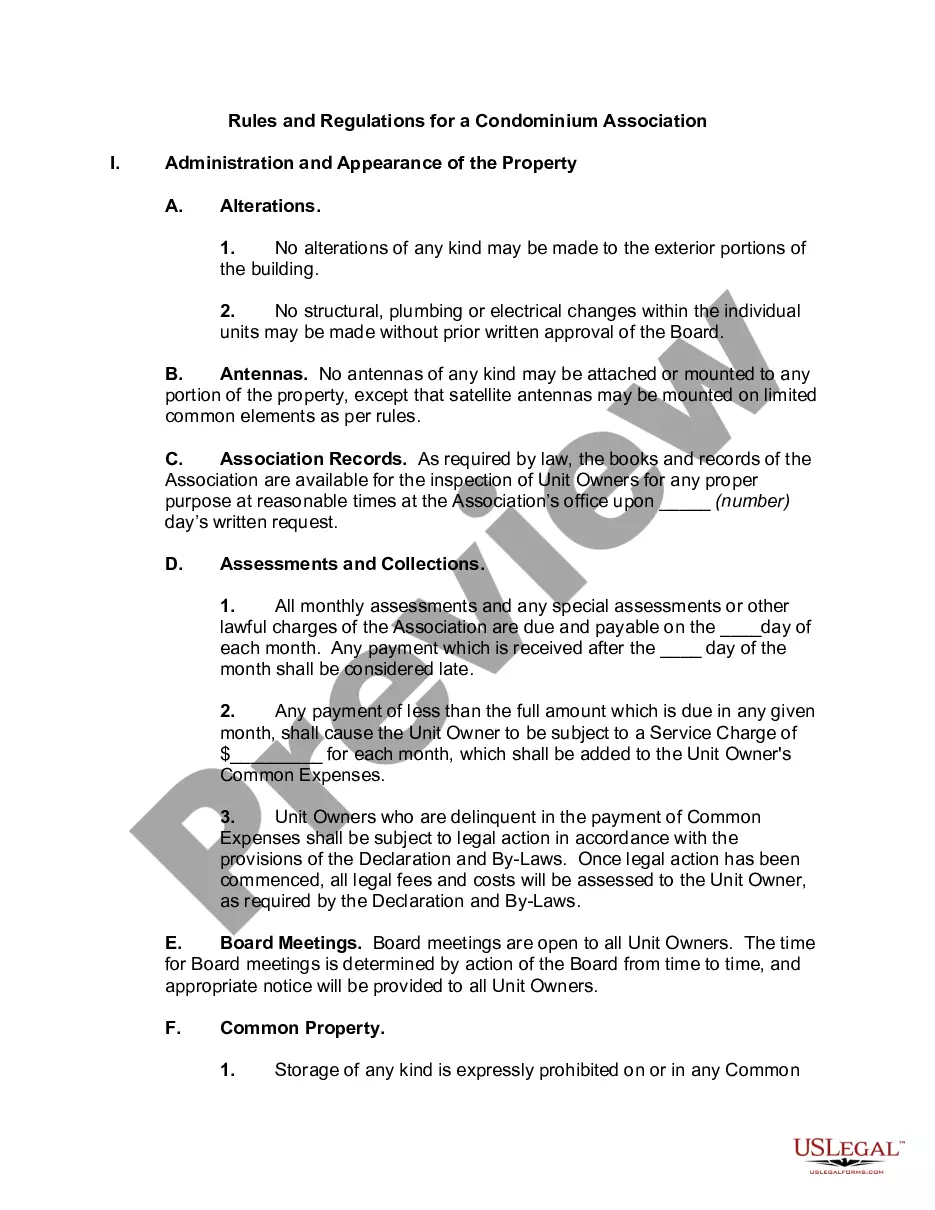
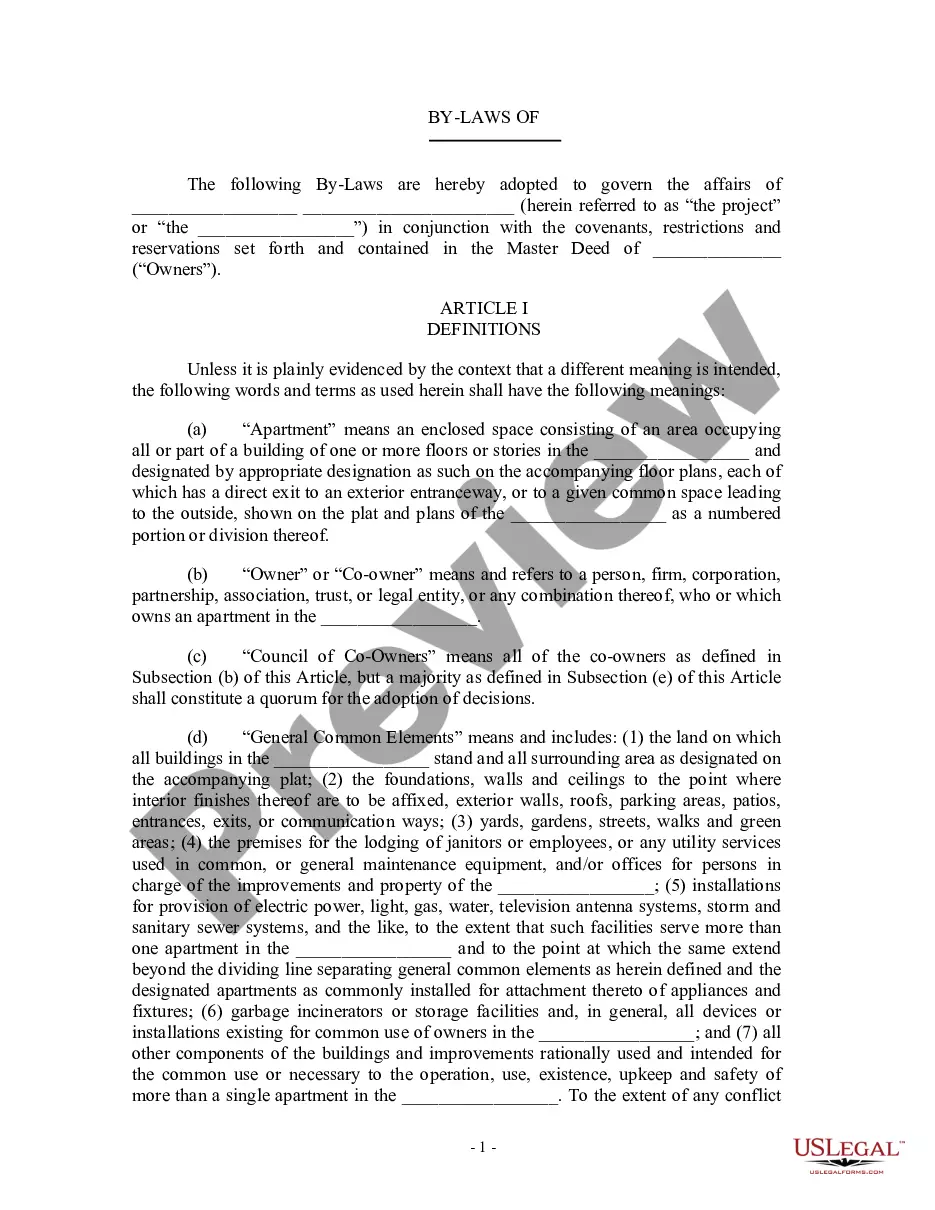
Get your form ready online
Our built-in tools help you complete, sign, share, and store your documents in one place.
Make edits, fill in missing information, and update formatting in US Legal Forms—just like you would in MS Word.
Download a copy, print it, send it by email, or mail it via USPS—whatever works best for your next step.
Sign and collect signatures with our SignNow integration. Send to multiple recipients, set reminders, and more. Go Premium to unlock E-Sign.
If this form requires notarization, complete it online through a secure video call—no need to meet a notary in person or wait for an appointment.
We protect your documents and personal data by following strict security and privacy standards.

Make edits, fill in missing information, and update formatting in US Legal Forms—just like you would in MS Word.

Download a copy, print it, send it by email, or mail it via USPS—whatever works best for your next step.

Sign and collect signatures with our SignNow integration. Send to multiple recipients, set reminders, and more. Go Premium to unlock E-Sign.

If this form requires notarization, complete it online through a secure video call—no need to meet a notary in person or wait for an appointment.

We protect your documents and personal data by following strict security and privacy standards.
Looking for another form?




Form popularity
FAQ
The Office of the New York State Attorney General (OAG) requires that the sponsor file an offering plan for the homeowners association, and that the sponsor maintain the commitments it made in the offering plan. The OAG's jurisdiction is limited to ownership and maintenance of HOA common property.
Homeowners' Associations in New York, or otherwise known as Common Interest Communities, are regulated by the Attorney General's office and must be set up as non-profit organizations. They are governed by NY Not-For-Profit Corporation Law, the Association's Articles of Declaration, and Bylaws.
The New York State Eviction Moratorium that allowed tenants to file a hardship declaration to stop their eviction expired on January 15, 2022. Landlords are now allowed to serve court papers and the courts will be resuming eviction proceedings even if you filed a hardship declaration.
To have a pleasant condo living experience, keep in mind these legal rights for condo owners. The Right to Access Condo Documents. The Right to Equality and Non-Discrimination. The Right to Notice and Meetings. The Right to Run and Vote During Elections. The Right to Protest.
The inium Act is the New York State law which governs the establishment of iniums.
Key Takeaways: HOAs Cannot Directly Evict Tenants – While HOAs enforce rules and maintain community standards, they cannot directly evict tenants. However, rule violations, unpaid fees, or legal actions initiated by the HOA can impact the property owner, potentially leading to eviction through the landlord.
Good Cause Eviction is a New York State law that went into effect on April 20, 2024. It gives some tenants of unregulated (also known as “market rate”) homes in New York City new protections.
New York Tenant Eviction Process Timeline Providing a Notice14-90 calendar days Serving the Complaint 10-17 business days Tenant Response 10 or fewer business days Court Process 10-20 business days Final Move-out Period 14 business days or fewer
In many cases, the fees cover some common utilities, such as water/sewer fees and garbage disposal. The association may also levy special assessments from time to time if its reserve funds are not sufficient to cover a major repair, such as a new elevator or new roof.
