Condominium Bylaws Condo For Hoa In Minnesota
Description

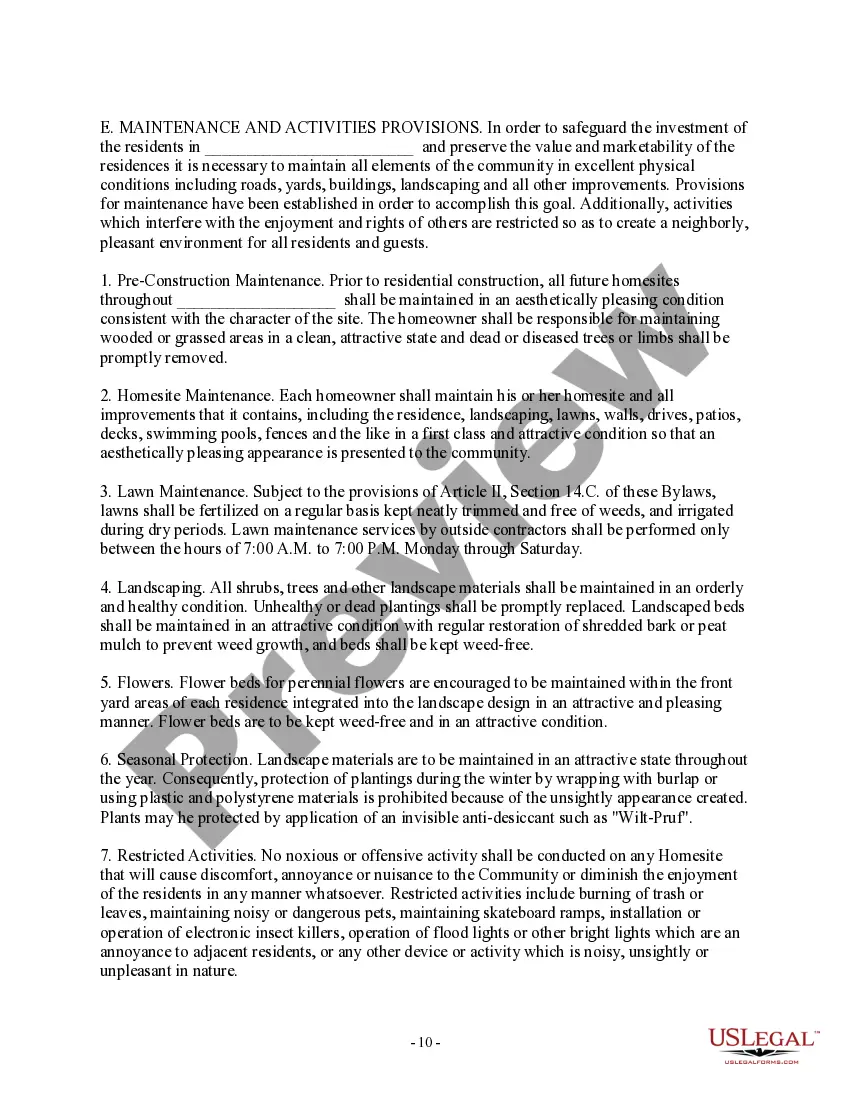


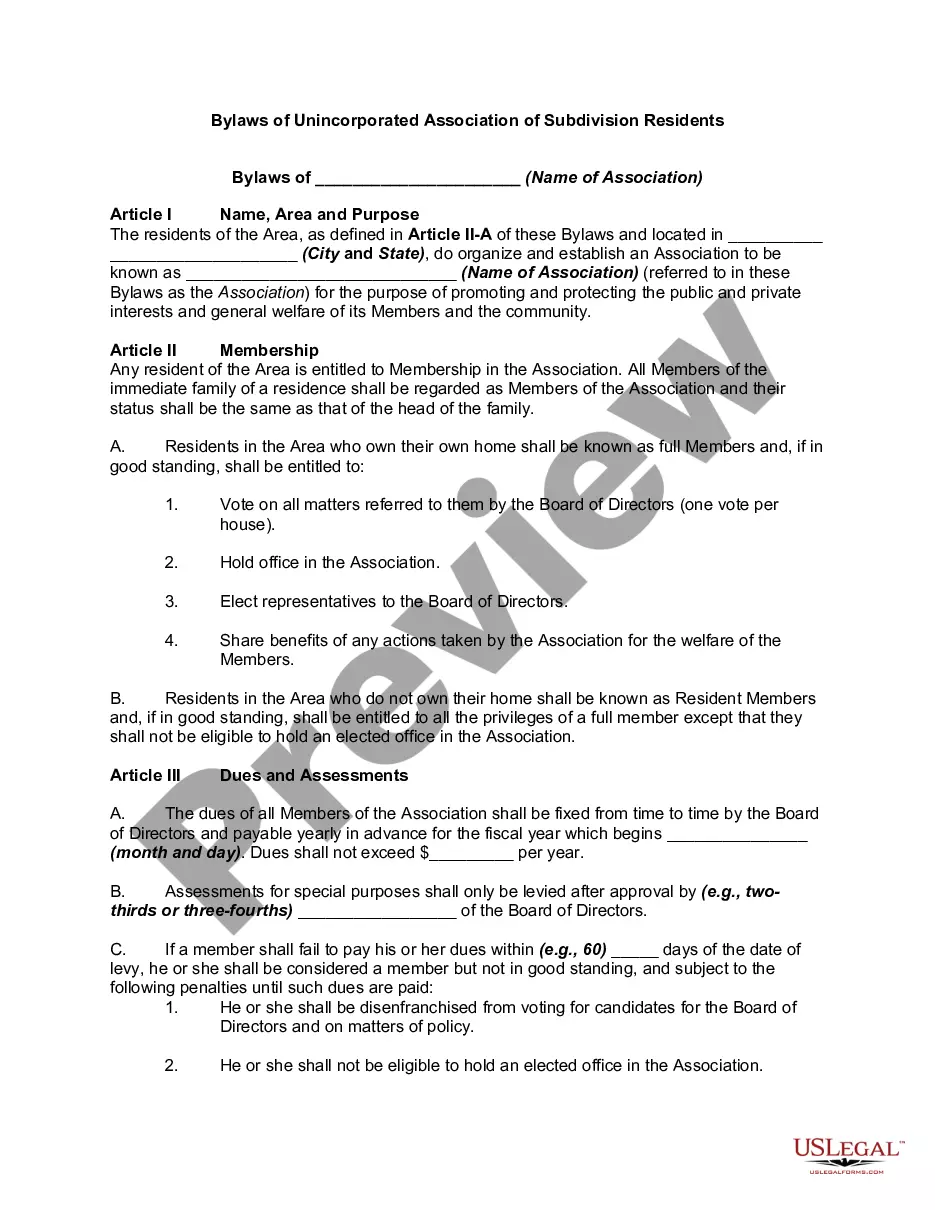
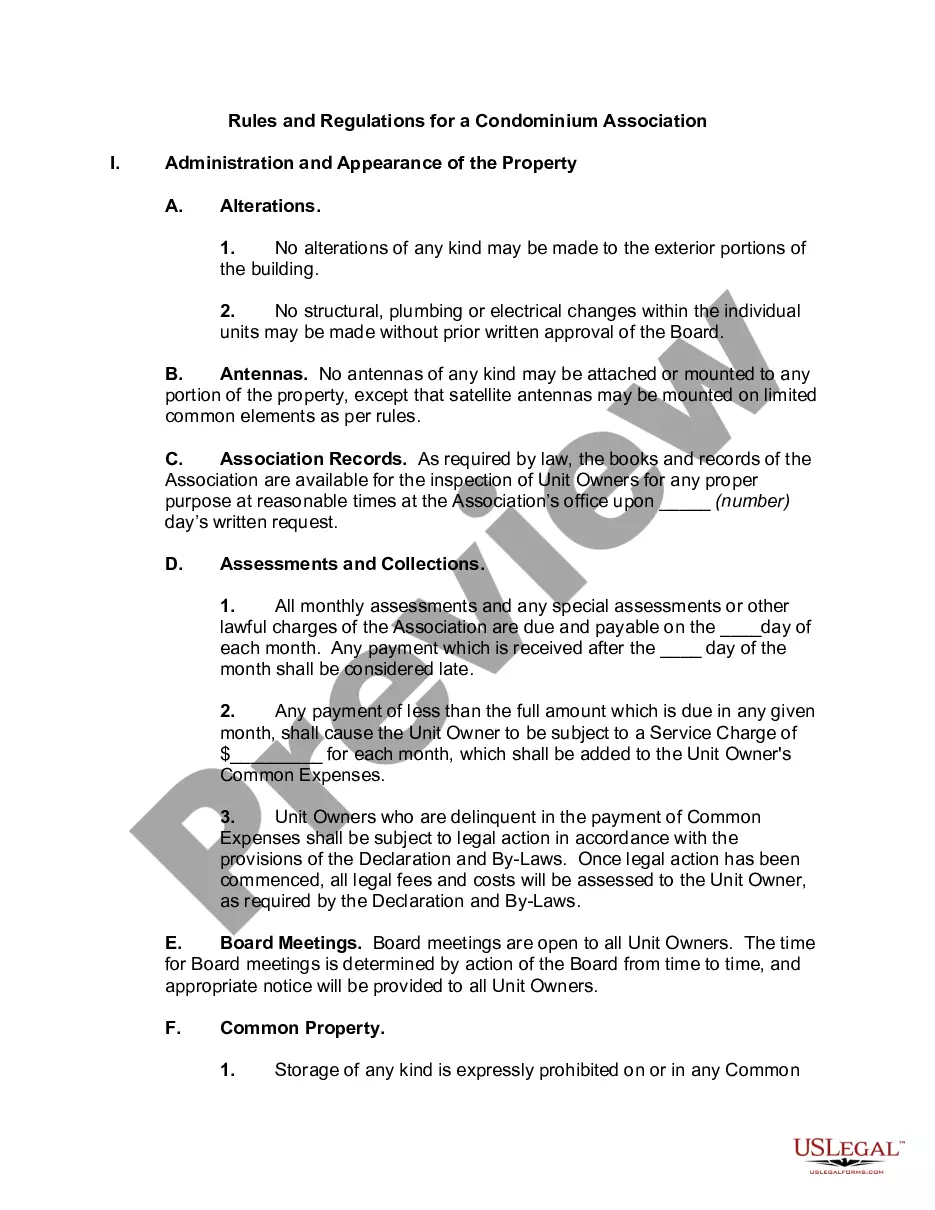
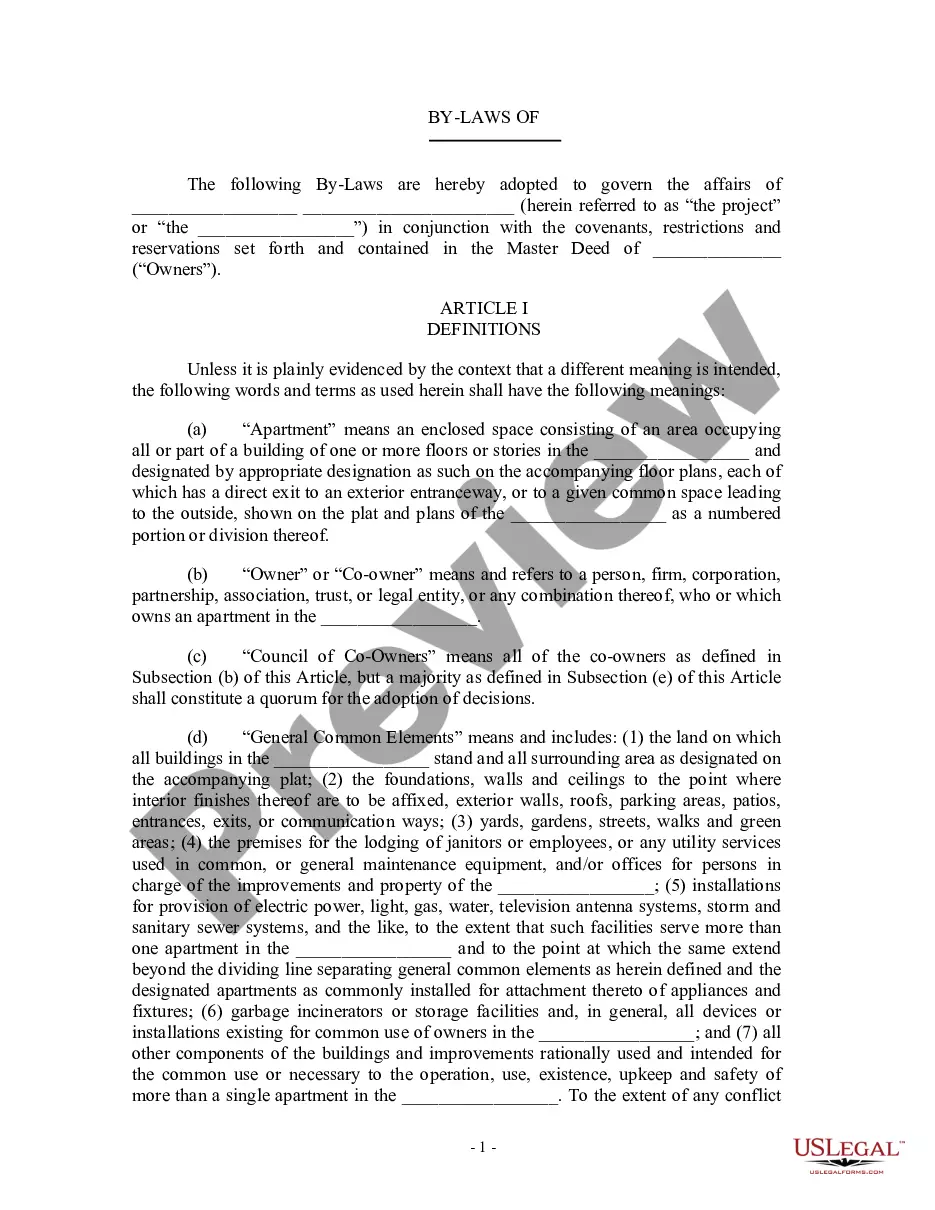
Get your form ready online
Our built-in tools help you complete, sign, share, and store your documents in one place.
Make edits, fill in missing information, and update formatting in US Legal Forms—just like you would in MS Word.
Download a copy, print it, send it by email, or mail it via USPS—whatever works best for your next step.
Sign and collect signatures with our SignNow integration. Send to multiple recipients, set reminders, and more. Go Premium to unlock E-Sign.
If this form requires notarization, complete it online through a secure video call—no need to meet a notary in person or wait for an appointment.
We protect your documents and personal data by following strict security and privacy standards.

Make edits, fill in missing information, and update formatting in US Legal Forms—just like you would in MS Word.

Download a copy, print it, send it by email, or mail it via USPS—whatever works best for your next step.

Sign and collect signatures with our SignNow integration. Send to multiple recipients, set reminders, and more. Go Premium to unlock E-Sign.

If this form requires notarization, complete it online through a secure video call—no need to meet a notary in person or wait for an appointment.

We protect your documents and personal data by following strict security and privacy standards.
Looking for another form?








Form popularity
FAQ
Generally, it is the laws that were in effect at the time the HOA documents were recorded. Your HOA documents are contracts between the HOA and its members so new laws cannot, generally, be applied retroactively to override them.
In summary, there is no case where HOA rules override state law. Considering the hierarchy, federal, state, and local laws always take precedence over an association's rules. Board members should have a solid grasp of these laws. In doing so, they can protect the HOA and mitigate the risk of liability.
Once you buy a home that's part of an HOA, you automatically become a member of the HOA. HOA rules are legally binding, and you must adhere to all rules and regulations in the governing document. Yes, there are bylaws that you may not like, but there are no HOA loopholes.
Finally, is an HOA considered a local government? No—HOAs are not considered a local government entity. While they do hold some administrative functions for a community, such as collecting assessments and enforcing rules, they do not possess the authority granted to real government bodies.
6 Steps to Amend HOA Bylaws and Covenants Amendment Proposal. The first step consists of a proposal describing the changes to the bylaw or covenant. Discussion Meeting. The board will then discuss the proposed amendment at a board meeting. Give it a Vote. Count the Votes. Amendment Approval. Recording and Effectivity.
Federal Law Supersedes State Law. While a municipality can write local laws they can be stricter than the State law (as long as they do not run counter to the State or U.S. Constitution) But cannot contradict state law.
Minnesota Nonprofit Corporation Act This legislation oversees nonprofit corporations and sets rules and guidelines on their organizational makeup and procedures. The Minnesota Nonprofit Corporation Act governs the majority of Minnesota HOAs, as most choose to be incorporated as nonprofit corporations.
Homeowners' associations shall complement, support and strengthen LGUs in providing vital services to their members and help implement local government policies, programs, ordinances, and rules.
To initiate the process of dissolving your HOA in Minnesota, follow these steps: Gather all evidence of the HOA's failures, broken promises, and abuses of power, including unpaid dues and promised amenities not delivered. Consult an attorney to review your case and guide you through the process.
