Rules For Condo Owners In Maryland
Description

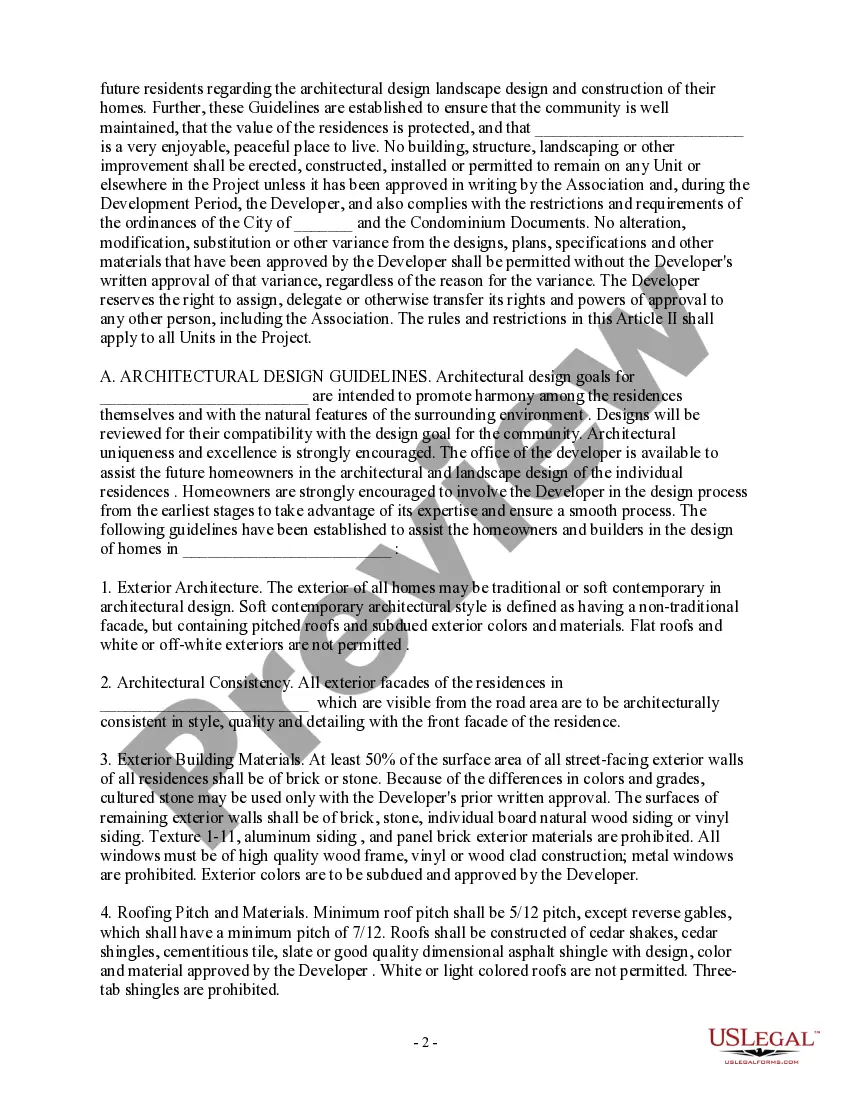
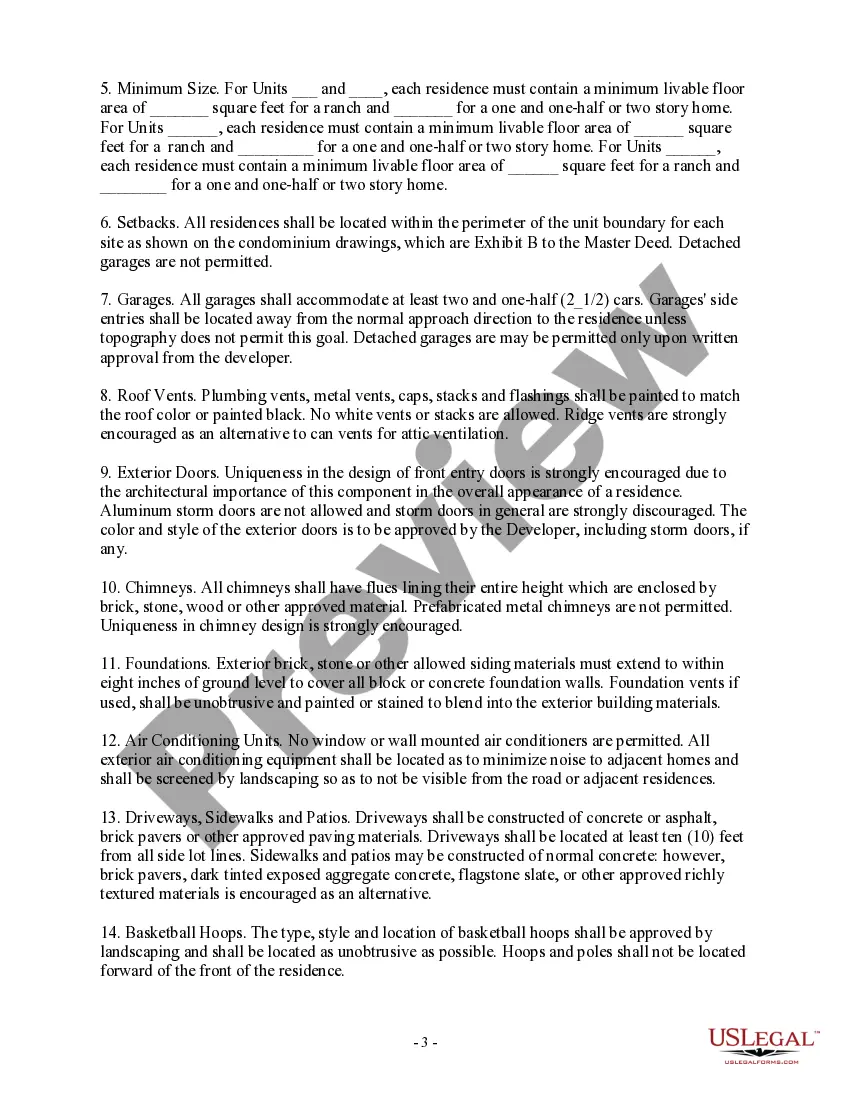
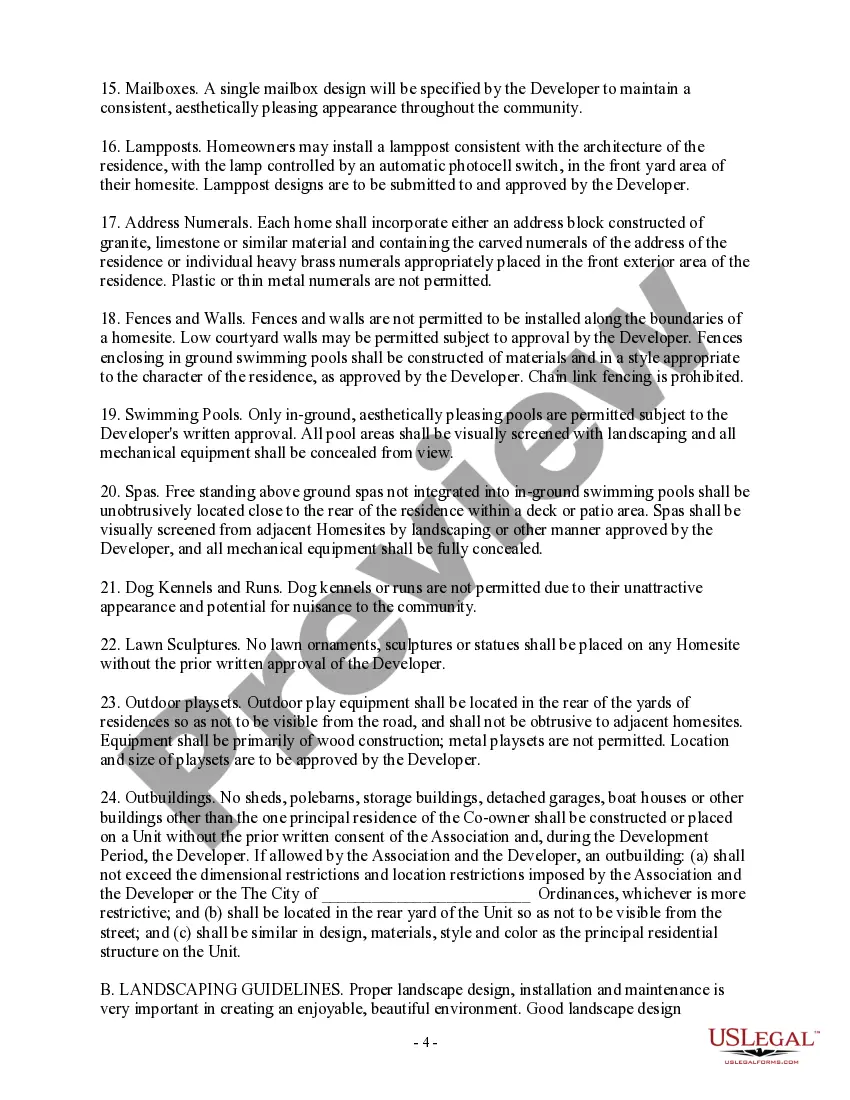
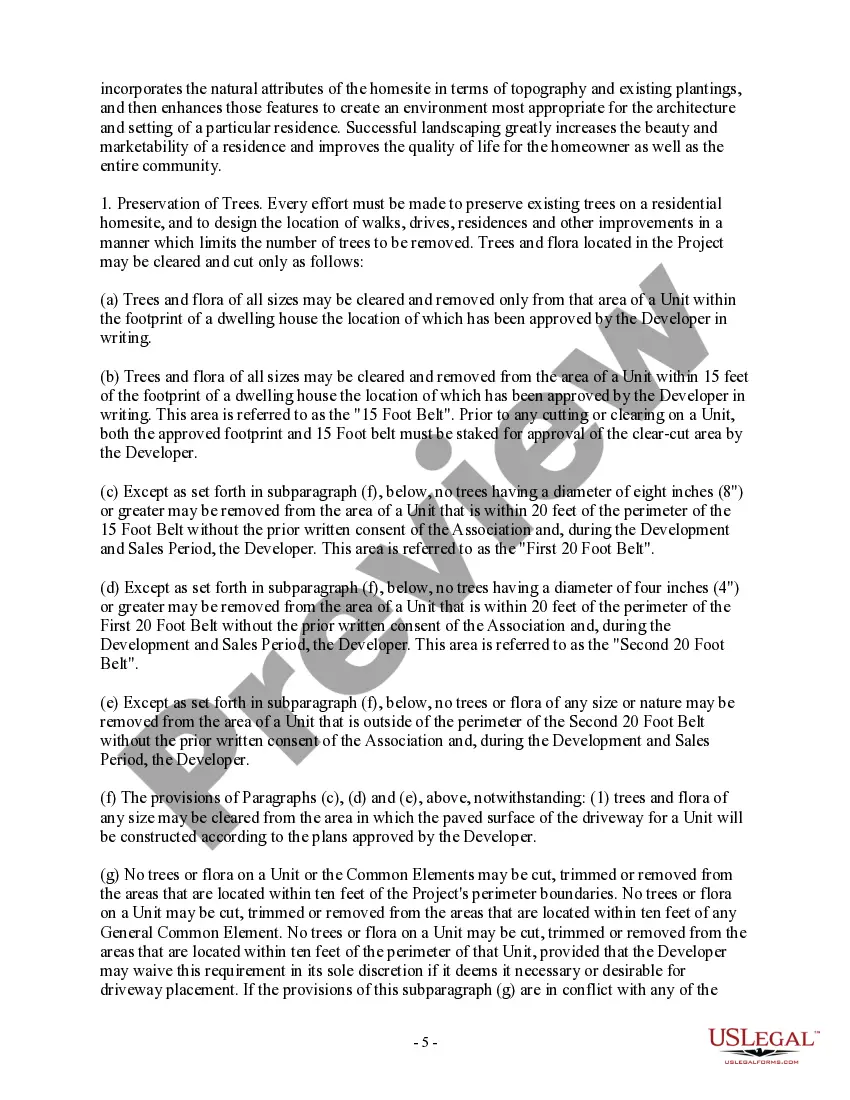
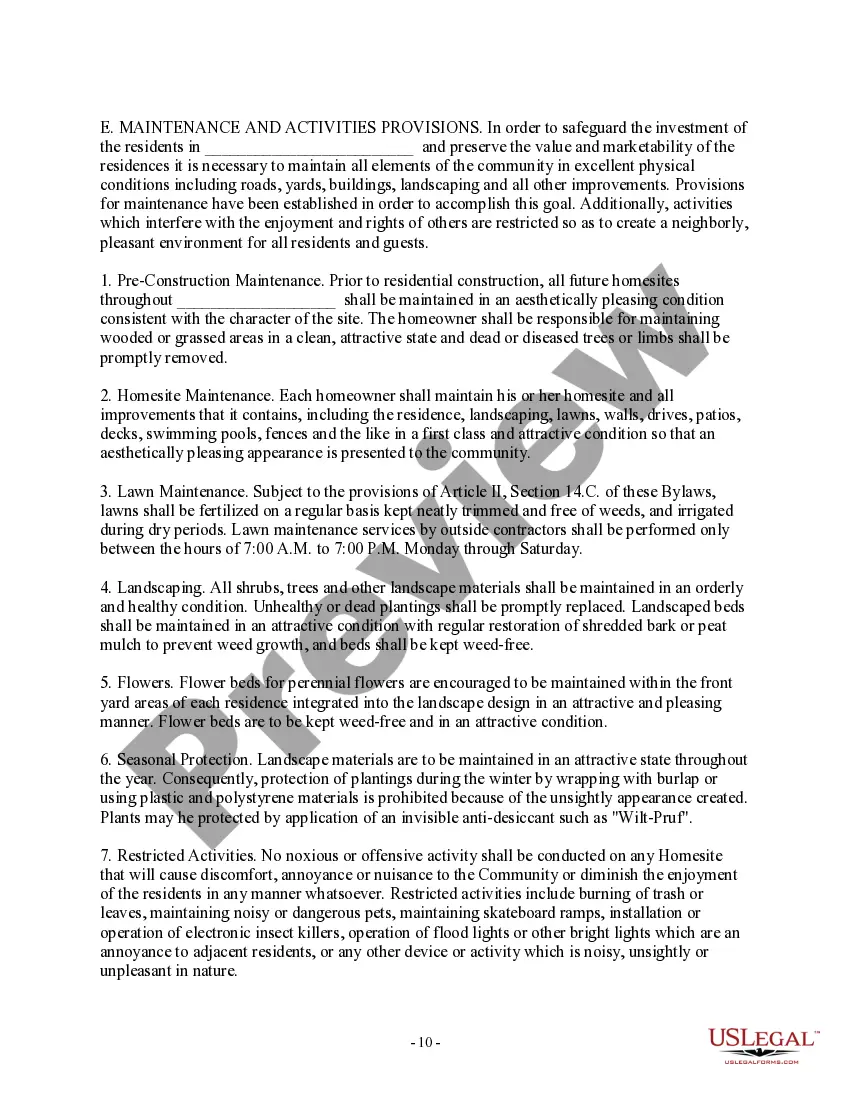


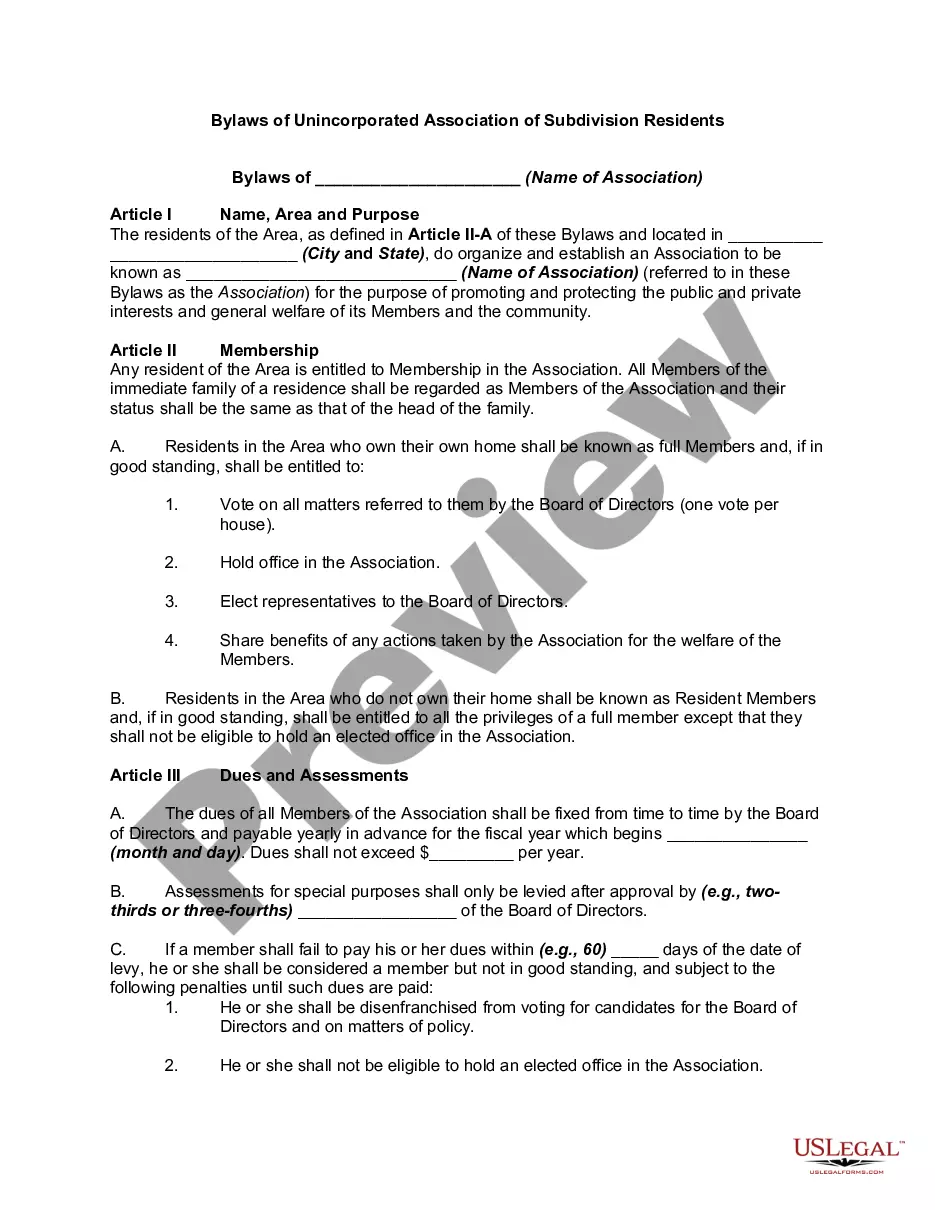
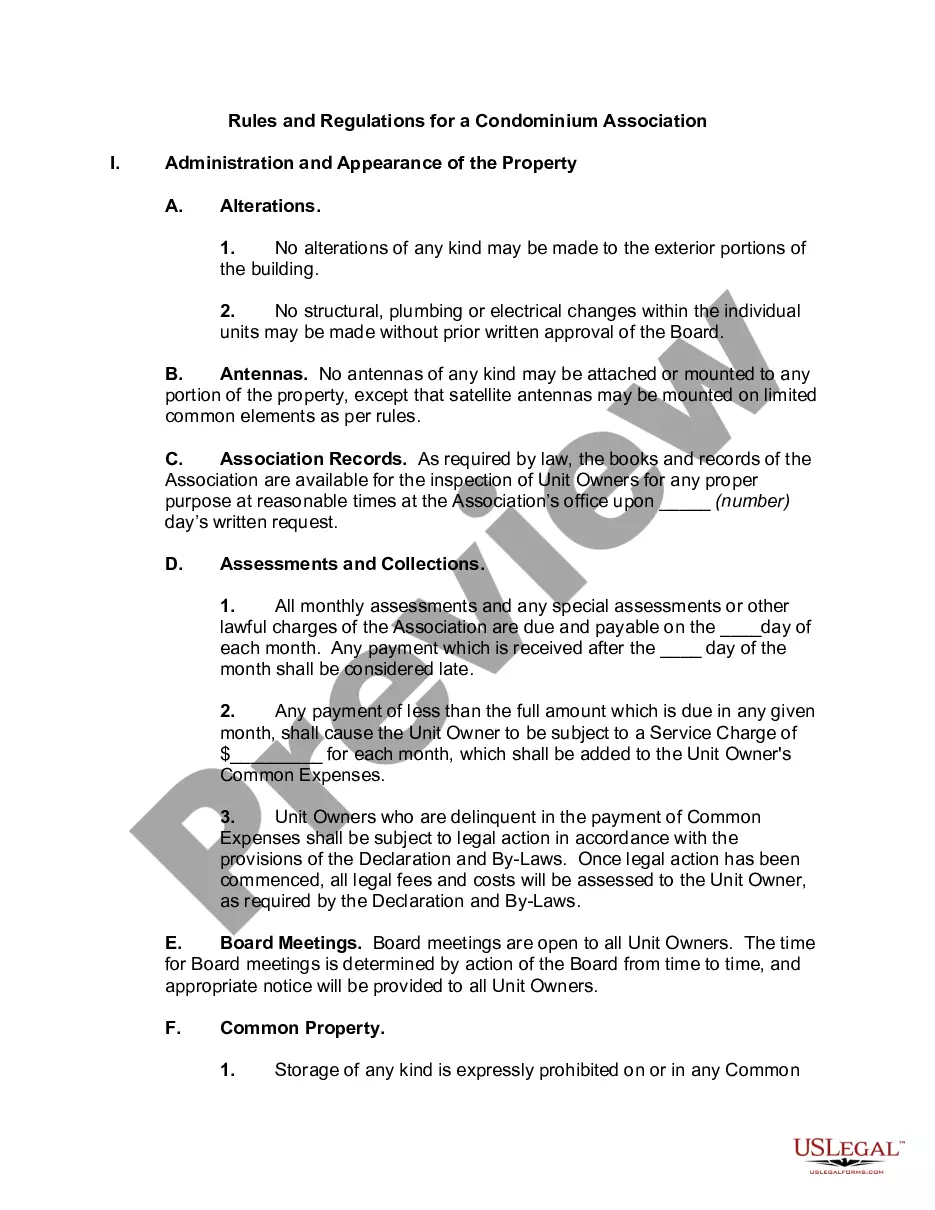
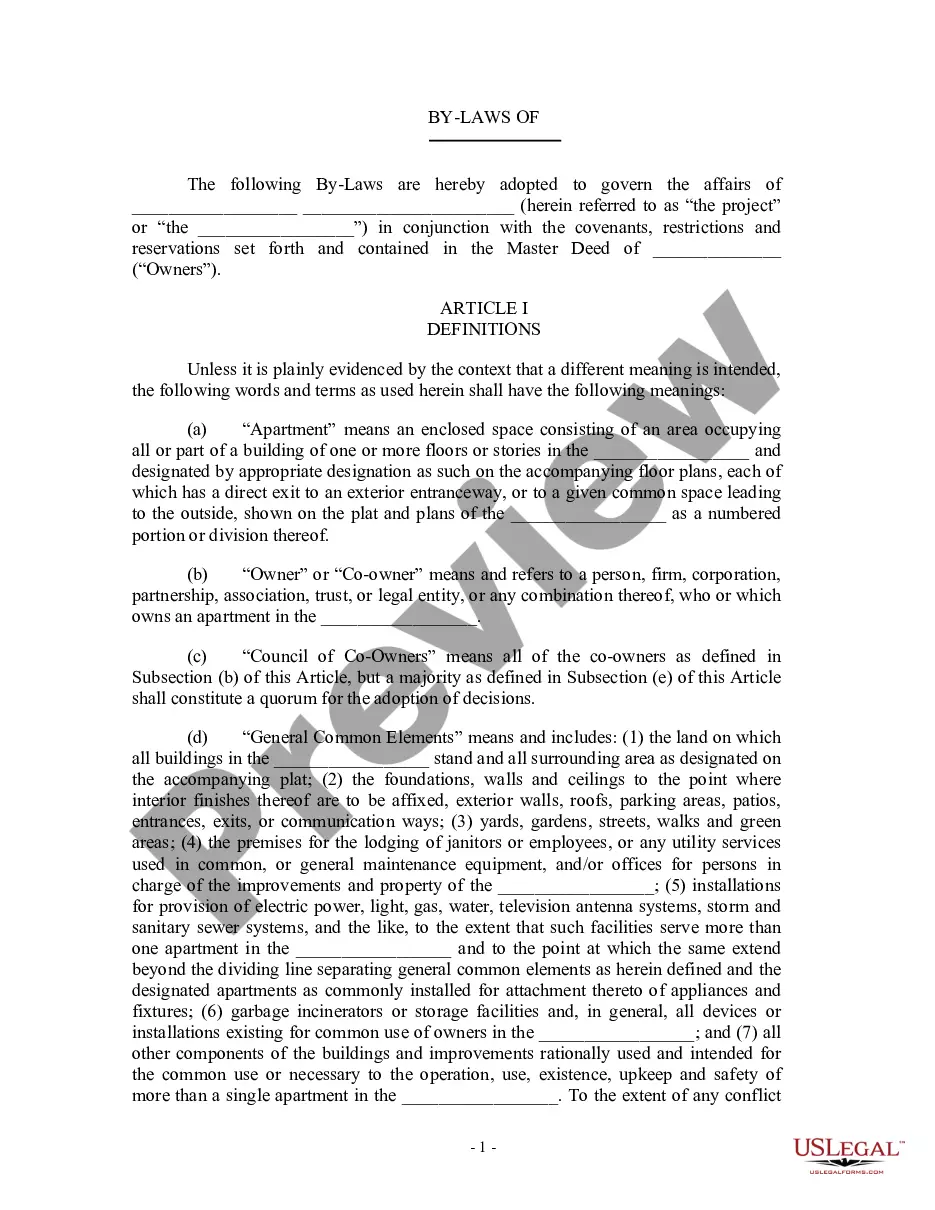
Get your form ready online
Our built-in tools help you complete, sign, share, and store your documents in one place.
Make edits, fill in missing information, and update formatting in US Legal Forms—just like you would in MS Word.
Download a copy, print it, send it by email, or mail it via USPS—whatever works best for your next step.
Sign and collect signatures with our SignNow integration. Send to multiple recipients, set reminders, and more. Go Premium to unlock E-Sign.
If this form requires notarization, complete it online through a secure video call—no need to meet a notary in person or wait for an appointment.
We protect your documents and personal data by following strict security and privacy standards.

Make edits, fill in missing information, and update formatting in US Legal Forms—just like you would in MS Word.

Download a copy, print it, send it by email, or mail it via USPS—whatever works best for your next step.

Sign and collect signatures with our SignNow integration. Send to multiple recipients, set reminders, and more. Go Premium to unlock E-Sign.

If this form requires notarization, complete it online through a secure video call—no need to meet a notary in person or wait for an appointment.

We protect your documents and personal data by following strict security and privacy standards.
Looking for another form?









Form popularity
FAQ
While homeowners' associations in Maryland are governed by the federal FDCPA, the state also has an additional legislature that regulates the collection of debt at the state level.
If the cause of any damage to or destruction of any portion of the inium originates from a unit, the owner of the unit where the cause of the damage or destruction originated is responsible for the council of unit owners' property insurance deductible not to exceed $10,000.
§11–109.4. (4) States the estimated annual reserve amount necessary to accomplish any identified future repair or replacement. (b) This section applies only to a residential inium. (iii) Any county other than Prince George's County or Montgomery County on or after October 1, 2022.
The new law, which took effect on October 1, 2024, now provides that the exception for detached units only applies to detached units “located within a inium composed entirely of similar detached units.” The new law also requires that the Council must “give annual notice, in writing, of any obligation of an owner ...
Section 11-111 - Rules and regulations (a) (1) The council of unit owners or the body delegated in the bylaws of a inium to carry out the responsibilities of the council of unit owners may adopt rules for the inium if: (i) Each unit owner is mailed or delivered: 1. A copy of the proposed rule; 2.
If the cause of any damage to or destruction of any portion of the inium originates from a unit, the owner of the unit where the cause of the damage or destruction originated is responsible for the council of unit owners' property insurance deductible not to exceed $10,000.
(b) On the request of the unit owners of at least 5 percent of the units, the council of unit owners shall cause an audit of the books and records to be made by an independent certified public accountant, provided an audit shall be made not more than once in any consecutive 12-month period.
Section 11-111 - Rules and regulations (a) (1) The council of unit owners or the body delegated in the bylaws of a inium to carry out the responsibilities of the council of unit owners may adopt rules for the inium if: (i) Each unit owner is mailed or delivered: 1. A copy of the proposed rule; 2.
COUNCIL OF UNIT OWNERS MAY AMEND THE BYLAWS BY THE AFFIRMATIVE VOTE OF UNIT OWNERS IN GOOD STANDING HAVING AT LEAST 55% 60% OF THE VOTES IN THE COUNCIL, OR BY A LOWER PERCENTAGE IF REQUIRED IN THE BYLAWS.