Condominium Act Form 4 In Maryland
Description













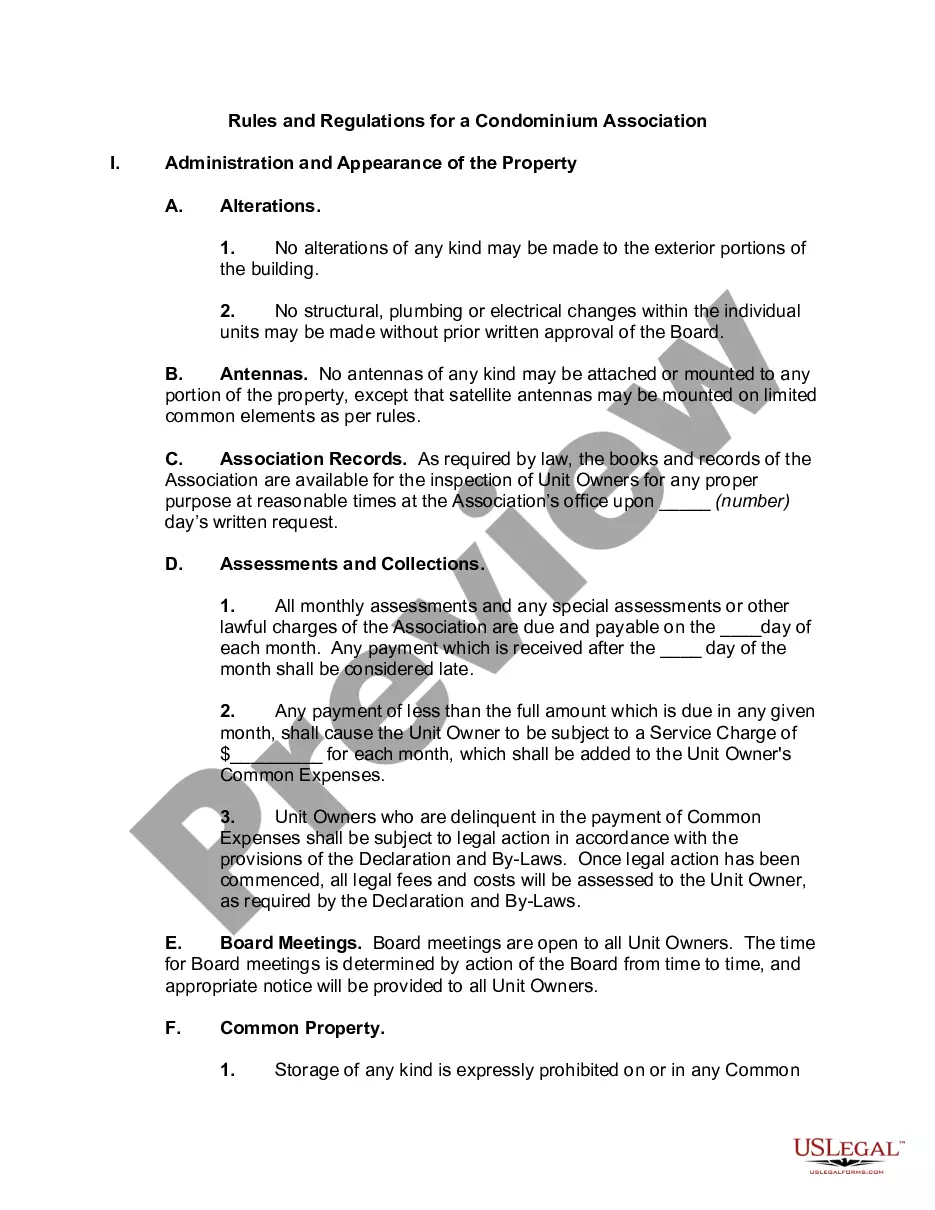

Get your form ready online
Our built-in tools help you complete, sign, share, and store your documents in one place.
Make edits, fill in missing information, and update formatting in US Legal Forms—just like you would in MS Word.
Download a copy, print it, send it by email, or mail it via USPS—whatever works best for your next step.
Sign and collect signatures with our SignNow integration. Send to multiple recipients, set reminders, and more. Go Premium to unlock E-Sign.
If this form requires notarization, complete it online through a secure video call—no need to meet a notary in person or wait for an appointment.
We protect your documents and personal data by following strict security and privacy standards.

Make edits, fill in missing information, and update formatting in US Legal Forms—just like you would in MS Word.

Download a copy, print it, send it by email, or mail it via USPS—whatever works best for your next step.

Sign and collect signatures with our SignNow integration. Send to multiple recipients, set reminders, and more. Go Premium to unlock E-Sign.

If this form requires notarization, complete it online through a secure video call—no need to meet a notary in person or wait for an appointment.

We protect your documents and personal data by following strict security and privacy standards.
Looking for another form?

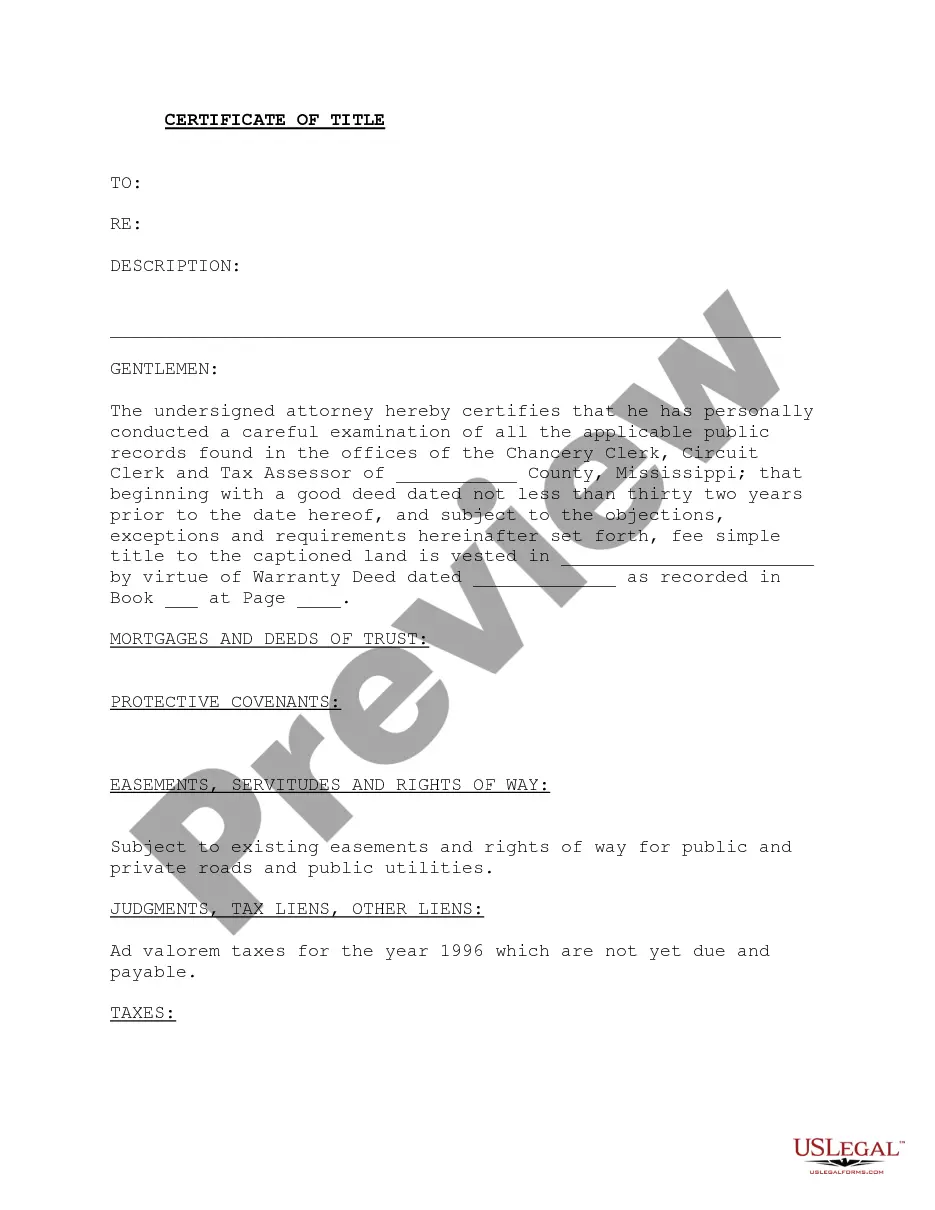

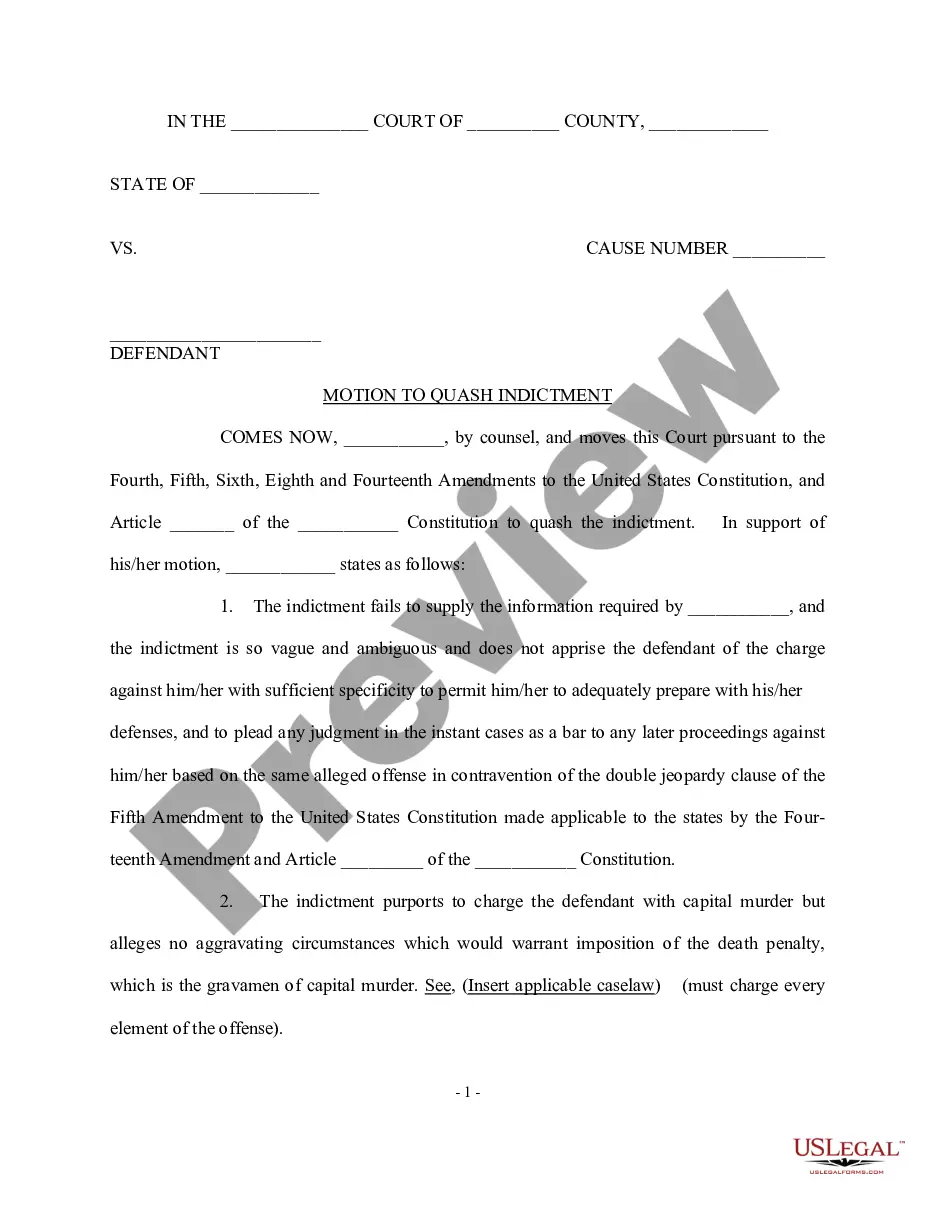
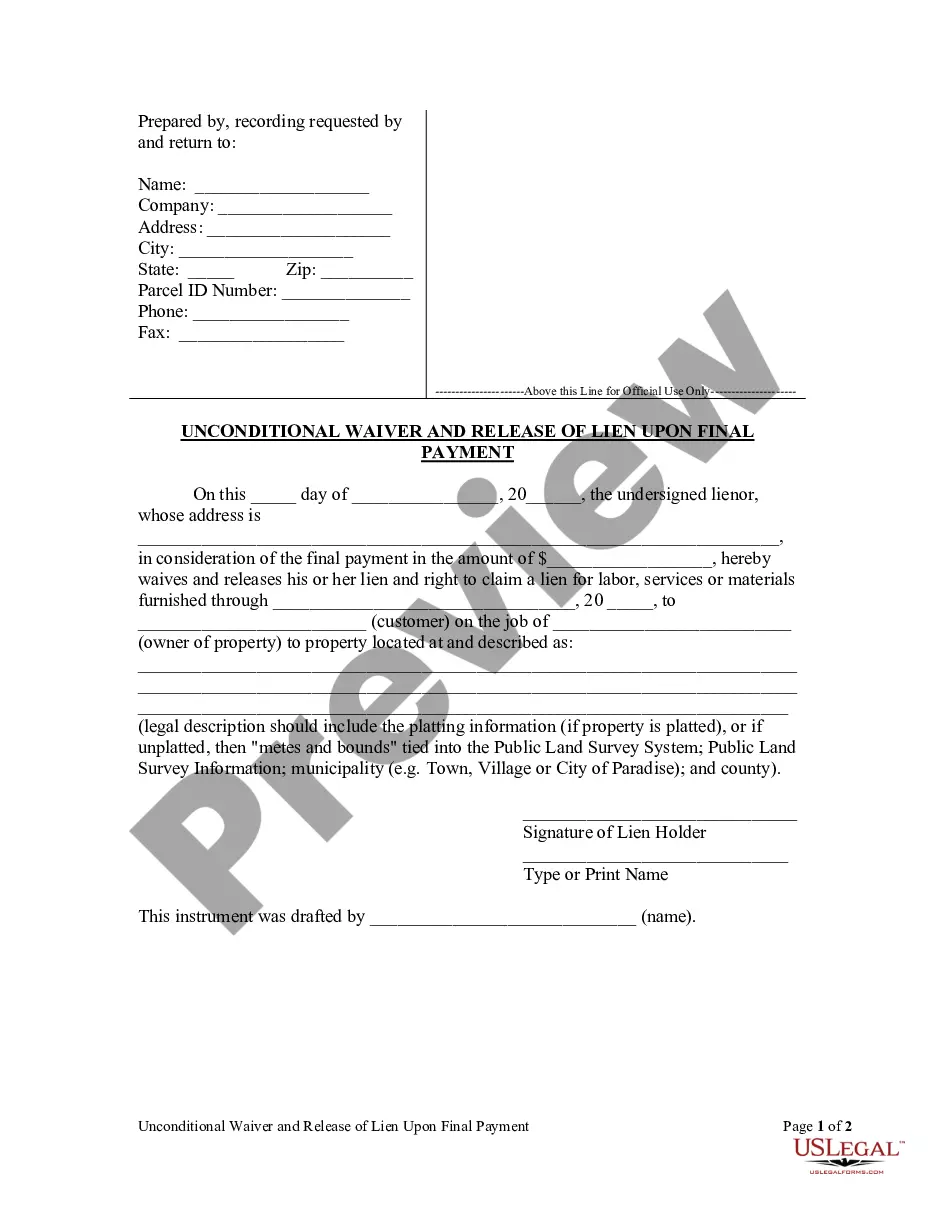



Form popularity
FAQ
(c) (1) Except as provided in paragraph (2) of this subsection, all books and records, including insurance policies, kept by the council of unit owners shall be maintained in Maryland or within 50 miles of its borders and shall be available at some place designated by the council of unit owners within the county where ...
Maryland law requires HOAs to provide homeowners with a resale package when property changes hands, which includes key documents, such as the declaration, bylaws, rules and regulations, and a statement of outstanding fees or fines.
Under the Maryland Marital Property Act, the court can consider both the monetary and non-monetary contributions of each spouse to the marriage. Non-monetary contributions can include childcare, meal preparation, maintaining the home, etc.
The Maryland inium Act, established under MD Code, Real Property §§ 11-101 to 11-143, is the legal foundation for iniums in the state. This Act governs inium associations' formation, management, and operation, guaranteeing compliance with established rules.
The Four Pillars of Condo Documents. The Declaration of Covenants, Conditions, and Restrictions (CC&Rs), Bylaws, Articles of Incorporation, and Rules are the pillars of condo documents.
§11–109.4. (4) States the estimated annual reserve amount necessary to accomplish any identified future repair or replacement. (b) This section applies only to a residential inium.
The Maryland inium Act, established under MD Code, Real Property §§ 11-101 to 11-143, is the legal foundation for iniums in the state. This Act governs inium associations' formation, management, and operation, guaranteeing compliance with established rules.
While homeowners' associations in Maryland are governed by the federal FDCPA, the state also has an additional legislature that regulates the collection of debt at the state level.
If the cause of any damage to or destruction of any portion of the inium originates from a unit, the owner of the unit where the cause of the damage or destruction originated is responsible for the council of unit owners' property insurance deductible not to exceed $10,000.
A proper HOA request letter should include: Clear headers with date and contact information. The property address and owner details. A specific subject line identifying the request type. A concise project description. Relevant timeline and completion dates. Supporting documentation references.
