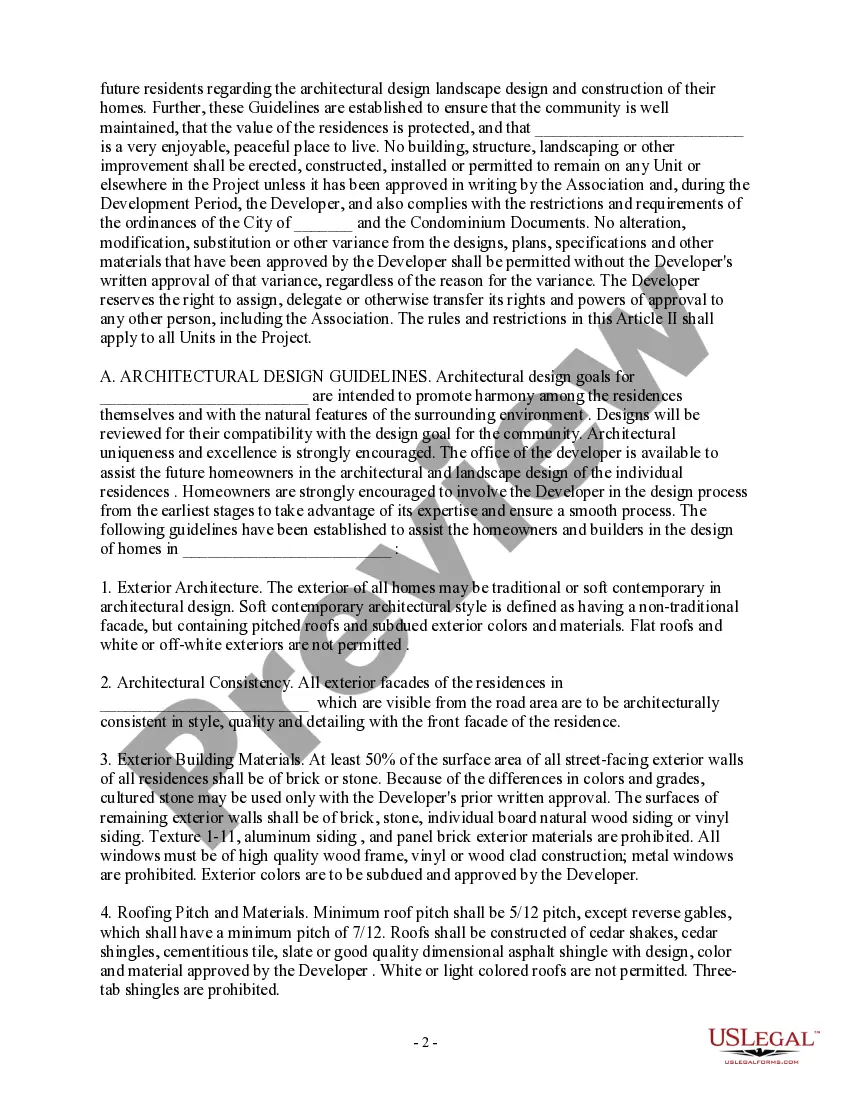
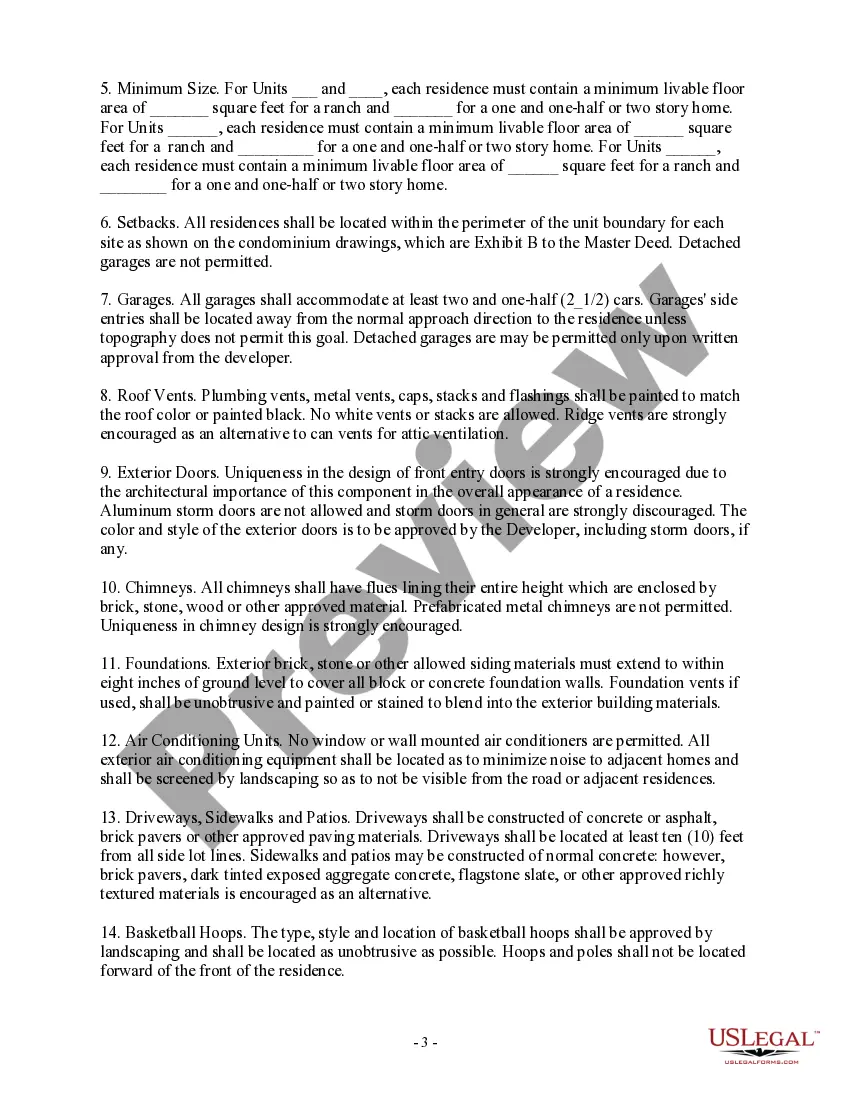
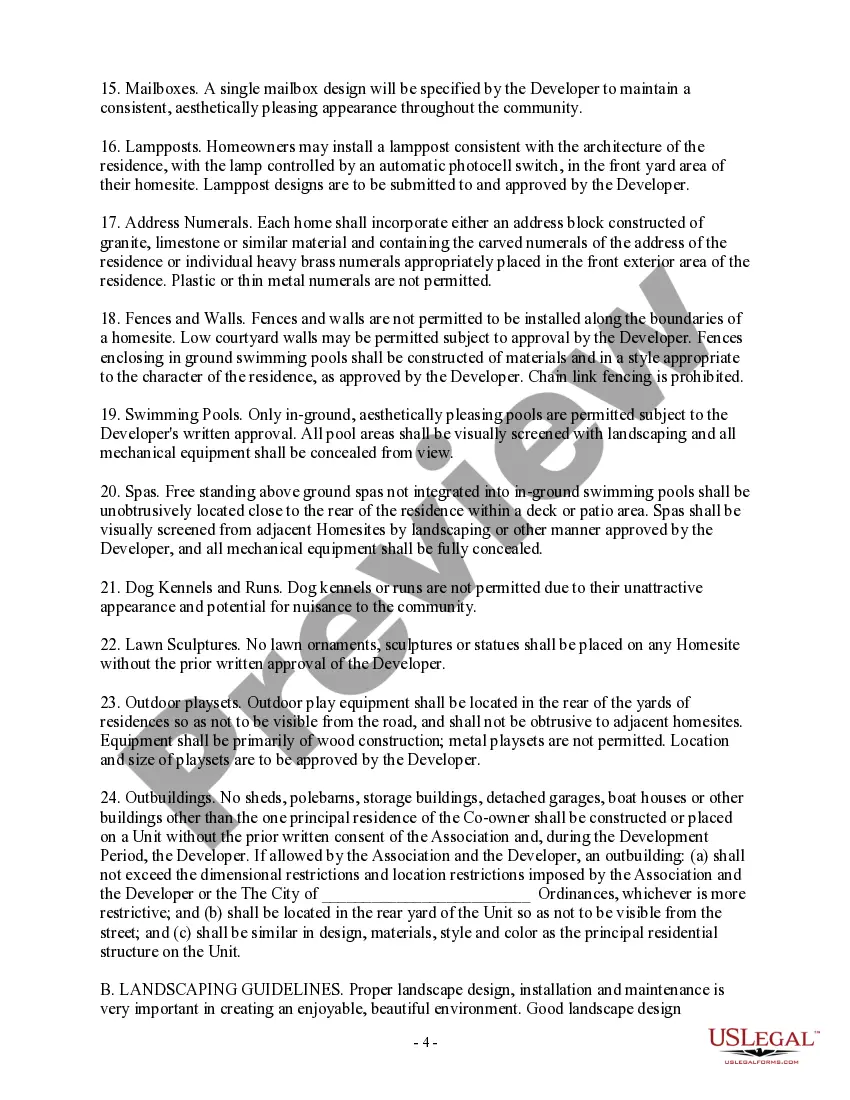
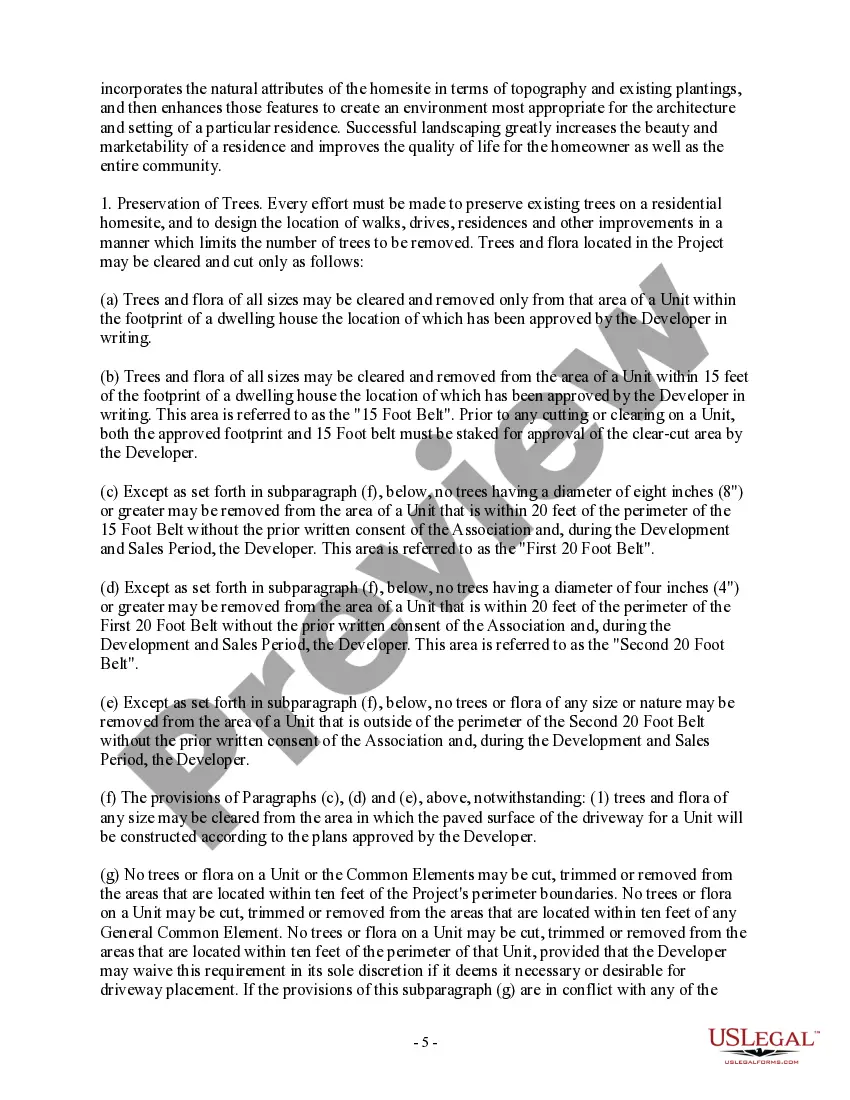
Condominium Act Form 5 In Maricopa
Description




Get your form ready online
Our built-in tools help you complete, sign, share, and store your documents in one place.
Make edits, fill in missing information, and update formatting in US Legal Forms—just like you would in MS Word.
Download a copy, print it, send it by email, or mail it via USPS—whatever works best for your next step.
Sign and collect signatures with our SignNow integration. Send to multiple recipients, set reminders, and more. Go Premium to unlock E-Sign.
If this form requires notarization, complete it online through a secure video call—no need to meet a notary in person or wait for an appointment.
We protect your documents and personal data by following strict security and privacy standards.

Make edits, fill in missing information, and update formatting in US Legal Forms—just like you would in MS Word.

Download a copy, print it, send it by email, or mail it via USPS—whatever works best for your next step.

Sign and collect signatures with our SignNow integration. Send to multiple recipients, set reminders, and more. Go Premium to unlock E-Sign.

If this form requires notarization, complete it online through a secure video call—no need to meet a notary in person or wait for an appointment.

We protect your documents and personal data by following strict security and privacy standards.
Looking for another form?




Form popularity
FAQ
A: No, a small estate affidavit can only be used if the person died without a valid will. Q: Is an attorney required to complete a small estate affidavit? A: No, an attorney is not required. However, Isaac Shutt recommends that people seek help from a probate attorney, particularly if you are unsure about the process.
PUBLIC SERVICE ANNOUNCEMENT "If you have owned a home in Maricopa County between 2015 - 2021 tax years, the treasurer's office is mailing settlement checks for the tax lawsuit, one for each year you owned the home in that range.
Arizona allows a $4,748 Assessed Value property exemption to Arizona resident property owners qualifying as a widow/widower, or a person with total and permanent disability, or a veteran with a service or non-service connected disability.
In the 2016 lawsuit, Qasimyar v. Maricopa County, a tax court ruled in favor of property owners who sued the county, alleging they were improperly and erroneously assessed when their properties went from a primary resident to a rental or secondary home, or vice versa.
In Qasimyar v. Maricopa County, the legal issue was whether a change in classification between Class 3 (owner-occupied residential home) and Class 4 (rental home, non-primary residence, or a non-primary residence leased to lodgers) is a “change in use.”
