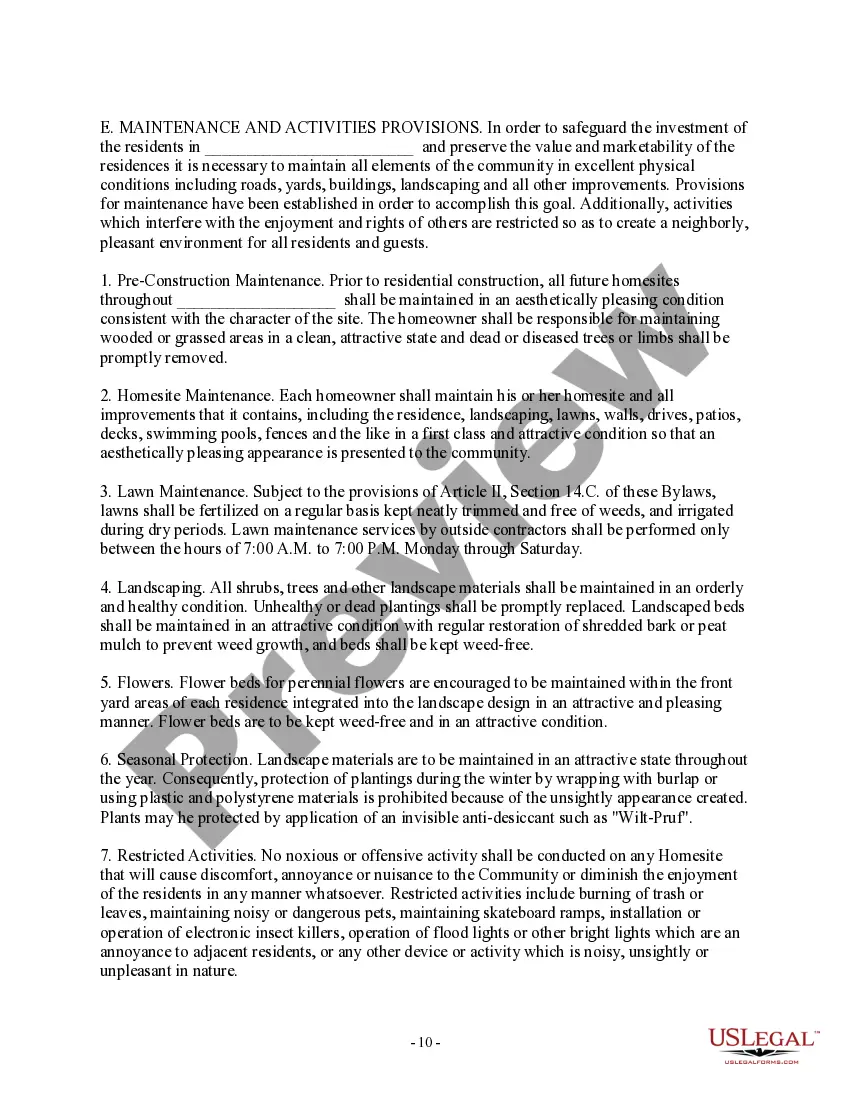
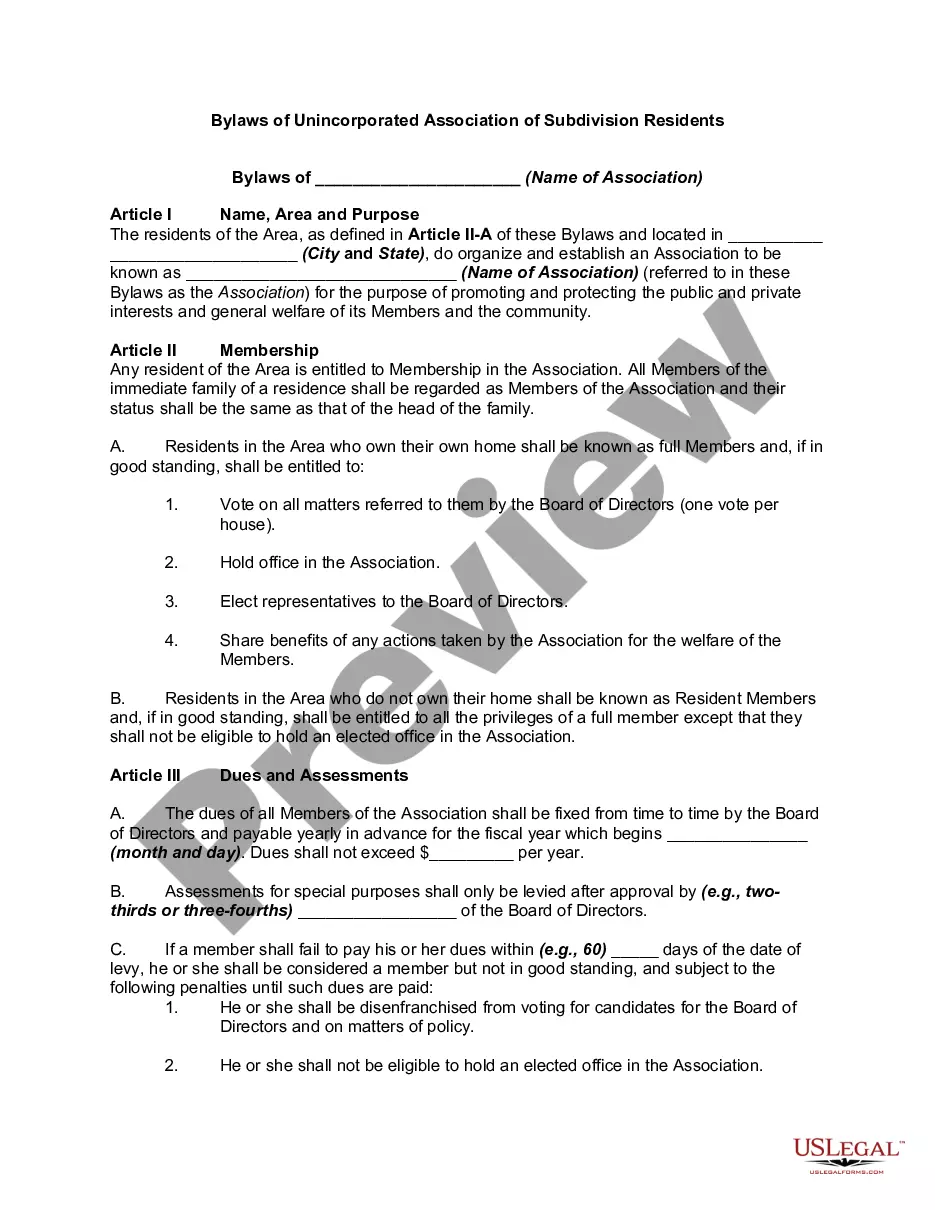
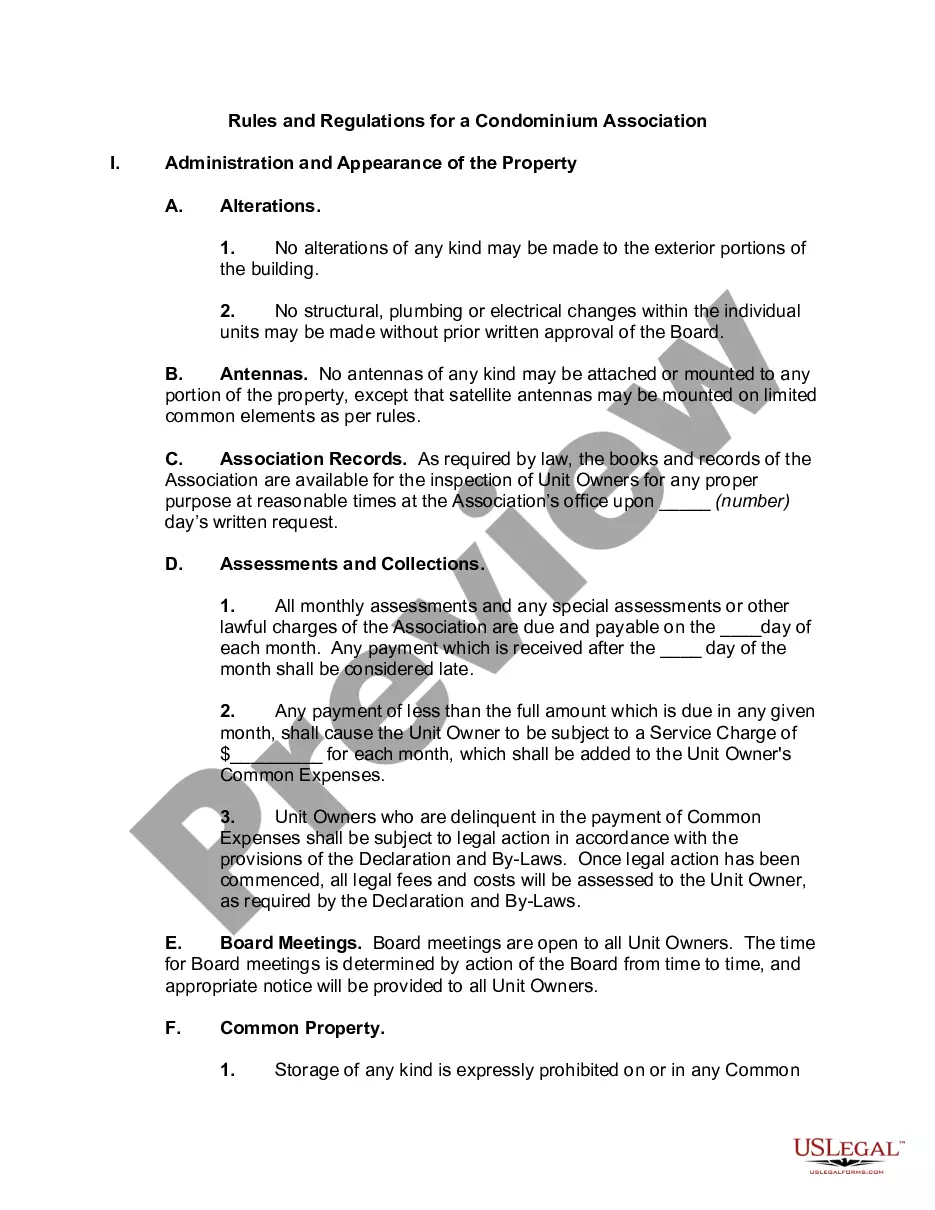
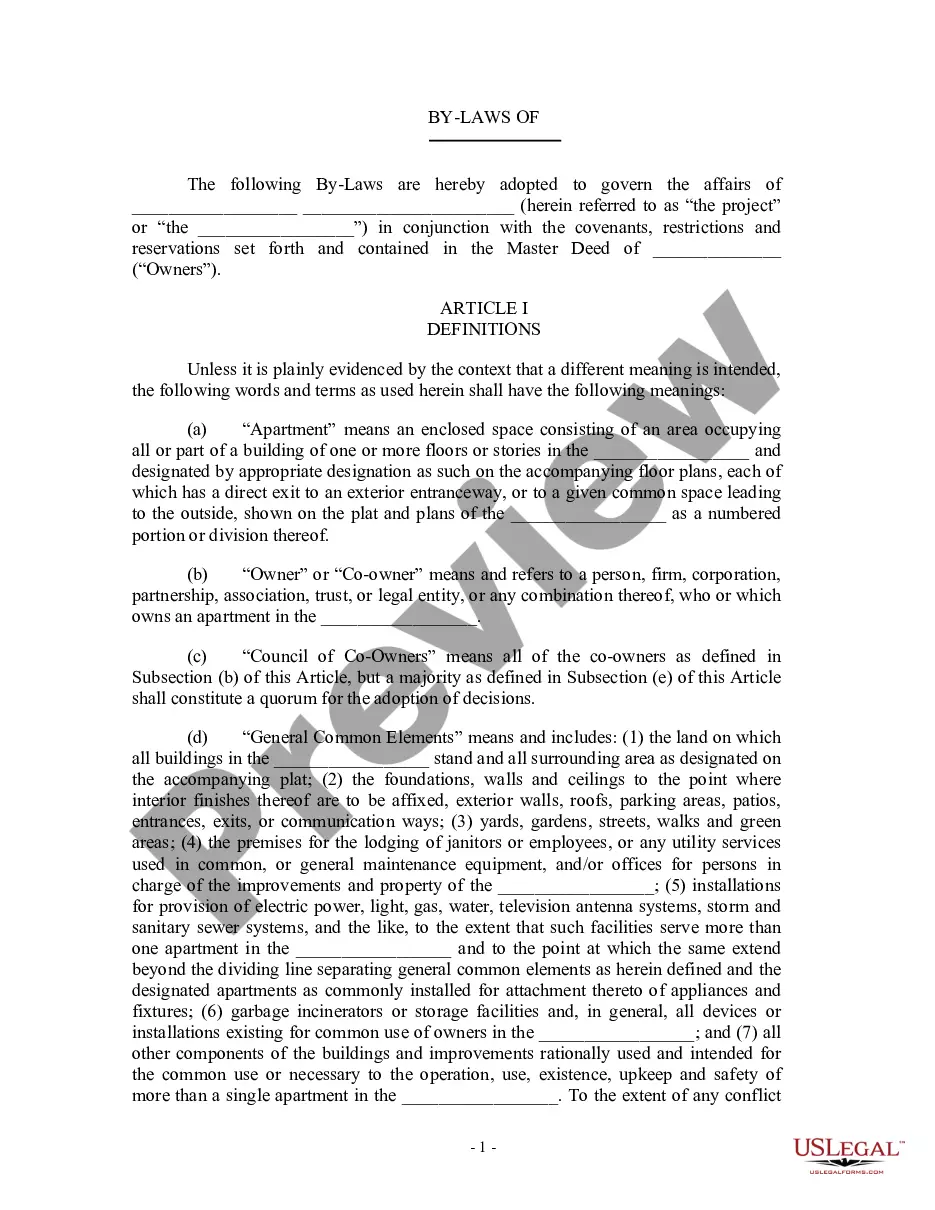
Bylaws Residential Association With Board Members In Florida
Description



Get your form ready online
Our built-in tools help you complete, sign, share, and store your documents in one place.
Make edits, fill in missing information, and update formatting in US Legal Forms—just like you would in MS Word.
Download a copy, print it, send it by email, or mail it via USPS—whatever works best for your next step.
Sign and collect signatures with our SignNow integration. Send to multiple recipients, set reminders, and more. Go Premium to unlock E-Sign.
If this form requires notarization, complete it online through a secure video call—no need to meet a notary in person or wait for an appointment.
We protect your documents and personal data by following strict security and privacy standards.

Make edits, fill in missing information, and update formatting in US Legal Forms—just like you would in MS Word.

Download a copy, print it, send it by email, or mail it via USPS—whatever works best for your next step.

Sign and collect signatures with our SignNow integration. Send to multiple recipients, set reminders, and more. Go Premium to unlock E-Sign.

If this form requires notarization, complete it online through a secure video call—no need to meet a notary in person or wait for an appointment.

We protect your documents and personal data by following strict security and privacy standards.
Looking for another form?









Form popularity
FAQ
' So, the statute allows persons who are not owners to serve on the board, provided they are eligible to be candidates.
Board Member Responsibilities Governance and Oversight. Fiduciary Duty. Strategic Planning. Risk Management. Evaluating and Hiring Leadership. Compliance and Legal Oversight. Advocacy and Representation.
In the State of Florida, three is the magic number. No matter the size of your association, your board must have at least three members, with the number stated in your articles of incorporation or bylaws. Your bylaws should also have provisions regarding the manner in which the board can expand.
HOA board members in Florida have significant and important responsibilities, and while they are generally protected from personal liability, it is essential to understand the circumstances that could lead to legal exposure.
Chapter 720 of the Florida Statutes governs homeowners' associations (HOAs) in Florida. Unlike iniums or cooperatives, homeowners' associations typically govern single-family homes in a specific development or community.
The duties of HOA board members revolve around enforcing the community's governing documents, which include bylaws, covenants, conditions, and restrictions. The board ensures that these rules are followed, helping to maintain property values, enhance the quality of life, and uphold the community's standards.
Any Florida HOA or inium association with 100 or more units must maintain a website or mobile app by January 1, 2025, where homeowners can access essential documents, such as governing rules, meeting minutes, budgets, and insurance policies.
The Purpose of HOA Laws These laws give HOAs the authority to enact rules and regulations governing different areas of community living, such as architectural guidelines, the care of communal areas, and the collection of fees.
Chapter 720 of the Florida Statutes governs homeowners' associations (HOAs) in Florida. Unlike iniums or cooperatives, homeowners' associations typically govern single-family homes in a specific development or community.
An association has the duty to enforce the restrictions set forth in its CC&Rs. When it fails to do so, “a homeowner can sue the association for damages and an injunction to compel the association to enforce the provisions of the CC&Rs.” (Posey v.
