Condominium Bylaws Condo For Hoa In Clark
Description



Get your form ready online
Our built-in tools help you complete, sign, share, and store your documents in one place.
Make edits, fill in missing information, and update formatting in US Legal Forms—just like you would in MS Word.
Download a copy, print it, send it by email, or mail it via USPS—whatever works best for your next step.
Sign and collect signatures with our SignNow integration. Send to multiple recipients, set reminders, and more. Go Premium to unlock E-Sign.
If this form requires notarization, complete it online through a secure video call—no need to meet a notary in person or wait for an appointment.
We protect your documents and personal data by following strict security and privacy standards.

Make edits, fill in missing information, and update formatting in US Legal Forms—just like you would in MS Word.

Download a copy, print it, send it by email, or mail it via USPS—whatever works best for your next step.

Sign and collect signatures with our SignNow integration. Send to multiple recipients, set reminders, and more. Go Premium to unlock E-Sign.

If this form requires notarization, complete it online through a secure video call—no need to meet a notary in person or wait for an appointment.

We protect your documents and personal data by following strict security and privacy standards.
Looking for another form?








Form popularity
FAQ
Yes, state laws generally come first before HOA rules. Federal and state laws take precedence over all other association documents, including the CC&Rs and the operating rules. For instance, in California, Civil Code Section 4715 states that HOAs can't prohibit owners from keeping at least one pet.
In summary, there is no case where HOA rules override state law. Considering the hierarchy, federal, state, and local laws always take precedence over an association's rules. Board members should have a solid grasp of these laws. In doing so, they can protect the HOA and mitigate the risk of liability.
Due to court decisions, describing HOAs as a kind of private entity, HOA boards of directors are not bound by constitutional restrictions on governments—although they are de facto a level of government.
Do HOA Rules Override City Ordinances? HOA rules don't override city ordinances. HOA communities must follow the rule of law within the city and cannot force residents to follow bylaws, rules, or regulations that contradict local city laws.
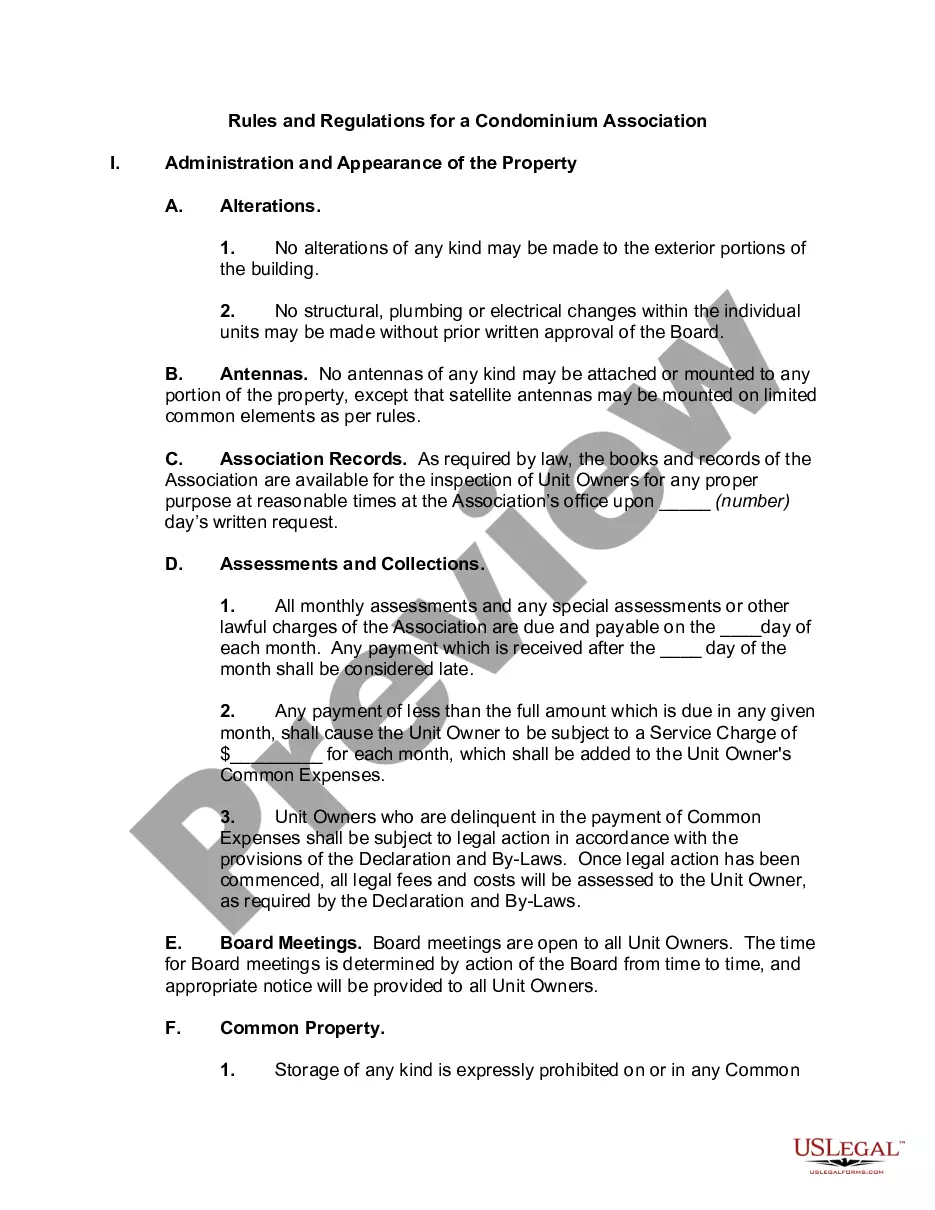
Examples of Common HOA Rules Architectural controls. Lawn and holiday decoration restrictions. Home maintenance standards. Noise complaint policies. Home occupancy limits. Parking rules and guidelines. Pet size and quantity limits. Short-term rental restrictions.
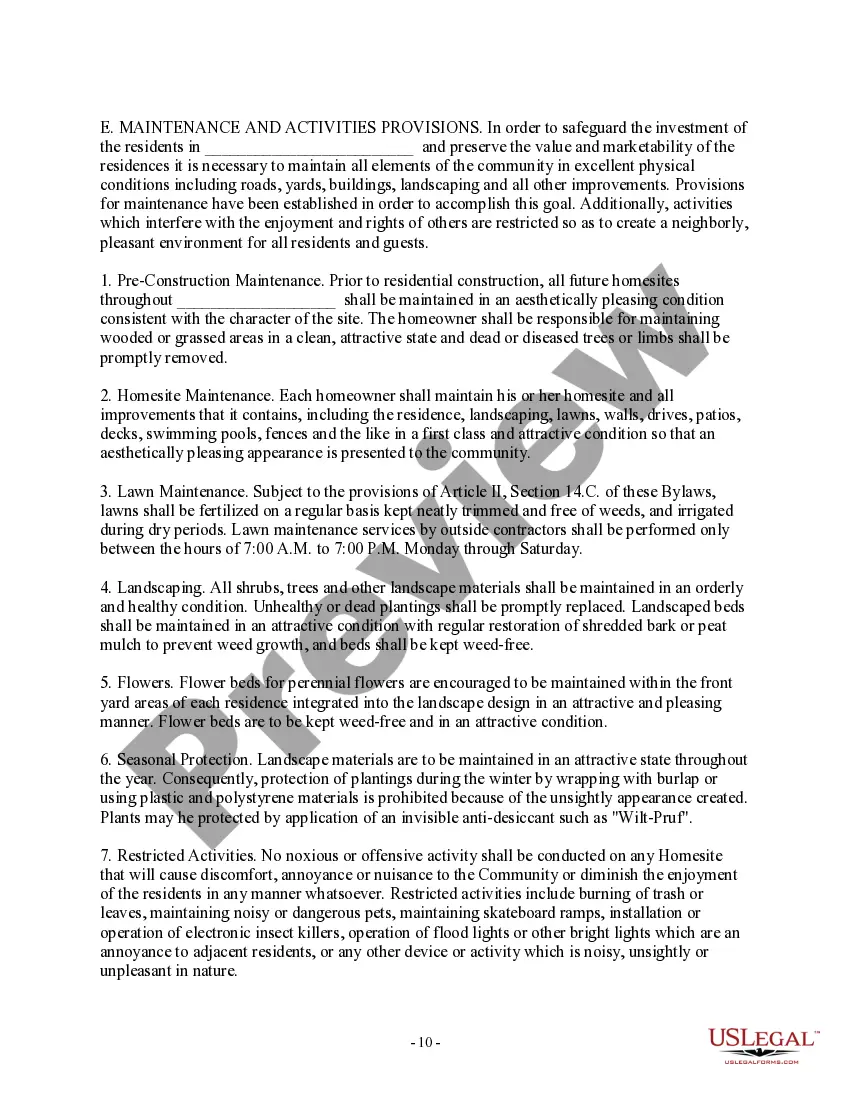
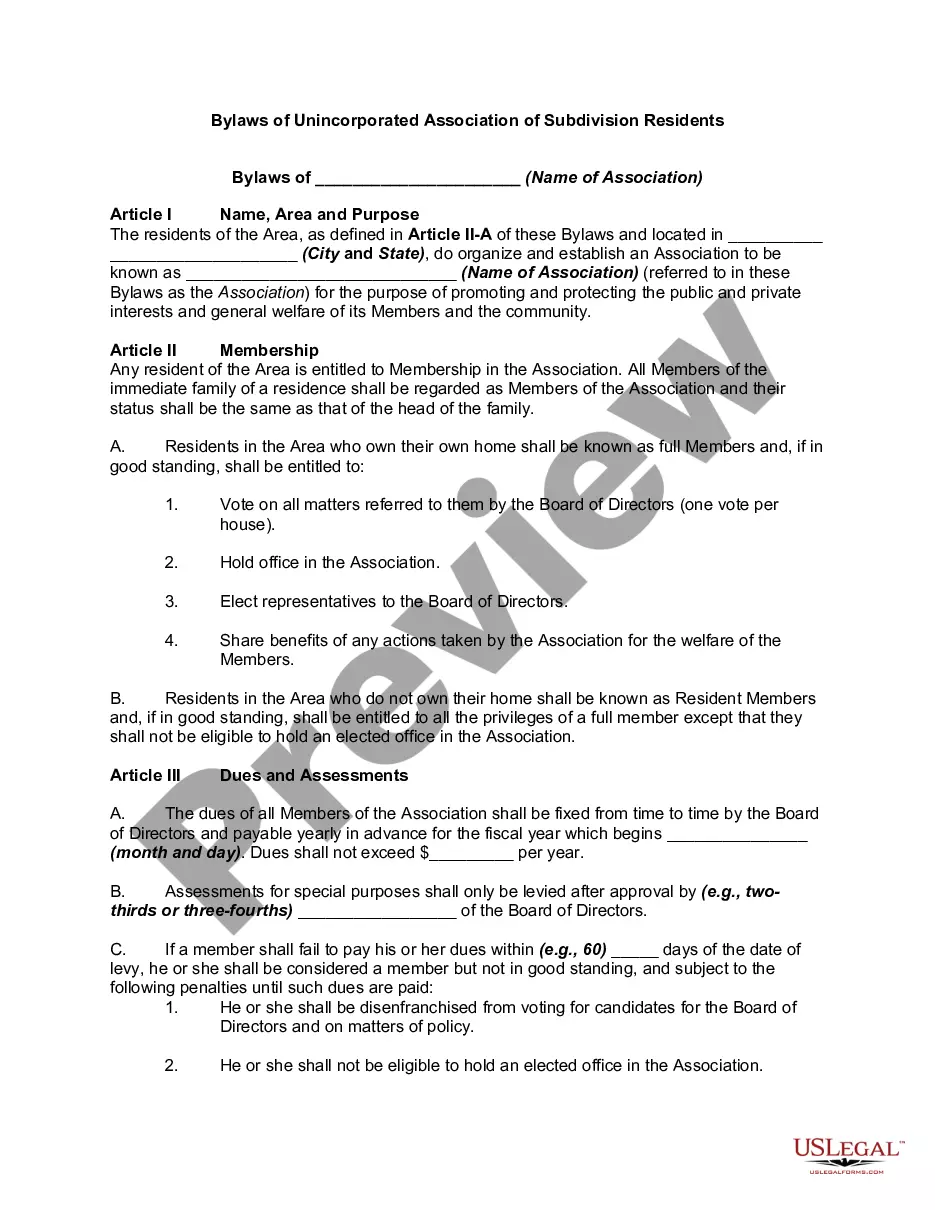
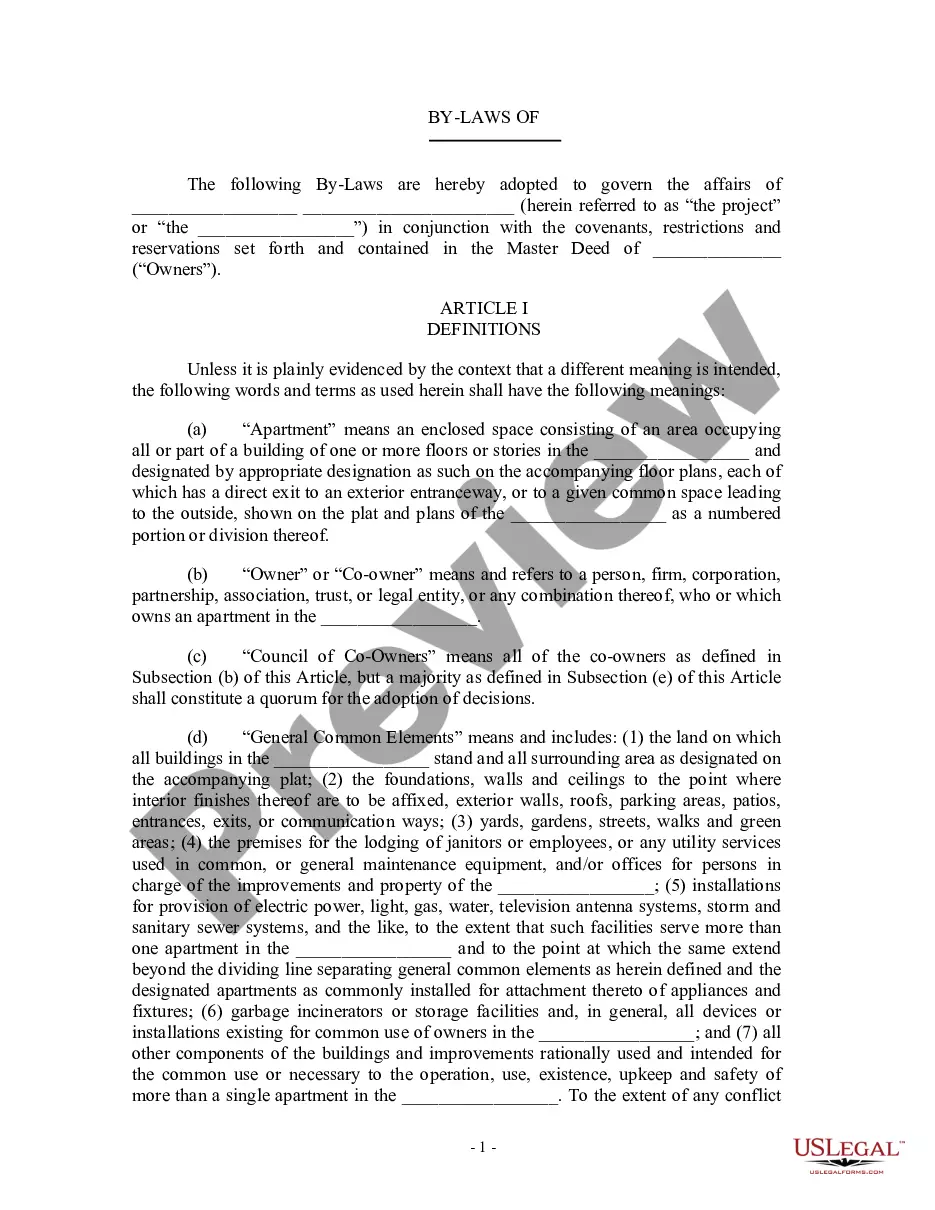
Bylaws. The Bylaws of a inium or planned development contain the operating procedures of the homeowners association. These generally include how to call and conduct a meeting, how to vote, how to levy assessments, how to manage association business, and how to keep records.
File a Lawsuit If mediation does not lead to a satisfactory resolution, your attorney may recommend filing a lawsuit. In Nevada, lawsuits against HOAs generally fall under civil court jurisdiction, and the specific claims will dictate the appropriate court for filing.
List of an HOA's Official Documents All documents provided by the developer, such as community maps, plats, plans, land surveys, permits. Recorded Declaration of Covenants, Conditions and Restrictions (CC&Rs), Articles of Incorporation, Bylaws and any amendments. Rules and Regulations.
Federal and state laws regulate HOAs in Nevada, but it is the Nevada Real Estate Department that is ultimately responsible for maintaining the proper functioning of HOAs and their communities.
A proper HOA request letter should include: Clear headers with date and contact information. The property address and owner details. A specific subject line identifying the request type. A concise project description. Relevant timeline and completion dates. Supporting documentation references.
