Bylaws Residential Association With Hoa In Chicago
Description

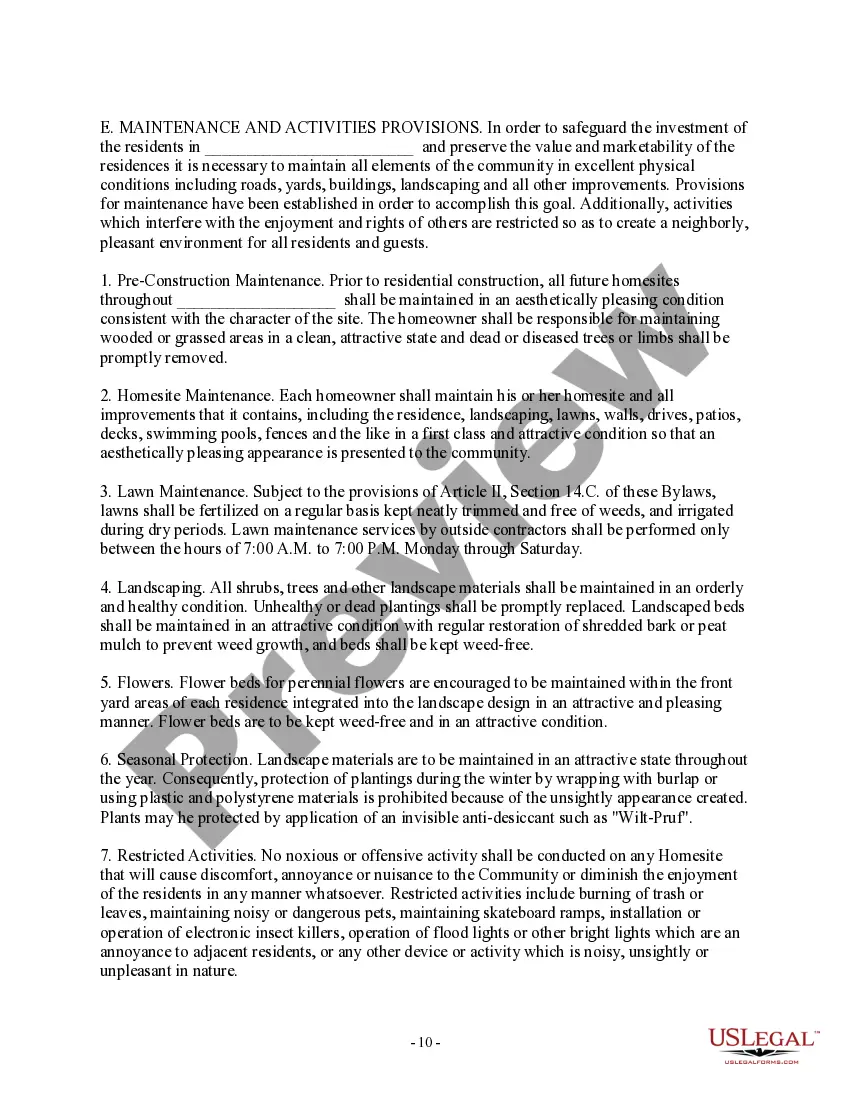


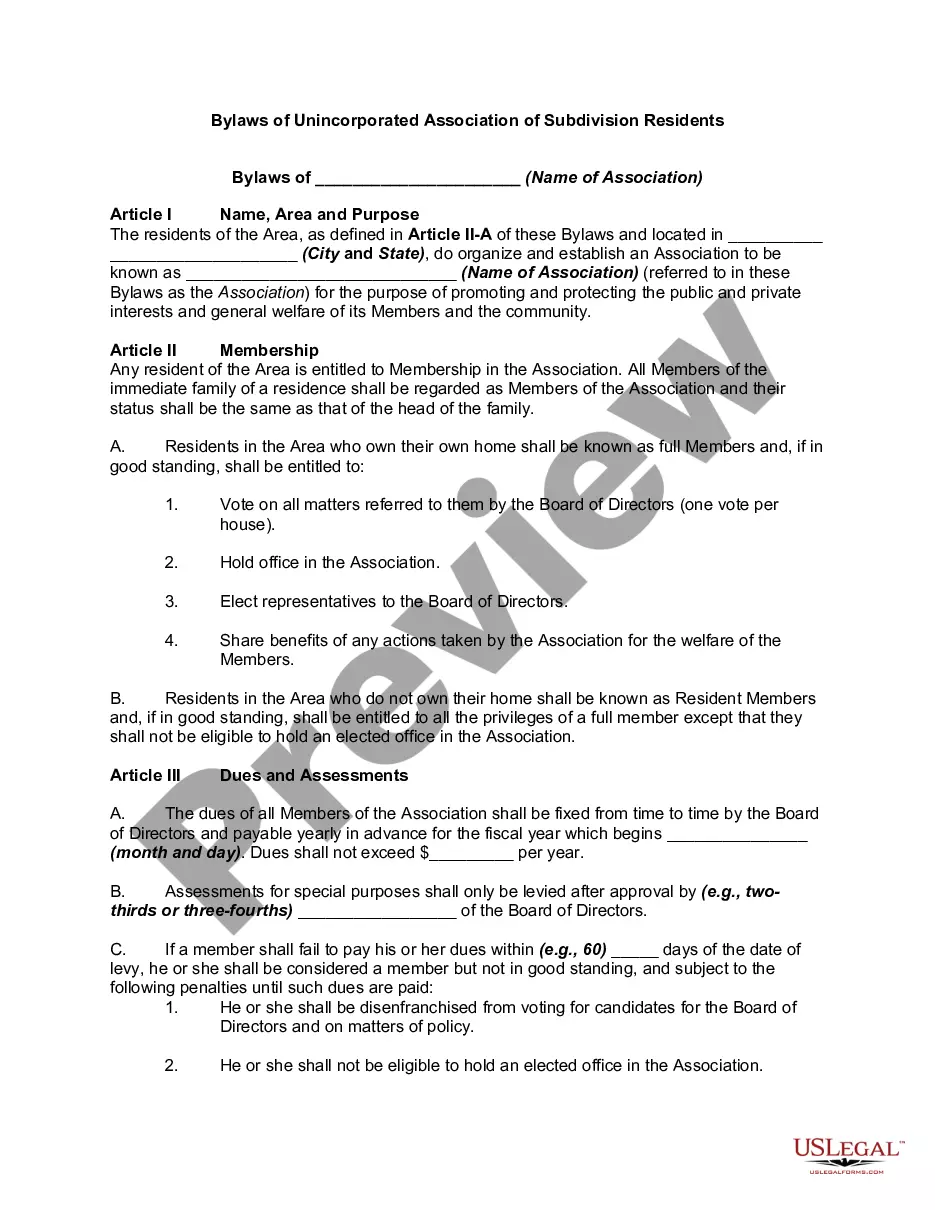
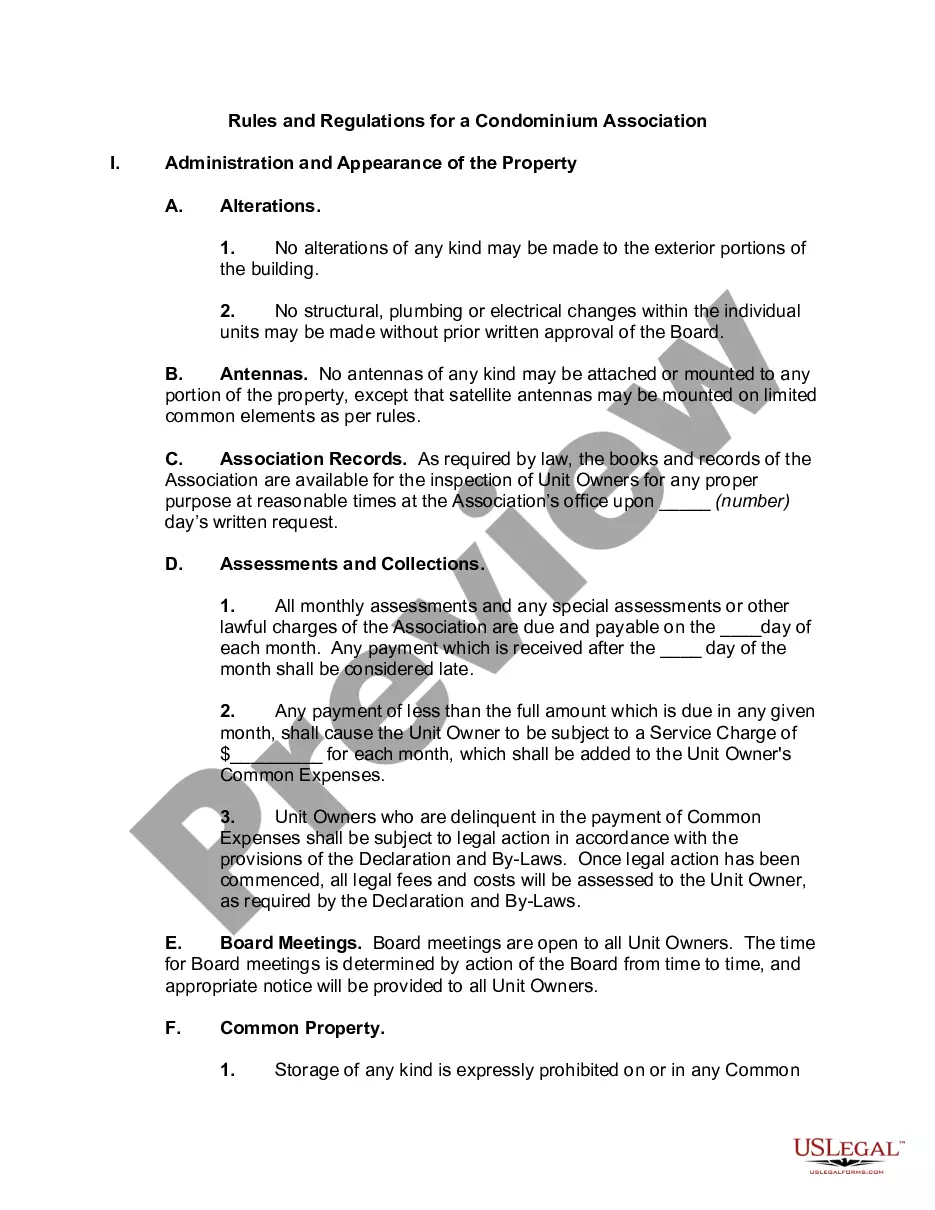
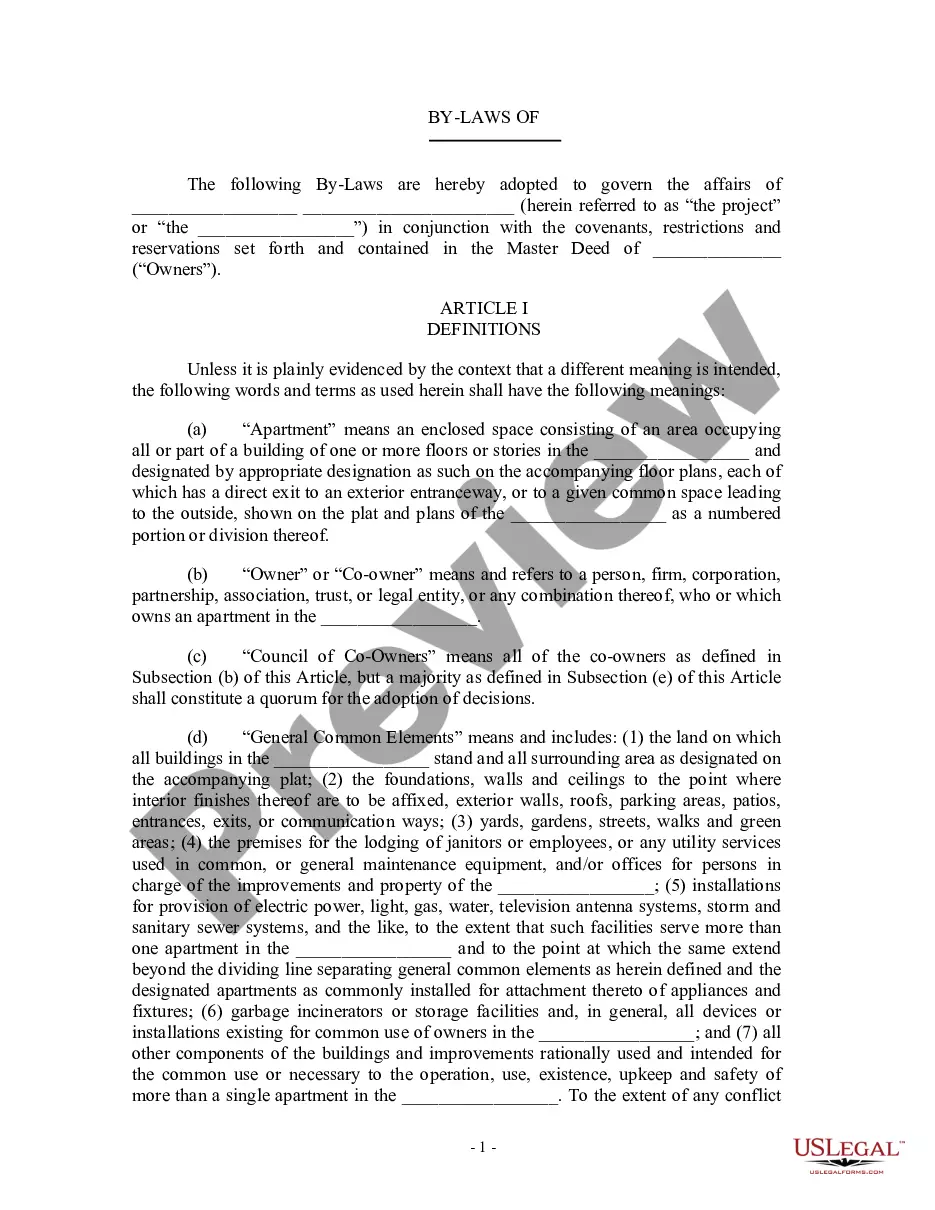
Get your form ready online
Our built-in tools help you complete, sign, share, and store your documents in one place.
Make edits, fill in missing information, and update formatting in US Legal Forms—just like you would in MS Word.
Download a copy, print it, send it by email, or mail it via USPS—whatever works best for your next step.
Sign and collect signatures with our SignNow integration. Send to multiple recipients, set reminders, and more. Go Premium to unlock E-Sign.
If this form requires notarization, complete it online through a secure video call—no need to meet a notary in person or wait for an appointment.
We protect your documents and personal data by following strict security and privacy standards.

Make edits, fill in missing information, and update formatting in US Legal Forms—just like you would in MS Word.

Download a copy, print it, send it by email, or mail it via USPS—whatever works best for your next step.

Sign and collect signatures with our SignNow integration. Send to multiple recipients, set reminders, and more. Go Premium to unlock E-Sign.

If this form requires notarization, complete it online through a secure video call—no need to meet a notary in person or wait for an appointment.

We protect your documents and personal data by following strict security and privacy standards.
Looking for another form?


Form popularity
FAQ
The administration and functioning of HOAs in the state are governed by the Illinois Common Interest Community Association Act. In homeowner's associations with detached or attached townhouses, single-family houses, or villas, this provision is applicable.
The Illinois General Not for Profit Corporation Act, which governs the vast majority of associations, requires that the board of directors of a corporation consist of three or more directors with the number of directors established in the bylaws.
A proper HOA request letter should include: Clear headers with date and contact information. The property address and owner details. A specific subject line identifying the request type. A concise project description. Relevant timeline and completion dates. Supporting documentation references.
Can an HOA Evict a Homeowner? Yes. Under Illinois state law (765 ILCS 605/9.2), a homeowners' association can 'evict' a member from their unit in order to recover past due assessments. If your community is considering eviction as a remedy, an experienced Chicago HOA/condo lawyer can help.
In general, homeowners can request HOA documents that cover the following: Governing documents, including the CC&Rs, bylaws, articles of incorporation, community plat, and operating rules; All board and membership meeting minutes and notices; Membership lists; All insurance policies of the association;
Most homeowners associations are governed by either the Illinois inium Property Act or the Illinois Common Interest Community Association Act.
How can a homeowner file a complaint against an HOA in the state of Illinois? Homeowners can file a complaint against an HOA by contacting the Illinois Department of Financial and Professional Regulation. The state offers a dispute resolution service for certain issues, or legal action can be taken.
Homeowners can file a complaint against an HOA by contacting the Illinois Department of Financial and Professional Regulation. The state offers a dispute resolution service for certain issues, or legal action can be taken.
An HOA Board is held accountable by codes and laws. For example, homeowners associations in California are regulated by the California Corporation's Code, as well as other California state laws and codes. Some of these codes include: State of California Business and Professions Code.
Homeowners should direct their complaints against a board member to the HOA board or the community manager. An effective board or manager will handle the complaint properly, even if it concerns one of their own. If need be, homeowners can request to enter dispute resolution.
