Condominium Bylaws Condo Association Fort Myers In California
Description













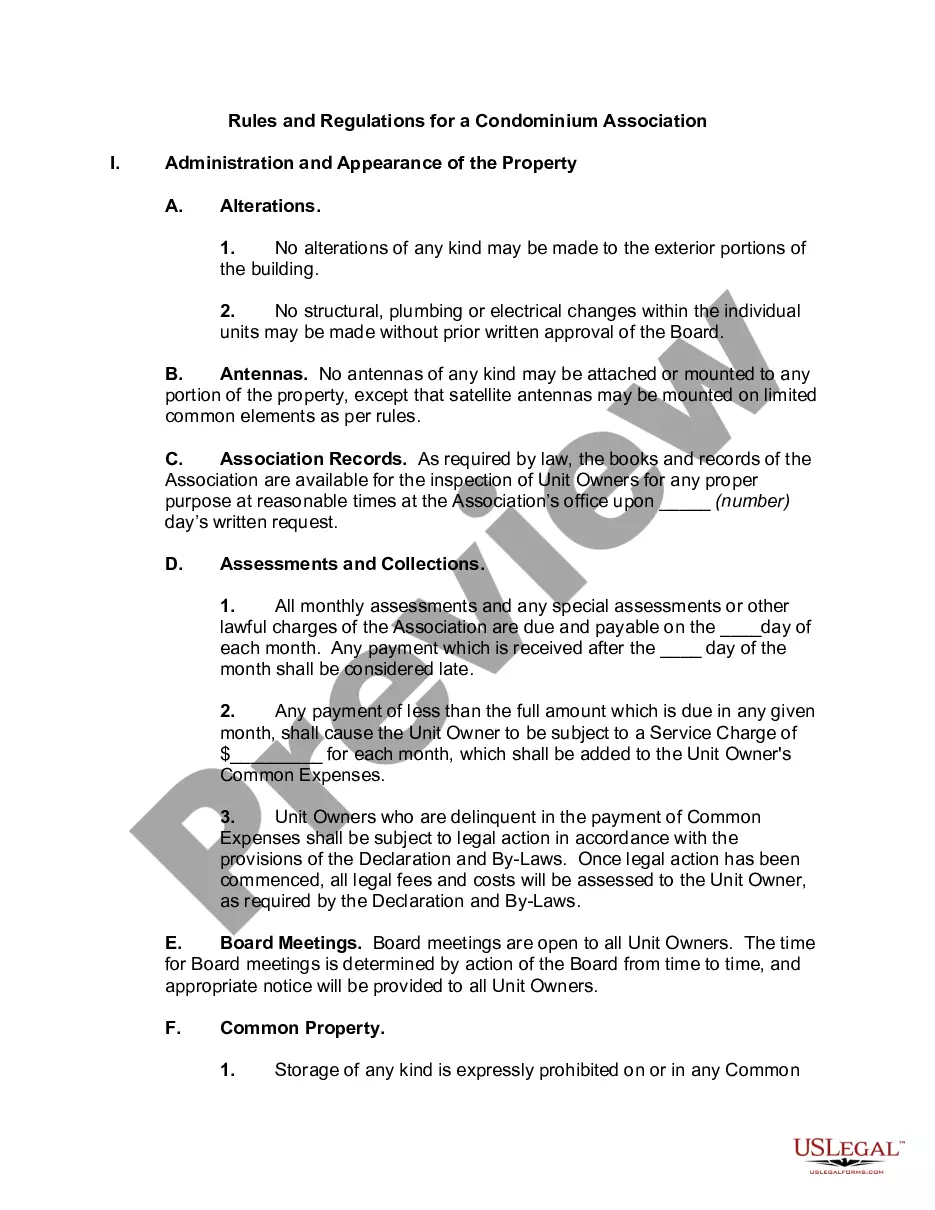

Get your form ready online
Our built-in tools help you complete, sign, share, and store your documents in one place.
Make edits, fill in missing information, and update formatting in US Legal Forms—just like you would in MS Word.
Download a copy, print it, send it by email, or mail it via USPS—whatever works best for your next step.
Sign and collect signatures with our SignNow integration. Send to multiple recipients, set reminders, and more. Go Premium to unlock E-Sign.
If this form requires notarization, complete it online through a secure video call—no need to meet a notary in person or wait for an appointment.
We protect your documents and personal data by following strict security and privacy standards.

Make edits, fill in missing information, and update formatting in US Legal Forms—just like you would in MS Word.

Download a copy, print it, send it by email, or mail it via USPS—whatever works best for your next step.

Sign and collect signatures with our SignNow integration. Send to multiple recipients, set reminders, and more. Go Premium to unlock E-Sign.

If this form requires notarization, complete it online through a secure video call—no need to meet a notary in person or wait for an appointment.

We protect your documents and personal data by following strict security and privacy standards.
Looking for another form?


Form popularity
FAQ
Filing a lawsuit against an HOA is typically done in small claims court. The first step is to determine how much compensation is required. Small claims is bound by a limit for damages, and any cases seeking damages above this amount must either waive the excess or file in regular court instead.
What rules cannot be enforced by HOAs? ing to California Civil Code 4225, housing associations cannot discriminate based on race, religion, sexual orientation, income, gender (identity or expression), disability or status (martial or military).
These rights ensure that condo owners are entitled to more robust protections against removal from their properties. Therefore, in Florida, inium associations do not possess the legal authority to evict an owner in the traditional sense that a landlord might evict a tenant.
In 2024, the California legislature passed an amendment that allowed online elections to be held within HOAs. It recognized that this could open the door to digital vote manipulation within the HOA's management, though, so the state mandated that each HOA election needed to have an independent inspector of elections.
The new HOA law in California, passed in September 2024, includes amendments to the Davis-Stirling Act of 1985. These amendments make it possible for HOAs to conduct elections online rather than through costly and time-consuming paper balloting.
Laws always supersede governing documents IF they conflict and the law applies to your HOA. In California, the Davis-Stirling Act may take precedent over general corporation codes because it's specific to HOAs.
While you can propose rule changes through proper channels, there's no legal way to simply ignore or “get around” the HOA's covenants, conditions, and restrictions (CC&Rs) that you agreed to when purchasing in the community.
Generally, a condo owner in California is responsible for the interior of their unit. The Condo Association (or HOA), is responsible for shared areas and the structure of the building.
In essence, the main difference between most HOAs and condo associations is the type of property they represent. iniums represent condos – apartments, while HOAs represent houses. Regardless of the association, they are both democratic institutions and therefore need to conduct elections.
In the US, it's estimated that over 57 million Americans are members of local Homeowner Associations. Over here, the UK equivalent is Residents' Associations, but their aims are much the same - providing a common voice for home owners in the same area, or those who have the same landlord.
