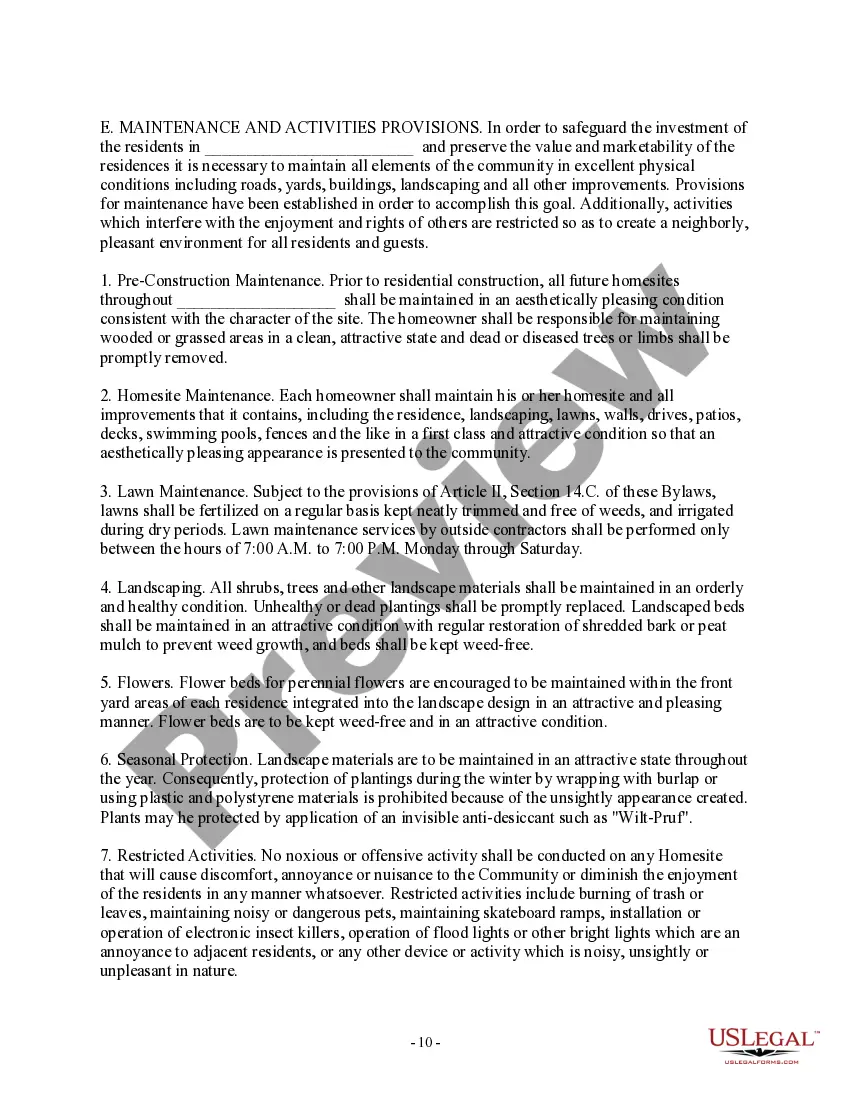
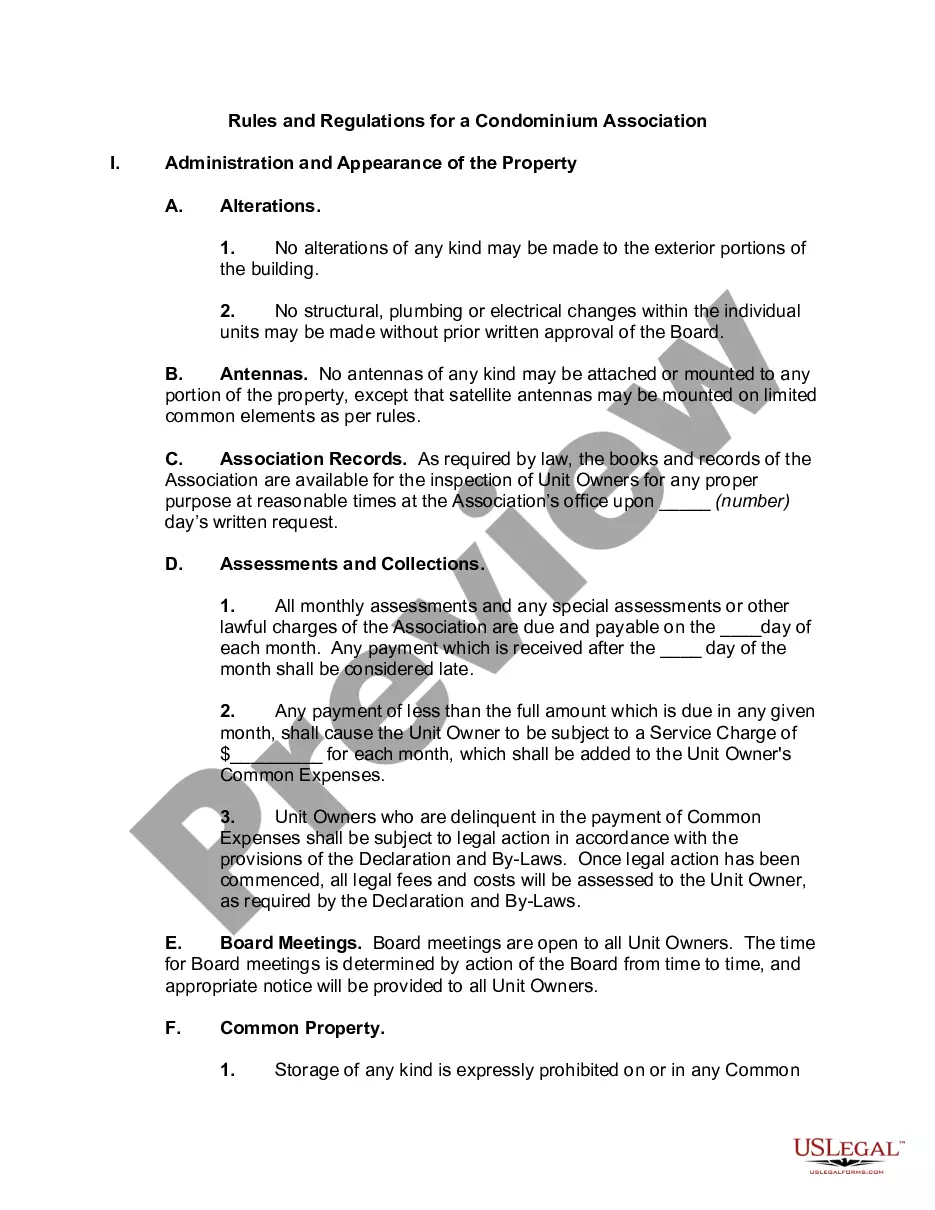
Bylaws Condo Association With Regulations New Jersey In Allegheny
Description





Get your form ready online
Our built-in tools help you complete, sign, share, and store your documents in one place.
Make edits, fill in missing information, and update formatting in US Legal Forms—just like you would in MS Word.
Download a copy, print it, send it by email, or mail it via USPS—whatever works best for your next step.
Sign and collect signatures with our SignNow integration. Send to multiple recipients, set reminders, and more. Go Premium to unlock E-Sign.
If this form requires notarization, complete it online through a secure video call—no need to meet a notary in person or wait for an appointment.
We protect your documents and personal data by following strict security and privacy standards.

Make edits, fill in missing information, and update formatting in US Legal Forms—just like you would in MS Word.

Download a copy, print it, send it by email, or mail it via USPS—whatever works best for your next step.

Sign and collect signatures with our SignNow integration. Send to multiple recipients, set reminders, and more. Go Premium to unlock E-Sign.

If this form requires notarization, complete it online through a secure video call—no need to meet a notary in person or wait for an appointment.

We protect your documents and personal data by following strict security and privacy standards.
Looking for another form?









Form popularity
FAQ
The bylaws must conform to the New Jersey inium Act. It's important to note that the Department of Community Affairs does not regulate all aspects of condo life: Instead, the DCA enforces certain provisions of the inium Act, including open public meeting requirements and dispute resolution procedures.
Once you buy a home that's part of an HOA, you automatically become a member of the HOA. HOA rules are legally binding, and you must adhere to all rules and regulations in the governing document. Yes, there are bylaws that you may not like, but there are no HOA loopholes.
If your association does not have a procedure, you may file a complaint with the Association Regulation unit by filling in a 'Common Interest Community Association Complaint' form and send it, along with the appropriate supporting documentation, to the Association Regulation unit.
The bylaws must conform to the New Jersey inium Act. It's important to note that the Department of Community Affairs does not regulate all aspects of condo life: Instead, the DCA enforces certain provisions of the inium Act, including open public meeting requirements and dispute resolution procedures.
For instance, in Pennsylvania, HOAs are regulated by the Uniformed Planned Community Act (UPCA). This act applies to all planned communities with more than 12 units and creates responsibilities for HOAs to oversee these communities. That said, HOAs typically have documents that regulate themselves.
The Department of Community Affairs is charged with enforcing the law. Recommended Reading: New Jersey Administrative Code - Planned Real Estate Development Full Disclosure Act Regulations - N.J.A.C.
The provisions of the "inium Act," P.L. 1969, c. 257 (C. B-1 et seq.)
