Employees Whereas Assisting With Prioritizing Work Responsibilities In Washington
Description

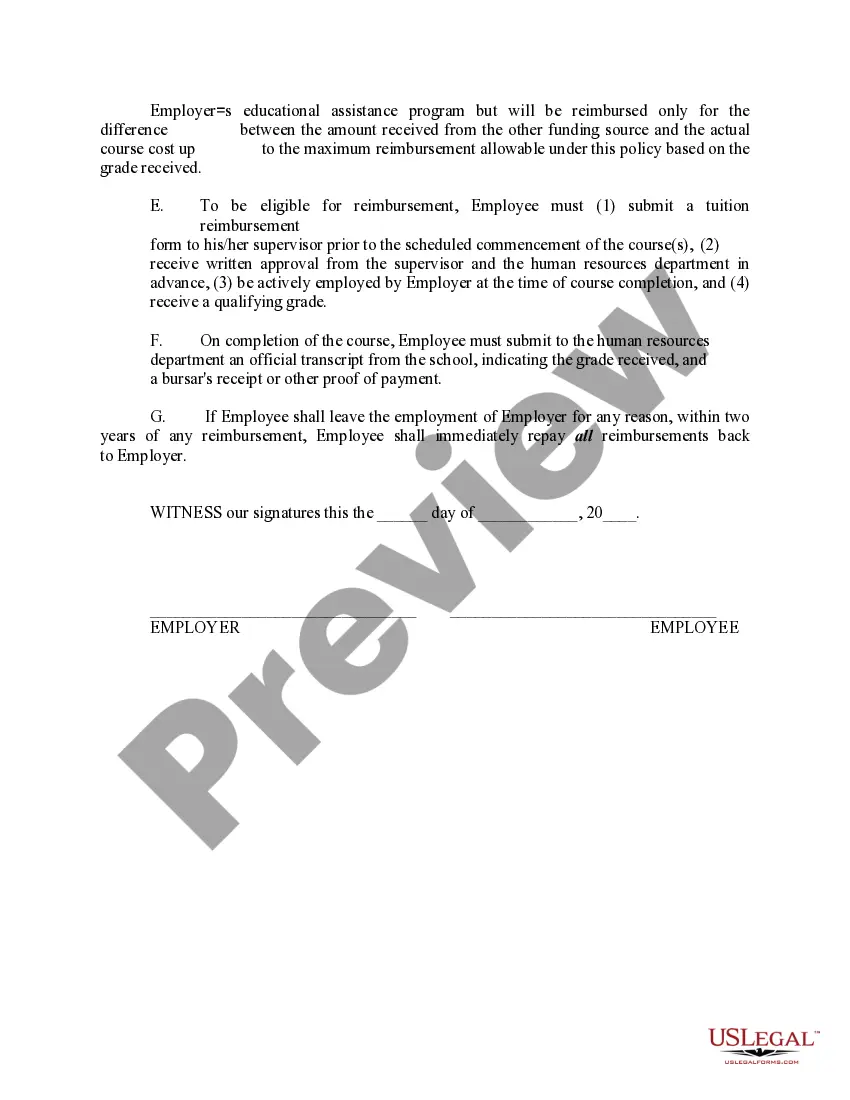
Get your form ready online
Our built-in tools help you complete, sign, share, and store your documents in one place.
Make edits, fill in missing information, and update formatting in US Legal Forms—just like you would in MS Word.
Download a copy, print it, send it by email, or mail it via USPS—whatever works best for your next step.
Sign and collect signatures with our SignNow integration. Send to multiple recipients, set reminders, and more. Go Premium to unlock E-Sign.
If this form requires notarization, complete it online through a secure video call—no need to meet a notary in person or wait for an appointment.
We protect your documents and personal data by following strict security and privacy standards.

Make edits, fill in missing information, and update formatting in US Legal Forms—just like you would in MS Word.

Download a copy, print it, send it by email, or mail it via USPS—whatever works best for your next step.

Sign and collect signatures with our SignNow integration. Send to multiple recipients, set reminders, and more. Go Premium to unlock E-Sign.

If this form requires notarization, complete it online through a secure video call—no need to meet a notary in person or wait for an appointment.

We protect your documents and personal data by following strict security and privacy standards.
Looking for another form?







Form popularity
FAQ
Yes, you can sue your employer for wrongful termination in Washington state. Wrongful termination is a common-law claim in Washington state, meaning it's a judge-created law. While most employment protections are memorialized in statutes, wrongful termination is not.
Beginning June 6, 2024, a new Washington law prohibits employers from requiring employees to attend meetings which have the primary purpose of communicating the employer's opinion on “religious” or “political” matters.
To comply with WARN, Washington employers must notify employees of a mass layoff or plant closing 60 days in advance. Employees are entitled to notice if they will lose their jobs. For employees who are union members, the employer must notify their union representative instead.
Examples of wrongful termination in Washington state include: Firing an employee in retaliation for exercising their legal rights, such as filing a complaint with a government agency or taking medical leave under the Family and Medical Leave Act (FMLA).
What is WISHA? WISHA is the Washington Industrial Safety and Health Act, Chapter 49.17 RCW, enacted in 1973 by the Washington State Legislature. The purpose of this law is to ensure that Washington's employers provide their workers with safe and healthy workplaces.
It is against the law for a business to fire or retaliate against you for exercising a protected right. You can file a complaint for issues relating to wages, rest breaks and meal periods, child labor, uniforms, and retaliation and termination without fear of repercussions.
Washington is a no-fault state, so L&I will cover an allowable claim for a workplace injury regardless of who is at fault. This rule also applies to self‑insured employers.
What is WISHA? WISHA is the Washington Industrial Safety and Health Act, Chapter 49.17 RCW, enacted in 1973 by the Washington State Legislature. The purpose of this law is to ensure that Washington's employers provide their workers with safe and healthy workplaces.
How to Prioritize Tasks as a Virtual Administrative Assistant Introduction. Assess and Categorize Tasks. Create a Task Inventory. List All Tasks and Responsibilities: Break Down Larger Projects: Include All Relevant Details: Utilize Time Management Techniques. The Eisenhower Matrix.
