Educational Assistance Employees With Mental Health Issues In Pima
Description

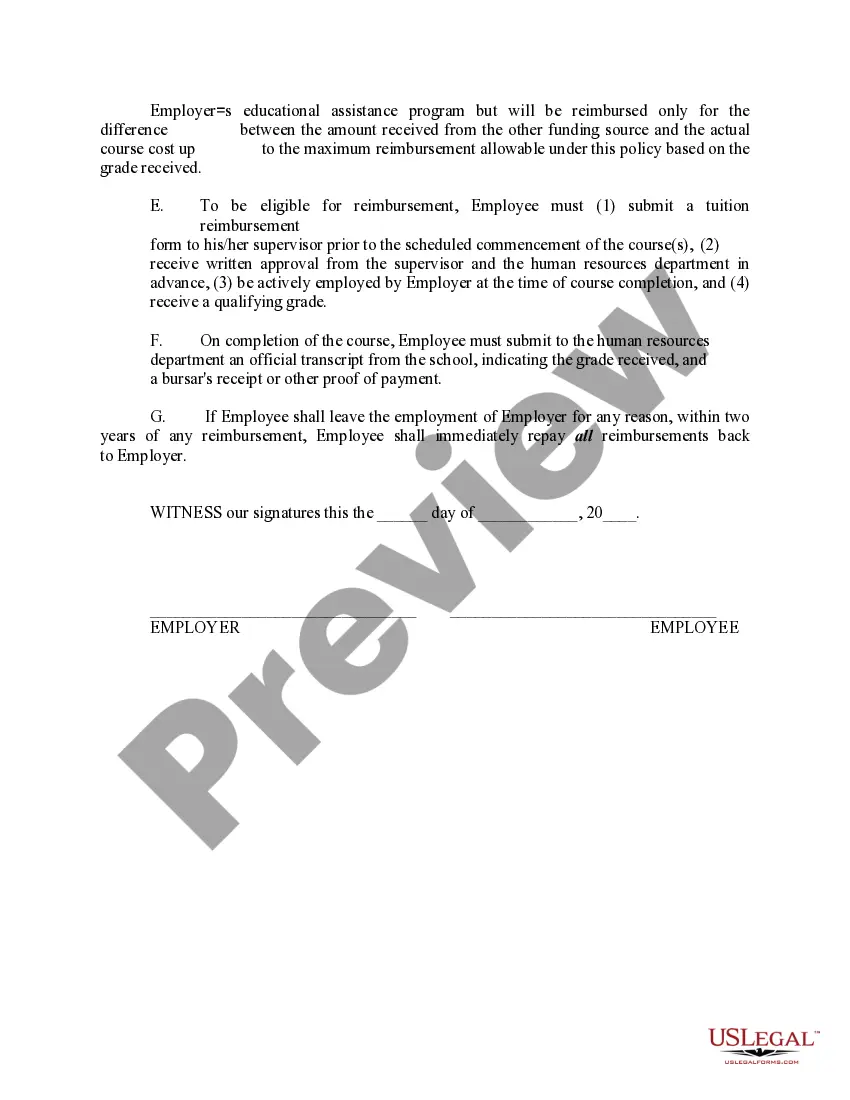
Get your form ready online
Our built-in tools help you complete, sign, share, and store your documents in one place.
Make edits, fill in missing information, and update formatting in US Legal Forms—just like you would in MS Word.
Download a copy, print it, send it by email, or mail it via USPS—whatever works best for your next step.
Sign and collect signatures with our SignNow integration. Send to multiple recipients, set reminders, and more. Go Premium to unlock E-Sign.
If this form requires notarization, complete it online through a secure video call—no need to meet a notary in person or wait for an appointment.
We protect your documents and personal data by following strict security and privacy standards.

Make edits, fill in missing information, and update formatting in US Legal Forms—just like you would in MS Word.

Download a copy, print it, send it by email, or mail it via USPS—whatever works best for your next step.

Sign and collect signatures with our SignNow integration. Send to multiple recipients, set reminders, and more. Go Premium to unlock E-Sign.

If this form requires notarization, complete it online through a secure video call—no need to meet a notary in person or wait for an appointment.

We protect your documents and personal data by following strict security and privacy standards.
Looking for another form?





Form popularity
FAQ
Leave space for your colleague to talk, and take time to understand how their mental health is affecting them emotionally and practically at work – without jumping to solutions. Keep the conversation focused on the workplace. Steer away from the causes of their poor mental health, or their home life, if you can.
Employee Assistance Program (EAP) Emotional Wellness. Workplace Success. Wellness and Balance. Marriage, Family and Relationship Issues. Work-life Services. Legal Financial Consultation. ID Theft Recovery Services. Health & Wellness programs.
The EAP program provides access to clinical psychologists. In the event where the counselor assesses your case as in need of psychiatric care, they will support you through the referral.
Some mental health issues are more commonly solved through an EAP, including stress management, burnout, anxiety, depression, grief, addiction, workplace stress and other work-related issues.
Employee Assistance Programs (EAP), which are offered to all managers, employees, and their families, are designed to address individual, team, and organizational problems. Services include counseling and support services for: Stress management. Work-related issues.
Behavioral health programs tend to focus on the individual and address mental, emotional, and physical sources of stress to create healthier behaviors. A typical EAP offering usually focuses on outside stressors, like financial problems, elder care, or legal concerns.
The generally optional nature of EAPs aligns with federal regulations for the Mental Health Parity and Addiction Equity Act; EAP cannot be a required gateway to behavioral health care unless also required for medical services.
Despite the fact that both EAP and traditional counselling are designed to assist individuals in addressing mental health and personal challenges, there are significant differences between the two in terms of accessibility, the scope of services offered, the policies regarding confidentiality, the relationships between ...
Helping someone to feel comfortable But it's important to let them know they can talk about their mental health at any time. This could include arranging appropriate follow up conversations if concerns continue. To help the person feel comfortable talking, you should: talk to them in private.
