Employees Whereas Assisting With Prioritizing Work Responsibilities In Orange
Description

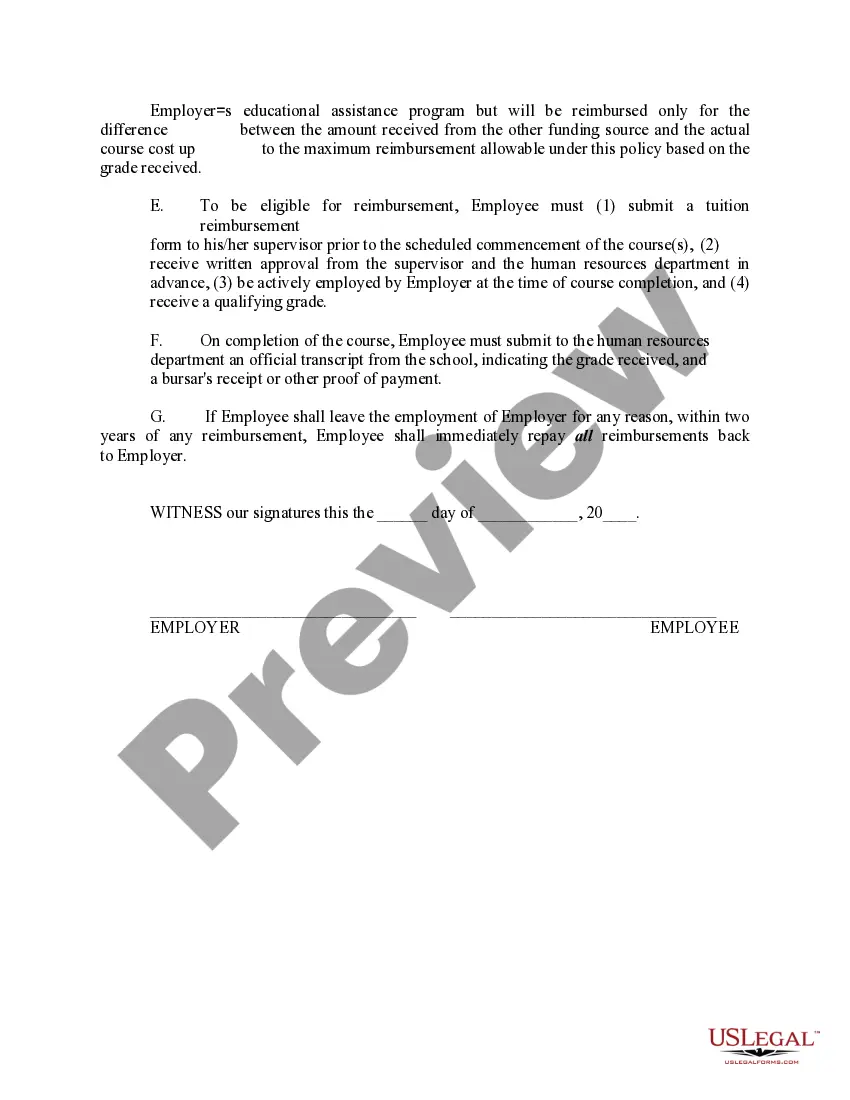
Get your form ready online
Our built-in tools help you complete, sign, share, and store your documents in one place.
Make edits, fill in missing information, and update formatting in US Legal Forms—just like you would in MS Word.
Download a copy, print it, send it by email, or mail it via USPS—whatever works best for your next step.
Sign and collect signatures with our SignNow integration. Send to multiple recipients, set reminders, and more. Go Premium to unlock E-Sign.
If this form requires notarization, complete it online through a secure video call—no need to meet a notary in person or wait for an appointment.
We protect your documents and personal data by following strict security and privacy standards.

Make edits, fill in missing information, and update formatting in US Legal Forms—just like you would in MS Word.

Download a copy, print it, send it by email, or mail it via USPS—whatever works best for your next step.

Sign and collect signatures with our SignNow integration. Send to multiple recipients, set reminders, and more. Go Premium to unlock E-Sign.

If this form requires notarization, complete it online through a secure video call—no need to meet a notary in person or wait for an appointment.

We protect your documents and personal data by following strict security and privacy standards.
Looking for another form?










Form popularity
FAQ
4 Tips to Remember: Set aside time to plan when you are in a calm and thoughtful mindset. Break larger projects and tasks into smaller pieces with a goal in mind. Schedule uninterrupted time in your calendar to work on the task or project and protect that time! Minimize distractions.
How to Prioritise Your Workload? To-do list. Task focusing. Review your workload regularly. Break down tasks. Concentrate on one task at a time. Delegate. Set realistic deadlines. Minimise interruptions.
Balancing multiple responsibilities comes down to smart prioritization. Focus on the most urgent or impactful tasks first and delegate when possible, through the Connecteam or Trello task management software. Break large projects into smaller steps to make them manageable and set clear deadlines to stay on track.
What Are Levels of Priority? P1 (Critical): These are your “drop everything” tasks. P2 (High): Important tasks that are not immediately urgent. P3 (Medium): Tasks that are urgent but less important. P4 (Low): Neither urgent nor highly important. P5 (Lowest): Tasks with minimal impact that can be eliminated if necessary.
How do you prioritize tasks effectively? Start by creating a comprehensive task list and identifying deadlines. Assess the importance, urgency, effort, and resources required for each one. Then prioritize your list based on the most urgent tasks, considering dependencies and breaking down complex tasks if necessary.
7 steps for prioritizing your workload Write down all of your tasks. Determine which tasks are truly important. Stick to a schedule that reflects your priority tasks. Tackle your most intense, high-effort tasks first. Focus on one task at a time (hint: try not to multitask)
How can you help employees prioritize their tasks and manage their time effectively? Assess their workload and expectations. Be the first to add your personal experience. Teach them how to prioritize. Help them plan and schedule. Encourage them to track and review. Here's what else to consider.
Good answer: "I use a combination of tools and methods to stay organized and manage my time effectively. I make a to-do list at the beginning of each day, prioritizing tasks based on urgency and importance. I also set specific deadlines for myself and use a calendar to schedule regular check-ins on my progress.
1) Clearly communicate the goals and priorities of the team and the organization so everyone knows what is most important. 2) Help your team understand how their individual tasks contribute to the overall goals and priorities, so they can see their work's value and importance.
List of Tips for Effective Time Management Set goals correctly. Set goals that are achievable and measurable. Prioritize wisely. Prioritize tasks based on importance and urgency. Set a time limit to complete a task. Take a break between tasks. Organize yourself. Remove non-essential tasks/activities. Plan ahead.
