Employees Whereas Assisting With Prioritizing Work Responsibilities In Houston
Description

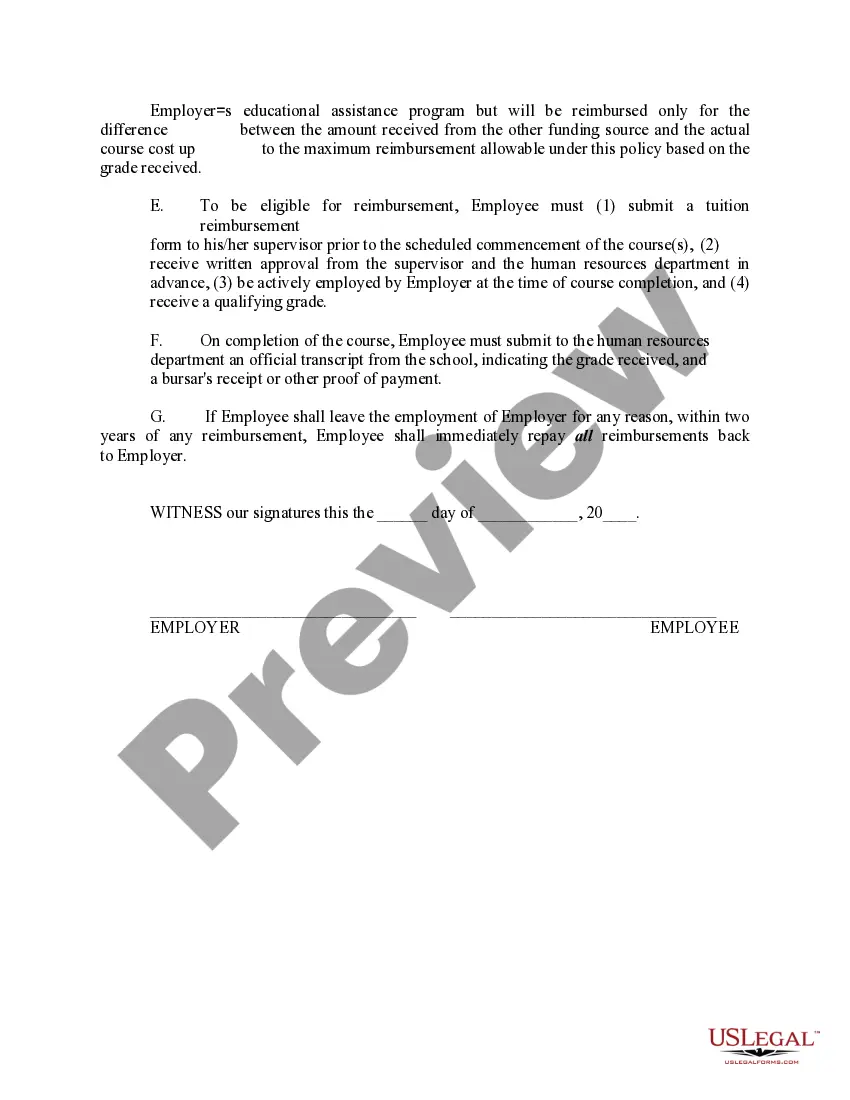
Get your form ready online
Our built-in tools help you complete, sign, share, and store your documents in one place.
Make edits, fill in missing information, and update formatting in US Legal Forms—just like you would in MS Word.
Download a copy, print it, send it by email, or mail it via USPS—whatever works best for your next step.
Sign and collect signatures with our SignNow integration. Send to multiple recipients, set reminders, and more. Go Premium to unlock E-Sign.
If this form requires notarization, complete it online through a secure video call—no need to meet a notary in person or wait for an appointment.
We protect your documents and personal data by following strict security and privacy standards.

Make edits, fill in missing information, and update formatting in US Legal Forms—just like you would in MS Word.

Download a copy, print it, send it by email, or mail it via USPS—whatever works best for your next step.

Sign and collect signatures with our SignNow integration. Send to multiple recipients, set reminders, and more. Go Premium to unlock E-Sign.

If this form requires notarization, complete it online through a secure video call—no need to meet a notary in person or wait for an appointment.

We protect your documents and personal data by following strict security and privacy standards.
Looking for another form?









Form popularity
FAQ
HR's strategic plan, the HR One 2020 – 2025 People Strategy, clearly defines the department's roles and responsibilities as well as its plans for the future. It is a reflection of the department's focus on positive evolution through innovation, collaboration, accountability, and transparency.
Strategic HR planning is the process of arranging your department's resources, programs, and processes to put the most qualified people in the right roles to drive the highest possible business value.
Strategic resource planning is a part of human resource management that examines the capacity and needs of your future workforce for sustainable business growth. It's focused on ensuring that your business has the critical skills for meeting business goals over a long period of time.
Jane E. Cheeks is a tenured HR management professional with diversified leadership successes in both the public and corporate sectors.
By prioritizing employee well-being, organizations can cultivate a positive and inclusive culture. Showing genuine care, respect, and support for employees will instill a sense of belonging and loyalty. A positive culture can enhance teamwork, collaboration, and overall organizational effectiveness.
A successful HR strategy hinges on five key pillars: legal compliance, employee engagement, career advancement, a strong corporate image, and an effective performance management system.
How can you help employees prioritize their tasks and manage their time effectively? Assess their workload and expectations. Be the first to add your personal experience. Teach them how to prioritize. Help them plan and schedule. Encourage them to track and review. Here's what else to consider.
The method involves categorizing tasks based on their urgency and importance, enabling individuals to allocate their time and resources efficiently. The mnemonic ABCDE stands for A - Very Important, B - Important, C - Nice to Do, D - Delegate, and E - Eliminate.
How do I prioritize tasks? To prioritize tasks effectively, begin by listing all your tasks, then rate each one based on its significance and deadline. You can also try the ABCDE method, where you categorize each task with a letter indicating its priority: "A" for tasks that are critical and must be done.
5 ways to answer "How do you prioritize your work?" Describe how you schedule your day. Explain how you shift between priorities. Discuss how you set your deadlines. Tell how you maintain work-life balance. Connect your answer to the job requirements.
